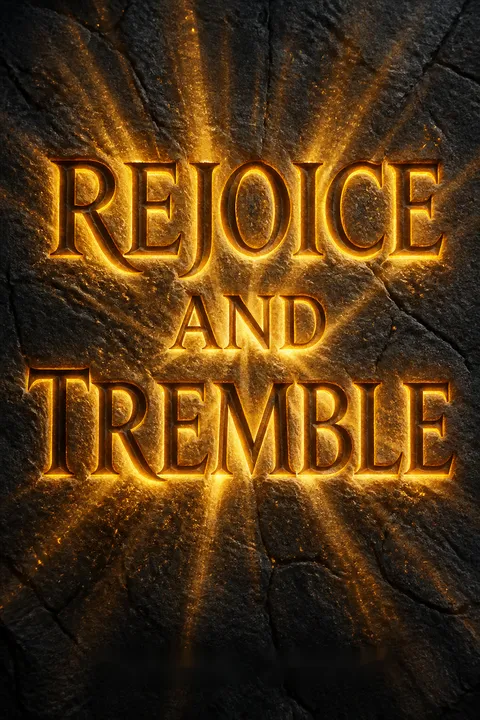

Key Takeaways
1. The Christian Paradox: Fear as Both Foe and Friend.
In the Bible the picture can seem equally confusing: Is fear a good thing or a bad thing?
Fear's perplexing nature. Fear is one of humanity's strongest emotions, yet for Christians, its role in faith often appears contradictory. Scripture frequently commands "Do not be afraid!" promising deliverance from fear through Christ, while simultaneously urging believers to "fear the Lord" as the beginning of knowledge and wisdom. This apparent tension leaves many confused, wondering how to reconcile these seemingly opposing directives.
Christ's delightful fear. The confusion deepens when considering Jesus himself. Isaiah prophesies that the Spirit of the Lord, including the "Spirit of the fear of the Lord," will rest upon the Messiah, and "his delight shall be in the fear of the Lord." This revelation forces a re-evaluation: if Christ, in his sinless perfection, delights in this fear, it cannot be a negative, gloomy duty, but rather something profoundly positive and joyful.
Beyond negative connotations. The book aims to cut through this discouragement, revealing that the "fear of the Lord" for Christians is not about being afraid of God in a negative sense. Instead, it's a liberating, delightful, and wonderful fear that casts out crippling anxieties. It's a transformative concept that, once understood, brings renewed devotion and joy, leading us to "rejoice with trembling" (Ps. 2:11).
2. Modern Society's Anxiety: The Cost of Losing God's Fear.
Our moral confusion today and our general state of heightened anxiety are both the fallout of a cultural loss of God as the proper object of human fear.
A culture of fear. Contemporary society is awash in anxiety, fretting over everything from financial collapse and pandemics to terrorism and climate change. Despite living in an era of unprecedented safety and prosperity, a pervasive "culture of fear" thrives, fueled by rapid information dissemination and a constant stream of potential worries. This paradox—more safety, more anxiety—points to deeper societal roots.
Atheism's failed promise. The Enlightenment and atheistic movements, like Bertrand Russell's anti-theism, promised that liberating humanity from belief in God would free people from fear. However, nearly a century later, the opposite has occurred. Throwing off the fear of God has not led to a happier, less fretful society; instead, it has resulted in increased neurosis and free-floating anxieties, as acknowledged even by staunch atheists like Frank Furedi.
The true antidote. The author argues that moral confusion, a consequence of losing the fear of God, is the root of modern anxiety. Without God as the anchor for morality and reality, society becomes uncertain, elevating good things into cruel idols that cannot provide true security. The fear of God, understood as a happy and healthy reverence, once shaped and controlled other fears, acting as the very antidote to the fretfulness now plaguing post-Christian Western culture.
3. Discerning Fears: Natural, Sinful, and Right Responses.
Confusion on this point is deadly.
Categorizing fear. Not all fear is the same; distinguishing between different types is crucial for understanding the "fear of the Lord." The book identifies three main categories:
- Natural Fear: A normal, non-sinful response to danger in a fallen world (e.g., fear of death, pain, or enemies). Even Jesus experienced this in Gethsemane.
- Sinful Fear: A fear of God that flows from sin, driving people away from Him.
- Right Fear (Godly Fear): A positive, desirable fear of God that draws believers closer to Him.
Beyond simple awe. While "awe," "respect," and "reverence" are often used as synonyms for the fear of God, they fall short of capturing its full biblical intensity. The Hebrew words for fear (yr' and phd) suggest a physical experience of being overwhelmed and trembling, which can be either terrifying or ecstatically joyful. This indicates that godly fear is no mild, reserved emotion, but a startlingly physical and overpowering reaction.
Moses's distinction. The story of Israel at Mount Sinai perfectly illustrates this distinction. When the people trembled in terror at God's presence, Moses told them, "Do not fear, for God has come to test you, that the fear of him may be before you, that you may not sin." Here, Moses contrasts being afraid of God (sinful fear) with having the proper, desirable fear of Him (right fear), which prevents sin and draws one closer.
4. Sinful Fear: A Flight from God's True Character.
This sinful fear of God is the sort of fear James tells us the demons have when they believe and shudder (James 2:19).
Driven by misunderstanding. Sinful fear is a fear of God that originates from sin and drives individuals away from Him. It's the fear Adam felt after his first sin, causing him to hide. This fear often stems from a tragic misunderstanding of God, portraying Him as a "grim tyrant" or "severe man" (Luke 19:21), rather than a God of love and grace. Christopher Hitchens's view of God as a celestial dictator, or young Martin Luther's terror of God as an angry judge, exemplify this distorted perception.
Idolatry and legalism. This fear, fueled by Satan's misrepresentation of God as a pure threat, prevents genuine trust and love. It can lead to:
- Idolatry: Turning to other gods, priests, or horoscopes for security, as seen with the Samaritans who "feared the Lord" yet served their own deities.
- Legalism: Performing external religious duties out of dread of punishment, not love, creating reluctant slaves who secretly despise God while appearing devout.
Dread of holiness. Sinful fear also manifests as a "dread of holiness"—a struggle against joy and a refusal to let go of sin. C.S. Lewis's "ghosts" in The Great Divorce illustrate this, preferring their misery and darkness to the terrifying light and purity of heaven, which demands they relinquish their cherished deformities. This fear is a struggle against the very liberation and purification God offers.
5. Right Fear: A Delightful, Trembling Adoration.
It is a fear “to the Lorp and to his goodness.”
Fear born of goodness. Contrary to sinful fear, right fear is a positive, desirable response to God's overwhelming goodness and grace. Jeremiah 33:8-9 describes people fearing and trembling because of all the good and prosperity God provides, not because of punishment. This is a fear that "leans toward the Lord" due to His kindness, as seen in Jacob's awe at Bethel after receiving only promises of blessing, or the crowd's fear after Jesus raised the widow's son.
The essence of love. This godly fear is not antithetical to love; rather, it is an intense, trembling love for God. As John Bunyan explained, it flows from a "sense of, or hope in mercy," creating "true tenderness of heart, true godly softness of spirit." Our love for God, who is infinitely perfect and overwhelmingly beautiful, must be a trembling, overwhelmed, and fearful love. It is the right response to God's full-orbed revelation in all His grace and glory.
Joyful and ecstatic. Right fear defines true joy in God, making believers "blessed" and "happy" (Prov. 28:14). Those who "delight to fear your name" (Neh. 1:11) "rejoice with trembling" (Ps. 2:11). This is a "sacred delight" that lays us low yet lifts us high, bringing us nearer to God's throne. It's an "ecstasy of love," where the very sweetness of God's nearness makes love the "perfectness of fear," as poet F.W. Faber beautifully articulated.
6. Twofold Right Fear: Creator's Majesty and Father's Grace.
Just as there are two levels of knowledge of God, so there are two corresponding right fear responses to God: fear of God the Creator and fear of God the Redeemer in Christ.
Fear of the Creator. The first level of right fear is a trembling response to God's majesty as Creator. This fear acknowledges God's transcendence, holiness, and all-powerfulness, leading to humility and repentance, as Job cried, "I despise myself, and repent in dust and ashes" (Job 42:6). While even unbelievers like William Blake can dread the Creator's power, believers, knowing God as Redeemer, experience this dread as worshipful adoration, like Isaac Watts, who saw God's grandeur with love.
Fear of the Father (Redeemer). The deeper, uniquely Christian fear is "filial fear"—the overwhelmed devotion of adopted children marveling at their heavenly Father's kindness, righteousness, and glory. This fear is rooted in the knowledge of God as Redeemer in Christ, transforming the awe of the Creator into the loving reverence of a child. Martin Luther's journey from hating God as an angry judge to loving Him as a compassionate Father exemplifies this profound shift, enabled by Christ's revelation of God's "fatherly heart."
Christ-centered perspective. This filial fear is not a fear of punishment or separation, but a shared delight in the Father's character, inspiring a hatred of sin itself. It is Jesus's own filial fear that believers are brought to share, as the Spirit of the fear of the Lord rests upon them. This perspective, "signifying God from the Son and calling Him Father," is essential for a rich, true gospel that draws people into Christ's family and enables them to relish God's creative power as the work of their loving Father.
7. The Cross: The Crucible of Filial Fear.
But with you there is forgiveness, that you may be feared. (Ps. 130:4)
Forgiveness fuels fear. The cross is the uniquely fertile soil for cultivating the fear of God. Without Christ's mediatorial work and the forgiveness it brings, God would remain a dreadful judge, driving sinners away. John Owen's life was transformed by Psalm 130:4, realizing that forgiveness is the "only motive and encouragement for sinners to engage in" the worship and fear of God. The cross liberates from sinful fear, allowing hearts to turn towards God in loving adoration.
Blessed confusion. At the cross, the awesome magnitude of Christ's forgiveness and the terrible gravity of our sin become clear. This leads to a "blessed confusion"—a simultaneous repentance and rejoicing. God's grace accentuates our wickedness, and our wickedness accentuates His grace, deepening our fearful and amazed adoration of the Savior. This profound experience moves us from merely thanking God for the gift of forgiveness to marveling at the glory of the Giver Himself.
Beyond self-love. The cross reveals God's gracious capacity for forgiveness, leading us away from self-love to wonder at the Savior's magnanimity and utter goodness. As John Bunyan noted, "Nothing in heaven or earth that can so awe the heart, as the grace of God." This grace, supremely displayed at the cross, makes us tremble not from terror, but from an overwhelming sense of God's kindness and mercy, inspiring a deep, filial fear that treasures God and loathes all that is ungodly.
8. The Fruits of Godly Fear: Wisdom, Holiness, and Strength.
The fear of the Lord is the beginning of knowledge, and he who fears the Lord will be blessed.
Knowledge and wisdom. The fear of the Lord is the "beginning of knowledge" (Prov. 1:7) and "the beginning of wisdom" (Prov. 9:10). Unlike the "knowledge without God" pursued by fallen humanity, which leads to anxiety and ignorance of reality, godly fear brings true knowledge of God as Creator and Redeemer, and true knowledge of ourselves. It humbles us by comparing us to God's majesty, revealing our puniness and sinfulness, yet also our identity as forgiven, adopted children.
Holiness and happiness. This fear is not sterile; it transforms believers to become holy, faithful, loving, and merciful, like God. It has a purifying effect, causing one to "turn away from evil" (Prov. 16:6) not out of dread of punishment, but from an adoration of God that loathes sin and longs for Christlikeness. It also makes believers "blessed" and "happy," entering into God's own joyful life, as seen in the early church "walking in the fear of the Lord and in the comfort of the Holy Spirit" (Acts 9:31).
Gentle strength. The fear of the Lord imparts a unique, humble strength, freeing believers from the "fear of man" (people-pleasing, codependency). As it grows, it eclipses and consumes all rival fears, allowing one to "honor Christ the Lord" in their hearts (1 Pet. 3:15). This strength is gentle, correcting both harshness and timidity, making believers "lamblike and lionlike" like Christ. It fosters a loving jealousy for God's glory, uniting the church in humble, shared adoration.
9. Eternal Ecstasy: Heaven's Unconfined, Joyful Fear.
Our blessedness will be to bear The sight of Thee so near, And thus eternal love will be But the ecstasy of fear.
Universal trembling. In the presence of the Lord, all creation trembles. At Christ's second coming, the earth will shake with exultation, joining believers in joyful fear, while unbelievers will hide in horrified dread. This day will usher in an eternal state where sinful fears culminate in terror, and right fears crescendo into an "ecstasy of delight."
Heaven's joyful fear. Heaven, the destiny of believers, is a "world of love" and, consequently, a "world of fear"—a paradise of unconfined, maximal, delighted filial fear. Angels, the "holy ones," model this worship, falling on their faces in eager, fervent adoration, shielding themselves from God's overwhelming glory while burning with holy love. They cry "Holy, holy, holy" and "Worthy is the Lamb," their praise a testament to God's creative majesty and redeeming love.
Perfected adoration. In heaven, all fear of punishment and sinful dread will be gone. Instead, our clear apprehension of God will enhance our wondering, trembling adoration. Resurrected with "spiritual bodies" and filled with the Spirit of the fear of the Lord, we will share Christ's own delight in this fear. Our eternal joy will consist precisely in this: rejoicing and marveling so entirely that, like the angels, we burn, tremble, and fall on our faces in ecstatic wonder, becoming fearfully glorious beings, "awesome as an army with banners."
Review Summary
Rejoice and Tremble receives widespread praise for its exploration of the fear of the Lord, with most readers appreciating Reeves' distinction between sinful and filial fear. Reviewers highlight the book's theological depth, devotional warmth, and timely relevance for modern Christianity. Common criticisms include an overreliance on lengthy quotations from Puritans and Reformers, occasional repetitiveness, and a lack of clear organizational structure. Despite these minor shortcomings, the majority consider it an essential, heart-stirring read that meaningfully corrects misconceptions about godly fear.
People Also Read






About the Author



Download PDF
Download EPUB
.epub digital book format is ideal for reading ebooks on phones, tablets, and e-readers.








































