
Key Takeaways
1. Post-War Hopes Crushed by Widespread Anti-Black Violence
Instead the euphoria of victory evaporated to be replaced by the worst spate of antiblack violence; labeled the Red Summer, the riots and lynchings would last from April to November 1919, claiming hundreds of lives, and leave thousands homeless.
Shattered expectations. African American soldiers, returning victorious from the Ardennes offensive in 1919, expected full citizenship rights after their service, having "lived up to their end of the bargain with America." This hope for a new era of peace, prosperity, and freedom was quickly extinguished. Jim Crow laws and other discriminatory practices, reaffirmed during the war, continued to stigmatize African Americans.
Bloody reality. The period from April to November 1919 became known as the "Red Summer" due to the horrific anti-black violence that swept across the nation. This era witnessed at least twenty-seven major riots and mob actions, immobilizing cities from Connecticut to California, and Texas to Nebraska. Hundreds of lives, predominantly black, were lost, and thousands were left homeless.
Brutal incidents. The violence was widespread and brutal, with blood flowing across America. Incidents included:
- The burning of Carswell Grove Baptist Church in Georgia.
- Mob actions in major cities like Chicago, Omaha, and Knoxville.
- Lynchings and mob attacks claiming at least 52 black lives, many burned to death.
This period marked the worst spate of race riots and lynchings in American history, shattering any illusions of post-war racial harmony.
2. Black America's Unprecedented Awakening and Organized Self-Defense
Emboldened by the war, whether from experience in the trenches or on the factory floor, or in the cotton fields of the rural South, blacks fought back: picking up any weapon that was at hand, their retaliation against armed mobs was swift.
A new spirit. The Red Summer marked a profound shift in African American response to racial violence. Emboldened by their wartime experiences, whether in European trenches, northern factories, or southern cotton fields, black individuals and communities began to fight back against white mobs. This was a stark departure from previous periods where resistance was often minimal or met with overwhelming force.
Widespread retaliation. Across the country, blacks retaliated immediately, picking up any available weapons and firing on approaching mobs. This newfound determination was captured by Corporal Burris Alexander's poem, questioning why "Freedom's Door / Closed against us as it was before?" This collective resistance signaled a turning point in American race relations.
Catalyst for change. The white attacks, coupled with this unprecedented black reaction, galvanized African Americans nationwide. It fostered a new sense of racial consciousness and a resolute determination to secure the rights guaranteed to them but long denied. This marked the first step in a civil rights movement that would fundamentally transform America.
3. The NAACP Emerges as a Dominant Force for Civil Rights
As the violence unfolded, blacks needed to channel a political response. In overwhelming numbers, they chose the NAACP.
Organizational transformation. The NAACP, initially a small group led by white philanthropists, underwent a dramatic transformation during the Red Summer. It became the primary vehicle for black political response, growing exponentially in size, strength, and reach. This shift was largely driven by the leadership of W. E. B. Du Bois, James Weldon Johnson, and Walter White.
Explosive growth. The organization's membership skyrocketed from 9,200 in January 1918 to 51,023 by April 1919, and then to 83,509 by October. The Crisis, the NAACP's monthly magazine edited by Du Bois, saw its circulation reach 100,000, making it one of the largest black publications. This growth was fueled by:
- Extensive speaking tours by Johnson and White.
- The powerful editorials of Du Bois, like "Returning Soldiers."
- The urgent need for organized action against racial violence.
Militant agenda. The NAACP's annual convention in Cleveland in June 1919, themed "The Battlefield of America," reflected this new militancy. Delegates, predominantly black, adopted resolutions calling for equal voting rights, fair trials, and defense against mob attacks. This marked a clear shift from passive appeals to a more assertive demand for full constitutional rights.
4. White Authorities and Media Perpetuated Denial and Blame
The published accounts were full of inaccuracies, ranging from minor misspellings to confusion over whether the mob had lynched Louis Ruffin. No newspaper—white or black—ever definitively reported how many people were killed; the number ranged from four to seven.
Distorted narratives. White mainstream newspapers often presented inaccurate and biased accounts of the Red Summer violence, frequently blaming blacks for initiating trouble. In the Carswell Grove incident, for example, initial reports were confused and failed to definitively report the number of casualties, while offering "moral justification" for the lynchings. This journalistic bias fueled white prejudice and obscured the true nature of the violence.
Official inaction and complicity. Many white politicians and law enforcement officials either openly endorsed anti-black violence or delayed and bungled their response. Governor Theodore Bilbo of Mississippi, for instance, declared himself "utterly powerless" to stop the lynching of John Hartfield, blaming the French for putting ideas of equality into African American heads. This systemic failure to protect black citizens was a recurring theme throughout the Red Summer.
The Red Scare connection. Attorney General A. Mitchell Palmer, after his home was bombed, launched the "Red Scare," linking black political activism to Bolshevik and anarchist conspiracies. His report to Congress cited black publications as evidence of "dangerous spirit of defiance and vengeance," effectively criminalizing black self-defense and legitimate demands for equality. This narrative warped white views, fusing black civil rights efforts with radical terrorism.
5. Charleston Showed How Swift Official Action Could Quell Riots
The first requisite for success in riot tactics is prompt action.
Effective response. The Charleston riot in May 1919, though bloody, stood out as a rare example of swift and decisive official action. Within hours of white sailors initiating violence in the black district, Mayor Tristram T. Hyde and Admiral Frank Edmund Beatty deployed marines and police. This rapid deployment, coupled with clear orders, contained and ended the riot, preventing further escalation.
Lessons in riot control. The actions in Charleston demonstrated the effectiveness of prompt intervention. Military and civilian authorities coordinated to:
- Deploy marines to the city within an hour.
- Establish a command center at police headquarters.
- Arrest white sailors responsible for killings.
- Impose strict restrictions on military personnel.
This approach contrasted sharply with the delayed or inadequate responses seen in many other cities during the Red Summer.
Unacknowledged heroes. Despite their competence in quelling the riot, both Mayor Hyde and Admiral Beatty faced political repercussions, being out of their posts within months. Hyde, facing reelection, even promised to compensate damaged black businesses and protect black citizens, an extraordinary stance in the Jim Crow South. Their actions, however, provided a blueprint for effective riot suppression, later codified in manuals like Henry A. Bellows's A Treatise on Riot Duty for the National Guard.
6. Longview and Washington D.C. Exemplified Official Hesitation and Escalation
The underlying causes of any riot are multifaceted and fiercely debated. How to stop a riot, however, is not complicated: Get well-armed, disciplined troops in the streets to disperse mobs quickly.
Longview's delayed response. In Longview, Texas, black schoolteacher Samuel L. Jones was brutally beaten by white men for an article in the Chicago Defender. Despite warnings of a forming mob, Mayor G. A. Bodenheim and Judge Erskine H. Bramlette initially hesitated, telling black leaders they would "have to take your chances." This inaction allowed a white mob to form, leading to a shootout, the burning of black-owned businesses, and the death of a black man.
Washington D.C.'s capital chaos. The nation's capital experienced three nights of intense racial violence in July 1919, with white servicemen attacking blacks. Despite clear signs of escalating trouble and calls for federal intervention, President Woodrow Wilson, ill and preoccupied with the League of Nations, remained silent. District Commissioner Louis "Brownie" Brownlow also resisted declaring martial law, insisting his police force could handle it.
Consequences of hesitation. The delay in deploying disciplined troops in both cities allowed mobs to grow, loot, and kill. In Washington, the chaos only subsided when General William G. Haan finally deployed 2,000 soldiers, including machine gun units, on the third night. These events highlighted how political ambition, personal bias, and constitutional ambiguities often prevented swift action, leading to prolonged violence and greater casualties.
7. Chicago's Urban Conflict Hardened Racial Divides and Sparked Black Resilience
The white man of the North, who might be inclined to lull himself into forgetfulness, wakes at the sound of shooting down his streets.
Urban powder keg. Chicago, a booming industrial city, became the site of the Red Summer's largest and bloodiest race riot in July 1919. Decades of black migration from the South, coupled with intense ethnic competition for jobs and housing, created a volatile environment. The city's "Black Belt" was overcrowded and segregated, while white neighborhoods used intimidation and violence to prevent black encroachment.
The spark. The riot ignited after a black teenager, Eugene Williams, drowned at a segregated beach after being struck by a rock thrown by a white man. The refusal of a white police officer to arrest the alleged assailant sparked outrage among blacks, leading to retaliatory violence. This incident quickly escalated into widespread street battles across the South Side.
Widespread chaos and resilience. For days, white mobs, often composed of ethnic gangs, rampaged through black neighborhoods, while armed black men defended their communities. The violence paralyzed the city, shutting down transit and businesses. Despite the horror, the riot solidified black resolve, demonstrating that "the Negro has found himself, that he has 'fought back,' that never again will he tamely submit to violence and intimidation."
8. Omaha's Mob Rule Exposed Deep-Seated Prejudice and Official Weakness
While his feet were still dancing in the air, they riddled his body with bullets. It was the most horrendous sight.
Mob's brutal spectacle. In September 1919, Omaha, Nebraska, witnessed a calculated and public lynching that exposed the deep-seated racial prejudice and official weakness in the heartland. A white mob of up to 15,000 people besieged the Douglas County Courthouse, where Willie Brown, a black packinghouse worker accused of rape, was held. The mob's actions were a grotesque carnival of violence.
Official paralysis. Despite clear warnings and the escalating size of the mob, local authorities, including Mayor Edward Parsons Smith and Lieutenant Colonel Jacob Wuest of Fort Omaha, failed to act decisively. Mayor Smith bravely confronted the mob but was beaten and nearly lynched himself. Wuest, citing lack of authority, delayed deploying federal troops for hours, even as the courthouse burned and prisoners screamed for help.
Horrific outcome. The mob eventually seized Brown, beat him senseless, strung him from a lamppost, riddled his body with bullets, and then dragged his corpse through the streets before burning it. This horrific event, witnessed by thousands, including a young Henry Fonda, underscored the complete breakdown of law and order. The delayed military intervention, arriving only after Brown's death, highlighted the tragic consequences of official inaction and the pervasive nature of racial hatred.
9. The Elaine Massacre: A Fabricated Insurrection Justified White Brutality
The present trouble with the Negroes in Phillips County is not a race riot. It is a deliberately planned insurrection of the Negroes against the whites.
A deadly fabrication. In Phillips County, Arkansas, in October 1919, what began as black sharecroppers organizing for fair cotton prices was deliberately framed by white authorities as a "Negro plot to rise against the white residents." This false narrative of a black insurrection, fueled by age-old southern fears of slave revolts and national Red Scare panic, justified a brutal massacre of black innocents.
Massacre, not riot. The violence began when white lawmen were shot outside a black church meeting of the Progressive Farmers and Household Union of America. This incident triggered a rampage by white posses and federal troops, who indiscriminately gunned down black sharecroppers throughout the county. Estimates of black deaths ranged into the hundreds, far exceeding the few white casualties.
Systemic injustice. Governor Charles Hillman Brough, who initially called for federal troops, embraced the "insurrection" narrative, appointing an all-white "Committee of Seven" to investigate. This committee extracted forced confessions through torture, leading to the indictment of 122 blacks for murder, while no whites were charged. The subsequent rapid trials, conducted by all-white juries with inadequate defense, resulted in 12 death sentences, a stark example of "lynching under the forms of law."
10. Legal Battles Paved the Way for Due Process and Challenged Lynch Law
If in fact a trial is dominated by a mob so that there is an actual interference with the course of justice, there is a departure from due process of law.
Challenging injustice. The Red Summer, despite its brutality, spurred unprecedented legal challenges to racial violence and the denial of due process. The NAACP, with its growing legal committee, raised funds and provided counsel for black defendants across the country, including those unjustly convicted in the Phillips County massacre. This marked a strategic shift towards fighting for civil rights in the courts.
Landmark ruling. The most significant legal outcome was the Supreme Court's 1923 decision in Moore v. Dempsey, which overturned the convictions of the "Arkansas 12" death row inmates. The Court, led by Justice Oliver Wendell Holmes, ruled that trials dominated by mob violence violated the Fourteenth Amendment's guarantee of due process. This established a crucial precedent:
- Death penalty defendants could seek federal redress for unfair state trials.
- It directly challenged the legitimacy of "lynch law."
- It underscored the federal government's role in ensuring fair trials.
Incremental victories. While many perpetrators of Red Summer violence escaped justice, and legal battles were long and arduous, these cases represented vital steps forward. Joe Ruffin, the Georgia farmer whose sons were murdered at Carswell Grove, was eventually acquitted after multiple trials and appeals, a rare victory in the Jim Crow South. These legal struggles, though slow, chipped away at institutionalized racism and laid the groundwork for future civil rights litigation.
11. The Red Summer Forged a "New Negro" and a Lasting Civil Rights Movement
The Negro everywhere is determined to press his right to the citizenship guaranteed him by the federal constitution and to resent as un-American all discriminations against him as a United States citizen.
A new consciousness. The Red Summer, though a period of immense suffering, catalyzed a profound political and social awakening among black Americans, giving birth to the concept of the "New Negro." This new spirit was characterized by a collective will to fight for true equality, self-defense, and an unwavering demand for constitutional rights. It was a rejection of passive resistance and a call for militant, organized action.
Foundational shift. The violence of 1919, particularly the widespread nature of white aggression and the organized black response, fundamentally altered the trajectory of American race relations. It exposed the hypocrisy of a nation that fought for democracy abroad while denying it at home. This realization spurred:
- Mass mobilization into organizations like the NAACP.
- Increased political lobbying and voter registration efforts.
- A flourishing of black literature, art, and intellectual discourse.
Enduring legacy. The Red Summer laid the essential groundwork for the modern Civil Rights Movement. The NAACP's 1920 platform, calling for equal voting rights, educational opportunities, fair trials, and protection against mobs, set the agenda for decades. While the path to equality was long and fraught with setbacks, the collective courage and determination forged in 1919 ultimately led to landmark achievements like the Civil Rights Act of 1964 and the Voting Rights Act of 1965, transforming American society forever.
Review Summary
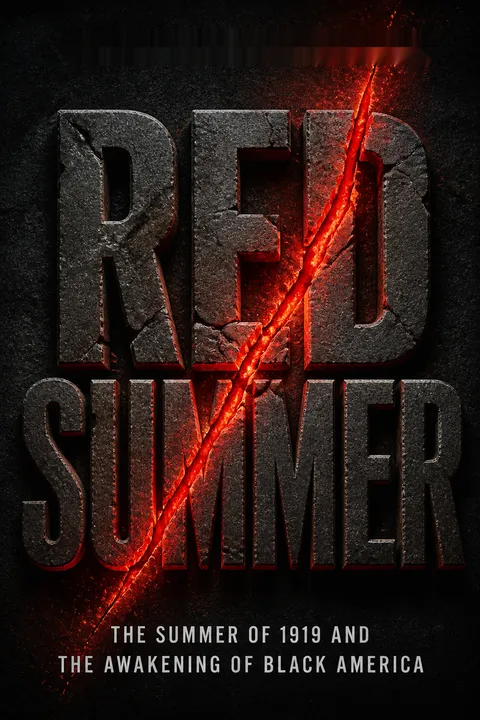
Red Summer by Cameron McWhirter chronicles the devastating racial violence across America in 1919, when white mobs attacked Black communities through lynchings and riots from Chicago to Arkansas. Reviewers praise the meticulously researched, well-written account of how returning WWI Black veterans fought back against oppression, marking a pivotal awakening in Black resistance. The book details President Wilson's complicity through inaction, the NAACP's growth, and the federal government's false claims of communist influence. Readers found it harrowing yet essential, criticizing how this history remains absent from school curricula while noting its relevance to contemporary racial tensions.
People Also Read

Download PDF
Download EPUB
.epub digital book format is ideal for reading ebooks on phones, tablets, and e-readers.








































