
Plot Summary
Storms in a New World
Rain arrives with her brother Jake and partners Graham, Warren, and Ezra in the Fae Realm—an alternate version of Earth locked in brutal magical war. The landscape is harsh and beautiful, marked by endless winter, mountains, dragons, and an alien orange sky. The group struggles with both unfamiliar local customs (from manure-burning hearths to streams doubling as toilets) and heavy emotional baggage: Graham's trauma at returning, Jake's resentment toward Warren, and the foreboding sense that their unity will soon be tested. Still, Rain clings to hope. Love, friendship, and a sliver of warmth seem like their only armor against the coming storm.
The Battle Plan Debate
At Iliantha's castle, the assembled warriors—immortals, vampires, witches, necromancers, monarchs, gods-in-disguise—argue fiercely about their battle strategy. The core question: Are Rain and her friends ready for the front lines, or are they liabilities? Power and loyalty are challenged. The elders emphasize experience but the younger newcomers demand agency. Amid juicy clan dynamics and dark humor, the group's fate as a single fighting unit is affirmed—both out of obligation and a grudging trust that their bonds might become the key to keeping everyone alive.
Reunion and Rivalries
The journey north brings surprising reunions, especially for Graham. He meets his childhood friend Amara—now a hard-edged colonel—but her arrival fans embers of jealousy in Rain, and of old grievances between Graham and Jake. As they prepare for war, sideshow spats like who deserves Graham's loyalty and whether Rain is "soft" for being cheerful in a battlefield world escalate. These rivalries threaten to break the team's unity before the real fight even starts.
Riding Dragons North
The group mounts dragons for their first real mission, flying over endless cold and memories. Rain is giddy; Warren battles airsickness. But the journey is more than literal. Conversations dig into the undercurrents of blame, guilt, and PTSD, especially between Graham, Warren, and Jake. The Fae world's beauty—and its pain—becomes both promise and warning of what awaits when fighting begins. Each character is forced to face their readiness and the scars that come with survival.
Bonds and Bitter History
At camp, Rain and her partners navigate jealousy, comfort, and affection in the cramped warmth of their tent, while outside, Graham reconnects with Amara and Jake, recounting lost years and replaying the mistakes that brought them together—and nearly tore them apart. The night is full of laughter and longing, but every story is shadowed by betrayals and the differing ways each character deals with grief, accountability, and growing up. The need for connection wars with the inescapable weight of old wounds.
Rule of Suffering
Laila (the goddess in disguise) and Rain bond while scouting for a safe campsite, dissecting how people use suffering as social currency within Fae and human cultures. Amara resents Rain for her brightness, seeing it as naivety. Laila points out that all forms of pain are real—that comparison is toxic, and learning to honor each other's scars may be the hardest lesson of all. This chapter challenges who gets to lead, who gets protected, and who gets to decide whose struggle matters in a world haunted by war.
Jealousy, Lovers, and Survival
Before the first real battle, Rain, Warren, and Ezra find comfort in loving, sensual affirmation—directly contrasted with the emotional violence swirling through their camp and friendships. Humor, vulnerability, and sexual openness draw them together, helping them reclaim agency and self-worth even as outside conflicts brew. Meanwhile, Graham and Amara reminisce, and questions of loyalty and jealousy overflow, highlighting the fluid, rebellious family they've built in a world that wants to break them.
Night Fires, Old Friends
The group gathers around the campfire telling stories—some nostalgic, some sad, some shameful. Jake reflects on guilt and feeling alienated by the new family dynamic. Polyamory, found family, and inclusion are discussed in raw detail. But as the group seeks comfort, the tension with Jake remains unresolved—echoing long-standing patterns of mistrust and longing for a place to belong.
Ambush in the Dark
Night explodes in chaos: magical blinding light, confusion, and an onslaught by monstrous soul-eaters called the air an tagadh. Rain, Warren, Graham, and Ezra are separated, forced to fight in supernatural darkness. Powers and bonds are pushed to their limit. Familiarity offers little shelter from terror, and the first real taste of war's violence leaves blood, wounds, and loss. The cost of unity is etched in trauma and the need to save—not just themselves—but each other.
Rescue or Ruin
Amid spell-cast carnage and battlefield triage, the group is splintered: Rain and Ezra are abducted to an enemy lair/cannibal cave, forced to fight for their lives and sanity. Warren and Graham, wracked by guilt, fight to save their partners. The team must heal magical and physical wounds, raise the dead, and regroup—while reckoning with the horror of what the enemy does to captives. The cracks in every relationship widen under this pressure.
Separated by Shadows
In captivity, Rain and Ezra face grotesque proof of the enemy's savagery—and Rain discovers that her cool head and training are enough to rescue herself and others. Warren and Graham, battered by fear and shame, must face their own failures: to forgive each other, to let go of control, and to trust those they love. Each character learns that survival in this world means accepting both their power and their pain, and letting others help without surrendering agency.
Counting the Cost
Bloodied and battered, the group copes with the trauma of battle—and the guilt of those not rescued. Old feuds ignite between Warren and Graham. Rain and Graham must redefine partnership—not as protection, but as mutual respect. The stark reality of this war solidifies: there are no innocent enemies left, and sometimes the only way to heal is to accept help and draw new boundaries.
Rage, Regrets, and Forgiveness
After the battle, with relationships strained and secrets surfacing, Warren and Graham finally face and reconcile their conflict over blame and control. Rain asserts her real voice, transforming jealousy and insecurity into understanding and power. The rhythm of the group shifts, old wounds are lanced, and the cost of survival is revealed to be the humility and forgiveness necessary to keep loving in a war zone.
Unmasking the Enemy
Piecing together the enemy's rituals and disturbing evidence, the group discovers that the air an tagadh wield forbidden magics dating back to the origin myth of their world—the "worm in the wood." They track this power to a mysterious Elvan queen, Caeda. Old loves, alliances, and regrets complicate new missions. As they seek knowledge, the team faces a convoluted history of betrayal, trauma, and the intoxicating nature of unchecked power.
The Worm in the Wood
The queen of Makora tests the group with hallucinogenic trials in a deadly maze designed to split them apart. Each must prove merit—not just strength, but self-knowledge and compassion—in a shifting labyrinth full of riddles and dangers. Rain is forced to kill to survive, to claim agency, and to stake her value in the face of deep-seated sexism and doubt. The true threat—the "worm in the wood"—is revealed to be both literal and metaphoric: a magical corruption that eats at the roots of their world, echoing the broader war against generational pain.
Secrets, History, and Queens
Rain and the others finally earn Caeda's reluctant respect after surviving the maze, even as political alliances and sexual mores clash. Brief rest follows—marred by nightmares and the fraught confession of old traumas. The queens of the land, each with schisms and grudges, collaborate out of necessity to end the soul-eater menace once and for all. The team learns that overcoming war's despair is possible only through confronting history, sharing vulnerability, and upending the old rules.
Maze of Illusions
In kaleidoscopic, drug-induced trials, Rain and her friends are split up, forced to defend themselves, each confronting illusions based on their deepest shames and fears. Acts of heroism and self-sufficiency—especially from Rain—force doubters (and herself) to recognize her power. Triumph in the maze comes not just from spells, but from forging and defending their sense of self, even when no one else believes in it.
Trials and Transformations
The maze trials lead to necessary apologies, social healing, and finally the forging of new trust between Rain and her rivals. As the group reconvenes, each person is transformed—not just by the magic, but by confronting their own biases and old patterns. Forgiveness blooms, and so does the recognition that healing doesn't erase scars—it makes community possible.
Nightmares and Empathy
Safe at last, Rain confronts old nightmares of abuse and powerlessness, sharing vulnerabilities with Laila. Both women realize their deepest pain comes not from war or torture, but from lost agency in love gone wrong. Empathy and solidarity between women—stronger than any magic—prove their real defense against the darkness, offering comfort and hope without erasing the reality of past pain.
Confessions and Conclusions
As the war's first phase ends in a cathartic, magical slaughter of the soul-eaters (with help from allies aquatic and immortal), the group finally celebrates—dancing, loving, and grieving together. Jake confesses his long-hidden, unrequited love for Graham, choosing exile for self-healing. Rain acknowledges both her own growth and her refusal to shrink for anyone else's comfort. Forgiveness, promise, and the right to be "weird" become their shield for whatever comes next.
Analysis
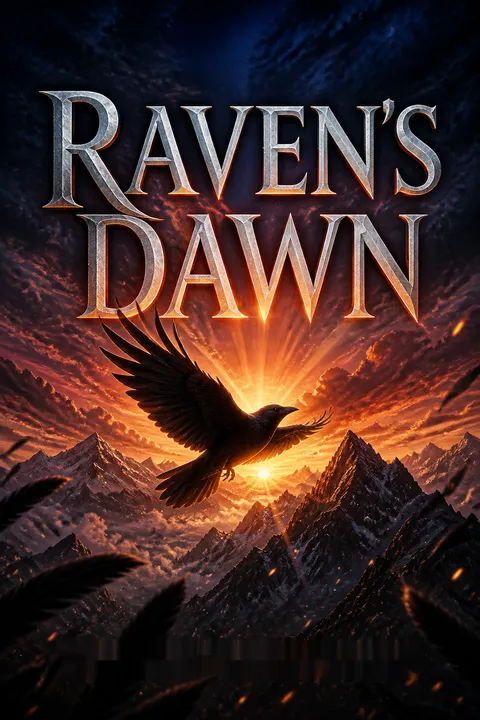
"Raven's Dawn" as Radical Fantasy for the Wounded and Chosen:Charlie Nottingham's "Raven's Dawn," at its heart, is a fantasy saga about healing—interpersonally, intergenerationally, and across worlds. Survival, it argues, is not about erasing scars, but about forging community so resilient that it can hold grief and joy at once. Every magical trial, every drawn blade or spell, is a metaphor for the work of trust: confronting trauma, negotiating boundaries, owning one's mistakes, and refusing to let others define your suffering. The unconventional romantic structure—polyamory, queer love, setting relationship boundaries—becomes the counter-myth to chosen-hero destiny. Agency here is messy, requires apology, and is grounded in ongoing negotiation rather than final victory. Magic, history, and even immortality are valuable only because they allow the found family to make new rules, devise new loyalties, and rewrite the old wounds that the "worm in the wood"—pain carried through generations—would have us mistake for destiny. The key lesson: True power derives from compassion, vulnerability, and the stubborn, unglamorous work of loving boldly, even after trust is broken and scars remain. This is what keeps the dawn breaking, even on battered worlds.
People Also Read
Characters
Rain Carter
Rain is the glue—and sometimes the spark—holding the found-family together. Traumatized by a history of abuse, loss, and poverty, she nevertheless clings to hope, humor, and resolute compassion. Her bonds with three partners (Graham, Warren, Ezra) are as much about survival as desire. Plagued by doubts—sometimes treated as too "soft" for battle, too naive by rivals and lovers—she confronts every test with stubborn self-assertion. Through trial, mistakes, jealousy, and even magical battles, Rain evolves into a leader: refusing to be infantilized, demanding respect, and learning that her real power is not just magic, but the hard-won knowledge that kindness and strength are not opposites.
Graham Wynson
Raised in war, scarred by exile, Graham is both Rain's protector and the most traumatized in the group. His elemental magic is a mirror for his emotional turbulence—capable of violence, yearning desperately for peace. Loyalty defines him, but he struggles to forgive past betrayals (especially with Jake and Warren). Graham is both anchor and Achilles' heel for Rain, torn between the burdens of the past and the hope of chosen family. His struggle: to balance the older "big brother" dynamic with seeing Rain and others as equals, and to let himself accept, rather than always provide, protection and love.
Warren Copperfield
The brooding vampire and necromancer, Warren's hundred-year lifespan is riddled with guilt: for supernatural crimes, for betrayals, for failing to save those he loves. His love for Rain and Ezra is his lifeline, but his struggle to adapt to a world where he is no longer in control exposes a deep fragility. Prone to anger and self-recrimination, Warren slowly learns humility—accepting both the limits and the gifts of his power. His journey is defined by learning to redirect rage, recognize the value of teamwork, and exchanging old detachment for full-hearted community.
Ezra Smith
Once an ordinary doctor, now a vampire (and partner to Warren), Ezra is gentle, rational, and fascinated by the limits of the mind. He brings science, curiosity, and compassion to situations charged with violence and hatred. Underneath, Ezra battles his own trauma, but unlike others, he leans into logic, seeking to understand the world through reason while trusting Rain's leadership. In battle, he learns to detach—not from emotion, but from the wounds of the past. He is the first to forgive, smallest to judge, and bravest in challenging entrenched roles in love and war.
Jake Carter
Coming back from a decade in magical exile, Jake is a teenager in a grown man's body—resentful, ashamed, desperate to reclaim authority and belonging. His inability to accept Rain's polyamory, or to forgive Warren, is rooted in his own hidden longing. Ultimately, Jake confesses both his love for Graham and his sense of displacement, choosing to leave to heal and grow up. His journey is both a cautionary tale and an act of self-forgiveness.
Laila/Véa
Disguised as an ordinary fighter, Laila is in fact Véa, the creator-goddess—more wise than any, yet committed to lifting others' voices and pain. Her casual demeanor hides scars from eons of war, betrayal, and grief. She holds herself responsible for the suffering of her people, but her real gift is empathy—offering comfort and hard truths, breaking cycles of envy and violence, and mentoring Rain as both friend and mother figure.
Amara
Once Graham's childhood friend turned Fae colonel, Amara's open hostility to Rain and others is rooted in her belief that only those who have "suffered enough" deserve respect. After Rain saves her life in the maze, Amara offers a grudging apology and peace, learning—if only briefly—that competition in pain is the enemy of true solidarity.
Caeda
Eccentric, brilliant, and deeply wounded, the Elvan queen Caeda rules with cunning and a streak of madness born from loss and seeing her world destroyed. Her initial contempt for the newcomers (especially Rain) is a defense against disappointment and betrayal. Deliberately provokes her guests with psychological—and magical—trials to ensure only the strongest, most self-aware, can be considered true allies. Her story asks: who deserves power, and at what cost?
Luci
King of Hell, sometimes trickster, Luci is both guide and provocateur—teaching Rain the intricacies of magic, pushing everyone's boundaries, and exposing both personal and historical illusions. As old as Véa, he sees the world's cycles as cautionary parables, and his pragmatic wisdom is a bridge between ancient trauma and new hope.
Jeremy/Nix
Laila's partner and once-co-ruler, Jeremy/Nix is an immortal protector still suffering from mythic family betrayals. He struggles with the burden of power and the inadequacy of perfect solutions, teaching the hard lesson that leadership is not about infallibility, but about showing up, forgiving oneself, and building a family—chosen or biological—worth living for.
Plot Devices
Parallel Worlds and Magical Realism
The story moves fluidly between realities, blending well-worn fantasy tropes (dragons, witches) with contemporary romance, trauma, and healing. The Fae Realm is a reflection of Earth's pain and potential—magnified, remixed, and connected by threads of magical and emotional resonance. The world's rules are learned in tandem with the reader, making Rain (and her skepticism or warmth) the lens by which all magic is humanized.
Polyphony and Rotating POV
The story is told through multiple viewpoints—Rain, Graham, Warren, Ezra, and at times Jake, Laila, or others. This polyphonic structure mirrors teamwork's strengths and strains; each battle, each heartbreak, is both an individual and a collective experience. Key conflicts are replayed through shifting lenses, inviting readers to see how love, anger, and trauma do not line up neatly within one family or one truth.
Interpersonal Conflicts as Mirror of War
The external war against soul-eaters, angels, and monsters is continually paralleled (and influenced) by emotional struggles: jealousy, guilt, rivalry, power imbalances, and the painstaking negotiation of relationships. This device blurs the line between enemy and ally—especially as the final battle's magical "cage" requires perfect unity, while real unity is only forged through vulnerability and apology.
Magical Trial as Metaphor
The drug-induced maze trial is both literal and symbolic: an ordeal designed to strip away illusions about self, power, and others. Each character faces a version of their worst fear—not in battle, but in being misjudged, dismissed, or forgotten. Survival in the maze marks a transformation that is explicitly personal; power is reclaimed not from enemies, but from shame and self-doubt.
Repetition and Reflection
Cyclical confrontations—Rain and Jake, Graham and Warren, Rain and Amara—model the slow, non-linear path of growth and repair in relationships. Dreams (especially nightmares of past abuse) serve as haunting recurrences; ultimately, only direct confrontation and empathy can break the loop.
Dialogue-Driven Exposition and Meta-Commentary
The story's lore, politics, and issues (from matriarchy to magical ethics to trauma recovery) are revealed chiefly through debate and conversation—not narration. Characters meta-comment on idioms, customs, and even the genre's own tropes (polyamory, gods as parents), inviting the reader to question every assumption along with Rain and her partners.
Found Family as Salvation
At every turn, the narrative insists that familial and romantic love—no matter how "weird," fluid, or hard-won—is the only real shield. Apologies and forgiveness, not spells, are the ultimate weapons against both war and the pain of living.
Download PDF
Download EPUB
.epub digital book format is ideal for reading ebooks on phones, tablets, and e-readers.








































