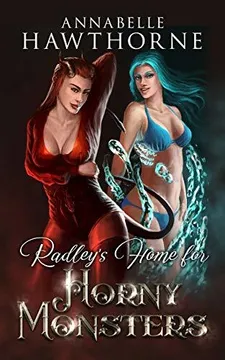

Plot Summary
Inheritance and Arrival
Michael Radley, a drifting web designer with a traumatic past, arrives at the sprawling Victorian home left to him by his great-aunt Emily. The house is imposing, filled with covered furniture and the echoes of a reclusive life. Beth, the estate's representative, gives Mike a tour, hinting at the home's oddities and the possibility of selling it. Mike, haunted by memories of poverty and his abusive mother, feels both overwhelmed and strangely drawn to the place. The house is more than bricks and wood; it's a puzzle, a chance for roots, and a promise of secrets waiting to be uncovered. As night falls, Mike's sense of isolation is pierced by the first hints of the supernatural, setting the stage for a journey that will test his sanity and his heart.
The House's Hidden Heart
Alone in the house, Mike tries to settle in, but the emptiness is oppressive. Seeking comfort, he draws a bath in the enormous claw-foot tub. As he relaxes, his fantasies blur with reality, and a beautiful, blue-haired woman materializes from the water. She is Naia, a nymph bound to the house's spring, sustained by sexual energy and magic. Their encounter is both erotic and bewildering, leaving Mike questioning his sanity. Naia explains the magical pact now binding them, sharing a piece of her soul with him and granting him subtle powers. The house, she warns, is a sanctuary for monsters and magic, and Mike is now its caretaker. The boundaries between reality and myth dissolve, and Mike's new life begins with a literal plunge into the unknown.
The Nymph in the Bath
Naia reveals the house's true nature: it is a haven for magical beings, each with their own needs and secrets. She and Mike are now linked, their souls intertwined, and she depends on him for survival. Their bond is both sexual and spiritual, offering Mike healing from his past traumas and a sense of belonging he's never known. Naia's magic soothes his anxieties, and she becomes his guide to the house's mysteries. Yet, she is also trapped—unable to leave her spring or the bathroom. She hints at deeper secrets, a geas that clouds her memory, and warns that the house's true purpose is hidden even from her. Mike's role as caretaker is not just about stewardship, but about unlocking the house's—and his own—potential.
Bonds of Magic and Flesh
As Mike explores, he discovers the house is home to more than just Naia. He meets Tink, a clever but feral goblin living beneath the garage, who challenges him according to goblin law. Their fight ends in an unexpected sexual bond, making Tink his "goblin wife." The house's rules are shaped by the needs and customs of its magical inhabitants, and Mike must navigate their desires and quirks. Each new relationship—whether with Naia, Tink, or the spectral banshee Cecilia—forces Mike to confront his own fears, boundaries, and capacity for acceptance. The house becomes a microcosm of found family, where love, sex, and loyalty are the currency of survival.
Goblin Law, Goblin Wife
Tink's challenge is not just physical but cultural. Goblin law dictates that the loser of a fight for home must leave, but Mike's compassion leads him to accept her as a wife instead. Their bond is sealed through sex, but also through mutual respect and care. Tink's skills as a fixer and her childlike loyalty make her indispensable, and Mike learns to appreciate her unique beauty and intelligence. Their relationship is playful, raw, and healing for them both. Through Tink, Mike discovers that the house's monsters are not threats, but vulnerable beings seeking safety and connection. The boundaries between human and monster, master and companion, blur in the warmth of shared purpose.
Monsters in the Walls
As Mike settles in, the house's other inhabitants begin to stir. Cecilia, the banshee, haunts the porch swing, her presence both a warning and a comfort. Abella, a gargoyle, is freed from the grip of the Mandragora, a carnivorous plant in the greenhouse. Each monster has a story, a trauma, and a role in the house's ecosystem. The house itself is a labyrinth of hidden rooms, magical artifacts, and secret histories. Mike's efforts to repair and maintain the home become acts of care for its residents, but also draw the attention of outside forces. The monsters are not just relics of the past—they are family, and their survival depends on Mike's willingness to embrace the impossible.
The Banshee's Warning
Cecilia, the banshee, is both a harbinger of doom and a lonely soul. Her wails are not omens of death, but expressions of longing and loss. Through patience and kindness, Mike befriends her, learning that banshees once guided families to the afterlife. Cecilia's presence is a reminder of mortality, but also of the possibility of redemption and connection. Their relationship deepens into intimacy, and Mike's acceptance of her—despite her chilling nature—cements his role as a true caretaker. Cecilia's warnings about the house's dangers and the outside world become crucial as threats gather on the horizon.
Stone Guardian Awakes
Abella, the house's stone guardian, is awakened from magical slumber by Mike's compassion and the restoration of the Mandragora's spring. She is fierce, protective, and secretly enamored with humanity. Her strength is both a shield and a burden, and she reveals the house's history as a sanctuary for monsters hunted by the outside world. Abella's bond with Mike is forged through mutual rescue and desire, and she becomes both protector and lover. Her presence is a bulwark against external threats, but also a reminder that even the strongest need care and understanding.
The Society's Shadow
The Historical Preservation Society, led by the enigmatic Elizabeth and her daughter Sarah, seeks to acquire the house for its magical secrets. Their offers are laced with manipulation and hidden agendas, and their true nature is revealed through magical attacks and infiltration. The Society's interest in the house is not preservation, but exploitation. Their intrusion escalates from legal pressure to magical warfare, sending fire elementals and, eventually, a succubus assassin. The house's geas protects its secrets, but Mike must outwit and outfight enemies who will stop at nothing to claim its power.
The Greenhouse and the Gargoyle
The greenhouse is a world unto itself, a magical jungle ruled by the Mandragora and haunted by the memories of past caretakers. Mike's journey into the greenhouse is both a rescue mission and a rite of passage. He confronts the dangers of the Mandragora, the hunger of the house's magic, and the legacy of Emily's mistakes. Abella's rescue and the restoration of the spring symbolize the healing of old wounds and the forging of new alliances. The greenhouse is both a place of danger and a crucible for transformation, where Mike proves his worth as caretaker.
Fire and Intruders
The Society's attacks escalate, sending a fire elemental to assassinate Mike. The house's magical defenses and the teamwork of its residents are put to the test. Tink's ingenuity, Abella's strength, Naia's magic, and Cecilia's wails combine to defeat the threat, but not without cost. The battle reveals the vulnerability of the house and the lengths to which its enemies will go. Mike's leadership and quick thinking save the day, but the sense of safety is shattered. The monsters are no longer just hiding—they are fighting for their home.
The Doll's Possession
A seemingly innocuous porcelain doll, Jenny, becomes the vessel for a vengeful ghost. When Beth, the estate agent, is possessed, the house is thrown into chaos. Jenny's power is rooted in old injustices and the pain of being forgotten. The solution is not violence, but empathy and cunning: Mike and his allies orchestrate a magical "little death," using pleasure and magical feedback to force Jenny out and restore Beth. The episode reveals the house's capacity for both horror and healing, and the importance of compassion in dealing with even the most dangerous spirits.
The Vault's Secrets
The house's basement contains the Vault, a magical armory of cursed objects and dangerous artifacts. Tink reveals its secrets to Mike, and together they secure Jenny's doll and other threats. The Vault is a symbol of the house's dual nature: a place of safety, but also a prison for things too dangerous for the world. The responsibility of stewardship weighs heavily on Mike, who must balance curiosity with caution. The Vault's existence is a reminder that the house's magic is both a blessing and a burden, and that every caretaker must face the consequences of the past.
Dreamscapes and Demons
The Society's most insidious attack comes in the form of Lily, a succubus who invades Mike's dreams. Trapped in a surreal Dreamscape, Mike must fight not just for his life, but for his soul. The battle is psychological as much as magical, forcing Mike to confront his deepest fears, desires, and traumas. The Dreamscape is a reflection of his mind, shaped by his will and his wounds. With Naia's help, Mike learns to master the logic of dreams, turning the tables on Lily and reclaiming agency over his own story. The victory is hard-won, and the scars are real.
The Succubus' Challenge
Lily, bound by demonic law, challenges Mike to a contest: whoever reaches three orgasms first wins the other's soul. The battle is both erotic and existential, testing Mike's resolve, creativity, and self-knowledge. With Naia's intervention and the power of their soul-bond, Mike turns the succubus' own magic against her, trapping her in a watery prison of his own making. The victory is not just survival, but liberation: Mike frees Lily from her curse, choosing mercy over vengeance. The house becomes a place of redemption, where even demons can find a second chance.
Witch in the Jungle
Sarah, the Society's most dangerous agent, infiltrates the house and pursues Mike into the magical jungle of the greenhouse. Their confrontation is brutal, blending violence, magic, and the primal power of the Mandragora. In a desperate gambit, Mike lures Sarah into the plant's embrace, sacrificing himself to save the others. The Mandragora's magic is both deadly and merciful, sparing Mike in recognition of his kindness. The battle is a crucible, burning away the last vestiges of doubt and forging Mike into a true caretaker, willing to risk everything for his found family.
Mandragora's Embrace
Trapped and exhausted, Mike faces death in the Mandragora's lair. But a memory of kindness—Emily's words to the plant—saves him. The Mandragora, recognizing a friend, nourishes rather than devours him. The experience is transformative, a moment of grace that affirms the power of empathy and the importance of caring for even the most monstrous. Mike's survival is not just luck, but the result of a lifetime of learning to see the humanity in others, no matter how strange or dangerous. The house's magic responds to love, not fear.
Home Among Monsters
Reunited with his companions, Mike returns home, battered but triumphant. The house is scarred but standing, its monsters safe and its secrets secure. The Society is defeated, for now, but the threat remains. Mike's journey from lost soul to caretaker is complete: he has found love, purpose, and belonging among the monsters. The house is no longer a haunted inheritance, but a living, breathing home. Together, they face the future—not as outcasts, but as a family, ready to defend their sanctuary against whatever darkness comes next.
Analysis
Radley's Home for Horny Monsters is, at its core, a story about the transformative power of acceptance, vulnerability, and found family. Beneath its erotic surface lies a meditation on trauma, healing, and the search for belonging. The house is both a literal and metaphorical sanctuary, a place where monsters—both magical and human—can find safety, love, and redemption. The narrative subverts the traditional horror trope of the haunted house, turning it into a haven for the outcast and misunderstood. Mike's journey from damaged loner to caretaker is a testament to the resilience of the human spirit and the necessity of connection. The book's use of erotic magic is not just for pleasure, but as a means of forging bonds, healing wounds, and confronting the darkness within and without. The threats from the Society, the succubus, and the haunted doll are not just external dangers, but reflections of the characters' internal struggles. Ultimately, the story argues that true power lies not in domination or secrecy, but in compassion, trust, and the willingness to embrace the monstrous in ourselves and others. The lesson is clear: home is not a place, but the people—and monsters—with whom we choose to share our hearts.
People Also Read

Characters
Mike Radley
Mike is a man shaped by trauma: poverty, an abusive mother, and a lifetime of instability. His inheritance of the house is both a curse and a chance at redemption. Psychologically, Mike is anxious, self-doubting, and haunted by shame, especially around sexuality. Yet, he is also compassionate, adaptable, and fiercely loyal. His relationships with the house's monsters—Naia, Tink, Cecilia, Abella—heal his wounds and reveal his capacity for love and leadership. Mike's journey is one of self-acceptance, learning to trust, and embracing the magic within and around him. He becomes the heart of the house, a bridge between worlds, and a champion for the misunderstood.
Naia
Naia is the spirit of the house's spring, a water nymph sustained by sexual energy and bound by ancient magic. She is playful, wise, and deeply empathetic, using her magic to heal Mike's traumas and guide him through the house's mysteries. Her bond with Mike is both erotic and spiritual, granting him powers and anchoring him to the house. Naia's own limitations—her inability to leave the spring, her fragmented memories—mirror Mike's struggles, and their relationship is one of mutual healing. She is the house's heart, a symbol of the transformative power of love and pleasure.
Tink
Tink is a goblin with a sharp mind, a fierce spirit, and a childlike need for acceptance. Her initial challenge to Mike is a test of both strength and compassion, and their bond is sealed through goblin law and mutual respect. Tink's skills as a mechanic and her playful, mischievous nature make her both comic relief and a vital member of the household. Psychologically, she is shaped by rejection and injury, but finds healing in Mike's acceptance. Tink embodies the theme of found family, proving that even the most unconventional bonds can be the strongest.
Cecilia
Cecilia is a banshee, once a guide for her Irish family, now a spectral presence on the house's porch. Her wails are expressions of grief and longing, not doom. She is both feared and misunderstood, but Mike's kindness draws her out of isolation. Their relationship evolves from wary coexistence to deep intimacy, with Cecilia revealing her vulnerability and desire for love. Psychologically, she represents the fear of mortality and the need for closure. Cecilia's arc is one of transformation, from death's herald to cherished companion.
Abella
Abella is a gargoyle, fierce and protective, yet secretly enamored with humanity. She is the house's sentinel, bound by duty but longing for connection. Her rescue by Mike and subsequent bond with him reveal her softer side and her desire to be seen as more than a weapon. Abella's strength is both literal and metaphorical, and her loyalty is unwavering. Psychologically, she struggles with isolation and the burden of responsibility, but finds solace in the house's community. Abella is a symbol of the power and vulnerability of those who protect others.
Beth
Beth is the estate agent responsible for Mike's inheritance, and the first "normal" person to interact with the house's magic. She is competent, attractive, and drawn to the house's mysteries. Her possession by Jenny, the ghost in the doll, is both a violation and a catalyst for her own awakening. Beth's arc is one of curiosity, desire, and eventual acceptance of the supernatural. She represents the possibility of integrating the magical and mundane, and her relationship with Mike hints at the house's power to change even those on the outside.
Elizabeth
Elizabeth is the leader of the Historical Preservation Society, a group that seeks to exploit the house's magic for their own gain. She is cold, calculating, and relentless, using both legal and magical means to achieve her goals. Her relationship with her daughter Sarah is fraught with ambition and rivalry. Psychologically, Elizabeth embodies the dangers of unchecked power and the dehumanization of the "other." She is a formidable foe, but ultimately limited by her inability to understand the house's true magic: love and acceptance.
Sarah
Sarah is Elizabeth's daughter and the Society's most dangerous agent. She is skilled in magic, ruthless in pursuit of her goals, and ultimately undone by her own arrogance. Her confrontation with Mike in the jungle is both a battle of wills and a tragic fall, as she is consumed by the very magic she sought to control. Psychologically, Sarah is driven by a need for approval and power, but is ultimately isolated and destroyed by her inability to see others as more than tools.
Lily
Lily is a succubus sent by the Society to claim Mike's soul. She is seductive, cunning, and bound by demonic law. Her battle with Mike in the Dreamscape is both a contest of pleasure and a struggle for freedom. Lily's own history of enslavement and longing for autonomy mirrors the house's themes of captivity and liberation. Ultimately, Mike's mercy and Naia's compassion free her, allowing her to choose her own path. Lily is a symbol of the possibility of redemption, even for those shaped by darkness.
Jenny
Jenny is the spirit trapped in the porcelain doll, a victim of injustice and neglect. Her possession of Beth and attempts to escape the house are driven by pain and a desperate need for recognition. Jenny's arc is one of rage, but also of healing, as Mike and the others find a way to soothe her through empathy and magical intervention. She represents the dangers of forgotten wounds and the need to confront the past with compassion.
Plot Devices
Magical Inheritance and Geas
The narrative is structured around the inheritance of a magical house, protected by a geas—a spell that both shields and obscures its secrets. The geas serves as both a plot device and a metaphor for trauma: it hides painful truths, but also demands that they be faced. The house's magic is activated by the presence and actions of its caretaker, and its rooms, artifacts, and inhabitants are revealed as Mike earns their trust. The inheritance is not just property, but responsibility, and the geas ensures that only those worthy can unlock the house's true potential.
Erotic Magic and Soul Bonds
The story uses erotic encounters not just for titillation, but as mechanisms of magic, healing, and character development. The Nymph's Blessing, goblin law, and banshee's wail are all tied to acts of intimacy, which serve to bind characters together, heal old wounds, and unlock new abilities. The soul bond between Mike and Naia is both a source of power and a vulnerability, shaping the narrative's emotional and magical stakes. Sex is not just pleasure, but a language of trust, transformation, and survival.
Found Family and Monster Sanctuary
The house is a sanctuary for monsters, each with their own traumas and needs. The narrative structure is episodic, with each chapter introducing a new inhabitant or threat, and Mike's journey is one of building a found family. The monsters are not just obstacles, but companions, each contributing to the house's defense and to Mike's growth. The theme of found family is reinforced by the house's magic, which responds to acts of care and acceptance.
External Threats and Magical Warfare
The Historical Preservation Society serves as the primary external antagonist, using both mundane and magical means to infiltrate and claim the house. Their attacks escalate from legal pressure to magical assassination, forcing Mike and his allies to defend their home through ingenuity, teamwork, and the harnessing of the house's magic. The narrative uses foreshadowing (the doll, the greenhouse, the Vault) and escalating threats to build tension and test the bonds of the found family.
Dream Logic and Psychological Battles
The Dreamscape sequence is a narrative within a narrative, using dream logic to explore Mike's psyche, traumas, and desires. The battle with Lily the succubus is both literal and metaphorical, forcing Mike to master his own mind and rewrite the rules of his reality. The Dreamscape is a space where trauma is confronted, magic is redefined, and victory is achieved through self-knowledge and compassion. The use of dreams as both threat and healing is a recurring motif, tying together the story's themes of memory, identity, and transformation.
Download PDF
Download EPUB
.epub digital book format is ideal for reading ebooks on phones, tablets, and e-readers.








































