
Plot Summary
Snowball Wars and Family Bonds
Mike Radley's home is alive with laughter as his supernatural family—goblins, cat-girls, nymphs, and more—engage in a raucous snowball fight. The playful chaos is more than just fun; it's a symbol of the found family Mike has built, each member with their quirks and wounds. Beneath the surface, there's a sense of healing and togetherness, especially for those like Yuki, who struggles with her past. The snowball fight is interrupted by the arrival of Holly, a North Pole elf, who brings news of a crisis at Santa's Workshop. The warmth of the household is contrasted with the cold outside, foreshadowing the coming challenges that will test their bonds and the meaning of family.
Naughty Visitors, Frozen Time
Holly's arrival is dramatic—she crashes Santa's sleigh into Mike's living room, shattering the mundane with the extraordinary. She reveals that Santa is missing, the North Pole is in chaos, and the world is caught in a magical time-lock, freezing all humans in a single moment. Only magical beings and those near the sleigh are unaffected. The household is split: some must stay to guard the sleigh, while Mike, Yuki, Tink, and Kisa agree to help Holly. The stakes are high—if Santa isn't found, Christmas itself may unravel. The chapter pulses with urgency, but also with the humor and irreverence that define Mike's world.
Elves, Sleds, and Secrets
The team travels to the North Pole, discovering a place both wondrous and eerie—abandoned workshops, magical elevators, and a furnace that powers the entire operation. Tink's mechanical genius is needed to fix the furnace, but the real threat is deeper: elves have been corrupted by "naughty sickness," and a sinister force is at work. The group's camaraderie is tested as they navigate magical traps, sexual mishaps, and the strange rules of elf society. Holly's innocence is both a shield and a vulnerability, and the North Pole's secrets begin to unravel, hinting at ancient bargains and hidden dangers.
North Pole in Peril
The North Pole is under siege from within and without. Jack Frost, once an ally, is now an agent of chaos, and the Krampus—Santa's dark counterpart—has returned, corrupting elves and reindeer alike. The magical furnace is a labyrinth, and the team is separated, each facing their own trials. Kisa and Tink brave the shifting vents, while Mike and Yuki are hunted by Christmas spirits gone rogue. The sense of peril is palpable, but so is the resilience of the characters, who draw strength from each other and their shared mission.
Into the Infinite Furnace
Mike and Yuki are plunged into the infinite, ever-changing furnace, pursued by the Ghosts of Christmas Past, Present, and Future. Each spirit is twisted, corrupted by the Krampus's influence, and determined to break their will. The furnace becomes a psychological battleground, forcing Mike and Yuki to confront their deepest regrets and traumas. The narrative is surreal and dreamlike, blending memory, magic, and emotion. The only way forward is through, and the characters' growth is hard-won, forged in the fires of self-acceptance and forgiveness.
Spirits of Christmas Past
The Ghost of Christmas Past drags Mike and Yuki through their most painful memories—childhood traumas, lost loves, and moments of failure. For Mike, it's the loss of his parents and the scars left by his mother's decline. For Yuki, it's centuries of loneliness, betrayal, and the pain of outliving everyone she's loved. The spirit's power is to force them to relive, but also to see with new eyes. The chapter is raw and emotional, but ultimately redemptive: both characters find the strength to forgive themselves and each other, breaking the spirit's hold.
Ghosts, Grudges, and Revelations
As the team regroups, they piece together the true history of the North Pole. Santa is not just a jolly old man—he is the fusion of a human soul and an ancient, eldritch guardian. The Krampus is not merely an enemy, but Santa's own shadow, born of the world's cynicism and greed. The spirits of Christmas are revealed as fractured aspects of a greater whole, and the rules of the magical game are laid bare. The chapter is a tapestry of lore, tying together myth, memory, and the personal stakes of each character.
Naughty Sickness Unleashed
The Krampus's influence spreads, turning elves into mindless drones and reindeer into monsters. Naughty sickness is more than a joke—it's a magical contagion that amplifies desire and chaos. The team is tested not just by external threats, but by their own temptations and flaws. Sexual energy, usually a source of strength and connection, becomes a double-edged sword. The chapter is both erotic and unsettling, exploring the boundaries between pleasure and peril, and the necessity of self-control.
The Krampus Ascends
The Krampus seizes control of the North Pole, using corrupted magic to steal Christmas from the world. He kidnaps children, empowers the giants Grýla and Leppalúði, and unleashes an army of snow monsters. The stakes are existential: if the Krampus wins, belief in Christmas—and the magic that sustains it—will die. The heroes are scattered, wounded, and outnumbered. The narrative tightens, the sense of dread mounting as the final confrontation approaches.
Divinity, Desire, and Sacrifice
Freyja, goddess of love and war, is reborn through Mike's intervention, her soul mended by the power of connection and desire. Yuki, facing her own mortality, sacrifices centuries of her life to ascend, channeling divinity to save her friends. The boundaries between mortal and divine blur, and the cost of victory becomes clear. The chapter is a crescendo of magic, sex, and sacrifice, as the characters give everything for each other and the world.
The Battle for Belief
The North Pole becomes a battlefield as the heroes, elves, and spirits fight the Krampus, Grýla, and their monstrous legions. The battle is not just physical, but spiritual—a struggle for belief, hope, and the right to define what Christmas means. Holly, once an innocent elf, steps into her power, and the household's bonds are tested to the breaking point. The narrative is epic, but grounded in the personal stakes of each character.
The Heart of Christmas
In the aftermath of battle, the true heart of Christmas is revealed—not gifts or rituals, but the power of forgiveness, self-acceptance, and chosen family. Santa is restored, but steps aside, allowing Holly to become the new guardian of the North Pole. The Krampus is defeated not by violence, but by compassion and belief. The world is saved, but changed, and the characters are left to pick up the pieces and build something new.
Aftermath and New Beginnings
The North Pole is in ruins, but the elves—led by Holly—begin the work of rebuilding. The household returns home, changed by their experiences. Old wounds are healed, new relationships blossom, and the future is uncertain but hopeful. The chapter is a quiet epilogue, full of warmth, humor, and the small moments that make life worth living.
The Goddess in the Home
Mike discovers that Naia, the nymph who first drew him into the magical world, is more than she seems—she is the vessel for Hestia, goddess of the hearth. The house itself is alive, a guardian spirit hiding in plain sight. The revelation is both comforting and unsettling, raising new questions about destiny, agency, and the nature of home. The chapter is intimate and philosophical, a meditation on the meaning of belonging.
Impossible Things Before Breakfast
Yuki, on the brink of death, finds strength in the impossible—her love for Mike, her faith in herself, and the belief that miracles can happen. The narrative is lyrical and dreamlike, blending memory, magic, and the wisdom of fairy tales. Yuki's transformation is both literal and symbolic, a testament to the power of hope in the face of despair.
The Gift of Forgiveness
Kisa, the cat-girl, finds closure for her lost childhood, visiting the grave of the man who tried to adopt her. The act of forgiveness—of herself, of others, of the world—is a recurring theme, echoed in the journeys of Holly, Lily, and even Santa. The chapter is bittersweet, but ultimately uplifting, a reminder that healing is possible, even after the deepest wounds.
Hearth, Family, and Hope
The story ends where it began: at home, with family. The house has grown, the family has changed, but the heart remains the same. The final scenes are full of laughter, love, and the promise of new adventures. The magic of Christmas is not in the miracles, but in the everyday acts of kindness, courage, and connection that bind the characters together. The story closes with the hatching of Velvet's egg—a symbol of new life, new hope, and the endless possibilities of tomorrow.
Analysis
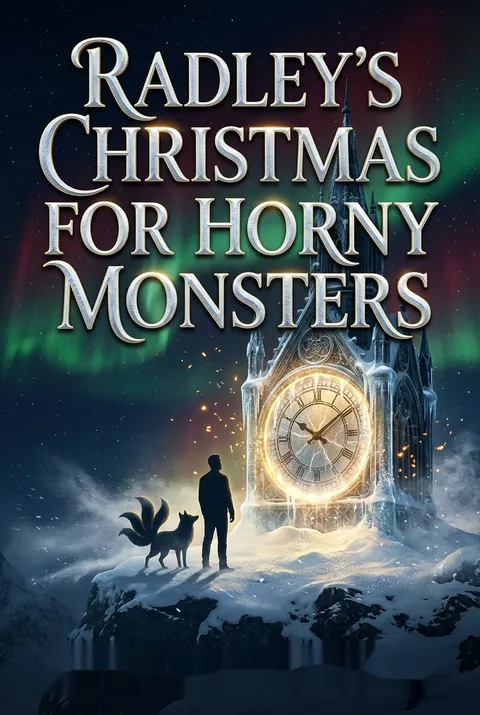
Radley's Christmas for Horny Monsters is a wild, irreverent, and deeply heartfelt reimagining of the Christmas mythos, blending erotic fantasy, cosmic horror, and found-family warmth. At its core, the book is about the power of belief—not just in Santa or magic, but in oneself, in forgiveness, and in the possibility of healing after trauma. The narrative is driven by dualities: every character is both wounded and whole, every act of magic is both a risk and a gift. The story refuses easy answers, embracing the messiness of desire, the necessity of confronting one's own darkness, and the redemptive power of connection. The plot devices—time-locks, magical games, erotic power—are not just gimmicks, but metaphors for the psychological and spiritual journeys of the characters. The ultimate lesson is that miracles are not the work of gods or magic, but of ordinary people choosing to love, forgive, and hope in the face of despair. The book is both a celebration and a subversion of holiday tropes, reminding us that the true heart of Christmas is not in gifts or rituals, but in the courage to believe in impossible things—and in each other.
Characters
Mike Radley
Mike is the everyman thrust into the role of Caretaker for a house full of supernatural beings. His journey is one of self-acceptance, learning to wield magic rooted in intimacy and connection. Mike's greatest strength is his empathy—he heals others not just with power, but with understanding and forgiveness. His relationships are complex, ranging from playful to deeply vulnerable, and he is haunted by past traumas and the fear of failing those he loves. Over the course of the story, Mike grows from a passive survivor to an active leader, willing to sacrifice for his found family and the greater good. His magic is both a gift and a burden, reflecting his struggle to balance desire, responsibility, and the need for belonging.
Yuki
Yuki is a kitsune with centuries of pain and loss behind her. Once a goddess of winter, she has been broken by betrayal and isolation, but finds new purpose and healing in Mike's household. Her journey is one of reclaiming agency, learning to believe in herself, and embracing love after loss. Yuki's magic is tied to her emotions—ice and earth, cold and warmth—and her transformation into a five-tailed fox is both a literal and metaphorical rebirth. She is fiercely loyal, protective, and willing to sacrifice everything for those she loves, even at great personal cost.
Holly
Holly begins as a naïve, rule-bound elf from the North Pole, but her experiences with Mike and the others awaken her to the complexities of the world and herself. She is both vulnerable and brave, struggling with the weight of expectation and the desire for freedom. Holly's arc is one of self-discovery—she learns to make her own choices, to forgive, and ultimately to lead. By the end, she becomes the new guardian of the North Pole, a symbol of hope and the power of belief. Her relationship with Mike is both sweet and transformative, marking her transition from innocence to agency.
Lily
Lily is a demon bound by the need to feed on the wicked, but her time with Mike's family softens her edges. She is irreverent, sharp-tongued, and often the comic relief, but beneath the bravado is a deep well of pain and longing. Lily's journey is about learning to accept love, to forgive herself, and to find meaning beyond survival. Her relationship with Mike is complicated—part lust, part genuine affection—and she is fiercely protective of her new family. Her arc is one of redemption, as she learns that strength can coexist with vulnerability.
Tink
Tink is the mechanical genius of the household, a goblin whose love language is building, fixing, and breaking things. She is brash, fearless, and often inappropriate, but her loyalty to Mike and the others is unwavering. Tink's humor masks a deep need for acceptance, and her relationship with Kisa is a source of both comedy and genuine warmth. She is the first to volunteer for danger, the last to back down, and her mechanical skills are often the key to survival.
Kisa
Kisa is a cat-girl with a mysterious past, her memories stolen by a cursed collar. Her journey is one of self-discovery, as she searches for her true name, her family, and her place in the world. Kisa is both playful and fierce, her loyalty to Mike and Tink unshakeable. Her arc is about finding closure, forgiving herself, and choosing her own future. She is a survivor, shaped by trauma but not defined by it.
Freyja / Jack Frost
Freyja is the Norse goddess of love, war, and magic, shattered by ancient trauma and hidden for centuries as Jack Frost. Her soul is fractured, her power diminished, and her identity in flux. Through Mike's intervention, she is reborn—whole, but changed. Freyja's arc is about integration, reclaiming lost parts of herself, and choosing to fight for the world rather than hide from it. She is both fierce and compassionate, a reminder that divinity is as much about love as it is about power.
Santa Claus / The Krampus
Santa is not just a jolly old man—he is the fusion of a human soul and an ancient guardian, shaped by the world's belief. The Krampus is his shadow, born of cynicism, greed, and the world's darker impulses. Their struggle is the heart of the story: the battle between hope and despair, forgiveness and vengeance. Santa's arc is about accepting his own darkness, seeking redemption, and passing the torch to a new generation. The Krampus is both villain and victim, a cautionary tale about the cost of denying one's own shadow.
Mrs. Claus
Mrs. Claus is more than Santa's wife—she is the soul of the North Pole, the keeper of tradition, and the quiet force that holds everything together. Her arc is about sacrifice, resilience, and the power of quiet leadership. She is both mother and mentor, guiding Holly and the others through crisis. Her disappearance is a turning point, and her return marks the restoration of hope.
Death
Death is both comic relief and philosophical anchor—a literal grim reaper with a child's curiosity and a growing sense of empathy. His journey is about learning the value of life, the pain of loss, and the joy of connection. Death's friendship with Lily and the others humanizes him, and his role in the final battle is both poignant and hilarious. He is a reminder that even the inevitable can change.
Plot Devices
Magical Time-Lock
The time-lock is a device that both isolates the crisis and raises the stakes. By freezing the world, the story creates a liminal space where only the magical and the chosen can act. It heightens the sense of urgency, allows for epic battles without mundane interference, and symbolizes the fragility of belief—if Christmas is not restored, time itself may never move forward.
Duality and Shadow Selves
The narrative is structured around dualities: hope and despair, love and war, creation and destruction. Santa and the Krampus are two sides of the same being, as are Freyja and Jack Frost. This device allows the story to explore the necessity of integrating one's shadow, the dangers of repression, and the possibility of redemption. The characters' struggles with their own darkness mirror the larger battle for the soul of Christmas.
Erotic Magic as Power and Peril
Magic in this world is deeply tied to intimacy, desire, and connection. Sex is not just pleasure, but a source of power, healing, and transformation. However, it is also dangerous—naughty sickness, magical feedback loops, and the risk of losing oneself to desire are ever-present. This device allows the story to explore themes of consent, vulnerability, and the boundaries between pleasure and peril.
The Great Game and the Architect
The story is set within a larger magical game, with rules, players, and guardians. The Architect's creations—houses, the North Pole, the cabin—are both sanctuaries and prisons, built from the bodies of gods. The game's rules are both a source of tension and a narrative engine, driving the characters to find creative solutions, exploit loopholes, and question the nature of destiny and agency.
Spirits of Christmas
The three spirits are both literal antagonists and metaphors for the characters' journeys. Each forces the heroes to confront their past traumas, present desires, and future fears. The spirits' corruption by the Krampus raises the stakes, turning what should be a redemptive journey into a battle for survival and self-acceptance. The device allows for deep character exploration and thematic resonance.
Foreshadowing and Prophecy
The narrative is laced with foreshadowing—visions, prophecies, and the knowledge that today's victory may only delay tomorrow's crisis. The story is aware of its own cycles: belief creates reality, but reality can undermine belief. The ending hints at new threats, new gods, and the endless struggle to protect what matters.

Download PDF
Download EPUB
.epub digital book format is ideal for reading ebooks on phones, tablets, and e-readers.








































