
Plot Summary
Escape and Opportunity
Emily, battered by years of emotional abuse and isolation, finally escapes her controlling boyfriend with the help of her Uncle Gary. Desperate for a new start, she scours the help-wanted ads and stumbles upon a live-in cook position at a remote Catholic parish. The job promises room, board, and a chance to rebuild her life. Despite her lack of religious background and culinary credentials, Emily's hope outweighs her skepticism. She calls, is hired on the spot, and sets out for the countryside, determined to leave her trauma behind. The journey is both literal and emotional—a leap into the unknown, tinged with fear, hunger, and the fragile optimism that maybe, just maybe, she can find peace and purpose in a place far from the ghosts of her past.
Parish of Unlikely Desires
At St. Mary's, Father Robert and Father Laurent tend the parish and its garden, their camaraderie laced with humor and unspoken tension. Robert, haunted by a rough upbringing and a strict sense of duty, struggles with forbidden desires—both for Laurent and for the peace he's never known. Laurent, charismatic and irreverent, masks his own longing beneath jokes and easy charm. Their partnership is close, almost too close, and the arrival of a new cook is a welcome distraction from the monotony and the temptations that simmer beneath their vows. The parish, isolated and lush, becomes a crucible for desires neither priest dares name, setting the stage for the collision of faith, friendship, and longing.
Arrival and Temptation
Emily arrives at the parish, greeted by the warm and pragmatic Gail, who assures her that authenticity is valued over piety. The kitchen becomes Emily's sanctuary, a place of possibility and healing. But meeting Robert and Laurent—both impossibly attractive, both priests—throws her off balance. Their presence is magnetic, stirring feelings she thought she'd buried. The trio's awkward introductions are charged with unspoken curiosity and mutual appraisal. Emily senses she's entered a world where the rules are different, where her own desires might not be as out of place as she fears. The parish, with its rolling fields and quiet routines, is anything but dull.
Dreams and Forbidden Longing
Alone in her new room, Emily's subconscious conjures a vivid, erotic dream: Robert and Laurent, in their priestly collars, seduce her in the sanctuary, their words and touches blurring the sacred and profane. The dream is surreal—Laurent's cock becomes a cucumber, Robert's touch is both commanding and tender. Emily wakes, aroused and ashamed, questioning her sanity and her ability to coexist with such temptation. The dream exposes her hunger for intimacy and her fear of crossing lines, setting the tone for the strange, charged days to come. The kitchen, the garden, and the priests themselves become objects of both comfort and craving.
Sunday Sermons and Secrets
Sunday brings the parish's rhythms into focus. Robert delivers a sermon, his words resonant but his mind elsewhere—on Laurent, on Emily, on the desires he cannot confess. Laurent, ever the performer, watches Robert with a mix of admiration and yearning. The congregation, mostly elderly women, gossip and flirt, oblivious to the undercurrents between their young priests. After the service, a mysterious old woman delivers a cryptic warning about the Harvest Moon and hidden truths. The encounter unsettles both priests, hinting at supernatural forces at play. The parish, already a place of secrets, now feels charged with something otherworldly.
The Harvest Moon's Curse
That night, unable to sleep, Robert seeks solace in the garden and a bottle of communion wine. Laurent joins him, their banter masking deeper confessions. Under the orange glow of the Harvest Moon, their camaraderie teeters on the edge of something more. They joke, reminisce, and skirt around their mutual attraction. As the night deepens, the air thickens with magic and vulnerability. The old woman's warning echoes in their minds, but neither expects what comes next: a transformation that will upend everything they know about themselves, their desires, and their faith.
Transformation in the Garden
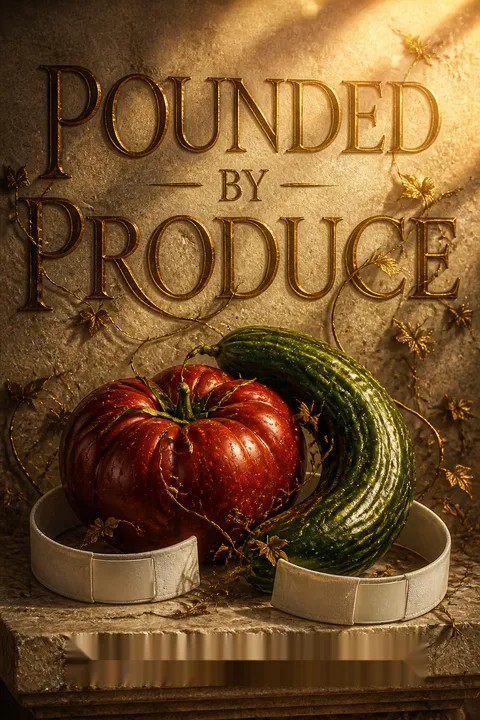
Morning brings a surreal horror: Robert and Laurent awaken in the garden, transformed into a tomato and a cucumber. They are conscious, unable to move or speak, but fully aware as Emily, oblivious to their true identities, harvests them for the kitchen. The experience is both terrifying and erotic—Emily feels an inexplicable attraction to the produce, while the priests, trapped in their new forms, are helpless to resist her touch. The transformation is a physical manifestation of their suppressed desires and the supernatural forces at work. The boundaries between body, soul, and longing dissolve in this bizarre new reality.
Midnight Confessions
Alone in her room, Emily succumbs to her pent-up need, using the cucumber and tomato in an act of self-pleasure that is both liberating and bewildering. Unbeknownst to her, she is intimately engaging with the priests themselves, who experience every sensation from within their vegetable bodies. The act is a catharsis for Emily, a reclaiming of her sexuality after years of repression. For Robert and Laurent, it is both torment and ecstasy—a fulfillment of their deepest, most forbidden fantasies, and a helpless surrender to Emily's power. The trio's fates are now inextricably entwined.
Produce and Pleasure
The spell breaks, and Robert and Laurent return to their human forms, waking in Emily's bed. The three are shocked, embarrassed, and aroused, each struggling to process what has happened. Accusations and confessions fly—did they dream it, or was it real? Emily admits to her actions, and the priests, far from angry, are fascinated and conflicted. The supernatural event forces them to confront their desires and the impossibility of returning to the old boundaries. The parish is no longer a place of simple routines; it is a crucible for transformation, both magical and emotional.
Awakenings and Accusations
The trio attempts to return to normalcy, but the tension is palpable. Robert, wracked with guilt and longing, tries to distance himself, while Laurent is more open to exploring the new dynamic. Emily, caught between shame and desire, seeks answers. The transformations recur, always triggered by the three being together and one denying their feelings. The parish becomes a pressure cooker of suppressed love, jealousy, and yearning. Each character is forced to reckon with what they truly want—and what they are willing to risk to have it.
Confessions and Consequences
The trio's secret is exposed in the most public way: Gail, the parish administrator, walks in on them in the throes of passion. The fallout is immediate and severe—Robert and Laurent are summoned by their bishop, stripped of their priesthood, and left to contemplate their futures. The loss of their roles is both devastating and liberating, forcing them to confront who they are without the safety of their vows. Emily, too, must decide whether to stay, leave, or fight for the unconventional love that has blossomed among them.
The Witch's Warning
In the aftermath, Emily encounters the mysterious old woman in the woods. The woman reveals herself as a messenger of the cosmos, explaining that the transformations are a test: the three are destined for each other, but can only be free if they all admit their love. The curse is not punishment, but a catalyst for honesty and union. The message is clear—only by embracing their true feelings can they break the cycle and claim the happiness that has been denied them by fear, shame, and tradition.
Boundaries and Breaking Points
The trio grapples with the witch's message. Robert, torn between guilt and longing, prepares to leave for a monastery, believing he is unworthy of love. Laurent, heartbroken but resolute, confesses his love for both Robert and Emily, refusing to settle for less than the truth. Emily, emboldened by the revelation, confronts both men, demanding honesty and vulnerability. The three stand at a crossroads, each forced to choose between safety and the risk of radical, transformative love.
Love, Loss, and Leaving
Robert's departure looms, and the trio is fractured. Each retreats into solitude, wrestling with regret, longing, and the fear of unrequited love. The pain of separation is acute, but it also clarifies what truly matters. Emily, refusing to accept a life of half-measures, seeks out the old woman for guidance. The answer is simple but daunting: only a full, mutual confession of love can break the curse and allow them to be together as their true selves.
The Messenger Returns
The old woman appears one last time, urging Emily to act. She explains that the curse will persist until all three admit their love, but if they part ways, the transformations will cease—at the cost of their happiness. The choice is stark: embrace the risk of unconventional love, or return to lives of quiet desperation. The message is both a blessing and a challenge, pushing the trio to the brink of self-knowledge and courage.
Truths in the Night
On the eve of Robert's departure, fate intervenes. All three are drawn to Emily's room, where the curse transforms the priests once more. Emily, holding the tomato and cucumber, pours out her heart, confessing her love for both men. The spell breaks, and the three are restored to their human forms. In a rush of relief and joy, Robert and Laurent finally admit their love for each other and for Emily. The barriers between them dissolve, replaced by a sense of wholeness and belonging.
Threefold Confession
Freed from the curse, the trio consummates their love in a night of passion and tenderness. Each finds fulfillment not just in physical pleasure, but in the acceptance and celebration of their true selves. The love they share is not a compromise, but a multiplication—a union that is greater than the sum of its parts. The parish, once a place of repression and secrecy, becomes the birthplace of a new kind of family.
Fruits of the Soul
Months later, the trio has left the parish behind and started a new life on a remote farm, growing tomatoes and cucumbers—a playful nod to their past. Their love, once forbidden and fraught, is now open, joyful, and deeply rooted. They have found not just each other, but themselves, transformed by the courage to love without shame. The story ends not with a return to normalcy, but with the creation of a new normal—one where love, in all its forms, is the greatest miracle of all.
Analysis
A subversive, healing, and deeply queer fairy tale"Pounded by Produce" is a wild, irreverent, and surprisingly tender exploration of trauma, desire, and the search for belonging. Beneath its absurd premise—priests turning into vegetables and being used for pleasure—it offers a nuanced meditation on the costs of repression and the courage required to claim joy in a world that punishes difference. The story's magical realism literalizes the struggle to reconcile faith, sexuality, and self-acceptance, using humor and eroticism to disarm shame and invite healing. The trio's journey is not just about sex, but about the radical act of loving without apology—of creating family and faith on their own terms. The book's lesson is clear: true transformation requires honesty, vulnerability, and the willingness to embrace the weird, wild abundance of life. In a world that often demands conformity, "Pounded by Produce" is a celebration of the fruits that grow when we dare to love as we are.
Review Summary
Pounded by Produce has garnered a 3.48/5 rating across 3,441 reviews, with readers expressing amused surprise at its quality. Many praise the balance between humor and romance, highlighting genuine character development and an entertaining MMF dynamic. Reviewers frequently note laughing out loud while also finding the story unexpectedly tender. Common criticisms include grammatical errors, a rushed ending, insufficient research into Catholicism, and inconsistent word choices. Despite its absurd premise of priests transforming into vegetables, most readers found it a charming, if unserious, palate cleanser.
People Also Read

Characters
Emily
Emily is the emotional heart of the story—a woman scarred by years of emotional abuse, yet resilient and hopeful. Her journey is one of reclamation: she flees her past, seeking not just safety but a sense of purpose and self-worth. Emily's humor and vulnerability make her relatable, while her sexual awakening is both a reclaiming of agency and a challenge to the boundaries imposed by others. Her relationships with Robert and Laurent are transformative, allowing her to experience love that is both healing and liberating. Emily's arc is about learning to trust herself, to demand honesty, and to embrace the unconventional love that the universe offers her.
Father Robert
Robert is a man of deep conviction and deeper conflict. Raised in hardship, he seeks solace and structure in the priesthood, but his devotion is constantly tested by forbidden desires—for Laurent, for Emily, for a life beyond duty. Robert's struggle is both spiritual and psychological: he fears his own capacity for harm, believing himself unworthy of love. His journey is one of surrender—first to the supernatural, then to his own heart. Robert's love is fierce, protective, and ultimately redemptive, but only when he learns to accept his own vulnerability and the possibility of happiness outside the strictures of faith.
Father Laurent
Laurent is the story's catalyst—a priest who wears irreverence as armor, but whose longing for love and belonging runs deep. Born into privilege, he chooses the priesthood not out of faith, but out of a desire for purpose and, ultimately, for Robert. Laurent's humor and sensuality mask a profound loneliness. His willingness to embrace the supernatural and the unconventional makes him both a foil and a complement to Robert. Laurent's arc is about claiming his desires without shame, fighting for the love he deserves, and helping to forge a new kind of family where all parts of himself are welcome.
Gail
Gail, the parish administrator, is a grounding presence—wise, warm, and unflappable. She offers Emily a chance at a new life and provides a model of acceptance that transcends dogma. Gail's role is to facilitate, not judge; she sees more than she lets on and ultimately supports the trio's happiness, even when it defies convention. Her presence underscores the story's theme that true faith is about compassion and understanding, not rigid adherence to rules.
The Old Woman / Witch / Messenger
The mysterious old woman is the supernatural engine of the plot—a messenger from the universe who delivers cryptic warnings and, ultimately, the key to breaking the curse. She represents the forces of fate, nature, and transformation, pushing the characters to confront their true desires. Her riddles and interventions are both tests and gifts, challenging the trio to embrace honesty, vulnerability, and love in all its forms.
Darrell
Darrell, Emily's ex-boyfriend, is never present but looms large as the embodiment of her trauma. His control and cruelty are the forces Emily must escape and overcome. Darrell's absence is as important as his presence—he is the ghost that haunts Emily's choices, making her eventual liberation all the more powerful.
Uncle Gary
Uncle Gary is Emily's unlikely savior—a rough-edged but loving family member who helps her break free from Darrell. His intervention is the first act of kindness that sets Emily on her path to healing. Gary's role is brief but crucial, representing the possibility of family as support rather than harm.
Bishop Archibald
The bishop is the institutional face of the Church, enforcing rules and meting out punishment. His presence forces Robert and Laurent to confront the cost of their desires and the limits of institutional forgiveness. Archibald's rigidity is a foil to the trio's eventual embrace of a more expansive, compassionate love.
The Congregation
The parishioners, mostly elderly women, serve as both comic relief and a reminder of the pressures to conform. Their gossip, flirtation, and obliviousness highlight the gap between public appearance and private truth. They are the backdrop against which the trio's drama unfolds.
The Parish / Garden
The parish and its lush garden are more than a backdrop—they are living symbols of growth, temptation, and renewal. The garden is the site of both labor and magic, a place where boundaries blur and new possibilities take root. The setting mirrors the characters' internal journeys, offering both sanctuary and challenge.
Plot Devices
Magical Realism and Transformation
The central plot device is the magical transformation of Robert and Laurent into a tomato and a cucumber whenever the three are together and one denies their feelings. This literalizes the metaphor of forbidden desire—turning repression into helpless, embodied vulnerability. The transformations are triggered by emotional states, not logic, forcing the characters to confront what they truly want. The curse is both punishment and opportunity, a supernatural intervention that pushes the trio toward honesty and union. The old woman's riddles and the Harvest Moon's magic provide foreshadowing and structure, while the recurring motif of produce ties the story's eroticism to themes of nature, growth, and abundance.
Confession and Duality
The narrative structure alternates between perspectives, allowing readers to inhabit each character's inner world. Confession—both literal (in the booth) and figurative (in dreams, in bed, in confrontation)—is a recurring device, highlighting the tension between what is said and what is felt. The story uses the confessional both as a site of shame and as a crucible for transformation, where secrets become catalysts for change. The duality of sacred and profane, priest and lover, human and vegetable, is explored through shifting forms and shifting power dynamics.
Foreshadowing and Symbolism
The story is rich in foreshadowing: the Harvest Moon, the old woman's warnings, the recurring presence of produce, and the garden's cycles all hint at the transformations to come. The tomato and cucumber are not just comic or erotic props—they symbolize the characters' hidden selves, their longing to be seen and loved as they are. The garden, with its promise of growth and renewal, mirrors the characters' journeys from repression to flourishing.
Download PDF
Download EPUB
.epub digital book format is ideal for reading ebooks on phones, tablets, and e-readers.








































