
Plot Summary
Shattered Engagement, Shaky Instincts
Wren's life in Bury St. Edmunds is upended when she witnesses a charged, silent moment between her fiancé, Scott, and his coworker, Nadine. The unease gnaws at her, and her instincts scream that something is wrong. When Scott confesses his emotional connection to Nadine, Wren's future dissolves—her wedding, her dreams, her sense of self. The pain is raw, the betrayal deep, and the small town suddenly feels suffocating. Her mother urges her to escape, to let her heart heal elsewhere. Wren, lost and aching, decides to visit her estranged father in Indiana, seeking distance from the ruins of her relationship and the ghosts of her parents' own failed marriage. The journey is both a flight from pain and a search for belonging.
Across the Atlantic Divide
Arriving in Indiana, Wren is greeted by her father, Ralph, and stepmother, Sheryl, on their newly acquired farm. The landscape is vast, the air heavy with summer, and the family dynamics are fraught with old wounds. Wren's relationship with her father is distant, shaped by years of separation and the shadow of his affair with Sheryl. Her half-sister, Bailey, is vibrant and newly married, embodying the life Wren has just lost. The farm is both a refuge and a reminder of what's missing. As Wren navigates the awkwardness of being an outsider in her own family, she is forced to confront the pain of abandonment and the longing for connection that has defined her life.
Sisterhood and Small Town Nights
Bailey sweeps Wren into the rhythms of small-town life, dragging her to the local bar, Dirk's, for a night of music, laughter, and too many drinks. The sisters, once divided by age and circumstance, find common ground in their shared vulnerability and humor. Bailey's exuberance is infectious, and for the first time since her breakup, Wren feels a flicker of joy. The night is filled with new faces, including the enigmatic Fredrickson brothers, Jonas and Anders, whose presence stirs something unexpected in Wren. The evening ends with Wren wandering through firefly-lit fields, a sense of freedom mingling with the ache of loss.
Fireflies, Fields, and First Encounters
Wren's midnight walk leads to a collision—literally—with Anders Fredrickson, who nearly crashes his motorbike at her sudden appearance in the cornfields. Their banter is sharp, their chemistry immediate, but both are guarded. Anders is home from Indianapolis, his visit shrouded in family tension. The encounter is electric yet unresolved, leaving Wren both unsettled and curious. The night's magic lingers, but so does the sense of being adrift. Wren's journey through the fields becomes a metaphor for her search for direction, and Anders, with his own burdens, is a signpost she can't yet read.
Storm Shelter Secrets
A sudden tornado warning throws Wren, her family, and the Fredricksons together in a storm shelter. The claustrophobic space is thick with unspoken histories and simmering emotions. Jonas is brooding, Anders is tense, and their parents are fraught with worry. Wren observes the family's fractures and feels her own sense of displacement. Amid the chaos, she and Anders share moments of humor and vulnerability, their connection deepening in the darkness. The storm outside mirrors the turmoil within, and when it passes, nothing feels quite the same. The shelter becomes a crucible, forging new bonds and exposing old scars.
Family Tensions and Farm Life
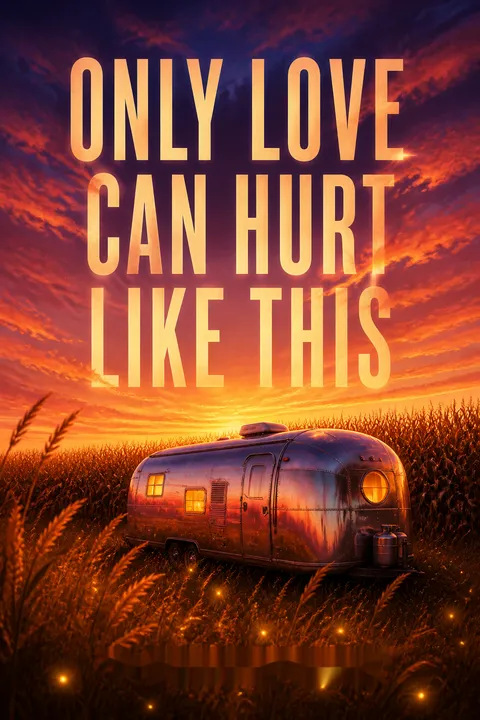
In the aftermath of the storm, Wren immerses herself in farm life, helping with chores and exploring the property. She discovers an old Airstream trailer, a symbol of possibility and escape. Her relationship with her father remains strained, shaped by years of neglect and the presence of Sheryl and Bailey. Wren's longing for acceptance is palpable, and her efforts to fit in are met with mixed results. The Fredricksons' struggles echo her own—Jonas is weighed down by depression and family expectations, while Anders is a fleeting presence, always on the verge of leaving. The farm is both a haven and a battleground.
Airstream Dreams and Old Wounds
Wren throws herself into renovating the Airstream, finding solace in the tangible work and the creative process. The project becomes a metaphor for her own restoration, a way to reclaim agency and hope. As she uncovers layers of decay and history, she also unearths family photo albums and memories of her parents' fractured love. Conversations with Bailey grow deeper, revealing mutual insecurities and the desire for sisterly closeness. Wren's interactions with Anders become more frequent, their flirtation tinged with sadness and longing. The Airstream, once forgotten, becomes a vessel for new beginnings.
Rebuilding Bonds, Testing Limits
Wren and Bailey's relationship transforms as they confront the past and share their fears. Bailey confides her own doubts about marriage and belonging, while Wren admits to feeling like an outsider. Their honesty paves the way for genuine connection, and Wren begins to see herself not as a victim of circumstance but as an active participant in her own life. The sisters support each other through family dramas, work frustrations, and romantic entanglements. Wren's growing attraction to Anders is complicated by his emotional distance and the secrets he keeps. The limits of loyalty, forgiveness, and self-love are tested.
New Roots, Old Patterns
As the summer deepens, Wren contemplates staying in Indiana longer, drawn by the sense of purpose she finds on the farm and the tentative roots she's putting down. Her work as an architect becomes remote, freeing her from the constraints of her old life. The Airstream project flourishes, and her bond with Anders intensifies, though he remains elusive. Jonas's struggles with depression and the weight of family legacy come to the fore, mirroring Wren's own battles with self-worth. The patterns of the past—abandonment, longing, and the search for belonging—recur, but Wren is determined to break free.
Tornadoes, Tractors, and Tenderness
A second storm—this time emotional—hits as Jonas's mental health deteriorates and Anders is called home to help. Wren becomes a confidante and support, her empathy bridging the gap between the brothers. The farm's rhythms—harvest, repairs, community events—provide a backdrop for moments of tenderness and vulnerability. Wren and Anders share stolen glances, late-night conversations, and the slow burn of mutual desire. The threat of loss, both literal and figurative, hangs over them, forcing each to confront what they truly want. The tractor rides and shared labor become acts of intimacy, grounding them in the present.
The Weight of the Past
Wren senses that Anders is holding something back, a secret that casts a shadow over their growing closeness. Their connection is undeniable, but Anders's reluctance to fully engage leaves Wren feeling insecure and confused. The past—her failed engagement, her parents' divorce, Anders's mysterious grief—looms large. When Wren finally learns the truth about Anders's wife, Laurie, her world is rocked once again. The revelation is devastating: Laurie is alive but in a permanent vegetative state, and Anders is still married, trapped by duty and guilt. The weight of the past threatens to crush any hope for the future.
Jonas's Struggles, Anders's Distance
Jonas's depression reaches a crisis point, and the family rallies to support him. Wren's compassion and insight help Jonas begin to heal, but Anders grows more distant, consumed by his responsibilities to Laurie and her parents. The farm becomes a place of both healing and heartache, as Wren and Anders dance around their feelings, unable to fully commit or let go. The tension is palpable, and Wren is forced to confront the reality that love alone may not be enough to overcome the barriers between them. The pain of unfulfilled longing is acute, and the future feels uncertain.
Unspoken Longings
Wren and Anders's relationship is defined by what remains unsaid—their longing, their fear, their hope. Moments of intimacy are interrupted by guilt and the specter of Laurie. Wren's decision to leave Indiana looms, and both are haunted by the possibility of what could have been. The Airstream, now nearly restored, stands as a testament to dreams deferred and the courage to start anew. As Wren prepares to say goodbye, she and Anders share a day of stolen happiness, allowing themselves to imagine a different life. But reality intrudes, and the day ends with heartbreak and separation.
Confessions and Crossroads
Back in England, Wren tries to rebuild her life, reconnecting with old friends and finding closure with Scott. Anders, meanwhile, is consumed by grief and guilt, unable to move forward or let go of the past. The pain of their separation is mirrored in the struggles of those around them—Bailey's search for fulfillment, Jonas's tentative steps toward happiness, and the Fredrickson parents' decision to finally let go of the farm. Letters, phone calls, and missed connections underscore the difficulty of true communication. Both Wren and Anders stand at a crossroads, forced to choose between safety and the risk of love.
The Truth About Laurie
The full truth of Laurie's condition and Anders's marriage comes to light, shattering Wren's illusions and forcing both to confront the impossibility of their situation. Laurie's parents, Kelly and Brian, play a pivotal role, their own grief and need for closure shaping Anders's choices. The ethical and emotional complexities of love, duty, and letting go are laid bare. Wren's compassion for Laurie and her family deepens, even as her own heart breaks. The revelation becomes a catalyst for change, prompting difficult conversations and the possibility of forgiveness.
Breaking Points and Goodbyes
Wren and Anders reach their breaking point, each believing that walking away is the only way to protect the other. The pain of separation is excruciating, but it is also an act of love—a recognition that sometimes caring means letting go. Both are forced to reckon with their own needs, desires, and the limits of sacrifice. The farm, once a place of hope, becomes a landscape of loss. Yet even in the midst of heartbreak, seeds of healing are planted. The possibility of reconciliation lingers, fragile but real.
The Fight for Love
Encouraged by family and friends, Anders finds the strength to fight for Wren, traveling across the ocean to find her. Wren, too, realizes that love requires risk and the willingness to be seen, flaws and all. Their reunion is tentative, marked by apologies, forgiveness, and the promise of a future built on honesty and mutual support. The obstacles remain—Laurie's passing, the complexities of blended families, the scars of old wounds—but Wren and Anders choose each other, again and again. Their love is hard-won, forged in pain and tempered by hope.
Healing, Hope, and Homecoming
Wren and Anders create a life together, blending their histories, families, and dreams. The farm becomes a place of celebration and renewal, hosting weddings, births, and new beginnings. The Airstream, once a symbol of escape, is now a vessel for adventure and homecoming. Wren's relationships with her father, Sheryl, and Bailey are transformed, marked by understanding and acceptance. Anders, freed from the weight of guilt, embraces the future with Wren by his side. Their story is one of resilience, the power of love to heal, and the courage to choose happiness, even when it hurts.
Analysis
Only Love Can Hurt Like This is a masterful exploration of love's capacity to both wound and heal, set against the evocative landscapes of rural Indiana and the English countryside. Paige Toon crafts a narrative that is as much about family, identity, and the search for belonging as it is about romantic love. The novel's emotional power lies in its refusal to offer easy answers; instead, it delves into the messy, often contradictory realities of grief, loyalty, and desire. Through Wren and Anders, Toon examines the ways in which the past shapes the present, and how true healing requires both honesty and vulnerability. The restoration of the Airstream, the cycles of the farm, and the storms that batter both land and heart serve as potent metaphors for the characters' journeys. Ultimately, the novel is a testament to resilience—the ability to rebuild after devastation, to choose hope in the face of despair, and to embrace love, even when it hurts. Its message is clear: happiness is not the absence of pain, but the willingness to risk, to forgive, and to begin again.
Review Summary
Only Love Can Hurt Like This receives mostly positive reviews (3.96/5), with readers praising Paige Toon's emotional storytelling about Wren, who travels to Indiana after heartbreak, and Anders, who lost his wife. Fans appreciate the slow-burn romance, complex family dynamics, and exploration of grief and healing. Many found the story riveting and tear-inducing, with well-developed characters. However, critics cite flat writing, predictable plot, lack of chemistry, and a controversial moral dilemma involving a shocking secret. Some felt disconnected from characters or found pacing slow. Cultural inaccuracies and repetitive dialogue also drew criticism from several readers.
People Also Read









Characters
Wren Elmont
Wren is an English architect whose life is upended by betrayal and loss. Her journey is one of self-discovery, as she navigates the aftermath of her broken engagement and the complexities of her fractured family. Wren's longing for connection is both her vulnerability and her strength. She is introspective, creative, and fiercely loyal, yet haunted by feelings of abandonment and inadequacy. Her relationship with Anders is transformative, forcing her to confront her deepest fears and desires. Through pain and perseverance, Wren learns to claim her worth, rebuild trust, and open herself to love, even when it demands sacrifice.
Anders Fredrickson
Anders is a Swedish-American race engineer, torn between duty and desire. Marked by tragedy—his wife Laurie's vegetative state—he is a man burdened by guilt, responsibility, and the expectations of family. Anders's stoicism masks a profound vulnerability, and his reluctance to embrace new love is rooted in his sense of honor. His connection with Wren awakens hope and longing, but also fear of betraying the past. Anders's journey is one of learning to let go, to forgive himself, and to accept that happiness is not a betrayal but a birthright. His growth is hard-won, shaped by loss, love, and the courage to begin again.
Jonas Fredrickson
Jonas, Anders's older brother, is the rugged, charismatic farmer who shoulders the weight of the family legacy. His outward bravado hides deep-seated depression and a sense of entrapment. Jonas's struggles with mental health are exacerbated by the pressures of the farm, failed relationships, and the shadow of his father's expectations. His friendship with Wren and his evolving relationship with Bailey's friend Tyler offer glimpses of healing and hope. Jonas is both protector and protected, his journey mirroring the novel's themes of vulnerability, resilience, and the transformative power of connection.
Bailey Elmont
Bailey is Wren's half-sister, a whirlwind of energy and optimism. Her impulsiveness and charm mask insecurities about her place in the family and her new marriage. Bailey's relationship with Wren evolves from rivalry to deep sisterhood, as both confront their fears and support each other's growth. Bailey's professional restlessness and search for fulfillment reflect the novel's exploration of identity and belonging. Her loyalty, humor, and capacity for joy are infectious, making her a catalyst for change and healing within the family.
Ralph Elmont
Ralph is Wren and Bailey's father, a man whose choices have left lasting scars on his daughters. His affair and subsequent remarriage to Sheryl created a rift that time and distance have only partially healed. Ralph's love for his children is genuine but often clumsy, shaped by guilt and a lack of emotional fluency. His journey is one of gradual reconnection, as he learns to express affection, accept responsibility, and support Wren's quest for happiness. Ralph's evolution is subtle but significant, embodying the possibility of forgiveness and second chances.
Sheryl
Sheryl is Ralph's second wife, a former academic turned farm matriarch. Her relationship with Wren is fraught with tension, shaped by jealousy, guilt, and the complexities of blended families. Sheryl's exterior is brisk and efficient, but beneath lies a desire for acceptance and harmony. Over time, she extends genuine warmth to Wren, offering apologies and gestures of care. Sheryl's journey is one of humility and growth, as she learns to let go of old resentments and embrace the possibility of a larger, more inclusive family.
Scott
Scott is Wren's former fiancé, whose emotional affair with Nadine sets the novel's events in motion. He is dependable, kind, but ultimately mismatched with Wren. Scott's choices force Wren to confront her own needs and the patterns of her past. Their eventual reconciliation as friends is a testament to maturity and the capacity for forgiveness. Scott's arc underscores the novel's message that not all love is meant to last, but every relationship shapes who we become.
Laurie
Laurie, Anders's wife, exists in a permanent vegetative state, her body alive but her consciousness gone. She is both a memory and an anchor, embodying the novel's central dilemma: the tension between duty and desire, past and future. Laurie's condition is a source of profound grief for Anders and her parents, shaping every decision and relationship. Her presence is felt in every moment of longing, guilt, and hope, making her both a character and a haunting absence.
Kelly and Brian
Laurie's parents, Kelly and Brian, are defined by their devotion to their daughter and their struggle to let go. Kelly's refusal to withdraw life support is both an act of love and a source of pain for everyone involved. Their eventual decision to release Anders from his vows is a moment of grace, allowing all to move forward. Their journey is one of acceptance, the recognition that love sometimes means letting go.
Tyler
Tyler, Bailey's friend and Jonas's eventual partner, represents the possibility of new beginnings. Her relationship with Jonas is a balm for old wounds, offering hope and stability. Tyler's presence in the narrative is understated but significant, embodying the novel's belief in the redemptive power of love and the importance of choosing happiness, even after heartbreak.
Plot Devices
Dual Settings: England and Indiana
The novel's movement between the English countryside and rural Indiana serves as a metaphor for Wren's internal migration—from loss to hope, from isolation to connection. The physical distance underscores the emotional chasms between characters, while the farm's cycles of growth and harvest parallel the rhythms of healing and renewal. The settings are not mere backdrops but active participants in the story, shaping mood, possibility, and transformation.
The Airstream Restoration
Wren's project to restore the vintage Airstream is a central motif, representing her desire to rebuild her life and reclaim control. The process of stripping away decay, confronting hidden damage, and envisioning a new future mirrors her emotional journey. The Airstream becomes a space of creativity, intimacy, and eventual celebration, its transformation echoing the novel's themes of resilience and hope.
Storms and Shelter
The tornado and subsequent storm shelter scenes are pivotal, forcing characters into close quarters and catalyzing revelations. The literal storms mirror the emotional upheavals—betrayal, grief, longing—that define the narrative. The shelter becomes a crucible, intensifying relationships and exposing vulnerabilities. The motif recurs throughout, with each crisis prompting growth and deeper connection.
Secrets and Revelations
The novel is structured around secrets—Scott's emotional affair, Anders's marriage, Jonas's depression—and the gradual revelation of truth. Foreshadowing is deftly employed, with hints and half-truths building suspense. The act of confession, whether voluntary or forced, is transformative, allowing characters to move from paralysis to action. The narrative's emotional arc is shaped by the interplay of concealment and disclosure.
Parallel Relationships
The relationships between Wren and Bailey, Anders and Jonas, and the various parental figures serve as mirrors, highlighting patterns of abandonment, loyalty, and the struggle for self-worth. The novel uses these parallels to explore the ways in which family shapes identity and the possibility of breaking free from inherited wounds. The interplay of sibling bonds, romantic love, and parental expectations creates a rich tapestry of connection and conflict.
The Impossible Dilemma
At the heart of the novel is an impossible choice: Anders's loyalty to his wife and her parents versus his love for Wren. This dilemma is explored with nuance and compassion, refusing easy answers. The narrative structure allows readers to inhabit both perspectives, deepening empathy and understanding. The resolution is hard-won, requiring sacrifice, forgiveness, and the courage to choose happiness in the face of pain.
About the Author

Download PDF
Download EPUB
.epub digital book format is ideal for reading ebooks on phones, tablets, and e-readers.








































