
Plot Summary
Kabul Shattered, Family Uprooted
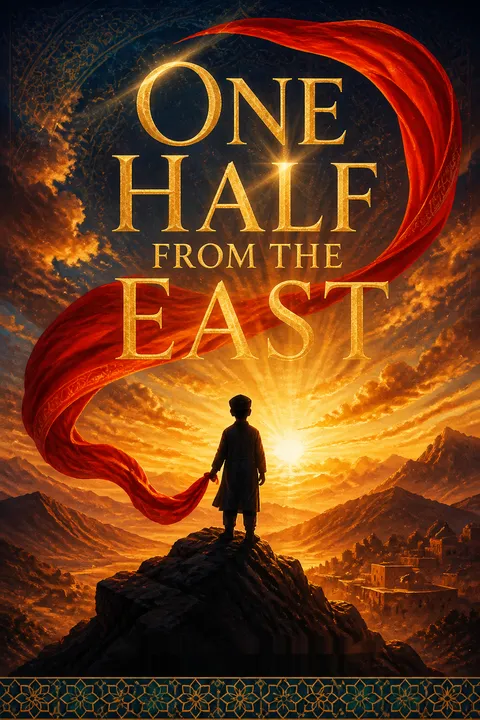
Ten-year-old Obayda's life in Kabul is upended when her father, a police officer, loses his leg in a bombing. The trauma leaves her father a shadow of himself, unable to work or provide, and the family is forced to leave their city apartment for a rural village, seeking support from relatives. The move is a cultural and emotional shock: the freedoms and comforts of Kabul are replaced by the constraints and gossip of village life. Obayda's mother struggles with homesickness and resentment, while Obayda herself senses the weight of her family's misfortune and the absence of a son—a gap that looms larger in the village's traditional expectations.
Village Life, Sonless Shadows
In the village, Obayda's family is marked by the absence of a son, which brings both pity and subtle scorn from relatives and neighbors. Her mother is pressured by her aunt, Khala Aziza, who insists that only a son can restore the family's luck and her father's spirit. The family's vulnerability is palpable: without a male child, they lack social standing and practical support. Obayda observes her mother's growing anxiety and the way her sisters are drawn into the web of chores and expectations. The village's gender roles are rigid, and Obayda feels the tension between her own identity and the roles imposed upon her.
Becoming Obayd: The Transformation
After much persuasion, Obayda's mother decides to turn her into a bacha posh—a girl living as a boy—hoping to bring luck and relief to the family. Obayda's hair is cut, her dresses are replaced with pants, and she is renamed Obayd. The transformation is both physical and psychological: Obayda is thrust into a new world of expectations, privileges, and confusion. She mourns the loss of her girlhood but is also curious about the freedoms boyhood might bring. The change is presented as temporary, a magical solution to the family's problems, but Obayda senses the deeper complexities beneath the surface.
Boyhood Trials and Privileges
As Obayd, Obayda experiences the privileges reserved for boys: she is excused from chores, given the best food, and allowed to roam freely. Yet, these freedoms come with loneliness and uncertainty. Her sisters resent the new hierarchy, and Obayd feels the sting of being set apart from them. At school, she is thrust into the boys' class, where she is awkward and self-conscious, struggling to fit in. The village boys are rough, and Obayd is tested in games and social rituals she barely understands. The privileges of boyhood are real, but so are the pressures and the sense of being an imposter.
Schoolyard Outsider, New Rules
School is a battleground for Obayd. The boys are quick to sense her difference, and she becomes the target of suspicion and bullying, especially from an older boy with a distinctive blue "Wizards" cap. The teachers are stern, and Obayd's academic struggles are compounded by her anxiety about being discovered. She is caught between two worlds: not fully accepted by the boys, and now distanced from the girls. The playground becomes a place of both fear and longing, as Obayd yearns for acceptance and a sense of belonging.
Rahim's Secret, Brotherhood Forged
The boy with the blue cap, Rahim, confronts Obayd and reveals his own secret: he, too, is a bacha posh. This revelation is transformative for Obayd, who finally finds someone who understands her predicament. Rahim becomes her mentor and confidant, teaching her how to "be a boy" and navigate the social codes of the playground. Their friendship is a lifeline, offering both solidarity and a sense of normalcy. Together, they share secrets, dreams, and the pain of knowing their boyhood is only temporary.
Lessons in Boyhood
Rahim's guidance helps Obayd gain confidence and skill. He instructs her in the art of boyish swagger, games, and the subtle ways to avoid suspicion. Rahim's "Wizards" hat becomes a symbol of luck and transformation. The two bacha posh boys form a tight bond, sharing laughter, mischief, and the bittersweet knowledge that their freedom is borrowed time. Through Rahim, Obayd learns that identity is as much about attitude as appearance, and that courage can be found in unlikely places.
Magic Hat, Growing Confidence
With Rahim's friendship and the symbolic power of the Wizards hat, Obayd grows bolder. She excels in games, stands up to bullies, and begins to see herself as capable and resourceful. The hat becomes a talisman, imbuing her with a sense of magic and possibility. Obayd's confidence spills over into her home life, where she takes on new challenges—most notably, crafting a walking stick for her father, inspired by a one-legged man she sees in the market. This act of ingenuity and care marks a turning point in her relationship with her father and her own sense of agency.
Winter Bonds, Small Victories
As winter sets in, Obayd and Rahim's friendship deepens. They share snowball fights, secrets, and the small victories of daily life. Obayd's sisters begin to accept her new role, and the family finds moments of warmth and togetherness despite their hardships. The walking stick Obayd makes for her father eventually draws him out of his isolation, symbolizing hope and healing. Yet, the specter of change looms: Obayd's mother is pregnant, and the possibility of a "real" son threatens to end Obayd's time as a bacha posh.
The Walking Stick Gift
Obayd and Rahim work together to craft a crutch for Obayd's father, hoping it will restore his mobility and spirit. The process is fraught with anxiety and anticipation, but the gift ultimately succeeds in coaxing her father out of his room and back into family life. The walking stick becomes a symbol of resilience and the power of small acts to effect change. For Obayd, it is also a way to prove her worth beyond gender roles, and to heal the rift between herself and her father.
Fathers, Failures, and Hopes
With her father's gradual recovery, the family begins to heal. Conversations between Obayd and her father reveal the depth of his pain and his longing for purpose. The family's hopes are pinned on the unborn child, and Obayd grapples with the fear that her role as a bacha posh will soon end. The tension between tradition and change is ever-present, as the family navigates the shifting sands of fortune, gender, and belonging.
Rainbows and Legends
Rahim shares with Obayd the legend that passing under a rainbow can change a girl into a boy forever. As Rahim's mother grows uneasy with his boyishness, and Obayd's mother's pregnancy advances, both friends become desperate to hold onto their identities. They embark on a quest to find a rainbow, believing it might grant them the permanence they crave. Their journey is both literal and metaphorical—a search for agency in a world that insists on changing them back.
Rahim's Disappearance
Rahim suddenly disappears from school, and rumors swirl that his family has forced him to return to girlhood and arranged his marriage to a powerful warlord. Obayd is devastated, feeling the loss of her only true friend and the looming threat of her own reversion. She seeks out Rahim, only to find him transformed into Rahima, trapped and resigned. The encounter is heartbreaking, underscoring the cruelty of a system that denies children the right to choose their own paths.
Rahima's Fate, Obayd's Resolve
Witnessing Rahima's fate galvanizes Obayd. She realizes that her own time as a bacha posh is running out, and that she must seize whatever agency she can before she is forced back into girlhood. Inspired by Rahima's parting words—"Do everything"—Obayd resolves to live fully, to take risks, and to challenge the boundaries imposed upon her. The Wizards hat, passed from Rahima to Obayd, becomes a symbol of this new resolve.
The Waterfall Quest
Determined to make her transformation permanent, Obayd sets out alone to find the legendary waterfall where rainbows are said to appear. The journey is perilous, filled with physical and emotional obstacles—snakes, scorpions, exhaustion, and fear. Yet, Obayd perseveres, driven by the hope that passing under a rainbow will secure her identity. The quest is both a rite of passage and an act of defiance, a way to claim ownership of her story.
Under the Rainbow
At the waterfall, Obayd finally passes under a rainbow, feeling a surge of exhilaration and power. The experience is magical, but also bittersweet: she knows that the world may not recognize her transformation, but she feels changed nonetheless. The act becomes a private affirmation of her courage and her right to define herself. Returning home, she faces her family's anger and confusion, but also witnesses her father's renewed strength and her own resilience.
Forced Return, Girlhood Again
Obayd's mother insists that she return to girlhood, packing away her boy clothes and forcing her back into dresses. The transition is painful and humiliating, especially at school, where she is subjected to whispers and stares. Yet, Obayd finds unexpected solidarity among her sisters and classmates, who are curious about her experiences and inspired by her courage. The boundaries between boy and girl, possible and impossible, begin to blur.
Sisters' Solidarity, New Beginnings
As Obayda settles back into girlhood, she discovers new strengths and connections. Her sisters rally around her, and she becomes a source of inspiration for other girls, teaching them the games and confidence she learned as a bacha posh. The family welcomes a baby brother, but Obayda's journey has already changed them all. The story ends with a sense of hope: that identity is not fixed, that courage can be contagious, and that even in the most constrained circumstances, a child's spirit can find ways to soar.
Analysis
Nadia Hashimi's One Half from the East is a poignant exploration of gender, identity, and resilience set against the backdrop of contemporary Afghanistan. Through the lens of the bacha posh tradition, the novel interrogates the arbitrary and often cruel boundaries imposed by gender roles, revealing both the privileges and the costs of crossing them. Obayda's journey from girl to boy and back again is both a personal coming-of-age and a broader commentary on the ways societies value—or devalue—children based on gender. The story's emotional arc is marked by loss, adaptation, and the search for agency in a world that offers few real choices. Yet, Hashimi resists easy answers: magic is both real and illusory, transformation is both possible and constrained, and hope persists even in the face of heartbreak. The novel's ultimate message is one of solidarity and possibility: that courage, creativity, and connection can carve out spaces of freedom, even within the most rigid systems. For modern readers, the book is a call to question the limits we place on ourselves and others, and to recognize the quiet, everyday acts of magic that make change possible.
Review Summary
One Half from the East follows Obayda, a ten-year-old Afghan girl transformed into a "bacha posh" (girl dressed as a boy) to bring her family luck after her father loses his leg in a bombing. As Obayd, she experiences freedoms unavailable to girls: education, outdoor play, and independence. She befriends Rahim, another bacha posh from the author's previous novel. Reviewers praise the exploration of gender inequality and Afghan culture, though some found the ending's emotional resolution too simple given the harsh realities depicted. Most recommend it for middle-grade readers interested in cultural perspectives.
Characters
Obayda / Obayd
Obayda is the youngest daughter in her family, sensitive, observant, and imaginative. After her father's injury, she is chosen to become a bacha posh, living as a boy named Obayd. This transformation thrusts her into a world of new freedoms and expectations, but also isolation and confusion. Obayda's journey is one of self-discovery: she grapples with the loss of her girlhood, the privileges and pressures of boyhood, and the longing for agency in a world that values sons over daughters. Her psychological arc is marked by resilience, adaptability, and a growing sense of self-worth. Through friendship, adversity, and small acts of rebellion, she learns that identity is both imposed and chosen, and that courage can be found in the most unlikely places.
Rahim / Rahima
Rahim, an older bacha posh at Obayda's school, is confident, streetwise, and fiercely protective of his identity. He becomes Obayda's mentor, teaching her how to navigate boyhood and survive in a hostile environment. Rahim's own journey is marked by the tension between freedom and fate: he knows his time as a boy is limited, and his eventual forced return to girlhood and marriage is a source of deep pain. Rahim's psychological complexity lies in his bravado, vulnerability, and the way he channels his fear into action. His friendship with Obayda is transformative for both, offering solidarity and a glimpse of what might be possible. Rahim's fate is a stark reminder of the limits imposed by tradition, but his spirit endures as a source of inspiration.
Obayda's Mother
Obayda's mother is pragmatic, loving, and deeply affected by the family's misfortunes. She is both a victim and an enforcer of tradition, pressured by relatives and circumstances to turn her daughter into a bacha posh. Her relationship with Obayda is fraught with tension: she wants to protect her children but is also complicit in their suffering. Psychologically, she is marked by anxiety, guilt, and a longing for stability. Her eventual realization that forcing gender roles on her children is wrong signals a quiet but significant transformation.
Obayda's Father
Once a proud police officer, Obayda's father is shattered by his injury and the loss of his role as provider. He retreats into silence and depression, becoming a ghost in his own home. His relationship with Obayda is distant but gradually heals through her acts of care, especially the gift of the walking stick. Psychologically, he embodies the pain of lost masculinity and the struggle to find meaning after trauma. His eventual acceptance of help and return to family life is a testament to resilience and the power of love.
Khala Aziza (Aunt)
Khala Aziza is Obayda's aunt and the chief advocate for turning her into a bacha posh. She is meddlesome, opinionated, and deeply invested in upholding traditional gender roles. Her influence is both practical and psychological: she represents the external pressures that shape family decisions and the internalized beliefs that perpetuate inequality. While not malicious, her actions have profound consequences for Obayda and her family.
Neela, Meena, and Alia (Sisters)
Obayda's three older sisters each respond differently to her transformation. Neela, the eldest, is responsible and nurturing, often acting as a second mother. Meena is sharp-tongued and perceptive, quick to challenge and question. Alia is sensitive and dramatic, craving attention and validation. Together, they form a complex web of rivalry, resentment, and solidarity. Their relationships with Obayda evolve from jealousy and distance to empathy and support, reflecting the shifting dynamics of family and gender.
Ashraf and Abdullah
Ashraf and Abdullah are Rahim's friends and, by extension, become Obayda's allies. They represent a more open-minded masculinity, accepting Rahim and Obayda as "boys" without overt judgment. Their presence offers a glimpse of what friendship and acceptance can look like, even within the constraints of tradition.
Abdul Khaliq (Warlord)
Abdul Khaliq is the local warlord, feared and respected in the village. His presence looms over the story as a symbol of unchecked male power and the dangers faced by girls and women. Rahima's forced marriage to him is a stark illustration of the consequences of gender inequality and the lack of agency afforded to girls.
The Baby Brother
Obayda's newborn brother arrives at the end of the story, fulfilling the family's longing for a son. His birth brings joy and relief, but also prompts reflection on the arbitrary value placed on gender. For Obayda, he is both a rival and a beloved sibling, a reminder of what has been lost and what might still be possible.
Plot Devices
Bacha Posh Tradition
The tradition of bacha posh—girls living as boys—is the central plot device, driving the story's exploration of gender, identity, and agency. It allows the narrative to interrogate the arbitrary nature of gender roles and the privileges and constraints attached to them. The device is used both literally and metaphorically, as Obayda's transformation becomes a lens through which to examine broader social dynamics.
Symbolism of the Wizards Hat
Rahim's blue Wizards hat is a recurring symbol of magic, confidence, and the possibility of change. It is passed from Rahim to Obayda, marking moments of transition and empowerment. The hat's ambiguous meaning—both a sports team and a "magician"—underscores the story's themes of self-invention and the search for agency.
The Walking Stick
The walking stick crafted by Obayd for her father is both a practical tool and a metaphor for resilience. It represents the power of small acts to effect change, the importance of care and ingenuity, and the possibility of healing after trauma. Its creation and use mark key turning points in the family's recovery.
The Rainbow Legend
The legend that passing under a rainbow can change a girl into a boy (or vice versa) serves as both a plot motivator and a metaphor for the longing for agency and permanence. The quest for the rainbow is a rite of passage, a search for magic in a world that offers few real choices. The ambiguity of the legend's power reflects the story's nuanced approach to identity and change.
Foreshadowing and Cyclical Structure
The narrative is structured around cycles of transformation and return: Obayda becomes Obayd, then is forced back into girlhood; Rahim's fate foreshadows Obayda's own; the family's fortunes rise and fall with the seasons and the birth of a new child. Foreshadowing is used to build tension and highlight the inevitability of change, while the cyclical structure underscores the persistence of hope and resilience.
About the Author

Download PDF
Download EPUB
.epub digital book format is ideal for reading ebooks on phones, tablets, and e-readers.








































