
Key Takeaways
1. Blood is a profound, mysterious, and life-giving substance, deeply intertwined with human history and culture.
For a material that has been studied for thousands of years, blood still manages to run from rationality, even at walking pace.
Ancient awe. From Homer's Odysseus needing blood to speak with his mother in Hades to the mythical Gorgon Medusa's dual-natured blood, humanity has long viewed blood with awe and fear. This vital fluid, carrying oxygen and nutrients, has been central to rituals, metaphors, and even horrific historical events like blood libel, where false accusations led to massacres. Despite scientific advancements, blood retains its mystique, influencing language, emotional states, and cultural beliefs worldwide.
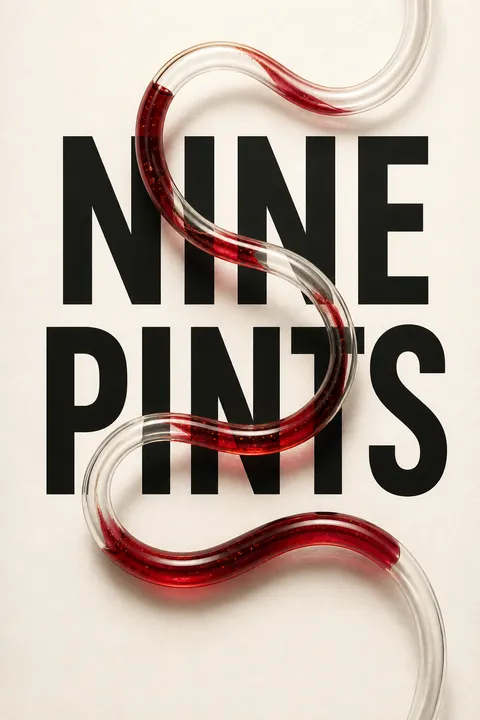
Biological marvel. At any given moment, about nine pints of blood circulate through our bodies at two to three miles per hour, performing essential functions like oxygen transport, waste removal, clotting, and infection fighting. Produced primarily in the bone marrow, blood is constantly renewing itself, with two million red blood cells generated every second. Its complexity extends to thirty-five known blood group systems, far beyond the familiar ABO and Rh factors, whose full biological purpose remains a mystery.
Cultural impact. Blood's significance transcends biology, shaping societal norms and prejudices.
- Japanese culture links blood types to personality traits, influencing dating and employment.
- Nazi Germany deemed A-type blood "Aryan," while the US segregated "white" and "black" blood until 1972.
- Modern bans on gay men donating blood, though relaxing, still reflect fear over science.
This enduring fascination highlights blood's unique position as both a scientific marvel and a powerful cultural symbol.
2. The medical use of leeches, though ancient and often reviled, remains a vital tool in modern microsurgery.
The leech is in many ways a simple animal, but its anesthetic and anticoagulant have yet to be bettered by science.
Ancient remedy, modern marvel. Leeches, once central to "leech mania" and bloodletting for nearly every ailment, fell out of favor with the rise of modern medicine. However, their unique biological properties—injecting a local anesthetic and potent anticoagulants like hirudin and calin—make them indispensable in specific modern medical contexts. These "living pharmacies" offer compounds that science has yet to replicate with equal efficacy.
Microsurgical savior. Today, medicinal leeches are primarily used in plastic and reconstructive surgery, particularly for reattaching delicate tissues like fingers, ears, nipples, and penises.
- In cases of venous congestion, where blood flows into reattached tissue but cannot drain, leeches effectively relieve swelling and prevent tissue death.
- The leech's tripartite bite is less damaging than a scalpel, and its prolonged anticoagulant effect is crucial for salvage operations.
- Despite their "disgusting" image, leeches are now FDA-approved medical devices, single-use and disposed of humanely after feeding.
Challenges and perceptions. Leeches are not without their challenges.
- They are an endangered species, requiring permits for export, and airlines often treat them as livestock.
- Getting them to bite precisely where needed and preventing "leech migration" (they can escape and wander) requires skilled nursing care.
- Public perception often equates leech therapy with "evil quackery" or medieval practices, despite its proven efficacy in specialized surgical fields.
This persistent stigma contrasts sharply with their life-saving capabilities.
3. The modern system of voluntary blood donation and transfusion was forged by pioneering individuals and wartime necessity.
How anyone could do medicine in those days, and not become a socialist I find hard to understand.
Early struggles. Before the 20th century, blood transfusion was rare, risky, and often fatal due to unknown blood types and clotting issues. Early attempts involved animal blood, driven by beliefs in spirit transfer, and later human-to-human transfusions by figures like James Blundell, who sought to save women from postpartum hemorrhage. The discovery of blood types by Karl Landsteiner in 1901 laid the scientific groundwork, but widespread adoption was slow.
Wartime catalyst. World War I provided the first large-scale experimental setting for transfusion, with Canadian surgeon Lawrence Bruce Robertson pioneering indirect methods. However, it was the Spanish Civil War and World War II that truly revolutionized blood banking.
- Frederic Durán-Jordà in Barcelona pioneered mass collection, storage (in converted fish vans), and delivery of blood.
- Janet Vaughan, a pioneering British hematologist, adapted this model to establish London's Emergency Blood Transfusion Service during WWII, setting up depots in bomb-proof buildings and even a social club bar.
- These efforts, alongside the Army Blood Transfusion Service, proved the life-saving power of stored blood.
The voluntary ideal. The British system, championed by Percy Lane Oliver, shifted from paid donors to a voluntary, altruistic model.
- Oliver, a civil servant, established the London Blood Transfusion Service in 1921, organizing a register of unpaid donors.
- This model, initially met with skepticism and logistical hurdles (e.g., police delivering donors in "Black Marias"), proved safer and more efficient than paid systems.
- The war cemented the idea of blood donation as a civic duty, with propaganda linking donations directly to saving soldiers' lives, even if the reality was more complex.
4. HIV/AIDS, though treatable, continues to devastate vulnerable populations, particularly women in sub-Saharan Africa, due to complex social factors and systemic failures.
In 2017, the US government changed its website AIDS.gov to HIV.gov, to reflect the fact that now hardly any Americans die from AIDS.
A bifurcated epidemic. While antiretroviral drugs (ARVs) have transformed HIV into a manageable chronic condition in wealthier nations, the epidemic continues to rage in many parts of the world, especially sub-Saharan Africa. Here, HIV/AIDS remains a leading cause of death for women aged 15-44, with young women disproportionately affected. This stark contrast highlights global health inequities and the complex interplay of social, economic, and cultural factors.
South Africa's struggle. Despite being the country with the highest number of people living with HIV (seven million), South Africa faces unique challenges:
- Government denialism: President Thabo Mbeki's refusal to acknowledge the link between HIV and AIDS in the early 2000s led to hundreds of thousands of preventable deaths.
- Transactional sex: Practices like "blessing," where older men provide financial support or gifts in exchange for sex, are a major driver of infection among young women.
- Treatment fatigue and stigma: Many adults and adolescents struggle with consistent ARV adherence due to the daily regimen, side effects, and the pervasive stigma associated with HIV.
These factors contribute to a high rate of new infections and treatment dropouts.
The ongoing fight. Organizations like Médecins Sans Frontières (MSF) work tirelessly in places like Khayelitsha, South Africa, to provide testing, ARVs, and adherence support. However, the fight is far from over.
- New infections persist, fueled by cultural norms (e.g., multiple partners), gender inequality, and violence against women.
- Funding for HIV/AIDS initiatives is declining, leading to "donor fatigue" and a "benign neglect" that threatens to undo decades of progress.
- The development of new, child-friendly ARVs and effective vaccines remains critical, as the virus continues to mutate and hide in latent reservoirs within the body.
5. The global plasma industry, driven by profit, relies on paid donors and has a dark history of contamination, raising ongoing ethical and safety concerns.
The chief of America’s Blood Centers, an association of blood banks, has called it the OPEC of plasma.
Blood as commodity. Plasma, the straw-colored liquid component of blood, is a multi-billion-dollar industry, with the United States being the largest exporter. Unlike whole blood, which is largely collected from unpaid volunteers in many countries, plasma for pharmaceutical products (like Factor VIII for hemophilia or immunoglobulins for immune deficiencies) is often sourced from paid donors. This commercial model allows for the fractionation of plasma into highly lucrative protein therapeutics.
A tainted legacy. The pursuit of profit in the plasma industry led to one of the worst medical scandals in history.
- In the 1970s and 80s, Factor VIII concentrates were produced from large pools of plasma, often sourced from vulnerable populations like "Skid Row derelicts" and prisoners in the US.
- These donors had higher rates of blood-borne viruses, leading to the widespread contamination of Factor VIII with HIV and Hepatitis C.
- Thousands of hemophiliacs worldwide were infected, with many dying, a tragedy exacerbated by delayed heat treatment and the continued export of unsafe products for profit.
Ongoing ethical debates. Despite significant safety improvements in pathogen inactivation, the ethical implications of paid plasma donation persist.
- Critics argue that locating plasma clinics in impoverished areas, where individuals may feel coerced by financial incentives, exploits vulnerable populations.
- Concerns exist about the long-term health effects of frequent plasma donation on these individuals, as well as the potential for donors to lie about their health to continue receiving payment.
- The debate extends to the privatization of blood services, with some arguing it undermines the altruistic foundation of public healthcare systems and introduces competing values to safety.
6. Menstrual taboos, rooted in ancient fears and perpetuated by societal norms, profoundly impact women's health, education, and dignity worldwide.
The dust on which she walks is impure like the dust defiled by the bones of the dead.
Ancient fears, enduring stigma. Menstruation, a natural biological process, has been shrouded in taboo and shame for millennia. Ancient texts, like Pliny the Elder's Natural History and Leviticus, depict menstruating women as polluting, capable of spoiling crops, dimming mirrors, or incurring divine wrath. These beliefs, often perpetuated by women themselves, lead to severe social restrictions and isolation.
Chaupadi's harsh reality. In parts of Nepal, the practice of chaupadi forces menstruating girls and women into isolated sheds (goths) or even outdoors.
- They are forbidden from entering their homes, touching family members, or consuming certain foods.
- This isolation exposes them to dangers like rape, snakebites, and extreme weather, as tragically evidenced by suffocation deaths from fires lit for warmth.
- Despite being outlawed in 2005, chaupadi persists, driven by tradition and fear of supernatural retribution, often enforced by mothers-in-law and grandmothers.
Global impact on health and education. Beyond extreme practices like chaupadi, widespread menstrual taboos contribute to:
- Poor hygiene: Shame prevents women from openly drying menstrual cloths, leading to infections.
- Lack of knowledge: Many girls enter puberty without understanding menstruation, leading to fear and distress.
- School absenteeism: Lack of proper sanitation facilities, fear of staining, and period pain cause girls to miss school, impacting their education and future opportunities.
The pervasive silence and euphemisms surrounding menstruation, even in developed countries, underscore the deep-seated nature of this global issue.
7. Innovation in feminine hygiene, exemplified by "Menstrual Man," challenges stigma and offers affordable solutions, but systemic issues persist.
What Muruga did is made it into a micro and decentralized model of doing things, by the woman, for the woman, of the woman.
A personal quest for dignity. Arunachalam Muruganantham, India's "Menstrual Man," revolutionized access to affordable sanitary pads after discovering his wife used "nasty cloths" due to cost. His journey, marked by social ostracization (he was thought mad or a vampire for experimenting with goat blood and used pads), led him to invent a low-cost machine that produces sanitary pads. This decentralized model empowers women's self-help groups to manufacture and distribute pads, making them accessible and affordable.
Challenging the industry. The feminine hygiene industry, a multi-billion-dollar market, has historically relied on secrecy, euphemisms, and expensive products.
- Commercial pads are often unaffordable for women in developing countries, forcing reliance on unhygienic alternatives like rags, sand, or even shoe insoles.
- The industry's lack of transparency regarding ingredients (dioxins, pesticides) and the classification of products as "medical devices" rather than consumer goods raise health concerns.
- Marketing often perpetuates shame, using blue liquid in ads and focusing on discretion rather than open discussion.
Breaking the silence. Muruga's work, alongside global activism, is slowly chipping away at menstrual taboos.
- Campaigns like "Happy to Bleed" in India and Bodyform's ads showing real blood challenge the pervasive shame.
- Venture capitalists are now funding women-led period businesses, from reusable underwear to menstrual cups, signaling a shift in market and cultural acceptance.
- Legislative efforts, like the "tampon tax" repeal in several US states and calls for free sanitary products in prisons and shelters, aim to address menstrual equity.
These efforts highlight a growing recognition that menstrual health is a fundamental human right, not a "first-world problem."
8. Trauma care has been revolutionized by understanding blood's complex role, shifting from fluid replacement to aggressive hemorrhage control.
Bleeding is the biggest disease you have never heard of.
The silent killer. Trauma, or severe injury, accounts for nearly six million deaths annually worldwide, with hemorrhage being the leading cause of preventable death. Despite its devastating impact, bleeding often lacks its own category in global health statistics, being subsumed under "injuries" or "maternal deaths." This underestimation has historically contributed to inadequate research and funding for trauma care.
Rethinking resuscitation. For decades, standard trauma protocol involved pumping severely bleeding patients with liters of clear crystalloid fluids, a practice now understood to be detrimental.
- Excessive fluids dilute essential clotting factors, worsen acidosis, and increase blood pressure, exacerbating bleeding—a "lethal triad" of hypothermia, acidosis, and coagulopathy.
- Modern trauma care, influenced by military medicine, has shifted to "damage control resuscitation," prioritizing immediate hemorrhage control and the rapid administration of blood products.
- This approach, often involving procedures like roadside thoracotomies and the use of "blood on board" in emergency vehicles, has dramatically improved survival rates in major trauma centers.
Whole blood vs. components. The widespread adoption of component therapy (separating blood into red cells, plasma, platelets) in civilian hospitals, driven by the needs of cancer patients and profitability, has been questioned for trauma.
- Trauma surgeons argue that whole blood, with all its natural components, is superior for massively hemorrhaging patients, as it better maintains clotting function and oxygen delivery.
- The "storage lesion"—changes that occur in stored blood—can impair its ability to deliver oxygen, leading to calls for "fresher blood" and a potential return to whole blood transfusions in critical trauma cases.
- Despite these advancements, trauma science remains underfunded, and the "bad physiology" of severe bleeding is still imperfectly understood, highlighting the ongoing need for research and innovation.
9. The future of blood involves ethical dilemmas, from "young blood" rejuvenation to lab-grown alternatives, as science pushes the boundaries of life itself.
Perhaps it is due to your predominantly individualistic psychology, which isolates people from each other so completely that the thought of fusing them is almost incomprehensible to your scientists.
The quest for immortality. Humanity's ancient fascination with blood's rejuvenating power, from Roman epileptics drinking gladiators' blood to Pope Innocent VIII's mythical blood transfusions, continues today. Alexander Bogdanov's early 20th-century "physiological collectivism" in Russia, involving mutual blood exchanges for anti-aging, foreshadowed modern "young blood" treatments. This quest for extended life now intersects with cutting-edge science and significant ethical questions.
"Young blood" and parabiosis. The concept of "young blood" rejuvenation, inspired by parabiosis experiments where older mice stitched to younger ones showed signs of reversed aging, has led to human trials.
- Companies like Ambrosia charge thousands of dollars for plasma transfusions from young donors, claiming dramatic results in reversing Alzheimer's, cancer, and diabetes, though these claims lack peer-reviewed scientific validation.
- The ethical concerns are profound: exploiting the poor for their plasma, making unproven medical claims, and the potential for a "blood boy" industry for the wealthy.
- The scientific community remains cautious, emphasizing that while blood components may have therapeutic potential, the "elixir of youth" remains elusive and unproven.
Lab-grown blood and liquid biopsies. Beyond rejuvenation, the future of blood promises transformative medical applications.
- Scientists are developing lab-grown red blood cells from stem cells, with the potential to create universal blood types or address rare blood needs, though economic viability for mass production is a major hurdle.
- "Liquid biopsies"—simple blood tests—are poised to revolutionize diagnostics, offering early detection for cancers, dementia, and other diseases by analyzing circulating biomarkers.
- However, the "magic bullet" of a single blood test is still distant, requiring rigorous research to avoid overhyping and ensure accuracy.
These innovations, while offering immense hope, also necessitate careful ethical consideration and robust scientific scrutiny.
Review Summary
Nine Pints explores the science, history, and cultural significance of blood through nine chapters covering topics like transfusions, leeches, HIV, menstruation taboos, and plasma donation. Readers praised George's engaging writing style and fascinating facts, though some found the structure disjointed. Many appreciated the chapters on menstruation and women's health issues. While some readers wanted more scientific depth, others enjoyed the blend of medical information and human stories. Overall, reviewers found the book informative and thought-provoking, despite occasional unevenness in content.
People Also Read

About the Author
Download PDF
Download EPUB
.epub digital book format is ideal for reading ebooks on phones, tablets, and e-readers.








































