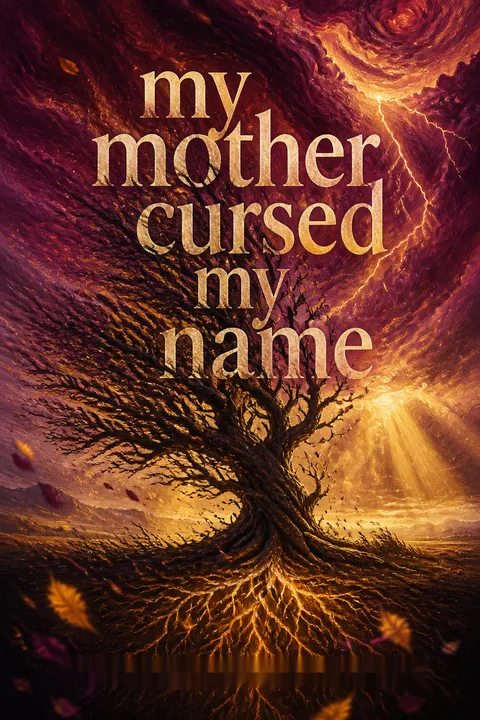

Plot Summary
Names and Generational Curses
The Olivares women believe names can shape destiny, but each attempt to outwit fate backfires. Justa names her daughter Calamidades, hoping to pass on her own bitterness, but Calamidades lives a charmed life—until her mother dies in childbirth. Calamidades, raised by a loving aunt, names her own daughter Victoria, wishing her triumph, but Victoria is plagued by failure and addiction. Victoria, desperate for relief, names her daughter Olvido, hoping for forgiveness and forgetfulness, but Olvido grows up unable to forgive or forget. Each generation's name is a wish, a curse, and a reflection of the mother's unresolved pain, setting the stage for a cycle of hope, disappointment, and unintended consequences.
Calamities, Victories, and Oblivion
Calamidades's life is untouched by disaster, but her daughter Victoria is marked by relentless failure. Victoria's choices—gambling, debt, and desperation—force Olvido to flee to the United States, carrying the weight of her mother's mistakes. Olvido, hardened by necessity, becomes unforgiving, her name a constant reminder of what should be forgotten. She adapts to a new country, endures mispronunciations, and tries to control fate by naming her own daughter Angustias, hoping anxiety will keep her safe. Yet, the pattern persists: names cannot protect, and the past is never truly left behind.
Angustias: Joy in Spite
Angustias, named for anxiety, grows up joyful and reckless, immune to worry. Her mother Olvido's attempts to instill caution fail; Angustias faces life with laughter, even in the face of storms and uncertainty. When she becomes pregnant as a teenager, she chooses the name Felicitas for her daughter, hoping to counteract a sour prophecy. The family's tradition of naming as protection continues, but Angustias's optimism is both her shield and her blind spot, setting up new tensions between mother and daughter.
Felicitas and the Sour Prophecy
Felicitas is born with a frown, her face sour despite her name's promise of happiness. She grows up feeling out of place, her mother's lightness contrasting with her own seriousness. Felicitas's ability to see spirits sets her apart further, a secret she guards closely. Her relationship with Angustias is loving but strained by constant moves and instability. When news arrives of Olvido's death, Felicitas's world is upended, and the family is forced to confront old wounds and new responsibilities.
Death Calls, Secrets Awaken
The sudden death of Olvido forces Angustias and Felicitas to return to Texas, leaving behind their transient life. As they drive south, grief and unresolved tensions simmer. Felicitas, who can see Olvido's ghost, is tasked with fulfilling her grandmother's last wish: to be buried in Mexico. The journey becomes a confrontation with family history, secrets, and the limits of forgiveness. Angustias must face her own feelings about her mother, while Felicitas navigates the burden of being the family's reluctant medium.
The Road to Grace
The trip to Grace, Texas, is fraught with uncertainty. Angustias and Felicitas, carrying all they own, are met by neighbors and reminders of the past. The house Olvido left behind is both a sanctuary and a mausoleum, filled with memories and unresolved pain. As they settle in, the community's kindness is both comforting and overwhelming. Felicitas struggles with her role as the family's secret-keeper, while Angustias is haunted by what was left unsaid between her and her mother.
Ghosts, Grudges, and Requests
Olvido's ghost appears to Felicitas, insisting her body must be returned to Mexico to find peace. Felicitas, caught between the living and the dead, tries to fulfill this request without revealing her secret to Angustias. The family's history of running from problems is mirrored in their reluctance to face the truth. As Felicitas navigates her grandmother's demands, she learns that the dead are as stubborn and needy as the living, and that closure is never simple.
Homecomings and Old Wounds
Settling into Olvido's house, Angustias and Felicitas are confronted by the physical and emotional remnants of the past. Cleaning and sorting through belongings becomes an act of mourning and reckoning. Letters, photographs, and memories force Angustias to confront her complicated relationship with her mother. Felicitas, meanwhile, is drawn deeper into the world of spirits, learning that the boundaries between past and present, love and resentment, are porous and shifting.
The Living and the Dead
As funeral plans unfold, the community gathers to honor Olvido, revealing the impact she had on those around her. Stories of kindness, food, and quiet support paint a picture of a woman more complex than Angustias remembered. Felicitas, struggling with her own feelings of longing and exclusion, realizes that family is defined as much by absence as by presence. The living and the dead are bound by secrets, regrets, and the hope for forgiveness.
The Truth in Food
Olvido's legacy is revealed through her cooking, which has the power to draw out truths and heal wounds. Felicitas learns the art of magical food, discovering that recipes are more than instructions—they are vessels for memory, confession, and connection. As the family and community share meals, old grievances are aired and new understandings are forged. The act of feeding and being fed becomes a metaphor for the possibility of reconciliation.
Family, Faith, and Forgiveness
The family's struggles come to a head as storms—literal and metaphorical—threaten to tear them apart. Angustias and Felicitas are forced to confront their deepest fears and resentments, realizing that forgiveness is not a single act but an ongoing process. The community's support, the rituals of faith, and the confessions brought forth by magical food all contribute to a fragile but real sense of healing. The curse of names is broken not by changing them, but by changing the stories they carry.
Storms, Longing, and Letting Go
A hurricane strikes, trapping Angustias and Felicitas together and forcing them to face their pain and love head-on. In the storm's aftermath, truths are spoken, apologies are made, and the possibility of a new beginning emerges. Olvido's spirit, having witnessed the family's journey, is finally able to let go, her longing transformed into peace. The family, battered but unbroken, chooses to stay and build a new life, honoring the past while embracing the future.
Healing, Hope, and New Beginnings
In the wake of loss and revelation, Angustias and Felicitas decide to remain in Grace, breaking the cycle of running away. They learn that happiness is not guaranteed by names or wishes, but by the willingness to forgive, to stay, and to love despite imperfection. The story ends with a sense of hope: the family's wounds are not erased, but they are no longer defined by them. The curse is lifted not by magic, but by the hard, everyday work of healing.
Analysis
A modern fable of inheritance, identity, and the limits of controlMy Mother Cursed My Name is a poignant exploration of how families pass down not just names, but wounds, hopes, and the longing for redemption. Through its intergenerational narrative, the novel interrogates the ways in which we try to shape our children's destinies—through names, rules, and wishes—only to find that fate is as stubborn as we are. The magical realist elements—ghosts, prophetic signs, confessional food—externalize the characters' emotional realities, making visible the invisible burdens of grief, regret, and longing. At its heart, the novel is about the necessity of forgiveness: not as a single act, but as a daily practice of confession, apology, and the willingness to stay and love despite imperfection. The story's ultimate lesson is that healing is possible, but only when we stop running, face our pain, and choose to rewrite the stories we inherit. In a world where so many feel cursed by their past, the novel offers a vision of hope: that the cycle can be broken, not by magic, but by the hard, everyday work of honesty, community, and love.
People Also Read
Characters
Angustias Olivares
Angustias is the heart of the Olivares family's present, a woman named for anxiety but defined by her refusal to worry. Her carefree spirit is both a blessing and a flaw, allowing her to survive hardship but blinding her to the pain she sometimes causes. As a mother, she is fiercely loving but often impulsive, dragging her daughter from place to place in search of happiness. Her relationship with her own mother, Olvido, is fraught with resentment and longing for approval. Angustias's journey is one of reckoning—with her past, her failures, and her capacity for forgiveness. She learns that true strength lies in vulnerability and that healing requires facing what she most wants to avoid.
Felicitas Olivares
Felicitas, named for happiness but born with a frown, is a child marked by seriousness and sensitivity. Her ability to see spirits sets her apart, making her both an outsider and a bridge between worlds. She longs for stability, friendship, and the unconditional love of family, but is often caught in the crossfire of her mother's and grandmother's unresolved pain. Felicitas's journey is one of self-discovery: learning to voice her needs, to forgive, and to accept that family is imperfect. Her relationship with Angustias is tested by secrets and misunderstandings, but ultimately deepened by shared vulnerability and truth.
Olvido Olivares
Olvido, whose name means "oblivion," is a woman shaped by hardship, migration, and the burden of memory. In life, she is stern, withholding, and unable to forgive—herself or others. In death, she becomes a restless spirit, demanding that her body be returned to Mexico as a way to find peace. Her presence haunts her daughter and granddaughter, forcing them to confront the family's history of pain and silence. Olvido's arc is one of reluctant transformation: through witnessing her family's struggles, she learns the necessity of confession, apology, and letting go. Her final act is not to curse, but to bless.
Victoria Olivares
Victoria, named for victory but plagued by defeat, is a tragic figure whose inability to succeed shapes the lives of her descendants. Her addiction and debts force Olvido to flee, setting the family's cycle of running in motion. Victoria's story is a cautionary tale about the limits of hope and the dangers of unresolved trauma. Though she is absent for much of the narrative, her choices echo through the generations, a reminder that the past is never truly past.
Justa Olivares
Justa, whose name ironically means "just," is the progenitor of the family's tradition of naming as curse. Her decision to name her daughter Calamidades out of spite sets the pattern of mothers trying—and failing—to control fate through their children. Justa's legacy is one of bitterness and woundedness, a shadow that lingers over the family's attempts at healing.
Calamidades Olivares
Calamidades, named for disaster but spared from it, is a figure of paradox. Her charmed life is a brief respite in the family's history of pain, but her early death and the loss of her mother perpetuate the cycle of longing and absence. She represents the hope that names can protect, and the reality that fate is indifferent to human wishes.
Samara
Samara is the Olivares family's first point of contact in Grace, offering practical help and emotional support. Her warmth and generosity contrast with the family's history of isolation and mistrust. Samara represents the possibility of belonging and the importance of chosen family. Her presence is a reminder that healing often comes from outside the family's closed circle.
Emilio
Emilio is a quiet, bookish figure who becomes a friend and potential romantic interest for Angustias. His patience and kindness offer a counterpoint to the family's volatility. Emilio's willingness to listen and help, even when he doesn't fully understand, makes him a catalyst for change. He represents the hope that new connections can break old patterns.
Estela
Estela is a vibrant, pink-loving girl who befriends Felicitas in Grace. Their friendship is a source of joy and growth for Felicitas, teaching her that difference can be a strength. Estela's openness and loyalty help Felicitas find her voice and claim her place in the world. She embodies the healing power of friendship and the importance of being seen.
Cayo
Cayo is the subject of the community's matchmaking efforts, a man whose awkwardness and earnestness highlight the absurdity of trying to force happiness. His interactions with Angustias and Felicitas underscore the importance of choice and the dangers of letting others dictate one's fate. Cayo's presence is a reminder that not every solution is the right one, and that sometimes, saying no is an act of self-love.
Plot Devices
Generational Naming as Destiny
The tradition of naming daughters with the intention of shaping their fate is the novel's central motif. Each name is a wish, a curse, and a reflection of the mother's unresolved pain. This device explores the tension between agency and destiny, showing how attempts to control the future often perpetuate the very cycles they seek to break. The irony of names—Calamidades spared from disaster, Victoria doomed to failure, Olvido unable to forget—serves as both foreshadowing and commentary on the limits of parental power.
Magical Realism and the Supernatural
The presence of spirits, especially Olvido's ghost, blurs the line between the living and the dead. Felicitas's ability to see and communicate with ghosts is both a burden and a gift, forcing the family to confront secrets and unfinished business. Magical food that compels confession, clouds of color that reveal emotion, and prophetic signs all serve to externalize the characters' inner struggles. These elements are not mere fantasy, but tools for exploring grief, longing, and the possibility of transformation.
Food as Confession and Connection
Food is more than sustenance; it is a medium for truth-telling, healing, and community. Olvido's magical cooking draws out confessions and facilitates forgiveness, while shared meals become rituals of mourning and celebration. The act of teaching Felicitas to cook is both a passing of tradition and a means of bridging generational divides. Food's power to reveal and heal is a recurring motif, symbolizing the possibility of breaking the cycle of silence and pain.
Intergenerational Trauma and Healing
The novel's structure, moving between past and present, living and dead, highlights the persistence of trauma across generations. Letters, photographs, and family stories serve as plot devices for revealing secrets and prompting reckoning. The characters' journeys are shaped by what is inherited—pain, hope, and the longing for forgiveness. Healing is depicted as a communal, ongoing process, requiring confession, apology, and the willingness to stay.
Storms as Metaphor and Catalyst
The recurring motif of storms—hurricanes, floods, and emotional tempests—serves as both setting and metaphor for the family's turmoil. The climactic hurricane traps Angustias and Felicitas together, forcing them to confront their pain and love. The storm's aftermath is a moment of reckoning and renewal, symbolizing the possibility of survival and new beginnings.
Download PDF
Download EPUB
.epub digital book format is ideal for reading ebooks on phones, tablets, and e-readers.








































