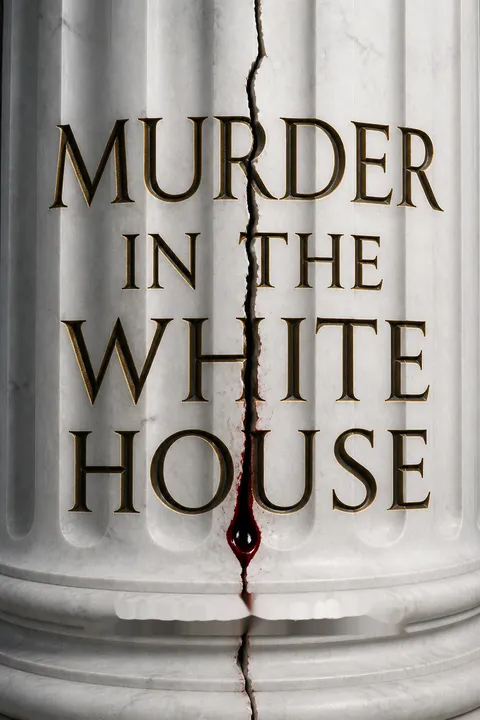

Plot Summary
Presidential Homecoming in Rain
President Robert Webster's return from Paris is marked by a rainy, ceremonial welcome at Andrews Air Force Base. The nation's eyes are drawn not just to the President, but to his daughter Lynne and her subtle connection with Ron Fairbanks, the President's Special Counsel. The public image is one of unity and strength, but beneath the surface, personal relationships and political tensions simmer. The President's decisive, charismatic presence is on display, but so too is the complex web of loyalty, ambition, and affection that binds the First Family and their closest advisors. The stage is set for a summer in the White House that will test the limits of trust, power, and the private lives of those at the heart of American leadership.
Power, Politics, and Private Lives
As the President and his inner circle settle back into the White House, the intricate relationships among staff and family come into focus. Ron Fairbanks reflects on his reluctant entry into the administration, his growing bond with Lynne, and the subtle rivalries between key figures like Secretary of State Lansard Blaine and Chief of Staff Fritz Gimbel. The President's public persona as a forceful leader contrasts with the private warmth he shows his daughter. Meanwhile, Blaine's erudition and Gimbel's abrasive efficiency hint at deeper undercurrents of ambition and resentment. The personal and political are inextricably linked, setting the stage for conflict.
Murder in the Lincoln Sitting Room
The tranquility of the night is shattered when Secretary of State Lansard Blaine is found brutally murdered in the Lincoln Sitting Room. The President, Ron, and Gimbel are among the first to witness the grisly scene: Blaine's throat has been expertly cut, likely with a wire, while he was on the phone. The murder's location—deep within the White House—implies the killer is someone with intimate access. The President is shaken, aware that the political fallout could be catastrophic. Ron is tasked with coordinating the investigation, given extraordinary powers to probe the crime, even as the administration braces for scandal.
The Investigation Begins
Ron Fairbanks, now Special Investigator, quickly discovers the magnitude of his task. The FBI, Secret Service, and Justice Department are all involved, but turf wars and egos complicate cooperation. Ron assembles a small, trusted team, including the sharp Justice lawyer Jill Keller and Gabe Haddad. The investigation is hampered by a lack of physical evidence and the daunting reality that only a select group could have committed the murder. The President's insistence on a thorough, impartial inquiry adds pressure, as the media and political opponents circle, eager for any sign of weakness or cover-up.
The Secretary's Secret Affairs
As Ron's team delves into Blaine's background, a pattern of secret affairs with young women emerges. Interviews with Marya Kalisch and Judith Pringle reveal Blaine's charm, generosity, and emotional detachment. His relationships, often transactional, blur the lines between affection and manipulation. The press seizes on these revelations, painting Blaine as a playboy and fueling speculation that his murder may be linked to jealousy or blackmail. Yet, as Ron notes, the timing and method of the killing suggest a more complex motive, possibly rooted in Blaine's public role and political entanglements.
Scandal and the Press
The investigation is soon overshadowed by a media storm. Leaks about Blaine's affairs and lavish lifestyle dominate headlines, threatening to distract from the search for his killer. The White House is besieged by rumors, and Ron suspects that someone is deliberately feeding the press to create a smokescreen. The President's political enemies exploit the chaos, calling for independent investigations and questioning Ron's competence. The administration's credibility hangs in the balance, and the pressure on Ron and his team intensifies as they struggle to keep the inquiry focused.
The Web of Suspects
The investigation identifies a limited pool of suspects—those with access to the White House's second floor on the night of the murder. Among them are staff, family, and trusted aides. Telephone logs and financial records reveal Blaine's frequent contacts with foreign lobbyists, diplomats, and mysterious figures like Jeremy Johnson and Inoguchi Osanaga. The possibility of bribery and influence-peddling emerges, complicating the search for a clear motive. Meanwhile, Ron's own relationship with Lynne deepens, adding a personal stake to his professional peril.
Motives and Money Trails
As Ron follows the money, he uncovers evidence that Blaine was taking bribes from foreign business interests seeking to influence the administration's trade policy. The multilateral trade agreements, championed by the President, threaten powerful industries abroad. Blaine's shifting stance and secret payments suggest he was playing both sides. Interviews with Jeremy Johnson and others confirm that vast sums were at stake, and that Blaine's murder may have been orchestrated to silence him or prevent exposure. The investigation's focus shifts from personal scandal to high-stakes international intrigue.
The Consortium's Shadow
The so-called "consortium"—a coalition of foreign corporations and lobbyists—emerges as a possible force behind the murder. Their efforts to block the trade agreements are ruthless, and their reach extends into the highest levels of government. Ron and his team confront the reality that the crime may be part of a larger conspiracy, with tentacles in Congress, the State Department, and even the White House itself. The line between public policy and private gain blurs, and the danger to those seeking the truth grows ever more acute.
Dangerous Liaisons
The investigation's personal dimension deepens as Ron uncovers the role of Martha Kingsley, a sophisticated courtesan who serves as a conduit for information between Blaine and the White House. Her relationships with senators, diplomats, and staff—including Chief of Staff Gimbel—make her both a valuable source and a potential target. As Ron presses her for answers, he realizes that the boundaries between intimacy and espionage are perilously thin. The risk to those who know too much becomes tragically clear when Martha is found murdered, her knowledge silenced forever.
The President's Family Secrets
Under mounting pressure, the President and Catherine Webster reveal a long-buried family secret: Lynne is the biological daughter of a troubled young man whom Catherine, as a psychiatrist, once treated and with whom she had a brief, ill-fated affair. The knowledge of this secret, known to Blaine and Gimbel, becomes a potential weapon for blackmail and a source of profound vulnerability. The emotional toll on the family is immense, and the revelation reframes the motives of those closest to the President, including Lynne herself.
The Trap Tightens
As the investigation closes in, Ron and the President orchestrate a dramatic confrontation in the Oval Office. Gimbel is forced to admit his role in orchestrating the attempt on Ron and Lynne's lives and in covering up damaging information. The circle of trust collapses, and the true cost of loyalty and ambition is laid bare. The President faces the possibility that his own administration may be complicit in murder, and the line between justice and self-preservation grows perilously thin.
The Truth in the Shadows
In a final, wrenching twist, Lynne confesses to killing Blaine, driven by a sense of betrayal and the need to protect her family's secret. Gimbel, seeking to shield her, confesses to the murder himself, but the truth cannot be contained. The emotional devastation is profound, as the family confronts the consequences of love, trust, and the burdens of power. The investigation's end brings no easy resolution, only the painful knowledge that the greatest threats often come from within.
Confessions and Consequences
The aftermath of the revelations leaves the President's family and staff shattered but determined to endure. The Attorney General insists on due process, but the case's complexities—emotional, legal, and political—defy simple answers. The President contemplates resignation, but Catherine and Ron urge him to persevere. The family's unity, tested by scandal and tragedy, becomes their greatest strength. The lessons of the investigation—about the dangers of secrecy, the limits of loyalty, and the price of power—linger as the nation looks on.
The Family Endures
As the dust settles, the Websters resolve to face the future together, whatever it may bring. The President's administration survives, but the scars of betrayal and loss remain. Ron and Jill, having weathered the storm, find solace in each other. The story ends not with triumph, but with a hard-won acceptance of the complexities of human nature and the enduring bonds of family. The White House, once a symbol of invulnerability, stands as a reminder that even the most powerful are not immune to the tragedies and redemptions of ordinary life.
Analysis
A meditation on power, secrecy, and the human cost of leadership"Murder in the White House" is more than a political thriller; it is a nuanced exploration of the intersection between public duty and private vulnerability. Margaret Truman uses the locked-room murder as a lens to examine the corrosive effects of secrecy, the dangers of unchecked ambition, and the ways in which personal failings can reverberate through the highest levels of government. The novel's emotional arc—from the initial shock of the crime, through the unraveling of relationships and the exposure of hidden wounds, to the final, painful confessions—mirrors the journey of a nation grappling with the limits of its ideals. The story's ultimate lesson is that no one, not even the President, is immune to the consequences of human frailty. In a world where power offers no protection from tragedy, the only hope lies in honesty, accountability, and the enduring strength of family.
Review Summary
Murder in the White House received mixed reviews, with an average rating of 3.76 out of 5. Many readers found it entertaining and enjoyed the political intrigue, praising Truman's insider knowledge of Washington. Some appreciated the well-developed characters and suspenseful plot. However, others felt the writing was dated, predictable, or in need of editing. Criticisms included a lack of nail-biting drama and unnecessary details. Despite its flaws, many readers expressed interest in continuing the series.
Characters
Robert Webster
President Robert Webster is a forceful, pragmatic leader whose public confidence masks deep personal vulnerabilities. His relationships—with his wife Catherine, daughter Lynne, and trusted advisors—are marked by both genuine affection and the isolating demands of power. Webster's commitment to bold economic reforms and his willingness to confront political opposition make him a formidable figure, but his inability to fully control those closest to him exposes the limits of his authority. The revelation of his family's secret and the betrayal by trusted aides force him to confront the costs of leadership and the fragility of trust.
Catherine Webster
Catherine, the First Lady, is a psychiatrist whose professional insight is matched by personal pain. Her brief, ill-fated affair and its consequences shape the family's deepest secret, and her friendship with Blaine adds layers of complexity to her role. Catherine's strength and vulnerability are on display as she navigates the demands of public life, the strains of marriage, and the trauma of scandal. Her determination to protect her family, even at great personal cost, underscores her resilience and depth.
Lynne Webster
Lynne, the President's daughter, is at once a symbol of youthful promise and the embodiment of the family's hidden wounds. Raised in the public eye, she struggles with the burdens of expectation and the knowledge of her true parentage. Her relationship with Ron offers hope, but her emotional turmoil and sense of betrayal by Blaine drive her to a desperate act. Lynne's confession to murder is both a cry for help and an assertion of agency, forcing those around her to reckon with the consequences of secrecy and love.
Ron Fairbanks
Ron, the President's Special Counsel and later Special Investigator, is a principled, introspective lawyer thrust into a maelstrom of intrigue. His skepticism and independence make him both valuable and vulnerable. Ron's evolving relationship with Lynne and his growing attachment to Jill Keller add personal stakes to his professional challenges. As he navigates the treacherous waters of politics, loyalty, and justice, Ron becomes the story's conscience, determined to uncover the truth even when it threatens those he cares about.
Lansard Blaine
The Secretary of State, Blaine is a scholar turned statesman whose intellect and charm mask deep moral ambiguities. His pattern of affairs, susceptibility to bribery, and shifting loyalties make him both a victim and an architect of his own downfall. Blaine's betrayal of the Websters and his manipulation of those around him set the stage for his murder. In death, he becomes a symbol of the dangers of unchecked ambition and the corrosive effects of power.
Fritz Gimbel
The President's Chief of Staff, Gimbel is a master administrator whose devotion to the Websters borders on obsession. His willingness to do whatever is necessary—including orchestrating violence and covering up secrets—makes him both indispensable and dangerous. Gimbel's relationship with Martha Kingsley and his efforts to protect the family at all costs lead him to cross moral and legal lines, culminating in his own confession and downfall.
Jill Keller
A Justice Department lawyer, Jill is Ron's trusted ally and confidante. Her analytical skills, integrity, and emotional intelligence make her an essential part of the investigation. Jill's personal connection with Ron adds depth to her character, and her willingness to stand by him in the face of adversity highlights her strength. She represents the possibility of redemption and new beginnings amid the wreckage of scandal.
Gabe Haddad
Gabe, another Justice Department lawyer, brings a methodical approach and a steady presence to the investigative team. His background and perspective complement Ron and Jill, and his loyalty is unwavering even as the case grows more dangerous. Gabe's understated competence and moral clarity help anchor the team as they confront increasingly complex and perilous challenges.
Martha Kingsley
Martha is a high-class courtesan whose relationships with powerful men make her both a source of information and a target. Her ability to extract secrets and her transactional approach to intimacy place her at the center of the investigation. Martha's murder silences a key witness and underscores the lethal stakes of the game being played in Washington's corridors of power.
Jeremy Johnson
Johnson is a British businessman and lobbyist whose efforts to influence U.S. trade policy bring him into Blaine's orbit. His willingness to use money, women, and charm to achieve his goals exemplifies the blurred lines between business, politics, and crime. Johnson's interactions with Ron and the investigative team reveal the global dimensions of the scandal and the lengths to which vested interests will go to protect their fortunes.
Plot Devices
Locked-Room Mystery in the Seat of Power
The central plot device is the classic locked-room mystery, transposed to the most secure and symbolically significant building in America. The murder of the Secretary of State within the White House's inner sanctum immediately narrows the field of suspects to those with privileged access, heightening the tension and focusing the investigation on the President's inner circle. This device not only drives the narrative but also serves as a metaphor for the insularity and vulnerability of power.
Dual Narrative: Public Scandal and Private Tragedy
The novel skillfully balances the external pressures of political scandal, media frenzy, and international intrigue with the internal dynamics of family secrets, personal betrayals, and emotional trauma. The interplay between public and private spheres amplifies the stakes and deepens the psychological complexity of the characters, making the resolution of the mystery as much about healing as about justice.
Red Herrings and Misdirection
The investigation is marked by a series of red herrings—Blaine's affairs, the possibility of a jealous lover, the involvement of foreign lobbyists—that keep both the characters and the reader guessing. The deliberate leaking of information to the press, the manipulation of evidence, and the layering of motives create a labyrinthine puzzle that resists easy solutions.
Confession and Catharsis
The narrative builds to a series of confessions—by Gimbel, by Lynne, by the President and Catherine—that serve both as plot resolutions and as moments of emotional catharsis. These revelations force the characters to confront their own complicity, guilt, and need for forgiveness, transforming the story from a simple whodunit into a meditation on the costs of secrecy and the possibility of redemption.
Psychological Realism and Moral Ambiguity
The novel's structure and pacing are designed to explore the psychological depths of its characters, refusing to offer simple villains or heroes. The use of close third-person narration, shifting perspectives, and detailed psychoanalysis invites the reader to empathize with even the most flawed individuals, while also questioning the boundaries between right and wrong, loyalty and betrayal.
Download PDF
Download EPUB
.epub digital book format is ideal for reading ebooks on phones, tablets, and e-readers.








































