
Plot Summary
Negative Signs, Hidden Longings
Martha, practical and reliable, faces another negative pregnancy test, her hopes dashed yet again. She hides her disappointment from her husband Tom, determined to remain calm and methodical. Their marriage is strong, built on mutual respect and teamwork, but the struggle to conceive is beginning to cast a shadow. Martha's need for control and order is challenged by the unpredictability of fertility, and she keeps her anxieties and small obsessions—like secret baby clothes—hidden from Tom. Meanwhile, her relationship with her more free-spirited sister Willow is marked by both affection and frustration, as Martha tries to enlist Willow's help in persuading their widowed mother Naomi to move closer. The chapter sets the tone of longing, secrecy, and the subtle strains that can grow within even the most loving families.
Sisters Apart, Sisters Alike
Willow, the dreamy, impulsive younger sister, is introduced in contrast to Martha's orderliness. Living in London, housesitting for friends, she juggles a new relationship with Rick, a stable, successful man who seems to offer the security she's never had. Willow's life is a series of small mishaps—falling asleep in the bath, nearly setting the house on fire, losing track of time and details. Yet she is loved for her warmth and empathy, qualities that make her good at her charity fundraising job but also vulnerable. Her relationship with Rick is new and exciting, but she doubts her ability to sustain happiness. The sisters' differences are highlighted, but so is their underlying bond, as both navigate love, self-doubt, and the expectations of family.
Anchor House Memories
Naomi, recently widowed, reflects on her life at Anchor House, the family's beloved home by the sea. She recalls her marriage to Colin, a larger-than-life man whose presence dominated the family, and her own journey from supportive wife to independent woman. Gardening and her vintage shop gave her purpose, and after Colin's sudden death, she finds herself unexpectedly liberated. Naomi's grief is real but not overwhelming; she is ready to embrace change. When Ellis, an old acquaintance, moves in next door, a spark is rekindled. Their budding romance is both thrilling and unsettling, especially as Naomi contemplates how her daughters will react to her newfound happiness. The chapter explores themes of memory, loss, and the courage to start anew.
New Love, Old Grief
Tom, Martha's husband, offers his own view on their struggle to conceive. He loves Martha deeply and values their partnership, but the pressure of "trying" is taking its toll. He worries about the future, about the possibility of IVF, and about losing the essence of their relationship to obsession. Tom's own family has been touched by loss—his mother died during the pandemic—and he feels the weight of responsibility to support Martha while also managing his own grief and doubts. The chapter delves into the silent burdens men often carry, the unspoken fears, and the ways love can be both a comfort and a source of pain when dreams are deferred.
Plans, Pressures, and Proposals
Martha's professional life is as organized as her personal one, but even at work, the topic of babies intrudes. She is chosen to lead a pitch for a baby brand, forcing her to confront her own longing and the secrecy she maintains about her fertility struggles. Meanwhile, she and Tom debate the wisdom of pushing Naomi to move closer, with Martha's pragmatic approach clashing with Tom's sentimentality. The pressure to plan and control every aspect of life—work, family, future—becomes a source of tension, highlighting the limits of even the most meticulous preparation in the face of life's unpredictability.
Empathy and Ambition
Willow's job at a charity call center exposes her to the harsh realities of fundraising and the emotional toll of empathy. She struggles to meet targets because she cares too much, often letting donors off the hook. Her relationship with Rick deepens, and he surprises her with a romantic dinner and a proposal to move in together. Willow is flattered but uncertain, haunted by her history of failed relationships and her own sense of inadequacy. The chapter explores the tension between ambition and kindness, the desire for security, and the fear of not measuring up to others' expectations—or one's own.
Secrets in the Village
Naomi and Ellis's relationship becomes the subject of village gossip as they try to keep their romance under wraps. Naomi is torn between the joy of new love and the fear of her daughters' disapproval. The village's close-knit nature means that secrets are hard to keep, and Naomi dreads the inevitable confrontation. The chapter captures the claustrophobia of small communities, the weight of reputation, and the longing for privacy and autonomy, especially for women who have spent their lives putting others first.
Second Chances, Old Sins
Ellis, mild-mannered and recently retired, reflects on his happy but conventional marriage to Diana and his close relationship with his mother Rose, now in a care home. Moving to Tilsham to be near Rose, he is surprised to reconnect with Naomi, an old university friend with whom he once shared a brief, passionate affair. Their renewed relationship is shadowed by the secrets of the past—his own, Naomi's, and those of their respective families. The chapter explores themes of forgiveness, the possibility of second chances, and the enduring impact of old sins on new beginnings.
Mothers, Daughters, and Distance
A family gathering at Anchor House brings simmering tensions to the surface. Martha and Willow, each with their own agendas, try to persuade Naomi to move, but Naomi resists, asserting her right to happiness and independence. The sisters' differences are stark—Martha's control versus Willow's passivity—but both are forced to confront the reality that their mother is her own person. Naomi, in turn, struggles with guilt over past choices and the fear of losing her daughters' love. The chapter is a study in generational divides, the pain of change, and the difficulty of letting go.
Bombshells at Anchor House
During a tense family lunch, secrets are revealed: Rick proposes to Willow, Martha pushes Naomi to move, and Naomi drops the bombshell that she is in love with Ellis. The news shocks her daughters, especially Martha, who feels betrayed and displaced. The family's carefully maintained equilibrium is shattered, forcing each member to reassess their roles and relationships. The chapter is a turning point, marking the end of old certainties and the beginning of a new, more complicated family dynamic.
Family Fractures, Family Bonds
In the aftermath of Naomi's revelation, the sisters struggle to process their feelings. Martha is angry and controlling, Willow is anxious and guilt-ridden, and Naomi is caught in the middle, trying to balance her own happiness with her daughters' needs. The family's fractures are exposed, but so are the bonds that hold them together. The chapter explores the complexity of sibling rivalry, the pain of unmet expectations, and the enduring power of maternal love—even when it is misunderstood or rejected.
Going Public, Facing Scrutiny
Naomi and Ellis decide to go public with their relationship, braving the scrutiny of the village and the judgment of friends and family. The process is both liberating and fraught, as old friends like Geraldine weigh in and the daughters struggle to accept the new reality. Naomi is forced to confront her own need for secrecy and the consequences of living a life shaped by others' expectations. The chapter is about courage, vulnerability, and the price of authenticity.
Catastrophes and Confessions
Willow discovers she is pregnant, an unplanned event that fills her with dread and uncertainty. She hides the news from Rick and Martha, fearing their reactions. Rick's controlling behavior intensifies, and Martha's jealousy grows when she learns of Willow's pregnancy before achieving her own. The sisters' relationship is strained, and Willow's sense of self-worth is eroded by guilt and fear. The chapter explores the destructive power of secrets, the dangers of control, and the longing for acceptance.
Cycles of Hope and Hurt
Martha's struggle with infertility reaches a breaking point, affecting her marriage and her relationship with Willow. Tom tries to support her, but the pressure is immense. Willow, meanwhile, is overwhelmed by Rick's demands and her own ambivalence about motherhood. Both sisters are caught in cycles of hope and hurt, unable to break free from the patterns that have shaped their lives. The chapter is a meditation on the fragility of happiness and the resilience required to keep going.
Past Lovers, Present Choices
Naomi and Ellis revisit their shared past, including the affair that nearly derailed Naomi's marriage. Naomi confesses her secrets to Ellis, seeking forgiveness and a fresh start. The process is painful but ultimately healing, as both come to terms with the choices that have defined their lives. The chapter is about the power of confession, the possibility of redemption, and the courage required to embrace the future.
Rivalries and Resentments
The rivalry between Martha and Willow intensifies as both face major life changes. Rick's manipulative behavior becomes more apparent, isolating Willow from her family. Martha, meanwhile, is forced to confront her own flaws and the ways she has failed her sister. Loyalties shift as the sisters begin to see each other—and themselves—more clearly. The chapter explores the destructive potential of resentment and the possibility of reconciliation.
Storms, Secrets, and Serenity
The truth about Rick's abuse comes to light after a violent incident, forcing Willow to seek refuge at Anchor House. Naomi, haunted by her own history of domestic violence, is determined to protect her daughter. The family rallies around Willow, and long-buried secrets—including Naomi's experience with Colin and Willow's past trauma—are finally revealed. The process is cathartic, allowing for healing and the possibility of new beginnings. Willow's premature daughter, Serenity, becomes a symbol of hope and resilience.
Truths Unveiled, Futures Uncertain
Rick's death, following a violent attack, brings a strange sense of closure but also new complications, including the appearance of his estranged mother and the revelation of his troubled past. The family grapples with questions of forgiveness, loyalty, and the legacy of trauma. As Willow and Martha embrace motherhood, and Naomi and Ellis plan their future together, the family begins to heal. The story ends with a sense of hard-won serenity, as each character finds the courage to move forward, shaped but not defined by the past.
Analysis
A modern meditation on generational trauma, resilience, and the complexity of loveMothers and Daughters is a nuanced exploration of the ways family shapes identity, for better and for worse. Erica James weaves a story that is both intimate and expansive, tracing the ripple effects of secrets, abuse, and unmet expectations across three generations of women. The novel interrogates the myth of the perfect family, exposing the costs of silence and the courage required to break cycles of harm. Through the contrasting journeys of Martha and Willow, James examines the tension between control and surrender, ambition and empathy, and the longing for both independence and connection. The narrative refuses easy answers—love is shown to be both a source of pain and the only path to healing. The ultimate lesson is one of forgiveness, not just of others but of oneself, and the recognition that serenity is not the absence of struggle but the hard-won peace that comes from facing the truth. In a world where the pressures on women to be everything to everyone remain immense, Mothers and Daughters offers a compassionate, hopeful vision of what it means to survive, to change, and to love.
Review Summary
Mothers and Daughters is widely praised as a compelling, emotionally rich family drama. Readers consistently highlight the vivid coastal setting of Tilsham, the distinct and relatable characters of Naomi, Martha, and Willow, and the sensitive handling of serious themes including domestic abuse, fertility struggles, and new love in later life. The shifting perspectives between characters are appreciated, though occasionally noted as initially confusing. Most reviewers found the story warm, engaging, and difficult to put down, with minor criticisms around convenient plot resolutions and occasional predictability.
People Also Read

Characters
Martha
Martha is the eldest daughter, defined by her practicality, ambition, and need for control. She is the family's organizer, the one who makes lists and plans, and who expects life to follow her rules. Her marriage to Tom is a partnership of equals, but the struggle to conceive exposes her vulnerabilities and shakes her confidence. Martha's relationship with her sister Willow is fraught with rivalry and misunderstanding; she often judges Willow harshly, failing to see her strengths. Over the course of the novel, Martha is forced to confront her own limitations, her father's flaws, and the ways she has failed those she loves. Her journey is one of humility, self-awareness, and the gradual acceptance that life cannot be controlled, only lived.
Willow
Willow is the younger sister, known for her warmth, empathy, and lack of direction. She drifts through life, often making mistakes and relying on others to rescue her. Her relationships are short-lived, and she doubts her ability to be happy or successful. Willow's vulnerability makes her susceptible to Rick's control, but she also possesses a quiet strength that emerges in crisis. Her journey through abuse, trauma, and single motherhood reveals a resilience she never knew she had. Willow's capacity for forgiveness and her deep love for her daughter Serenity become her defining qualities, allowing her to break free from old patterns and claim her own future.
Naomi
Naomi is the matriarch, a woman who has spent her life balancing the needs of her family with her own desires. Widowed after a long marriage to the charismatic but flawed Colin, she finds unexpected freedom and happiness with Ellis. Naomi's past is marked by secrets—her own affair, her experience of domestic violence, and the compromises she made for her children's sake. Her journey is one of self-discovery, as she learns to prioritize her own happiness without abandoning her responsibilities. Naomi's courage in facing the truth and her determination to protect her daughters make her the emotional center of the novel.
Tom
Tom is Martha's husband, a man who values partnership and equality. He is patient, loving, and practical, but the struggle to conceive tests his limits. Tom's own experience of loss—his mother's death during the pandemic—makes him sensitive to the fragility of happiness. He is often the voice of reason, mediating between Martha and the rest of the family. Tom's journey is one of learning to let go of control and to support Martha without losing himself in her struggles.
Rick
Rick enters the story as Willow's seemingly perfect boyfriend—successful, attentive, and eager to build a future together. Beneath the surface, however, he is manipulative and controlling, gradually isolating Willow from her family and eroding her self-esteem. Rick's own troubled past, marked by family dysfunction and violence, shapes his behavior. His need for control and his inability to process his own pain lead to abuse, culminating in a violent incident that forces Willow to leave. Rick's death is both a tragedy and a release, allowing Willow to reclaim her life.
Ellis
Ellis is Naomi's neighbor and eventual partner, a man marked by kindness, patience, and a willingness to confront the past. His previous marriage was happy but conventional, and his relationship with his stepson Lucas is close. Ellis's rekindled romance with Naomi is a source of joy and renewal for both, but it is also complicated by old secrets and the scrutiny of family and community. Ellis's role is that of a healer and stabilizer, helping Naomi and her daughters find their way through pain to forgiveness and hope.
Colin
Colin, Naomi's late husband, is a larger-than-life figure whose presence lingers over the family. Outwardly successful and charming, he is revealed to have been controlling and, at times, violent. His favoritism toward Martha and his inability to process his own grief and anger shape the dynamics of the family long after his death. Colin's legacy is one of both love and harm, forcing his family to reckon with the complexities of memory and forgiveness.
Geraldine
Geraldine is Naomi's oldest friend, a woman unafraid to speak her mind and challenge those she loves. Her own marriage is a source of both comfort and frustration, and her decision to leave and then return to her husband mirrors the novel's themes of change and self-discovery. Geraldine serves as a catalyst, pushing Naomi to confront uncomfortable truths and offering support when it is most needed.
Lucas
Lucas is Ellis's stepson, a successful professional living in Los Angeles. He is open-minded, empathetic, and quickly forms a bond with Willow. Lucas's presence brings a new dynamic to the family, offering both the possibility of romance and the comfort of friendship. His relationship with Willow is left open-ended, a symbol of hope and the potential for new beginnings.
Serenity
Serenity is Willow's daughter, born prematurely after a period of trauma and upheaval. Her arrival marks a turning point for the family, offering the promise of renewal and the chance to break old cycles. Serenity's name reflects the hard-won peace that the characters strive for, and her presence is a reminder that even in the aftermath of pain, new life and love are possible.
Plot Devices
Dual Narrative Structure
The novel employs a shifting third-person perspective, alternating primarily between Martha, Willow, and Naomi, with occasional chapters from Tom, Ellis, and Rick. This structure allows the reader to see events from multiple angles, exposing the misunderstandings, secrets, and emotional complexities that shape each character's choices. The device of parallel storylines—Martha's struggle for control, Willow's journey through chaos, Naomi's quest for independence—creates a tapestry of interconnected lives, where each revelation in one thread reverberates through the others.
Foreshadowing and Symbolism
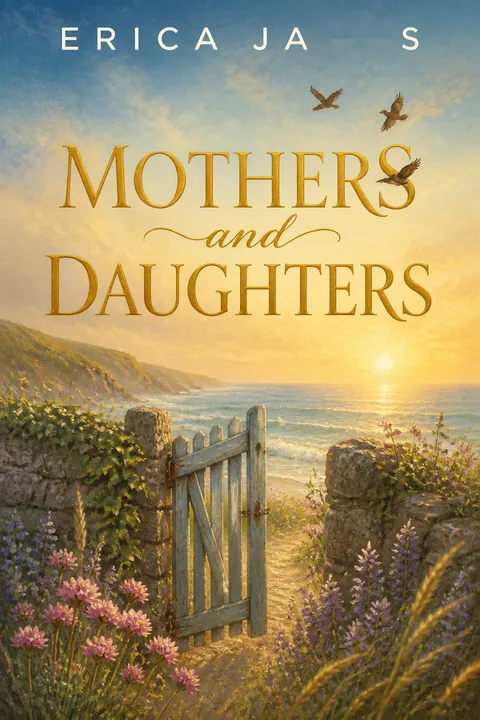
Throughout the novel, motifs such as the sea, gardens, and birds (redshanks, wrens) are used to symbolize the characters' emotional states and the cycles of change. The recurring image of Anchor House as both sanctuary and prison reflects the tension between safety and stagnation. Foreshadowing is used to build suspense—early hints of Rick's controlling nature, Naomi's unease about secrets, and the sisters' rivalry all point toward later crises. The motif of "invisible ink" on Martha's to-do lists symbolizes the unspoken desires and fears that drive the characters.
Secrets and Revelations
The plot is propelled by secrets—Naomi's affair and experience of abuse, Willow's trauma and abortion, Rick's true nature and past, and Martha's hidden vulnerabilities. The gradual revelation of these secrets, often through confrontation or confession, serves as the engine of character development and plot progression. The device of delayed disclosure heightens emotional impact and forces characters to reevaluate their relationships and self-understanding.
Mirroring and Contrast
The novel uses the contrast between Martha and Willow—order versus chaos, ambition versus empathy—to explore the ways families shape and are shaped by individual personalities. Their parallel journeys through love, loss, and motherhood serve as mirrors, reflecting both the pain of rivalry and the possibility of reconciliation. The device of mirroring extends to the older generation, as Naomi's choices echo through her daughters' lives.
Community as Character
The setting of Tilsham and its close-knit community functions as a character in its own right, amplifying the pressures of conformity, gossip, and tradition. The village fête, church events, and local rituals provide a backdrop against which private dramas play out in public. The community's reactions to Naomi's romance, Willow's struggles, and the family's secrets serve to heighten tension and underscore the difficulty of change.

Download PDF
Download EPUB
.epub digital book format is ideal for reading ebooks on phones, tablets, and e-readers.








































