
Plot Summary
Wrestling with the Question
The narrator, a writer nearing forty, is consumed by the question of whether to have a child. She interrogates herself relentlessly, flipping coins for guidance, seeking clarity in the randomness of fate. The decision is not just personal but existential, tangled in love, art, and the meaning of a woman's life. The question is not simply "Do I want a child?" but "What does it mean to want, or not want, motherhood?" The narrator's uncertainty is both a private torment and a universal dilemma, reflecting the pressures and freedoms of contemporary womanhood. The struggle is not just about children, but about identity, legacy, and the right to shape one's own story.
The Oracle of Coins
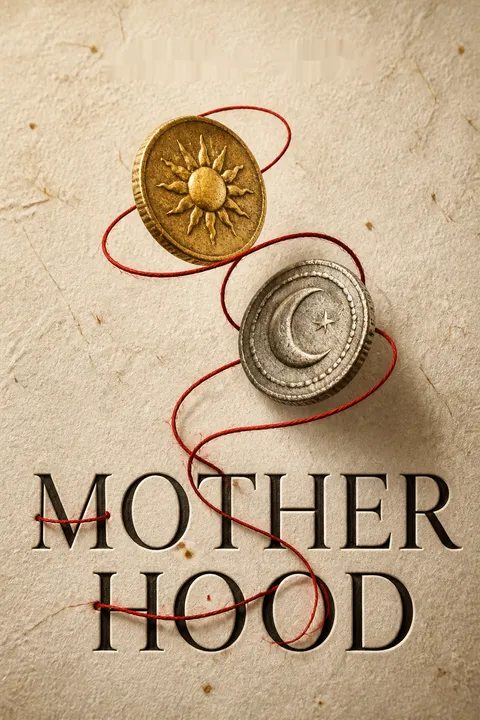
The narrator adopts a ritual of flipping coins, inspired by the I Ching, to answer her most pressing questions. This practice becomes a motif for her indecision, a way to externalize the burden of choice. The coins' answers are sometimes comforting, sometimes absurd, but always force her to confront the limits of reason and the role of chance in life. The oracle is both a crutch and a mirror, reflecting her longing for certainty in a world that offers none. Through this ritual, she explores the tension between agency and surrender, and the desire for a sign that will absolve her of responsibility for her own life.
Inheritance of Sorrow
The narrator's relationship with her mother is fraught with inherited sadness. Her mother, a Holocaust survivor's daughter, is haunted by grief and loss, which the narrator feels has been passed down like a curse. The family's history of trauma, migration, and survival weighs heavily, influencing the narrator's sense of duty, guilt, and the meaning of continuation. The desire to heal her mother's sorrow through writing becomes intertwined with the question of whether to have a child, as if breaking or perpetuating the cycle of pain depends on her choices. The legacy of suffering is both a burden and a source of creative energy.
The Soul of Time
The narrator meditates on the idea that individual souls may be less important than the "soul of time"—a collective, impersonal current that carries all lives. She wonders if her life is an expression of time's soul, or if her choices matter in the grand scheme. This philosophical inquiry offers comfort, suggesting that her struggles are part of something larger, but also threatens to dissolve her sense of agency. The soul of time becomes a metaphor for the cycles of generations, the inevitability of aging, and the futility of trying to control one's destiny. It is both a consolation and a challenge to personal meaning.
Dreams, Doubts, and Miles
The narrator's relationship with Miles, her partner, is a crucible for her anxieties about motherhood and self-worth. Their intimacy is marked by tenderness, arguments, and mutual dependence. Dreams—both literal and metaphorical—reveal her fears of abandonment, inadequacy, and the impossibility of perfect union. Miles's own ambivalence about having another child complicates her decision, as does his pragmatic view of art and parenthood as mutually exclusive vocations. The narrator's longing for reassurance and her fear of being ordinary or replaceable are played out in the daily negotiations of love.
The Siren Song of Motherhood
The narrator is surrounded by friends who are becoming mothers, each with their own stories of ambivalence, joy, and regret. The allure of motherhood is depicted as a siren song—irresistible yet potentially ruinous. The narrator is both drawn to and repelled by the idea, questioning whether her desire is authentic or merely a response to social expectations. She observes how women judge each other's choices, how motherhood is both idealized and resented, and how the absence of children can be seen as a lack or a threat. The pressure to "do her time" as a mother is relentless, yet she resists being defined by it.
The Weight of Choice
The narrator scrutinizes the very nature of choice, recognizing that decisions about motherhood are shaped by forces beyond individual will—biology, circumstance, relationships, and culture. She notes that much of what happens in life is not the result of conscious decision but of accident, timing, and the will of others. The fantasy of control is exposed as just that—a fantasy. The narrator's endless deliberation becomes a form of paralysis, and she wonders if not choosing is itself a choice. The weight of potential futures—lived and unlived—presses down, making every path feel both possible and impossible.
Women's Work, Women's Worth
The narrator interrogates the cultural scripts that equate womanhood with motherhood, and the suspicion cast on women who choose otherwise. She reflects on her own work as a writer, questioning whether creating art can substitute for creating life. The double standard for men and women is stark: men are not judged for childlessness, while women are seen as incomplete. The narrator explores the idea that women who do not mother must justify their existence through exceptional achievement, while mothers are valorized for their sacrifice. The tension between selfhood and service, creation and procreation, is at the heart of her struggle.
The Shadow of the Unborn
The narrator is haunted by the idea of the "unborn child"—the life that might have been, the soul that waits to be born, the guilt of denying existence. She reflects on her abortion at twenty-one, the pressure from doctors and society, and the sense of having thwarted a destiny. The unborn becomes a symbol of both loss and freedom, a shadow that follows her through dreams and waking life. The narrator grapples with the ethics of creation, the fear of regret, and the impossibility of knowing what might have been. The shadow of the unborn is both a wound and a source of clarity.
The Art Versus the Child
The narrator confronts the idea that making art and making children are rival forms of immortality. She wonders if her devotion to writing is a legitimate alternative to motherhood, or a form of avoidance. The demands of art and child-rearing are depicted as mutually exclusive, each requiring total commitment. The narrator's ambivalence is sharpened by the fear that she will be judged as selfish, barren, or incomplete if she chooses art over children. Yet she also sees writing as a way to honor her ancestors, to transform inherited pain into something lasting, and to create meaning beyond biology.
Cycles of Blood and Time
The narrator's bodily cycles become a metaphor for the cycles of life, creativity, and decision. The monthly arrival of blood is both a reminder of fertility and a countdown to its end. The narrator tracks her moods, dreams, and desires through the phases of her cycle, noting how they shape her perceptions of motherhood and self. The approach of menopause brings both relief and grief—the closing of possibility, the end of questioning, and the beginning of a new phase. Time is experienced as both a tyrant and a liberator, marking the limits of choice and the inevitability of change.
The Curse and the Blessing
The narrator explores the idea of a family curse—three generations of women marked by sorrow, loss, and unfulfilled longing. She seeks to understand whether this inheritance can be transformed, whether writing can turn pain into gold. Encounters with psychics, tarot readers, and dreams offer both superstition and insight, suggesting that the struggle with fate is universal. The story of Jacob wrestling the angel becomes a central metaphor: the goal is not to win, but to be blessed by the struggle itself. The narrator comes to see her suffering as both a curse and a blessing, a source of humility and strength.
The Cocoon of Writing
The narrator finds solace and identity in the act of writing, which becomes a cocoon—a space of safety, transformation, and self-discovery. In writing, she can dissolve into "mush" and emerge changed, if not always as a butterfly. The cocoon is both a retreat from the world and a way to engage with it on her own terms. Writing allows her to process pain, to make sense of her ambivalence, and to create a legacy that is not dependent on children. The act of writing is depicted as both a discipline and a grace, a way to inhabit time fully.
The Mirror of Friendship
The narrator's relationships with other women—friends who become mothers, friends who remain childless—serve as mirrors for her own choices and fears. These friendships are marked by envy, misunderstanding, and mutual judgment, but also by deep empathy and solidarity. The narrator observes how each woman's path is shaped by temperament, circumstance, and desire, and how difficult it is to accept the equivalence of different lives. The pain of separation, the longing for connection, and the challenge of respecting difference are recurring themes. Friendship becomes a site of both comfort and conflict, a testing ground for self-acceptance.
The End of Childbearing
As the narrator approaches forty, the question of motherhood loses its urgency. The end of fertility brings a sense of relief, a lifting of the burden of choice. She reflects on the lives she might have lived, the paths not taken, and the freedom that comes with accepting limits. The narrator recognizes that not every life can contain every experience, and that missing out is not necessarily a tragedy. The end of childbearing is both an ending and a beginning—a chance to become her own child, to live for herself, and to find meaning in what remains.
The Gift of Freedom
The narrator comes to value the freedom she has won—freedom from obligation, from the expectations of others, from the tyranny of possibility. She acknowledges the cost of this freedom—loneliness, misunderstanding, the absence of certain joys—but also its rewards: autonomy, creativity, and the ability to shape her own story. The narrator sees her life as a proposition, an experiment in living differently. She honors her mother and grandmother not by repeating their choices, but by living fully in her own way. Freedom is depicted as both a gift and a responsibility, requiring courage and self-forgiveness.
The Mother's Reply
In a climactic exchange, the narrator shares her writing with her mother, seeking validation and release from the burden of inherited sorrow. Her mother responds with love and acceptance, recognizing the magic of their connection and the healing power of the narrator's work. The cycle of pain is not erased, but transformed; the mother's blessing allows the narrator to rest, to let go of guilt, and to accept her life as it is. The act of naming the wrestling place "Motherhood" becomes an affirmation of survival, creativity, and the possibility of grace.
Naming the Wrestling Place
The narrator concludes by reflecting on the journey she has taken—the years of questioning, the pain and joy of ambivalence, the search for meaning in the face of uncertainty. She recognizes that the struggle itself is valuable, that the act of wrestling with the question of motherhood has shaped her life and her art. The blessing is not in the answer, but in the willingness to engage with the hardest questions, to live honestly, and to accept the limits of knowledge and control. The wrestling place is named, and in naming it, the narrator claims her story as her own.
Analysis
Sheila Heti's Motherhood is a profound meditation on the existential question of whether to have a child, but it is also a searching inquiry into what it means to live an authentic life as a woman, artist, and inheritor of generational trauma. The book's fragmented, recursive structure mirrors the narrator's ambivalence, refusing easy answers or narrative closure. Heti interrogates the cultural scripts that equate womanhood with motherhood, exposing the double standards and social pressures that shape women's choices. Through the metaphor of wrestling the angel, the novel suggests that meaning is found not in resolution, but in the willingness to engage with life's hardest questions. The cycles of blood and time, the inheritance of sorrow, and the cocoon of writing all serve as metaphors for transformation, endurance, and the search for grace. Ultimately, Motherhood is a celebration of freedom—the freedom to choose, to question, to create, and to accept the limits of knowledge and control. Heti's narrator emerges not as a hero who conquers doubt, but as a witness to the beauty and pain of living honestly in the face of uncertainty. The book's lesson is that every life is an experiment, and that the struggle to name and claim one's own wrestling place is itself a form of blessing.
Review Summary
Reviews of Motherhood are polarized, averaging 3.64/5. Admirers praise its fearless exploration of societal pressures around childbearing, its lyrical prose, and its deeply relatable insights for women grappling with the decision. Critics, however, find it excessively self-indulgent, repetitive, and lacking perspective, particularly regarding class and privilege. Many note the book resonates most strongly with a narrow demographic of childless, educated women in their late thirties. The unconventional structure—featuring coin tosses and dream sequences—delights some readers while frustrating others.
People Also Read

Characters
The Narrator (Sheila)
The narrator is a fiercely introspective writer, haunted by the question of whether to become a mother. Her psyche is marked by inherited sorrow, intellectual restlessness, and a longing for both freedom and belonging. She is deeply influenced by her family's history of trauma and survival, especially her mother's grief and her grandmother's suffering. Her relationship with Miles is both a source of love and anxiety, mirroring her ambivalence about commitment and self-sacrifice. The narrator's journey is one of wrestling with fate, identity, and the meaning of a woman's life. Through writing, she seeks to transform pain into understanding, and to claim her right to choose her own path.
Miles
Miles is the narrator's boyfriend, a criminal defense lawyer with a child from a previous relationship. He is supportive yet skeptical, loving yet reserved, and often serves as a foil to the narrator's emotional intensity. His own ambivalence about having another child complicates the narrator's decision, and his views on art, work, and parenthood challenge her assumptions. Miles values honesty, courage, and mutual dependence, but struggles with the narrator's moods and insecurities. Their relationship is a crucible for both partners, forcing them to confront their deepest fears and desires.
The Mother
The narrator's mother is a pathologist, the daughter of Holocaust survivors, and a woman marked by loss, ambition, and emotional distance. Her life is shaped by the imperative to work hard, to achieve, and to justify her mother's suffering. She is both a source of inspiration and pain for the narrator, embodying the contradictions of motherhood, duty, and self-sacrifice. The mother's own struggles with depression and regret are passed down to her daughter, but she also offers moments of warmth, wisdom, and eventual acceptance. Her journey mirrors the narrator's, as both seek to reconcile love, work, and the legacy of sorrow.
The Grandmother (Magda)
Magda, the narrator's maternal grandmother, survived Auschwitz and a life of poverty and loss. She is remembered as a woman of intellect, creativity, and resilience, whose ambitions were stifled by circumstance and betrayal. Her suffering becomes a touchstone for the narrator, a symbol of both the endurance and the limits of the maternal line. Magda's story is a reminder of the randomness of fate, the persistence of hope, and the possibility of transformation through art and memory.
Erica
Erica is a close friend of the narrator, whose impending motherhood serves as both a temptation and a warning. Her excitement, anxieties, and interpretations of art and life offer the narrator alternative perspectives on what it means to be a woman and a mother. Erica's choices and insights challenge the narrator to examine her own desires and fears, and their friendship is a space of both support and tension.
Teresa
Teresa is an older friend who counsels the narrator to live according to her own values, rather than succumbing to social pressure. She offers a model of integrity, independence, and self-knowledge, encouraging the narrator to interrogate her desires and to accept the legitimacy of unconventional choices. Teresa's perspective is grounded in experience and empathy, providing a counterpoint to the narrator's self-doubt.
Mairon
Mairon is a friend who has embraced motherhood, advocating for its joys and urging the narrator to join her. Her enthusiasm is both genuine and self-interested, reflecting the desire for communal validation. Mairon's life choices and advice highlight the social dynamics of motherhood, the longing for solidarity, and the difficulty of respecting difference. Her presence in the narrator's life is both comforting and challenging.
Libby
Libby is a high school friend whose unexpected pregnancy and subsequent transformation unsettle the narrator. Libby's journey into motherhood is marked by ambivalence, anxiety, and a sense of inevitability. Her changing relationship with the narrator reflects the broader theme of divergence among women's lives, and the pain of losing shared ground. Libby's experience serves as a catalyst for the narrator's own self-examination.
The Father
The narrator's father is depicted as loving, playful, and emotionally available—a contrast to her mother's severity. He takes on many traditionally maternal roles, providing care and affection. His presence complicates the narrator's understanding of gender, parenting, and the meaning of family. The father's history as an immigrant and survivor adds another layer to the family's legacy of endurance and adaptation.
The Unborn Child
The figure of the unborn child—imagined, dreamed, or aborted—haunts the narrator's psyche. This presence embodies the weight of potential, the fear of regret, and the ethical complexity of creation. The unborn child is both a source of longing and a reminder of freedom, a shadow that shapes the narrator's understanding of herself and her choices.
Plot Devices
Fragmented Narrative and Coin Flipping
The book's narrative is fragmented, moving between memories, dreams, conversations, and philosophical musings. This structure reflects the narrator's ambivalence and the impossibility of a linear resolution. The use of coin flipping as a decision-making tool is both literal and symbolic, representing the desire for external authority and the randomness of fate. The narrative resists closure, embracing uncertainty as a central theme.
Intergenerational Trauma and Inheritance
The legacy of trauma—Holocaust survival, parental sorrow, thwarted ambition—permeates the narrator's life. This inheritance shapes her sense of duty, guilt, and possibility. The struggle to transform inherited pain into something meaningful is a driving force, linking personal choice to collective history. The narrator's quest is not just for self-understanding, but for healing across generations.
Metaphor of Wrestling the Angel
The biblical story of Jacob wrestling the angel becomes a central metaphor for the narrator's journey. The goal is not to defeat the angel (or the question of motherhood), but to be transformed by the struggle. The blessing comes not from resolution, but from endurance, humility, and the willingness to engage with the hardest questions. This metaphor frames the narrative as a spiritual and existential quest.
Cycles and Bodily Time
The narrator's menstrual cycle, and the approach of menopause, provide a temporal framework for the story. The cycles of blood, mood, and fertility mirror the cycles of questioning, longing, and acceptance. Time is experienced as both a constraint and a source of meaning, marking the limits of possibility and the inevitability of change.
Dialogues with Friends and Lovers
The narrator's interactions with friends, lovers, and family serve as catalysts for self-examination. These dialogues reveal the diversity of women's experiences, the pressures of conformity, and the pain of divergence. The interplay of voices creates a chorus of perspectives, highlighting the complexity of choice and the impossibility of universal answers.
Dreams, Oracles, and the Supernatural
Dreams, tarot readings, psychic encounters, and the flipping of coins all serve as means of accessing hidden knowledge or confronting the unknown. These devices blur the line between rationality and superstition, suggesting that the deepest questions cannot be answered by logic alone. The supernatural elements underscore the mystery of fate, desire, and the soul.
Download PDF
Download EPUB
.epub digital book format is ideal for reading ebooks on phones, tablets, and e-readers.








































