
Plot Summary
Sucker-Punching Memories
Aaron Soto, a Bronx teenager, is haunted by his father's suicide and the poverty that shapes his family's life. He struggles to find happiness, feeling the weight of grief and the pressure to be "okay" for his mother and brother. The Leteo Institute, which offers memory-altering procedures, looms in the background as a symbol of hope and escape. Aaron's scar—a smile carved into his wrist—reminds him of his own suicide attempt and the ongoing battle to find meaning and joy in a world that often feels stacked against him. The chapter sets the tone for a story about memory, pain, and the desperate search for happiness, introducing Aaron's close-knit but fractured community and his longing for something more.
Trade Dates and First Loves
Aaron's girlfriend, Genevieve, is his anchor and creative muse. Their relationship is playful and supportive, marked by "Trade Dates" where they share each other's passions—comics for Aaron, art for Genevieve. Yet, beneath the surface, Aaron feels a disconnect, haunted by his past and uncertain about his future. Their intimacy is both a comfort and a source of anxiety, as Aaron grapples with expectations of masculinity and the fear of not measuring up. The chapter explores the complexities of young love, the pressure to perform, and the ways in which relationships can both heal and expose deeper wounds.
Family Day and New Friendships
Family Day is a bittersweet event, highlighting both the strength and fragility of Aaron's support system. The absence of lost loved ones—his father, friends who have moved or died—casts a shadow over the festivities. Aaron's interactions with his friends reveal the unspoken rules and hierarchies of their world, while his chance meeting with Thomas, a new kid from a neighboring project, introduces a spark of possibility. Thomas's openness and humor offer Aaron a glimpse of a different kind of friendship, one that feels both safe and exciting. The chapter underscores the importance of chosen family and the longing for connection.
The Thomas Effect
Thomas quickly becomes central to Aaron's life, offering understanding and acceptance that Aaron has rarely experienced. Their bond deepens through shared secrets, rooftop conversations, and moments of vulnerability. Thomas encourages Aaron to confront his pain and question his assumptions about happiness and identity. As their friendship grows, Aaron begins to see himself—and his world—differently. The possibility of something more than friendship lingers, complicating Aaron's feelings for both Thomas and Genevieve. This chapter captures the transformative power of authentic connection and the risks of opening up.
Happy Faces, Hidden Scars
Aaron's internal struggle intensifies as he navigates his feelings for Thomas and his loyalty to Genevieve. The pressure to conform—to be the "right" kind of son, boyfriend, and friend—becomes overwhelming. Aaron's scar, both literal and metaphorical, symbolizes the pain of living a double life. The Leteo Institute's promise of erasing painful memories becomes increasingly appealing as Aaron's sense of self fractures. This chapter explores the tension between authenticity and survival, and the ways in which shame and fear can drive people to desperate measures.
Love, Lies, and Labels
Aaron's journey toward self-acceptance reaches a turning point as he comes out to Thomas, revealing his attraction to men. Thomas's response is supportive, but the revelation sets off a chain reaction in Aaron's life. His relationship with Genevieve unravels, and his friendships are tested as rumors and prejudices surface. The violence and rejection Aaron faces from those he once trusted expose the dangers of vulnerability in a world that punishes difference. The chapter delves into the complexities of sexual identity, the pain of rejection, and the courage required to live honestly.
Coming Out, Breaking Down
The fallout from Aaron's coming out is swift and brutal. Betrayed by friends and physically attacked, Aaron is left broken and isolated. The trauma triggers the return of suppressed memories, including his relationship with Collin, a boy he once loved and lost. The weight of accumulated pain—family rejection, lost love, and violence—pushes Aaron to the brink. The chapter is a raw exploration of the costs of hiding, the dangers of intolerance, and the resilience required to survive in the face of overwhelming adversity.
The Leteo Solution
Overwhelmed by grief and unable to envision a future, Aaron turns to the Leteo Institute, seeking to erase the parts of himself that cause pain. Supported reluctantly by his mother and guided by Dr. Castle (Evangeline), Aaron undergoes the memory-altering procedure, hoping to become "normal" and happy. The process is both clinical and deeply personal, forcing Aaron to confront the question of whether happiness is possible without authenticity. The chapter examines the allure of forgetting, the ethics of memory manipulation, and the longing for a life free from suffering.
Unwinding the Past
The procedure's effects are temporary; a violent attack unwinds Aaron's altered memories, flooding him with the full weight of his past. He remembers everything—his father's suicide, his love for Collin, his struggles with identity, and the betrayals of friends. The return of these memories is both devastating and clarifying, forcing Aaron to reckon with the reality that happiness cannot be manufactured or maintained through denial. The chapter is a powerful meditation on the necessity of memory, the impossibility of erasing pain, and the importance of facing the truth.
Violence and Vulnerability
As Aaron recovers from his injuries and the shock of regained memories, he must navigate a world that feels both familiar and alien. Relationships are strained—Genevieve and Thomas are distant, his mother is overwhelmed, and his brother Eric is both supportive and resentful. Aaron's vulnerability is laid bare, and he struggles to find meaning in a life marked by loss and disappointment. The chapter explores the long-term effects of trauma, the challenges of rebuilding trust, and the slow process of healing.
The Cost of Forgetting
Aaron discovers he has developed anterograde amnesia—a condition that prevents him from forming new memories. The irony is cruel: in seeking to forget his pain, he has lost the ability to create a future. Aaron's world contracts to a series of yesterdays, and he must rely on routines, notes, and the support of loved ones to navigate daily life. The chapter is a poignant reflection on the limits of science, the dangers of erasing the past, and the enduring need for connection and meaning.
Remember That Time
As Aaron's memory deteriorates, he turns to art and storytelling to preserve the moments that matter. He sketches scenes from his life, plays "Remember That Time" with himself, and clings to the small joys that remain. Relationships are redefined—Genevieve and Thomas move on, Collin fades into the past, and Aaron's family becomes his primary anchor. The chapter is a testament to the resilience of the human spirit, the power of memory, and the possibility of finding happiness even in the face of profound loss.
The Limits of Happiness
Aaron comes to terms with the reality of his condition and the impossibility of returning to the life he once knew. He forgives those who hurt him, releases the hope of romantic love, and embraces the present moment. The chapter is a meditation on acceptance, the necessity of grief, and the courage required to move forward without guarantees. Aaron's journey is both tragic and hopeful, offering a nuanced perspective on what it means to be "more happy than not."
Anterograde Amnesia
Aaron's world becomes a series of beginnings, each day a new challenge to remember who he is and what he values. He relies on notes, sketches, and the kindness of others to navigate a life without continuity. The chapter explores the philosophical implications of memory, the construction of identity, and the ways in which love and happiness persist even when the past is out of reach.
Goodbyes and New Beginnings
Aaron says goodbye to the people who shaped his life—Brendan, Collin, Genevieve, Thomas—and finds peace in the knowledge that he loved and was loved in return. He forgives himself and others, choosing to focus on the moments of joy that punctuated his journey. The chapter is a celebration of resilience, the beauty of impermanence, and the hope that happiness can be found, even if only for a moment.
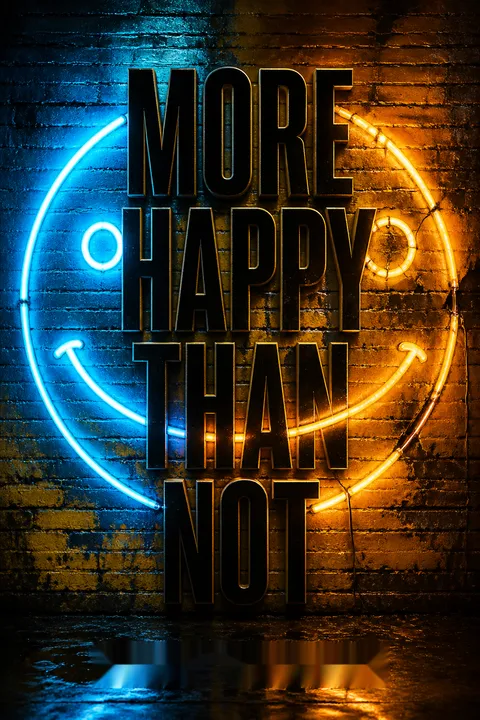
More Happy Than Not
In the end, Aaron embraces the uncertainty of his future, finding meaning in the act of trying, failing, and trying again. He rides his bike, falls, and gets back up—each attempt a metaphor for his ongoing pursuit of happiness. The story closes with Aaron's affirmation that he is, despite everything, "more happy than not," a testament to the enduring power of hope and the human capacity for renewal.
Analysis
Adam Silvera's More Happy Than Not is a searing exploration of memory, identity, and the pursuit of happiness in the face of trauma and societal rejection. Through Aaron Soto's journey, the novel interrogates the costs of hiding one's true self and the dangers of seeking easy solutions to deep pain. The Leteo Institute's memory-altering procedure serves as both a metaphor and a literal device, raising questions about the ethics of forgetting and the role of suffering in personal growth. Silvera's narrative structure—fragmented, nonlinear, and deeply introspective—mirrors the chaos of Aaron's mind and the complexity of healing. The story's emotional arc is unflinching, depicting the brutality of homophobia, the fragility of friendship, and the resilience required to survive. Ultimately, the novel rejects the fantasy of a pain-free life, affirming that happiness is not the absence of suffering but the courage to embrace one's whole self, scars and all. In a world that often demands conformity and punishes difference, More Happy Than Not offers a powerful message of hope: that even in the darkest moments, it is possible to be "more happy than not."
Review Summary
More Happy Than Not received mixed reviews, with many praising its emotional depth and unique take on coming-of-age themes. Readers appreciated the complex characters, thought-provoking plot twists, and Silvera's handling of difficult topics like suicide and sexuality. Some found the sci-fi elements jarring or underdeveloped. The book's ending left many feeling conflicted, with some describing it as heartbreaking yet impactful. Overall, reviewers commended Silvera's writing style and the book's ability to elicit strong emotions, even if they didn't always connect with the characters.
People Also Read






Characters
Aaron Soto
Aaron is the heart of the novel—a sensitive, creative, and deeply wounded teenager navigating grief, identity, and the search for belonging. Scarred by his father's suicide and his own attempt, Aaron is both resilient and fragile, desperate for connection but terrified of rejection. His relationships—with Genevieve, Thomas, Collin, and his family—reveal his longing for love and acceptance. Aaron's journey is marked by self-discovery, heartbreak, and the ultimate realization that happiness cannot be found by erasing pain or denying the truth. His development is a testament to the power of vulnerability, the necessity of memory, and the courage required to live authentically.
Genevieve
Genevieve is Aaron's girlfriend and emotional anchor, offering support and understanding even as their relationship becomes strained. Creative and compassionate, she is both a muse and a mirror, reflecting Aaron's struggles and desires. Genevieve's own grief—her mother's death—parallels Aaron's, deepening their bond. Her willingness to forgive and her capacity for love are both her strength and her vulnerability. Genevieve's journey is one of self-respect and growth, as she learns to let go of a relationship that no longer serves her and to pursue her own happiness.
Thomas Reyes
Thomas is the new friend who transforms Aaron's world, offering acceptance, humor, and a safe space to explore identity. Ambitious yet directionless, Thomas is searching for his own purpose, experimenting with different dreams and personas. His friendship with Aaron is marked by honesty, playfulness, and moments of deep connection. Thomas's refusal to label himself or conform to expectations challenges Aaron to do the same. Though their relationship is ultimately platonic, Thomas's influence is profound, helping Aaron embrace his true self and find hope in the face of adversity.
Collin Vaughn
Collin is Aaron's first real romantic relationship with another boy, a connection marked by secrecy, passion, and eventual betrayal. Collin's inability to accept his sexuality and his decision to return to a conventional life with his pregnant girlfriend mirror Aaron's own fears and struggles. Their relationship is a source of both joy and pain, shaping Aaron's understanding of love, loss, and the dangers of living a lie. Collin's presence lingers as a reminder of what might have been and the importance of self-acceptance.
Elsie Soto (Aaron's Mother)
Elsie is a hardworking single mother, juggling multiple jobs to keep her family afloat. Her love for Aaron is fierce and unwavering, but her own grief and exhaustion sometimes render her distant or overwhelmed. She supports Aaron through his darkest moments, ultimately agreeing to the Leteo procedure out of desperation to see him happy. Elsie's journey is one of sacrifice, guilt, and the painful realization that she cannot shield her son from suffering. Her relationship with Aaron is a testament to the complexities of parental love and the limits of control.
Eric Soto (Aaron's Brother)
Eric is Aaron's older brother, a figure both present and absent in Aaron's life. Consumed by his own grief and distractions, Eric struggles to connect with Aaron, often retreating into video games and avoidance. His occasional moments of support and vulnerability reveal a deep, if unspoken, bond. Eric's development is subtle, marked by small acts of kindness and eventual acceptance of Aaron's identity. He represents the challenges of sibling relationships in the aftermath of trauma.
Brendan
Brendan is Aaron's childhood friend, a product of their environment and its rigid expectations. His loyalty is conditional, and his inability to accept Aaron's sexuality leads to betrayal and violence. Brendan's character is a study in the dangers of conformity, the fear of difference, and the ways in which friendship can become a battleground for identity. His eventual remorse is too little, too late, highlighting the costs of intolerance.
Me-Crazy
Me-Crazy is a neighborhood fixture, known for his wild behavior and capacity for violence. Both feared and tolerated by the group, he represents the unpredictability and danger of their world. His actions—especially the brutal attack on Aaron—serve as a catalyst for the story's climax, exposing the fragility of safety and the ever-present threat of hate.
Dr. Evangeline Castle
Dr. Castle, Aaron's therapist and the Leteo Institute's representative, is both a confidante and a gatekeeper. Her compassion and professionalism are genuine, but her role in Aaron's journey is fraught with ethical dilemmas. She embodies the promise and peril of scientific intervention in human suffering, offering hope while acknowledging the limits of her power. Her relationship with Aaron is marked by empathy, honesty, and the painful recognition that some wounds cannot be erased.
Kyle Lake
Kyle is a former friend who undergoes the Leteo procedure to forget the trauma of his twin brother's death. His absence and transformation serve as a warning to Aaron about the costs of forgetting. Kyle's story is a meditation on grief, memory, and the impossibility of truly escaping the past.
Plot Devices
Memory as Identity
The novel's central device is the manipulation of memory—both voluntary and involuntary—as a means of coping with trauma and constructing identity. The Leteo Institute's procedure offers the promise of erasing pain, but the story reveals that memory is essential to selfhood, growth, and authentic happiness. The narrative structure, with its nonlinear revelations and flashbacks, mirrors the fragmentation of Aaron's mind and the process of piecing together a coherent sense of self. Foreshadowing is used throughout, with references to scars, forgotten friends, and the dangers of denial, building toward the inevitable unraveling of Aaron's altered memories.
Dual Timelines and Unreliable Narration
The story unfolds in two main timelines: Aaron's present-day struggles and the gradually revealed past, including his relationship with Collin and the events leading to his suicide attempt. The use of unreliable narration—Aaron's shifting memories, suppressed truths, and eventual amnesia—creates suspense and invites readers to question the nature of reality and the possibility of change. The interplay between what is remembered and what is forgotten drives the emotional arc and deepens the exploration of trauma and healing.
Symbolism and Motifs
Recurring symbols—Aaron's smiling scar, comic books, games like manhunt and Skelzies—serve as metaphors for resilience, escapism, and the search for meaning. The scar represents both pain and survival, a reminder of the cost of hiding and the possibility of recovery. Comics and games offer Aaron a way to process his experiences, imagine alternative realities, and connect with others. These motifs reinforce the themes of identity, choice, and the tension between fantasy and reality.
The Limits of Science and the Ethics of Forgetting
The Leteo Institute embodies the hope and danger of technological solutions to human suffering. The novel interrogates the ethics of erasing memories, the consequences of denying pain, and the impossibility of achieving happiness through artificial means. The failure of the procedure and Aaron's resulting amnesia highlight the limits of science and the necessity of confronting, rather than escaping, the past.
About the Author




Download PDF
Download EPUB
.epub digital book format is ideal for reading ebooks on phones, tablets, and e-readers.








































