
Key Takeaways
1. Mitochondria: The Ancient Force Powering All Complex Life
If not for the mitochondria, the world would not have evolved beyond single-celled bacteria.
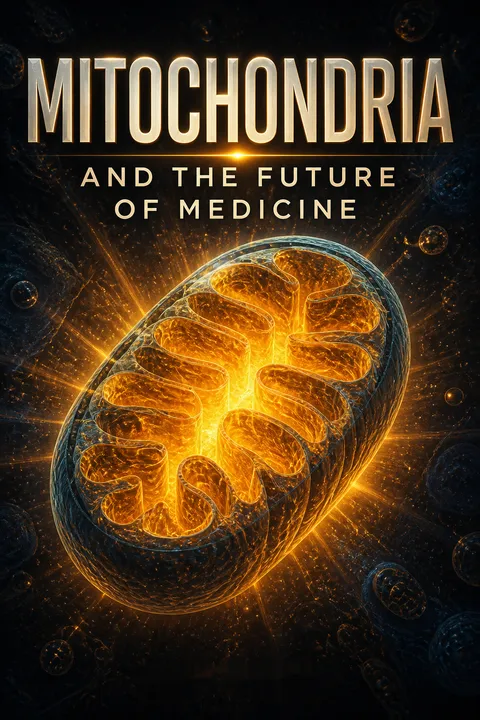
The cellular powerhouse. Mitochondria are tiny organelles within our cells, often called the "powerhouses," responsible for producing nearly all the energy (ATP) our cells need to function. They achieve this through a process called cellular respiration, burning food with oxygen. This process is so efficient that, gram for gram, humans produce ten thousand times more energy than the sun every second.
An ancient symbiosis. Billions of years ago, one bacterium engulfed another, leading to a symbiotic relationship where the engulfed bacterium became specialized in energy production—our mitochondria. This single event was the "decisive moment" in life's history, enabling the evolution of complex multicellular organisms like plants and animals, which are vastly larger and more energy-demanding than single-celled bacteria.
Unique genetic blueprint. Mitochondria retain their own circular DNA (mtDNA), distinct from the nuclear DNA (nDNA) in the cell's control center. This mtDNA is inherited exclusively from the mother and contains genes crucial for controlling local energy production. Its proximity to the energy-generating machinery makes it vulnerable to damage, yet its presence allows for rapid, localized responses to changing energy demands.
2. Mitochondrial Dysfunction: The Root of Aging and Degenerative Diseases
This steady erosion is what’s responsible for many age-related degenerative diseases and even the aging process itself.
The mitochondrial theory of aging. This theory posits that aging and many associated diseases are caused by a slow degeneration in mitochondrial quality. During normal energy production, reactive molecules called free radicals are generated. These free radicals inflict damage, particularly to the vulnerable mtDNA, leading to mutations that compromise mitochondrial function.
Free radicals as signals. While often seen as purely detrimental, free radicals also play an essential signaling role. They act like a "thermostat," alerting the cell to imbalances in energy production and triggering adaptive responses, such as producing more mitochondrial components or initiating programmed cell death (apoptosis) for severely damaged cells. This delicate balance is crucial for cellular health.
Apoptosis: The ultimate quality control. Mitochondria govern apoptosis, or cellular suicide, a critical process for removing worn-out or damaged cells. When this mechanism fails, cells can replicate uncontrollably, leading to cancer. This highlights mitochondria's central role in maintaining the integrity and organization of multicellular organisms, ensuring that individual cells sacrifice themselves for the greater good of the body.
3. Cardiovascular and Brain Health Depend on Mitochondrial Energy
The heart needs 6,000 grams of ATP in a day—replenishing its energy pool ten thousand times!
Heart: A tireless energy consumer. The heart is one of the most metabolically active organs, relying almost entirely on aerobic energy production. Its immense ATP demand makes it highly vulnerable to energy deficits, leading to conditions like angina, congestive heart failure (CHF), and hypertension. Muscle relaxation, surprisingly, requires more ATP than contraction, meaning energy deficiency can impair the heart's ability to relax and fill with blood (diastolic dysfunction).
Brain: An energy-hungry organ. Despite being only 2% of body weight, the brain consumes 20% of the body's total energy at rest. Neurons require vast amounts of ATP for signaling and function, making them extremely sensitive to mitochondrial dysfunction. Conditions like stroke, Alzheimer's, and Parkinson's disease are increasingly linked to impaired mitochondrial function and oxidative stress in brain cells.
Excitotoxicity and neuronal signaling. Overstimulation of nerve cells (excitotoxicity), often by neurotransmitters like glutamate, can deplete neuronal energy, pushing mitochondria to their limits and increasing free radical damage. Furthermore, the rapid movement and energy bursts from mitochondria directly regulate the strength and stability of signals between neurons, underscoring their critical role in cognitive function and preventing neurodegeneration.
4. Chronic Fatigue, Diabetes, and Infertility Signal Mitochondrial Distress
Investigations by Dr. Sarah Myhill and colleagues who have studied various possible root causes of CFS have concluded that CFS is a result of mitochondrial dysfunction.
Chronic fatigue and energy depletion. Conditions like Chronic Fatigue Syndrome (CFS), Myalgic Encephalomyelitis (ME), and Fibromyalgia are characterized by persistent energy undersupply. When energy demand outstrips mitochondrial production, cells resort to less efficient anaerobic metabolism, leading to lactic acid buildup, muscle pain, and the depletion of vital ATP building blocks, hindering recovery.
Diabetes: A metabolic mitochondrial disorder. Type 2 diabetes is increasingly recognized as a mitochondrial disorder. Mitochondrial damage in muscle and liver cells leads to lipid accumulation and insulin resistance. In pancreatic beta cells, chronic overwork to produce insulin eventually damages their mitochondria, leading to beta-cell dysfunction and the progression of the disease.
Infertility and the aging egg. Female fertility declines with age, largely due to the accumulation of mtDNA mutations in oocytes (egg cells). Oocytes require immense energy for rapid cell division after fertilization. Defective mitochondria lead to insufficient energy, often resulting in miscarriage or birth defects like Down syndrome, highlighting the critical role of healthy maternal mitochondria in successful reproduction.
5. Medications and Toxins Can Severely Damage Mitochondria
Despite this, testing for mitochondrial toxicity is still not required by the Food and Drug Administration of the United States, Health Canada, or any other regulatory body responsible for drug approval.
Drug-induced mitochondrial damage. Many commonly prescribed medications can directly or indirectly harm mitochondria, contributing to a wide range of adverse side effects. This damage can occur through various mechanisms:
- Inhibiting key enzymes in the Electron Transport Chain (ETC)
- Depleting essential mitochondrial nutrients
- Increasing free radical production
- Impairing mtDNA replication or transcription
Statins and CoQ10 depletion. Statins, widely used cholesterol-lowering drugs, block the body's natural synthesis of CoQ10, a vital component of the ETC. This "induced deficiency" is theorized to cause many statin side effects, such as muscle pain and damage, underscoring the need for CoQ10 supplementation in statin users.
Acetaminophen and liver toxicity. Acetaminophen, a common pain reliever, is a leading cause of drug-induced liver failure. Its metabolism depletes glutathione, a primary antioxidant, leading to free radical accumulation and mitochondrial dysfunction in liver cells. This highlights how even seemingly benign substances can have profound mitochondrial impacts.
6. D-Ribose and PQQ: Essential for Energy Recovery and Mitochondrial Growth
Early in 2010, researchers found PQQ not only protected mitochondria from oxidative damage, it also stimulated the growth of new mitochondria!
D-Ribose: Replenishing the energy pool. D-ribose, a simple five-carbon sugar, is a crucial building block for ATP. In conditions of energy deficiency (e.g., heart disease, strenuous exercise, fibromyalgia), the body's purine energy pool can be severely depleted. Supplementing with D-ribose rapidly replenishes this pool, improving:
- Heart function and recovery from ischemia
- Exercise tolerance and muscle recovery
- Symptoms of chronic fatigue and muscle pain
PQQ: The mitochondrial biogenesis booster. Pyrroloquinoline quinone (PQQ) is a powerful compound that not only protects existing mitochondria from oxidative damage but also stimulates the growth of new mitochondria (mitochondrial biogenesis). This effect is mediated through key regulatory proteins like PGC-1alpha, leading to:
- Increased longevity and energy utilization
- Neuroprotection and enhanced cognitive function
- Improved reproductive and immune function
7. CoQ10 and L-Carnitine: Critical for Fueling and Protecting Mitochondria
For this reason, CoQ10 is arguably the single most important nutrient for mitochondrial health.
CoQ10: The electron shuttle and antioxidant. Coenzyme Q10 (CoQ10) is a vitamin-like molecule vital for the Electron Transport Chain (ETC), where it shuttles electrons and acts as a powerful antioxidant. Our natural production declines with age and is inhibited by certain medications (e.g., statins). Supplementation can significantly benefit:
- Congestive heart failure (improving heart function)
- Hypertension (normalizing blood pressure)
- Neurodegenerative diseases (protecting brain cells)
- Recovery from cardiac surgery (reducing reperfusion injury)
L-Carnitine: The fatty acid transporter. L-carnitine is essential for transporting long-chain fatty acids into the mitochondria, where they are burned for energy (beta-oxidation). Fatty acids are the preferred fuel source, generating 60-70% of the body's ATP. L-carnitine also helps clear lactic acid buildup and detoxify excess acyl groups, making it crucial for:
- Efficient energy production, especially in the heart and muscles
- Reducing muscle pain and speeding recovery from exercise
- Supporting liver health and managing various metabolic disorders
8. Magnesium, ALA, Creatine, and B Vitamins: The Core Mitochondrial Support
In fact, when we talk about ATP in biology, we’re actually talking about Mg-ATP; that’s how important magnesium is!
Magnesium: The ATP stabilizer. Magnesium is an often-deficient mineral crucial for over 300 biochemical reactions, including ATP production. It binds to ATP, stabilizing it and making it usable. Magnesium deficiency impairs muscle relaxation (including heart and blood vessels), contributing to:
- Hypertension and various cardiovascular diseases
- Muscle cramps and pain
- Insulin resistance and diabetes
Alpha-Lipoic Acid (ALA): The versatile antioxidant. ALA is unique as both a water- and fat-soluble antioxidant, targeting mitochondria directly. It helps produce glutathione and modulates the NAD+/NADH balance, which is critical for activating sirtuins—genes linked to longevity. ALA, especially with L-carnitine, shows promise in:
- Restoring youthful activity and cognitive function
- Protecting against oxidative damage in diabetes and neurodegeneration
Creatine: Rapid ATP regeneration. Creatine, stored as creatine phosphate, rapidly regenerates ATP by donating a phosphate to ADP. This quick energy source is vital for high-intensity activities and is being studied for its benefits in:
- Enhancing athletic performance and muscle strength
- Neuroprotection in diseases like Parkinson's and Huntington's
- Improving heart function in heart failure patients
B Vitamins: The metabolic cofactors. The B vitamins are indispensable cofactors or precursors for numerous metabolic processes within mitochondria:
- B1 (Thiamine): Converts pyruvate to acetyl-CoA for the TCA cycle.
- B2 (Riboflavin): Components of FMN and FAD, shuttling electrons in the ETC.
- B3 (Niacin): Precursor to NAD+ and NADH, crucial for sirtuin activation and energy metabolism.
- B5 (Pantothenic Acid): Precursor to Coenzyme A, essential for glycolysis and fat metabolism.
- B6 (Pyridoxine): Cofactor for over 70 enzymes in energy metabolism and neurotransmitter synthesis.
- B12 (Cobalamin): Involved in SAMe generation, supporting creatine formation and ETC components.
9. Calorie Restriction and Ketogenic Diets: Powerful Metabolic Interventions
This pilot study has single-handedly altered our understanding of type 2 diabetes, which was thought to be a lifelong, irreversible condition.
Calorie restriction: The longevity secret. Restricting caloric intake (while maintaining nutrient density) is the only proven method to extend maximum life span in numerous species, including primates. This works by reducing the "fuel" (electrons) entering the ETC, thereby lowering free radical production and slowing mitochondrial decay. Benefits include:
- Delayed aging and increased longevity
- Reduced risk of cardiovascular diseases, cancers, and diabetes
- Maintaining a "biologically younger" state for longer
Ketogenic diets: Fueling the brain and reversing disease. Ketone bodies, produced from fatty acid breakdown, serve as an efficient alternative fuel source for the heart and brain, especially during glucose scarcity. Ketogenic diets, by inducing nutritional ketosis, are showing remarkable therapeutic potential for:
- Treating drug-resistant epilepsy
- Supporting brain health in Alzheimer's and Parkinson's diseases
- Reversing type 2 diabetes, as demonstrated in recent clinical trials
Mechanisms of action. Both calorie restriction and ketogenic diets reduce oxidative stress and promote mitochondrial health. Beta-hydroxybutyric acid, a key ketone body, can block enzymes that promote free radical damage and activate anti-aging genes like sirtuins, which are crucial for regulating energy metabolism and longevity.
10. Exercise and Lifestyle: The Ultimate Mitochondrial Rejuvenators
"Movement is medicine" is a catch-phrase we should all live by.
The exercise paradox explained. While exercise temporarily increases free radical production, moderate, non-exhaustive physical activity is incredibly beneficial. The free radicals generated during exercise act as signals, prompting the cell to:
- Increase mitochondrial biogenesis (create more mitochondria)
- Produce more components for the Electron Transport Chain (ETC)
- Use up ATP, preventing electron backlog and excessive free radical leakage at rest
Building mitochondrial capacity. This adaptive response means that physically fit individuals, at rest, have an abundance of "spare capacity" in their mitochondria, producing far fewer free radicals than sedentary individuals. This increased capacity translates to improved physical performance and a reduced risk of age-related diseases.
Aerobic and HIIT for brain and body. Aerobic exercise (e.g., brisk walking, running) can increase mitochondrial numbers in muscle cells by up to 50% in weeks and has profound cognitive benefits, including:
- Increased hippocampus size (improving memory)
- Higher levels of brain-derived neurotrophic factor (BDNF), stimulating neuroplasticity
High-intensity interval training (HIIT) is particularly effective at boosting mitochondrial production and endurance.
Cold exposure and brown fat. Lifestyle interventions like chronic cold exposure (e.g., turning down the thermostat, cold showers) can induce the formation of brown adipose tissue (BAT) or "beige fat." BAT is rich in mitochondria and uncoupling proteins (UCPs), which dissipate energy as heat, reducing free radical leakage and improving:
- Metabolic rate and weight management
- Insulin sensitivity and glucose metabolism
- Protection against mitochondrial damage
People Also Read










Download PDF
Download EPUB
.epub digital book format is ideal for reading ebooks on phones, tablets, and e-readers.








































