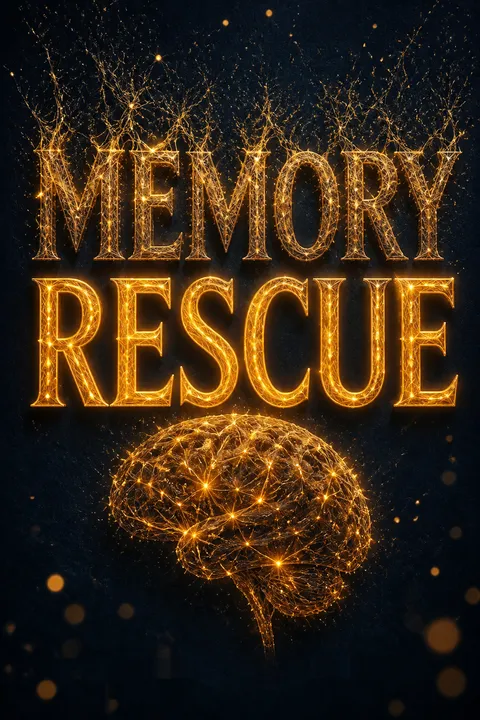

Key Takeaways
1. Your Brain's History Isn't Its Destiny: You Can Improve Your Memory.
You are not stuck with the brain you have. You can make it better, even if you have been bad to it—and I can prove it.
Empowering truth. Dr. Amen's decades of clinical experience, backed by over 135,000 brain scans, reveal a profound truth: brain health is dynamic, not fixed. Even if you've experienced memory issues or made unhealthy choices, your brain possesses remarkable neuroplasticity—the ability to form new connections and rewire itself. This means that with the right strategies, you can actively improve your cognitive function and memory, regardless of your past.
Brain health matters. Your brain is the central command center for everything you do, think, and feel. A healthy brain leads to better decision-making, which in turn enhances relationships, job performance, finances, physical health, and overall happiness. Conversely, a troubled brain can lead to sadness, sickness, and reduced success. Investing in your brain's health is investing in the quality of your entire life.
A personal mission. Dr. Amen's journey into brain imaging began with a personal crisis and a frustration with traditional psychiatry's failure to "look at the organ it treats." His work with SPECT scans revolutionized his understanding, proving that functional problems precede structural ones and that targeted interventions can lead to dramatic improvements, even in severe cases like traumatic brain injury or long-standing memory loss.
2. Memory Loss is Not Inevitable: Early Detection and a Proactive Approach are Key.
Developing brain fog or feeling as if your memory is slipping when you are in your forties, fifties, sixties, seventies, or even eighties is common, but it’s not normal.
Common, not normal. While memory problems are frequently associated with aging, they are not an unavoidable part of it. These symptoms are critical early warning signs that your brain may be deteriorating, often decades before a formal diagnosis of dementia. Ignoring these subtle shifts can lead to significant problems down the line, as subjective cognitive decline often progresses to more severe impairment.
The preclinical stage. New staging guidelines recognize a "preclinical" level of cognitive decline where negative changes are visible on brain scans even without obvious symptoms. This highlights the urgency of early intervention. For instance, a person diagnosed with Alzheimer's at 59 likely showed signs of deterioration by age 30. Proactive assessment allows for interventions when they are most effective.
Self-assessment is vital. Regular self-assessment is crucial for detecting early warning signs. Tools like the Amen Clinics’ Early Warning Signs Questionnaire or comprehensive online cognitive tests like Brain Fit WebNeuro can provide objective insights into your brain's function. Identifying issues early, especially if you have a family history of dementia, empowers you to take immediate steps to protect your most important organ.
3. The BRIGHT MINDS Framework: Your Comprehensive Roadmap to Memory Rescue.
The best way to sharpen your memory, reverse brain aging, and prevent AD is to eliminate, prevent, or treat all of the risk factors that steal your mind, represented by the mnemonic (a memory device) BRIGHT MINDS.
Holistic approach. Memory loss and dementia are complex, multi-faceted conditions, not single disorders with simple fixes. The BRIGHT MINDS mnemonic provides a comprehensive framework to identify and address the many interconnected risk factors that contribute to cognitive decline. This integrated strategy is far more effective than focusing on isolated symptoms or single interventions.
Interconnected risks. Each letter in BRIGHT MINDS represents a critical area of brain health:
- B – Blood Flow
- R – Retirement/Aging
- I – Inflammation
- G – Genetics
- H – Head Trauma
- T – Toxins
- M – Mental Health
- I – Immunity/Infection Issues
- N – Neurohormone Deficiencies
- D – Diabesity
- S – Sleep Issues
Personalized plan. By assessing your individual risk factors across this spectrum, you can create a personalized Memory Rescue plan. This involves understanding how each factor impacts your brain and implementing targeted strategies—from diet and exercise to supplements and therapies—to mitigate those risks. This proactive, multi-pronged approach is key to preventing or even reversing memory problems.
4. Optimize Blood Flow: The #1 Predictor of Future Brain Health.
Low blood flow in the brain is the number one predictor of future memory problems and Alzheimer’s disease and how quickly your brain will deteriorate.
Brain's lifeline. Blood is the vital channel supplying your brain cells with essential nutrients and oxygen while clearing away toxins. Your brain, though only 2% of your body weight, consumes 20-30% of your calories and 20% of your oxygen and blood flow. Compromised blood flow starves brain cells, leading to premature aging and damage, making it the most critical factor in cognitive decline.
Heart-brain connection. "Whatever is good for your heart is good for your brain, and whatever is bad for your heart is also bad for your brain." Conditions like hypertension, cardiovascular disease, and even erectile dysfunction (a sign of systemic blood flow issues) significantly increase dementia risk. Protecting your blood vessels through lifestyle choices is paramount for long-term brain health.
Actionable steps. To boost brain blood flow:
- Exercise regularly: Burst training, strength training, and coordination activities like table tennis enhance circulation and neurogenesis.
- Manage blood pressure: Adopt a plant-based diet, limit salt, and consider supplements like magnesium and CoQ10.
- Avoid vascular damage: Quit smoking, limit caffeine and alcohol, and address sleep apnea.
- Support the blood-brain barrier: Eliminate gluten, dairy, and toxins, and use targeted nutraceuticals like ginkgo biloba and omega-3s.
5. Combat Inflammation & Toxins: Protect Your Brain from Internal and External Assaults.
Inflammation is the cornerstone of Alzheimer’s disease and Parkinson’s, multiple sclerosis—all of the neurodegenerative diseases are really predicated on inflammation.
Internal fire. Chronic inflammation acts like a persistent, low-level fire, destroying organs and shrinking vital brain structures like the hippocampi. While acute inflammation is a necessary healing response, chronic inflammation, fueled by environmental toxins, poor diet, stress, and infections, contributes to a wide range of illnesses, including neurodegenerative diseases and memory loss.
Toxic burden. Toxins, whether ingested, absorbed through the skin, or inhaled, directly damage the brain. They disrupt enzyme systems, lower cerebral blood flow, damage DNA, alter gene expression, and impair cell communication. This "scalloping" pattern of low activity is visible on SPECT scans of individuals exposed to substances like mold, heavy metals, or even certain personal care products.
Detoxify your life. Reducing your toxic load and strengthening your body's detoxification systems (gut, liver, kidneys, skin) is crucial.
- Limit exposure: Quit smoking, reduce alcohol, avoid processed foods, choose organic produce, and use non-toxic personal care and cleaning products.
- Support detoxification: Consume fiber-rich foods, brassicas, and specific nutraceuticals like NAC, curcumin, and zinc.
- Sweat it out: Regular exercise and saunas can help excrete toxins through the skin.
6. Balance Hormones & Blood Sugar: Essential for Brain Vitality and Preventing Diabesity.
As your weight and blood sugar go up, the size and function of your brain goes down.
Hormonal symphony. Your body's hormones, from thyroid to sex hormones (estrogen, progesterone, testosterone) and stress hormones (cortisol, DHEA), orchestrate countless bodily functions, including brain health. Imbalances can lead to depression, anxiety, brain fog, and increased risk of dementia. For instance, low thyroid activity often results in decreased brain activity and memory issues.
Diabesity's threat. The alarming rise of "diabesity"—the combination of diabetes and obesity—is a major driver of cognitive decline. Chronically high blood sugar damages blood vessels, leading to brain atrophy and memory problems, so much so that Alzheimer's is sometimes called "type 3 diabetes." Excess body fat, especially abdominal fat, produces inflammatory chemicals and stores toxins, further harming the brain.
Restore balance. To optimize hormones and blood sugar:
- Memory Rescue Diet: Eliminate sugar, processed carbs, and unhealthy fats; prioritize protein, healthy fats, and high-fiber, low-glycemic fruits and vegetables.
- Regular testing: Monitor fasting blood sugar, HbA1c, insulin, thyroid, DHEA, and sex hormone levels annually.
- Lifestyle changes: Engage in regular exercise (especially strength training), manage stress, and ensure adequate sleep.
- Targeted supplements: Consider chromium picolinate, alpha-lipoic acid, magnesium, and vitamin D3 to support insulin sensitivity and hormonal balance.
7. Prioritize Sleep & Mental Health: Your Brain's Daily Cleanse and Emotional Foundation.
Your brain cleanses or “washes” itself during sleep. The brain has a special waste management system that helps get rid of toxins that build up over the course of a day, including the beta-amyloid plaques associated with Alzheimer’s disease.
Sleep's vital role. Sleep is not merely rest; it's your brain's essential nightly detoxification process. During sleep, your brain's waste management system actively clears out toxins, including beta-amyloid plaques linked to Alzheimer's. Chronic insomnia and untreated sleep apnea disrupt this crucial cleansing, leading to brain fog, memory problems, and increased risk of dementia.
Mind-brain connection. Your mental health profoundly impacts your brain's function and memory. Conditions like depression, anxiety, ADHD, PTSD, and chronic stress are significant risk factors for cognitive decline, inflammation, and vascular issues. Untreated mental health problems can lead to decreased blood flow, reduced hippocampal size, and accelerated brain aging.
Cultivate well-being. To enhance sleep and mental health:
- Optimize sleep hygiene: Aim for 7-8 hours of quality sleep, create a cool, dark, quiet bedroom, avoid screens before bed, and establish a consistent sleep schedule.
- Treat sleep disorders: Address sleep apnea immediately with a CPAP mask or other interventions.
- Manage stress: Practice prayer, meditation (like loving-kindness meditation), and engage in activities that bring joy and competence.
- Seek help: Don't hesitate to consult mental health professionals for conditions like depression or ADHD; natural interventions and, if necessary, medication can significantly improve outcomes.
8. Engage in Lifelong Learning & Social Connection: Use It or Lose It for a Sharper Mind.
When you stop learning, your brain starts dying.
Brain as a muscle. Just like muscles, your brain thrives on challenge and newness. Lifelong learning creates new neural connections, enhancing memory and cognitive capacity. Conversely, a lack of mental stimulation leads to atrophy, or shrinkage, of brain regions. Even complex routine activities don't offer the same benefits as acquiring novel knowledge or skills.
The power of newness. Engaging in activities that are challenging and unfamiliar is key to "whole-brain combination workouts." This could involve learning a new language, playing a musical instrument, mastering a strategy game like chess, or even using your non-dominant hand for daily tasks. These activities force your brain to forge new pathways, maintaining and improving function in less-used areas.
Social animals. Humans are hardwired for social connection, and isolation is a significant risk factor for cognitive decline. Loneliness and disconnection can have negative physical and neurological effects, accelerating cognitive decline by as much as 20%. Cultivating friendships, volunteering, and engaging in community activities provide vital mental stimulation and emotional support, contributing to a longer, sharper life.
9. The Memory Rescue Diet: Food is the Most Powerful Medicine for Your Brain.
To rescue your memory, choosing the right foods is one of the most important strategies of all.
Fuel for thought. Your brain is the most energy-hungry organ, consuming 20-30% of your daily calories. The quality of your food directly dictates the quality of your brain function. A "fast-food diet" leads to a "fast-food mind," less capable of quick thinking and reliable decision-making. The Memory Rescue Diet focuses on nourishing your brain for optimal performance.
Abundance, not deprivation. Shift your mindset from focusing on what you "can't have" to the abundance of brain-healthy foods you can enjoy. This diet emphasizes:
- High-quality protein: Hormone- and antibiotic-free, grass-fed meats, wild-caught fish, legumes, nuts, and seeds.
- Healthy fats: Unsaturated fats (omega-3s, olive oil, avocados) are crucial for brain cell membranes and cognitive function. Avoid trans fats and excessive omega-6s.
- Colorful produce: A rainbow of fruits and vegetables provides antioxidants and phytonutrients that protect against inflammation and aging.
- Smart carbohydrates: High-fiber, low-glycemic options like non-starchy vegetables and berries.
Eliminate the culprits. Sever ties with foods that actively harm your brain:
- Sugar: The worst carbohydrate, it spikes blood sugar, increases inflammation, and impairs learning and memory.
- Processed foods: Often laden with unhealthy fats, sugar, artificial ingredients, and toxins.
- Unhealthy grains: Modern, hybridized grains (especially wheat and corn) can cause inflammation, leaky gut, and insulin resistance.
- Unfiltered water & toxic products: Reduce your overall toxic load.
10. Targeted Nutraceuticals: Strategic Support for Brain Function.
Every day I personally take targeted nutraceuticals because I believe they make a significant difference in my life.
Beyond diet. While a brain-healthy diet is foundational, targeted nutraceuticals—supplements with medicinal properties—can provide additional support for specific brain functions and risk factors. Dr. Amen's research, including studies with NFL players, demonstrates that high-quality, targeted supplements can significantly improve cerebral blood flow, memory, attention, and processing speed.
Strategic supplementation. Nutraceuticals are not a magic bullet but a powerful adjunct to lifestyle changes. They generally have fewer side effects and are less expensive than many prescription medications. However, quality control is crucial, and consultation with an integrative medicine doctor is recommended to ensure proper dosage and avoid interactions.
Key brain-boosting nutraceuticals:
- Omega-3 Fatty Acids (EPA & DHA): Essential for blood flow, reducing inflammation, and improving memory and mood.
- Ginkgo Biloba Extract: Enhances cerebral blood flow and memory.
- Acetyl-L-Carnitine (ALCAR): Supports mitochondrial energy production and cognitive function.
- Phosphatidylserine (PS): Crucial for cell membrane health and memory formation.
- Curcumin: Potent anti-inflammatory and antioxidant, helps reduce beta-amyloid plaques.
- Vitamins B6, B12, Folate, and D3: Vital for reducing homocysteine, supporting neurotransmitter production, and overall brain health.
Review Summary
Memory Rescue receives mostly positive reviews, with readers praising its comprehensive approach to brain health and memory improvement. Many find the information valuable and actionable, appreciating the scientific backing and case studies. Some criticize the book's repetitiveness and view it as an advertisement for Amen Clinics. Readers appreciate the BRIGHT MINDS framework and practical tips for enhancing memory and preventing cognitive decline. While some find the wealth of information overwhelming, others consider it a valuable reference for maintaining brain health throughout life.
People Also Read








About the Author
Other books by Daniel G. Amen



Download PDF
Download EPUB
.epub digital book format is ideal for reading ebooks on phones, tablets, and e-readers.








































