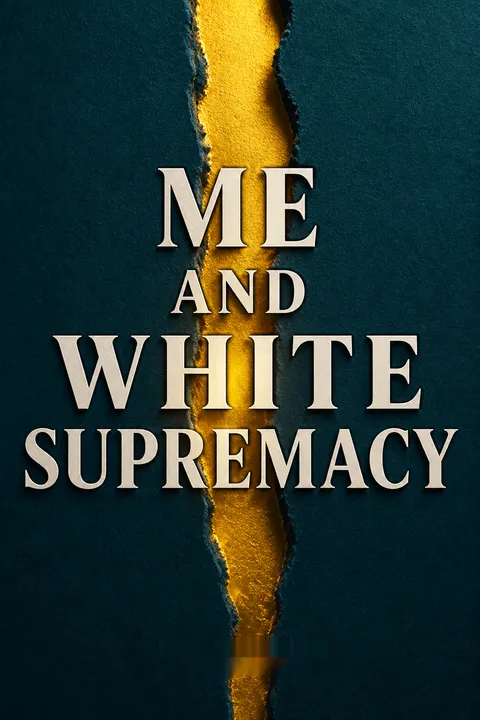

Key Takeaways
1. Understanding White Supremacy as a Pervasive System, Not Just Individual Acts
The system of white supremacy was not created by anyone who is alive today. But it is maintained and upheld by everyone who holds white privilege—whether or not you want it or agree with it.
Beyond overt racism. White supremacy is not merely the extreme ideology of neo-Nazis or the KKK; it is a deeply embedded, dominant paradigm that structures norms, rules, and laws in white-centered societies. It's an ideology, a worldview, and an institutional system that you are born into, granting unearned privileges whether you consciously choose them or not. This book aims to help you understand how this system operates within you and your communities.
Personal work, systemic impact. While this book focuses on personal and individual white supremacy, recognizing that systems are upheld by individuals means that internal change can create a ripple effect. By examining your complicity, you take responsibility for dismantling the system that benefits you at the expense of Black, Indigenous, and People of Color (BIPOC). This is about questioning, challenging, and ultimately dismantling a system that has caused immense suffering.
Truth, love, commitment. Engaging with this work requires your truth, love, and unwavering commitment. It is not an easy journey, but a challenging, personal, and often heartbreaking one that demands honesty about your internalized white supremacy. This deep self-reflection is crucial for moving beyond superficial understanding and activating meaningful change, driven by a desire for justice, integrity, and equity for all people.
2. Confronting Your White Privilege and Its Unseen Benefits
White privilege is the reward that white and white-passing people receive in exchange for participating in the system of white supremacy—whether that participation is voluntary or involuntary.
Unearned advantages. White privilege describes the unearned advantages granted to individuals because of their whiteness or ability to "pass" as white. It's an "invisible package of unearned assets" that you can rely on daily, often without conscious awareness. This privilege is a social construct, not a biological fact, yet it creates a world of difference in how people are treated.
Real-world examples. Peggy McIntosh's work highlights how white privilege manifests in everyday life, from being able to:
- Arrange to be in the company of people of your race most of the time.
- See your race represented in national heritage narratives and media.
- Find products and services that cater to your cultural traditions and physical traits.
- Not have to educate your children about systemic racism for their daily physical protection.
- Be sure that your race won't work against you in legal or medical situations.
Cost for BIPOC. Your white privilege protects you from negative experiences and grants positive ones that BIPOC generally do not have. This comes at a steep cost for those who are not white. Choosing not to look at your privilege is itself an expression of that privilege, as BIPOC do not have the luxury of ignoring how race impacts their lives. To dismantle white supremacy, you must first see and understand your complicity.
3. Recognizing and Dismantling White Fragility
It is white people’s responsibility to be less fragile; People of Color don’t need to twist themselves into knots trying to navigate us as painlessly as possible.
Intolerance to racial stress. White fragility is a state where even minimal racial stress becomes intolerable, triggering a range of defensive reactions. This often stems from a lack of exposure to nuanced conversations about racism and a superficial understanding of white supremacy, leading white individuals to perceive criticism of the system as a personal attack on their individual goodness.
Manifestations of fragility. White fragility can show up as:
- Anger, defensiveness, fear, arguing, crying, or shutting down.
- Calling authorities (police, managers, social media censors) on BIPOC.
- Physically leaving discussions or deleting online comments.
- Taking on a victim position when actually perpetrating racial harm.
Dangerous impediment. This fragility makes you an unreliable ally, preventing you from truly hearing and understanding the pain of BIPOC. Instead of empathy, you might minimize their experiences, making them feel unsafe. Ultimately, white fragility, rooted in fear, can escalate into active harm, striking back against those who challenge the racist status quo.
4. Unpacking the Harm of White Silence
We will have to repent in this generation not merely for the hateful words and actions of the bad people but for the appalling silence of the good people.
Complicit inaction. White silence is the act of people with white privilege staying complicitly silent on issues of race and white supremacy. It's not a neutral stance but a method of self-protection and a defense of the white supremacist status quo, allowing it to remain unchallenged and firmly in place. This silence often stems from white fragility, a fear of being unable to discuss race without emotional breakdown.
Everyday manifestations. White silence shows up in various ways:
- Staying quiet when family or friends make racist jokes or comments.
- Ignoring discrimination against colleagues of color at work.
- Not engaging in conversations about race due to discomfort.
- Failing to attend protests against racism or for marginalized groups.
- Not holding other white people accountable for racist behavior.
Silence is violence. White silence actively protects the system of white supremacy, signaling an acceptance of the way things are because they don't negatively affect you. It sends a loud message that you side with white supremacy, leaving BIPOC unsure if they can feel safe with you. Even for introverts, using your voice—whether through writing, showing up, or speaking up—is crucial to disrupt this harmful inaction.
5. Recognizing and Resisting Tone Policing
But is it my manner that keeps her from hearing, or the threat of a message that her life may change?
Focus on tone, not content. Tone policing is a tactic used by those with privilege to silence marginalized voices by shifting focus from the message's content to its delivery. BIPOC are often expected to cater to the "white gaze" and white fragility, using tones deemed "soft" or "eloquent," while expressions of anger are dismissed as "aggressive" or "unproductive."
Subtle and overt. This policing isn't always spoken aloud; it can exist as internal thoughts or behind closed doors, influencing how white individuals interact with BIPOC. The double standard is evident in how a white person's anger might be seen as righteous, while a Black person's anger is deemed dangerous, as seen in the disparate treatment of athletes like Serena Williams.
Dehumanizing effect. Tone policing is a cruel form of gaslighting, making BIPOC question their perceptions and sanity by demanding they discuss painful experiences without expressing emotion. It reinforces white supremacist norms, implying that white standards of communication are superior and that BIPOC must dehumanize themselves to be heard. Understanding this allows you to challenge your own complicity and allow BIPOC their full humanity.
6. Excavating Internalized White Superiority and Exceptionalism
Sadly, most white people are more worried about being called racist than about whether or not their actions are in fact racist or harmful.
Belief in inherent betterment. White superiority is the belief that white people are inherently better and thus deserve to dominate other races. While extreme forms are obvious, subtle versions exist unconsciously even in progressive white individuals. This belief is deeply ingrained from a young age through education, media, and societal norms that center whiteness as the standard of intelligence, beauty, and worth.
"One of the good ones." White exceptionalism is the belief that you are exempt from the conditioning and benefits of white supremacy, often declared with phrases like "I voted for Obama" or "I have Black friends." This mindset shields white individuals from doing the necessary antiracism work, falsely convincing them they are not part of the problem. It's a form of white apathy disguised as pride.
Dangerous complacency. This belief in exceptionalism prevents genuine self-reflection and action. As Dr. Martin Luther King Jr. noted, "shallow understanding from people of good will is more frustrating than absolute misunderstanding from people of ill will." If you believe you are exceptional, you won't do the work, and you will continue to cause harm, even unintentionally, by relaxing into the comfort of white supremacy.
7. Addressing Anti-Blackness in All Its Forms
Because blacks so profoundly symbolize race in the white consciousness, any white person who wants to challenge racism and engage in antiracist practice must work to specifically address the messages they have internalized about black people.
Unique discrimination. Anti-Blackness is the specific discrimination, violence, and harm imposed on Black people globally, stemming from their profound symbolism of "race" in white consciousness. It's an ugly truth that requires direct confrontation, moving beyond intellectualizing to heartfelt understanding of its devastating impact. This includes recognizing its manifestations across gender and age.
Against Black women. Black women face misogynoir, the intersection of anti-Black racism and sexism, leading to dehumanizing stereotypes like "Mammy," "Jezebel," or "Strong Black Woman." They are often underrepresented, their styles appropriated, and expected to bear the emotional labor of dismantling white supremacy. This results in real-world harm, such as the Black maternal health crisis, where Black women are three to four times more likely to die from pregnancy-related causes than white women.
Against Black men and children. Black men are stereotyped as sexually aggressive, violent, or unintelligent, leading to criminalization and fear, as tragically seen in cases like the Central Park Five. Black children, from as young as five, are "adultified," perceived as older, less innocent, and more culpable than their white peers, justifying harsher treatment and police violence. This anti-Blackness denies Black people their full humanity from childhood onward.
8. Deconstructing Racist Stereotypes and Color Blindness
White people think it is a compliment when they do not ‘see’ you as a black person.
The illusion of "not seeing color." Color blindness is the idea that one doesn't "see" race or treat people differently based on it. This seemingly noble stance is, in reality, a "magic trick" designed to absolve white people of complicity in white supremacy. It minimizes and erases the lived experiences of BIPOC, gaslighting them into questioning if their racialized experiences are real, and avoids confronting one's own whiteness and privilege.
Stereotypes as justification. Racist stereotypes, whether about Black, Indigenous, Latinx, Asian, or Arab people, emphasize "otherness" and threat, reinforcing the idea that non-white people are inferior and deserve their marginalized status. These stereotypes, often perpetuated by media and politicians, fester internally as subtle, dangerous justifications for systemic inequities.
Uncovering internal biases. While you may not consciously believe these stereotypes, they often live subconsciously, influencing your perceptions and actions. Uncovering these internal biases helps you see how you contribute to white supremacy by accepting its lies about the inferiority of those who don't look like you, thereby justifying their unequal treatment in society.
9. Recognizing and Resisting Cultural Appropriation
When you’re a member of the privileged group, you don’t take kindly to someone telling you that you can’t do something.
Dominant exploiting non-dominant. Cultural appropriation is the adoption or exploitation of a non-dominant culture by a dominant one, often stripping cultural elements of their original context, meaning, and significance to serve or pleasure whiteness. It's not about cultural sharing, but about a power imbalance where the dominant culture profits—financially or socially—while the marginalized culture is often simultaneously ridiculed or erased.
Beyond "that was in the past." Arguments that "that was in the past" or "cultural sharing solves racism" are flawed. Racism and its historical impacts are still present, making true egalitarian cultural exchange impossible. When white individuals appropriate, they often tokenize and exoticize BIPOC culture while continuing to dehumanize the people themselves, demonstrating a lack of genuine respect or understanding.
Rewriting history. Cultural appropriation rewrites history with whiteness at the center. Practices once vilified when performed by BIPOC (e.g., Black hairstyles, Native American spiritual rituals) are suddenly deemed "edgy" or "enlightened" when adopted by white individuals, often without credit or compensation. This commodification of BIPOC culture, while discarding actual BIPOC, is a form of racism that must be actively wrestled with and dismantled.
10. Practicing Authentic Allyship vs. Performative Actions
Racism should never have happened and so you don’t get a cookie for reducing it.
Allyship is a practice, not an identity. Authentic allyship is an active, consistent, and challenging practice of unlearning and reevaluating, working in solidarity with marginalized groups. It's not self-defined; its effectiveness must be recognized by those it aims to support. In contrast, optical allyship (or performative allyship) is surface-level, designed to platform the "ally" and make a statement without genuinely disrupting oppressive power systems.
Signs of optical allyship. Optical allyship is driven by a desire to avoid being called racist or to gain social recognition, praise, and acknowledgment. It creates the look of diversity and inclusion without substantive change in policy, education, or transfer of privilege. It often involves:
- Jumping into activism without personal self-reflection.
- Tokenizing BIPOC for visual effect.
- Virtue signaling on social media without deeper work.
- Positioning oneself as an ally leader while overshadowing BIPOC.
- Avoiding real risk or discomfort.
Centering the marginalized. True allyship involves taking on the struggle as your own, standing up even when scared, and transferring the benefits of your privilege to those who lack it. It acknowledges your pain but understands the conversation is not about you. Optical allyship, however, is another form of white centering, affirming white privilege while either failing to be a true ally or actively harming BIPOC.
11. Embracing Discomfort and Learning from Being Called Out/In
Mistakes are a fact of life. It is the response to error that counts.
Invitation to awareness. Being called out or called in are methods to highlight problematic behaviors, aiming for changed behavior and amends. While never comfortable, these moments are invitations to become aware of hidden biases and an opportunity to learn and do better. White fragility, superiority, and exceptionalism often exacerbate defensive reactions, preventing genuine reception of feedback.
Impact over intention. A common reaction to being called out is to focus on one's good intentions, minimizing the actual harm caused. This is a form of white centering, prioritizing the feelings of the privileged person over the pain experienced by BIPOC. True growth requires acknowledging that impact matters more than intent, just as an accidental bump still warrants an apology.
Part of the work. The fear of being called out can lead to perfectionism, white silence, apathy, and optical allyship, hindering genuine antiracism. Making mistakes is inevitable in this lifelong journey. Instead of falling apart, use these moments to listen, apologize, educate yourself, and commit to doing better. The discomfort you feel is minimal compared to the constant racial stress experienced by BIPOC.
12. Committing to Lifelong Antiracism and Actively Losing Privilege
The relevant question is not whether all Whites are racist but how we can move more White people from a position of active or passive racism to one of active antiracism.
Beyond the finish line. Completing this book is not the end, but the beginning of a lifelong commitment to antiracism. The discomfort, devastation, and anger you may feel are crucial; they signal a brokenness that needs healing. Running from this pain prevents real change, while embracing it opens your heart to truth and action.
Relinquishing privilege for dignity. True change requires actively relinquishing some of your white privilege, not just "using it for good." This means:
- Taking responsibility for your own antiracism education.
- Engaging in racial conversations with other white people.
- Financially supporting BIPOC-led movements and businesses.
- Amplifying BIPOC voices and showing up at protests.
- Taking up less space and allowing BIPOC to lead.
- Risking relationships and comfort by speaking up.
Daily re-pledging. Antiracism is not about perfection, but consistent commitment. Craft a living, breathing commitment statement that you revisit daily, acknowledging that you will make mistakes but will always re-pledge and begin again. This intentional, ongoing action, even without external reward, is how you become a good ancestor and contribute to a world where BIPOC live with dignity and equality.
Review Summary
Me and White Supremacy receives mixed reviews, with some praising its thought-provoking content and workbook format for self-reflection on racism and white privilege. Critics argue it oversimplifies complex issues and may not apply to all white experiences. Many find it challenging but valuable for understanding systemic racism, while others feel it's too confrontational or lacks nuance. Some reviewers recommend it as a starting point for anti-racism work, while others suggest alternative resources. Overall, the book sparks debate and reflection on racial issues.
People Also Read




Download PDF
Download EPUB
.epub digital book format is ideal for reading ebooks on phones, tablets, and e-readers.








































