
Summary Temporarily Unavailable
This summary is temporarily unavailable and is currently being updated. You can still explore the FAQs and other metadata below.
Plot Summary
Betrayal and Inheritance
Sylvia's world collapses when she discovers her boyfriend's infidelity, but fate intervenes with the death of her great-aunt Margie, leaving her a cottage and a windfall. Reeling from heartbreak, Sylvia seizes the chance to escape, driving away from her old life and into the unknown. The pain of betrayal is raw, but the promise of a new beginning, tinged with the bittersweet memory of a distant relative, offers hope. As she leaves the city behind, the wild, untamed forest beckons, whispering of secrets and second chances. Sylvia's journey is not just a flight from pain, but a leap toward self-discovery, with the cottage in the woods as her unlikely sanctuary.
A Cottage in the Wild
Arriving in Summerpoint, Sylvia finds the cottage both charming and neglected, nestled deep in a forest that feels alive with history. The house is filled with dust, odd trinkets, and the lingering presence of Margie, whose eccentricities are evident in every corner. The overgrown gardens and the skunk family living nearby hint at a place where nature rules. As Sylvia explores, she senses the cottage is more than a simple inheritance—it's a legacy, a puzzle, and perhaps a refuge for her wounded heart. The wildness outside mirrors her own turmoil, but also promises healing and transformation.
New Beginnings, Old Wounds
Sylvia throws herself into cleaning and restoring the cottage, determined to make it her own. Yet, the pain of her breakup lingers, and the isolation of the forest amplifies her doubts. Calls from her ex and concern from her parents remind her of the life she left behind. The cottage, with its quirks and flaws, becomes a canvas for her new identity. As she uncovers Margie's books on plants and folklore, Sylvia feels a connection to her great-aunt's mysterious past. The forest outside is both a comfort and a challenge, pushing her to confront her fears and embrace the unknown.
The Contractors Arrive
When repairs prove daunting, Sylvia turns to local contractors—Reese and Jackson. Their arrival brings not just expertise, but unexpected warmth and chemistry. Reese is gentle and professional, Jackson gruff but kind. Both are openly close, hinting at a relationship deeper than business partners. As they assess the cottage's needs, a subtle flirtation begins, offering Sylvia a glimpse of connection and desire she thought she'd lost. The men's acceptance of her, despite her outsider status and biracial identity, is a balm. Together, they form a team, united by the challenge of reviving the cottage and perhaps something more.
Small Town, Big Secrets
Sylvia's attempts to hire other contractors are met with avoidance and excuses, all tied to the cottage's address. The townspeople are friendly but guarded, and rumors swirl about the Maybrook forest being cursed. The sense of being watched, both by people and the woods, grows. Reese and Jackson hint at local superstitions, and Nora, a friendly barista, becomes Sylvia's first real friend, offering both gossip and support. The town's divisions—between old families and everyone else, between tradition and change—become clear, and Sylvia realizes her inheritance is more complicated than she imagined.
The Forest's Reputation
The forest surrounding the cottage is the source of countless legends: monsters, disappearances, and magic. Sylvia is both skeptical and intrigued, but strange occurrences—unexplained noises, the feeling of being watched, and the skunk family's odd behavior—make her question what's real. The contractors share their own stories, and Jackson's superstitions seem less silly as the forest's presence grows more menacing. The line between folklore and reality blurs, and Sylvia begins to suspect the cottage's isolation is both a blessing and a curse.
Unlikely Friendships
As repairs progress, Sylvia, Reese, and Jackson grow closer. Shared meals, laughter, and mutual respect turn business into friendship, and friendship into something more. The men's openness about their relationship and their willingness to include Sylvia is both surprising and comforting. Nora's friendship deepens, offering Sylvia a lifeline to the town and a sounding board for her fears. The skunk family, once a nuisance, becomes a symbol of the unexpected bonds forming in Sylvia's new life. Together, they create a patchwork family, united by kindness and the desire to belong.
The Witch's Cellar
Exploring the cellar, Sylvia discovers shelves of jars labeled with strange ingredients—eye of newt, grave dirt, moonstones. Margie's legacy is not just one of plants, but of witchcraft. The line between eccentricity and magic grows thin as Sylvia finds herself drawn to the rituals and symbols her great-aunt left behind. The cellar becomes a place of both fear and fascination, a hidden heart of the cottage where the past lingers. As she experiments with the jars and their contents, Sylvia begins to sense a power awakening within her, one tied to the land and its history.
The Curse and the Contractors
The forest's curse becomes more than rumor as Sylvia experiences visions, voices, and the sense of being watched by something not quite human. The contractors, far from being scared off, become her allies, helping her face both mundane and supernatural threats. Their relationship deepens, moving from flirtation to intimacy, and the three form a polyamorous bond that defies the town's expectations. Together, they confront the mysteries of the cottage, the dangers of the forest, and the legacy of Margie's magic, finding strength in each other and in the wildness around them.
The Skunk Family Pact
The skunk family, led by Flower, becomes more than just wildlife—they are Sylvia's familiars, guides, and protectors. Through them, she learns to communicate with the forest and its creatures, forging bonds that transcend the ordinary. The skunks help her navigate both magical and emotional challenges, offering wisdom and support. Their presence is a reminder that family can be chosen, and that even the most unlikely allies can become essential. As Sylvia's powers grow, so does her sense of belonging—to the cottage, the forest, and the people and creatures who share it.
The Town's Divides
The town's social structure is revealed: the founding families, including the Grimsons and Maybrooks, wield power through both wealth and magic. Lucien Grimson, the local patriarch, invites Sylvia to a dinner that is both a welcome and a test. The coven's true nature is exposed—patriarchal, manipulative, and hungry for power. Sylvia is pressured to join, her magic seen as a resource to be exploited. Zane Harkness, a member of another old family, offers cryptic warnings and hints at rebellion. The lines between friend and foe, ally and enemy, become dangerously blurred.
The Magic of Sanctuary
As threats from the coven mount, the cottage transforms into a sanctuary, protected by spells, salt, and the loyalty of its inhabitants. The forest itself seems to rise in defense, its magic aligning with Sylvia's intentions. The bonds between Sylvia, Reese, Jackson, and their familiars grow stronger, turning the cottage into a fortress of love and resistance. The sense of home is no longer just about safety, but about purpose—a place where magic, friendship, and courage converge to stand against the darkness encroaching from the outside.
The Forest Watches
A wounded creature—part beast, part spirit—stumbles into the cottage, pursued by the coven. Sylvia, guided by her instincts and her growing magic, heals the wild thing, forging a bond that ties her fate to the forest itself. The wild thing, Gyth, reveals the true nature of the coven's corruption: they have been hunting and draining the forest's guardians for power, breaking the ancient pact between witches and the wild. Sylvia's choice is clear—she must protect the wild thing, even if it means defying the coven and risking everything.
The Maybrook Legacy
The history of the Maybrook line is revealed: witches who once nurtured the forest, now nearly extinct. The coven's power depends on the participation of all six founding families, and Sylvia's refusal to join threatens their magic. The wild thing teaches her the old ways—magic rooted in intention, respect, and reciprocity. The forest, once wary, begins to accept her as its own. The legacy of Margie is not just a burden, but a call to rebellion, to restore the balance between humanity and the wild.
The Old Families' Game
The coven, desperate to maintain their dominance, launches a siege on the cottage, using both magic and force. Lucien and Kingsley Grimson reveal their true colors, willing to sacrifice anything for power. Zane, caught between loyalty and conscience, offers covert aid. The town's passive acceptance, maintained by a spell, is threatened by the coven's actions. Sylvia, Reese, and Jackson must navigate a web of lies, threats, and shifting alliances, relying on their love and the forest's magic to survive.
The Wild Thing's Arrival
The wild thing's presence in the cottage is both a blessing and a danger. As it heals, it teaches Sylvia the deeper truths of magic: that power comes from bonds, not domination; that the forest's will is not to be commanded, but befriended. The coven's pursuit grows more desperate, and the lines between hunter and hunted blur. Sylvia's choice—to protect the wild thing, to trust her own instincts, and to reject the coven's corruption—sets her on a path of transformation, both magical and personal.
The Siege of the Cottage
The coven attacks, shattering the cottage's peace. Spells fly, windows break, and the forest itself rises in defense. Sylvia, with the help of her familiars and her lovers, fights back—not with brute force, but with intention, creativity, and the bonds she has forged. The skunks become unlikely heroes, the cactus a weapon, and the trees a living shield. The battle is chaotic and terrifying, but the power of love, friendship, and wildness proves stronger than the coven's greed.
The Witch's Stand
In the heat of battle, Sylvia unleashes a spell of reparation, demanding the return of stolen power to the forest. The trees, freed from old constraints, claim her as their own, naming her the Holt witch. The coven is broken, their magic stripped, their dominance ended. The wild thing is saved, the forest's guardianship restored. Sylvia's stand is not just an act of defiance, but a declaration of a new order—one where magic is rooted in respect, not exploitation.
The Forest's Rebellion
With the coven defeated, the forest's magic is renewed. The wild thing recovers, the skunks and cactus become honored members of Sylvia's coven, and the cottage is transformed from a place of exile to a home of power. The bonds between Sylvia, Reese, and Jackson deepen, their love now a source of strength and magic. The town, freed from the coven's spell, begins to change, and the old families' grip is broken. The forest, once cursed, is now a place of hope and possibility.
The Holt Witch Rises
Sylvia, now the Holt witch, stands at the center of a new coven—one built on friendship, love, and respect for the wild. The lessons of Margie, the sacrifices of the wild thing, and the courage of her chosen family have transformed her from a woman fleeing heartbreak to a leader forging a new legacy. The forest is no longer a place of fear, but of belonging. The story ends not with a final victory, but with the promise of more adventures, more magic, and a life lived on her own terms.
Analysis
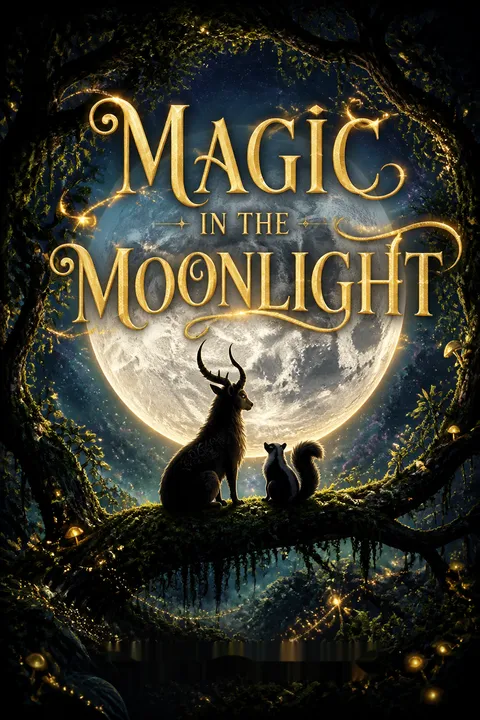
Magic in the Moonlight is a modern fairy tale about healing, belonging, and the reclamation of power. At its heart, the novel is a story of a woman who, in losing everything, finds herself—her magic, her voice, and her chosen family. The book subverts traditional romance and fantasy tropes, centering a biracial, thirty-something woman in a polyamorous relationship, and rooting its magic not in violence or domination, but in intention, reciprocity, and love. The forest, both setting and character, embodies the wildness within and without, challenging the characters to embrace vulnerability and courage. The coven's corruption is a metaphor for all systems that exploit and exclude, while the found family and the bonds with nature offer a vision of resistance rooted in care. The novel's lesson is clear: true magic is not about power over others, but about connection, authenticity, and the willingness to stand up for what is right—even, and especially, when it is hard.
Last updated:
Report IssueReview Summary
People Also Read
Characters
Sylvia Holt
Sylvia is a biracial woman in her mid-thirties, whose life is upended by betrayal and inheritance. Sensitive, intelligent, and quietly resilient, she is haunted by self-doubt but driven by a deep need for connection and purpose. Her journey from heartbreak to empowerment is marked by her growing acceptance of her magical legacy and her role as protector of the forest. Sylvia's relationships—with Reese, Jackson, Nora, and her animal familiars—reveal her capacity for love, vulnerability, and courage. Her development is a testament to the power of chosen family, self-acceptance, and the magic of embracing one's true self.
Reese Maclin
Reese is a skilled contractor, thoughtful and empathetic, with a quiet strength that grounds those around him. Recently divorced, he is exploring his bisexuality and the possibilities of love beyond traditional boundaries. His relationship with Jackson is deep and enduring, but his attraction to Sylvia opens new doors. Reese is both skeptic and believer, struggling to reconcile logic with the magic unfolding around him. His loyalty, openness, and willingness to grow make him a stabilizing force in the trio and a key ally in Sylvia's journey.
Jackson Waller
Jackson is Reese's best friend and business partner, a burly, tattooed man with a gruff exterior and a tender heart. Openly bisexual, he is fiercely loyal to those he loves and unafraid to challenge tradition. His superstitions about the forest mask a deep respect for its mysteries. Jackson's relationship with Reese is the foundation of his life, but his growing feelings for Sylvia reveal a softer, more vulnerable side. He is both anchor and catalyst, pushing the group to confront hard truths and embrace new possibilities.
Flower (the Skunk)
Flower is the matriarch of the skunk family, serving as Sylvia's familiar and a bridge to the animal world. Wise, sassy, and fiercely protective, she offers both practical advice and magical assistance. Her relationship with Sylvia is one of mutual respect and affection, and her interactions with the skunklets add warmth and humor. Flower embodies the theme of unlikely allies and the power of chosen family.
Gyth (the Wild Thing)
Gyth is a magical creature—part beast, part spirit—who represents the soul of the forest. Ancient, wise, and deeply wounded by the coven's corruption, he becomes both mentor and friend to Sylvia. His teachings reveal the true nature of magic: intention, reciprocity, and respect for the wild. Gyth's vulnerability and strength mirror Sylvia's own journey, and his survival is tied to the fate of the forest itself.
Nora
Nora is a local barista and Jackson's childhood friend, offering Sylvia a lifeline to the community and a source of honest advice. Outspoken, loyal, and a bit mischievous, she helps Sylvia navigate the town's social landscape and the complexities of small-town life. Nora's friendship is a reminder that support can come from unexpected places, and her presence grounds the story in the realities of everyday connection.
Lucien Grimson
Lucien is the head of the Grimson family and the coven, embodying the arrogance, entitlement, and ruthlessness of the old families. Manipulative and power-hungry, he sees Sylvia's magic as a resource to be exploited. His relationship with Kingsley and the other coven members is marked by competition and control. Lucien's actions drive much of the conflict, forcing Sylvia and her allies to confront the dangers of unchecked power.
Zane Harkness
Zane is a member of another founding family, caught between loyalty to the coven and his own conscience. Charismatic, clever, and deeply conflicted, he offers Sylvia cryptic warnings and covert assistance. His past with Jackson adds layers of complexity, and his struggle to break free from the coven's expectations mirrors Sylvia's own journey. Zane represents the possibility of rebellion and the cost of complicity.
Kingsley Grimson
Kingsley is Lucien's father and the true power behind the coven. Cold, calculating, and unyielding, he is willing to sacrifice anything for the coven's dominance. His relationship with Margie and his obsession with the Maybrook legacy drive much of the plot's tension. Kingsley's downfall is a testament to the dangers of clinging to power at any cost.
Lupe (the Cactus)
Lupe is Sylvia's pet cactus, who becomes both confidant and magical ally. Through subtle communication and surprising acts of bravery, Lupe proves that even the smallest and most overlooked can play a vital role. His presence adds humor, heart, and a touch of the surreal to the story.
Plot Devices
The Cottage as Sanctuary
The cottage is more than a setting—it is a living symbol of legacy, transformation, and resistance. Its isolation allows for both vulnerability and growth, serving as the stage for Sylvia's awakening and the battleground for the coven's assault. The cottage's evolution from neglected relic to magical fortress mirrors Sylvia's own journey from wounded outsider to empowered witch.
Polyamorous Romance
The central relationship between Sylvia, Reese, and Jackson challenges traditional norms, offering a model of love built on communication, consent, and mutual support. Their bond is both a source of vulnerability and the key to their survival, illustrating the power of chosen family and the magic of authentic connection.
Magical Realism and Folklore
The story weaves together elements of magical realism—talking animals, sentient plants, and living forests—with the everyday struggles of heartbreak, belonging, and self-discovery. Folklore is both a source of danger and wisdom, and the narrative structure uses foreshadowing, symbolism, and ritual to build tension and deepen meaning.
The Found Family Trope
Sylvia's journey is marked by the creation of a new family—one chosen, not inherited. The bonds she forms with Reese, Jackson, Nora, Flower, and even Lupe are as vital as any magical power. This device reinforces the theme that true strength comes from connection, not isolation.
The Corrupt Coven and the Rebellion
The coven's manipulation and hunger for power serve as both antagonist and cautionary tale. Their rituals, threats, and eventual assault on the cottage drive the plot's central conflict. The rebellion—both magical and personal—culminates in Sylvia's refusal to be used, her reclamation of agency, and the forest's uprising.
The Legacy of Margie and the Maybrook Line
Margie's legacy is a mystery to be unraveled, a source of both danger and empowerment. The Maybrook line's history, the secrets in the cellar, and the rituals passed down become the keys to Sylvia's transformation. The narrative uses flashbacks, found objects, and oral history to connect past and present, deepening the emotional stakes.
About the Author
Other books by Auryn Hadley

Download PDF
Download EPUB
.epub digital book format is ideal for reading ebooks on phones, tablets, and e-readers.








































