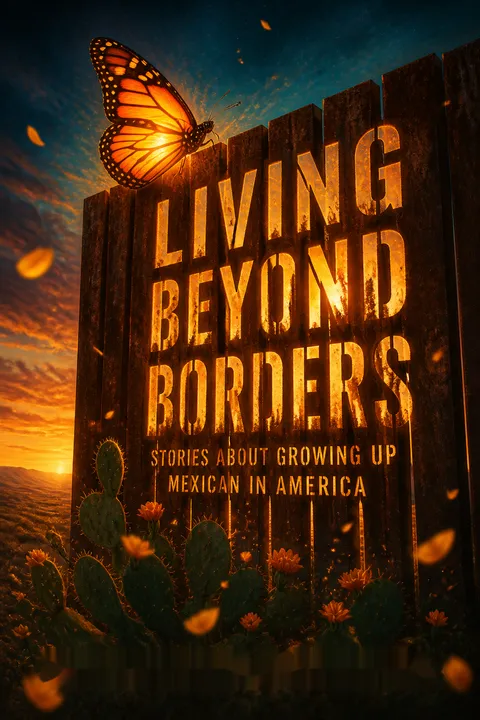

Summary Unavailable
This book is not suitable for a summary (it may be a textbook, workbook, cookbook, reference book, or collection). However, you can still explore the FAQs, about author, and other metadata below!
Plot Summary
Defining Dignidad and Identity
The anthology opens with a call to reclaim the narrative of Mexican American youth identity from stereotypes and prejudice. Through stories, essays, and poems, the writers assert the concept of "dignidad"—a deep, intrinsic sense of self-worth and pride that resists external definitions. Characters and narrators grapple with what it means to be "enough"—Mexican enough, American enough, or both—and how dignity is not something granted by others but claimed from within. The stories challenge the reader to see Mexican Americans as complex, resilient, and dignified, regardless of the labels society tries to impose.
Borderlands and Belonging
Living on the border is not just a matter of geography but of identity. The Rio Grande Valley and other borderlands are depicted as places of blending, tension, and constant negotiation. Characters cross literal and metaphorical borders daily, navigating questions of citizenship, language, and belonging. The border is both a site of trauma and a source of strength, where families and communities create hybrid cultures that defy simple categorization. The anthology explores the fear, pride, and confusion that come with being asked, "Are you American?" and the deep-rooted sense of home that transcends lines on a map.
Language, Labels, and Loss
Language is both a bridge and a barrier. Many characters wrestle with not speaking "enough" Spanish or being told their English is "too good" or "not good enough." The pain of being labeled—whether as "ghetto," "illegal," or "not really Mexican"—runs deep. Stories like "My Name Is Dolores" and "Is Half Mexican-American Mexican Enough?" highlight the anxiety and shame that can come from not fitting linguistic or cultural expectations, while others reclaim Spanglish and code-switching as acts of survival and creativity.
Family Stories, Family Struggles
Family is at the heart of Mexican American experience, but it is not without conflict. The anthology is rich with stories of parents and grandparents who sacrificed, migrated, and endured discrimination, passing down both trauma and wisdom. Barbecues, quinceañeras, and bedtime stories become sites of cultural transmission. Yet, family can also be a source of pain—divorce, absence, and intergenerational misunderstanding are recurring themes. The act of telling and retelling family stories becomes a way to heal, resist erasure, and assert identity.
The Weight of Words
Language is shown to have the power to wound and to heal. In "Ghetto Is Not an Adjective," a bus ride becomes a stage for a spoken-word performance by Che that challenges the casual use of "ghetto" as an insult. In "Yoli Calderon and Principal Hayes," a slap is both a response to racist words and a catalyst for reflection on violence and justice. The anthology insists that words matter—whether they are slurs, microaggressions, or affirmations—and that reclaiming language is essential to reclaiming self.
Becoming the Monarca
The monarch butterfly becomes a powerful symbol for Mexican American youth—migratory, resilient, and beautiful. Characters like Yoli Calderon are likened to monarcas, forced to consume the "poison" of prejudice but emerging stronger and more radiant. The process of transformation is not easy; it requires enduring pain, navigating in-between spaces, and refusing to be defined by others' limitations. The monarca metaphor encapsulates the anthology's message of hope and the possibility of flight, even in hostile environments.
Ghosts in the City
Urban life is depicted as haunted by the ghosts of those who go unnoticed—maids, janitors, and other essential workers whose dignity is rarely acknowledged. In "How to Exist in a City of Ghosts," the narrator finds meaning in the unnoticed nobility of everyday people. The city is both a place of anonymity and a stage for small acts of recognition and solidarity. The stories urge readers to see the humanity in those who are often rendered invisible by society.
The Power of Community
Despite the challenges of discrimination and displacement, community emerges as a source of strength. Whether through quinceañeras organized by schools, neighborhood gatherings, or the informal networks of support among immigrants, the anthology celebrates the ways Mexican Americans come together to uplift one another. Teachers, neighbors, and even strangers step in to fill the gaps left by absent family or broken systems. Community is depicted as both a safety net and a launching pad for dreams.
Love, Loss, and Firsts
Adolescence is a time of intense emotion and discovery. Stories like "Sunflower" and "The Body by the Canal" capture the thrill of first love, the pain of betrayal, and the confusion of sexual identity. These narratives are set against the backdrop of cultural expectations and family pressures, making the stakes even higher. Love is shown to be both a source of joy and vulnerability, and the process of growing up is marked by both loss and newfound strength.
The Pain of Exclusion
Exclusion takes many forms—being told to "go back to where you came from," being left out of a class photo, or being made to feel less than because of language, skin color, or economic status. The anthology does not shy away from the pain of these experiences, but it also highlights the ways characters resist and redefine what it means to belong. The stories challenge readers to confront their own biases and to recognize the harm caused by exclusion.
Rituals, Roots, and Resilience
Rituals like quinceañeras, family barbecues, and even folk remedies like the "egg thing" for mal de ojo are depicted as vital links to heritage and sources of resilience. These traditions are not static; they are adapted and reimagined in new contexts, serving as both comfort and resistance. The anthology honors the wisdom of elders while also celebrating the creativity of youth in making these rituals their own.
Navigating Two Worlds
Many characters live in the "in-between"—not fully accepted by either Mexican or American communities. This hybridity is both a challenge and a gift, allowing for unique perspectives and forms of expression. The anthology explores the tension of being "too Mexican for the Americans, too American for the Mexicans," and ultimately suggests that embracing both sides is a source of strength rather than shame.
The Burden of History
The legacy of colonization, segregation, and institutional neglect looms large. Stories recount the pain of being punished for speaking Spanish, the struggle for representation in national institutions, and the ongoing fight against cultural appropriation. Yet, the anthology also highlights the contributions of Mexican Americans to the fabric of the nation, insisting on the right to be seen and heard in all spaces.
Dreams Deferred, Dreams Reclaimed
Poverty, instability, and systemic barriers often stand in the way of dreams. Characters like Mileidy Dominguez, who moves from place to place, struggle to imagine a future beyond survival. Yet, through the support of community and the affirmation of their worth, they begin to reclaim their right to dream big. The anthology insists that Mexican American youth are entitled to ambition, joy, and fulfillment.
Healing, Hope, and Home
Healing is depicted as a communal and personal process. Whether through seeking help for mental health struggles, reconnecting with family, or finding acceptance in chosen communities, characters move toward wholeness. Home is not always a fixed place but a feeling created through love, recognition, and belonging. The anthology ends on notes of hope, suggesting that healing is possible even in the face of deep wounds.
The Many Faces of Mexican America
The anthology resists any single narrative, instead presenting a mosaic of experiences—urban and rural, queer and straight, recent immigrant and multi-generational, light-skinned and dark-skinned, Spanish-speaking and English-dominant. This diversity is celebrated as a source of richness and strength, challenging monolithic representations in media and culture.
Celebration and Transformation
Despite hardship, the anthology is filled with moments of celebration—dances, graduations, family gatherings, and personal triumphs. These moments are not just escapes from struggle but acts of transformation, where characters claim their right to joy and self-expression. The stories remind readers that celebration is a form of resistance and a declaration of existence.
Claiming Space, Claiming Self
Ultimately, the anthology is about claiming space—literal and metaphorical—in a society that often tries to marginalize or erase Mexican American voices. Through storytelling, art, and everyday acts of courage, characters assert their right to be seen, heard, and valued. The collection ends with a sense of empowerment, inviting readers to join in the ongoing work of building a more just and inclusive world.
Analysis
A vibrant, necessary mosaic of Mexican American experience"Living Beyond Borders" is a powerful, multifaceted anthology that shatters monolithic stereotypes and offers a nuanced, deeply human portrait of what it means to grow up Mexican in America. Through a chorus of voices—queer and straight, urban and rural, recent immigrant and multi-generational—the book explores the complexities of identity, the pain of exclusion, and the transformative power of community and self-acceptance. It insists that Mexican Americans are not defined by borders, language, or others' prejudices, but by their own dignity, resilience, and capacity for joy. The anthology is both a celebration and a call to action, urging readers to recognize the beauty and diversity of Mexican American life and to join in the ongoing work of building a more just, inclusive society. Its lessons—about the power of words, the importance of community, and the right to claim one's own story—resonate far beyond the borderlands, offering hope and inspiration to anyone navigating the challenges of belonging and becoming.
Last updated:
Report IssueReview Summary
Living Beyond Borders is a highly praised anthology exploring Mexican-American experiences through short stories, essays, and poems. Readers appreciate its diverse perspectives, emotional depth, and cultural insights. Many found the collection relatable, educational, and impactful. Standout pieces include "La Princesa Mileidy Dominguez" and "Ode to My Papi." While some readers had mixed feelings about certain stories, the overall reception is overwhelmingly positive. The anthology is commended for its representation and ability to make Mexican-American readers feel seen.
Characters
The Mexican American Youth
The central figures throughout the anthology are young Mexican Americans—teens and children—grappling with questions of identity, belonging, and self-worth. They are often caught between cultures, languages, and expectations, facing racism, colorism, and economic hardship. Their journeys are marked by resilience, creativity, and a longing for acceptance. Whether confronting microaggressions at school, navigating first love, or dreaming of a better future, these youth embody the anthology's spirit of hope and transformation.
Parents and Grandparents
Elders in the stories serve as both anchors and sources of conflict. They pass down cultural traditions, family stories, and survival strategies, but also carry the scars of migration, discrimination, and loss. Their sacrifices are honored, but their limitations—such as language barriers or adherence to old ways—can create tension with younger generations. The intergenerational dynamic is complex, filled with love, misunderstanding, and the ongoing negotiation of what to keep and what to change.
Yoli Calderon
Yoli is a standout character who refuses to accept racist insults and instead claims her identity as a monarca—a monarch butterfly, symbolizing transformation and resilience. Her confrontation with authority and her reflection on the pain of being told to "go back to Mexico" encapsulate the anthology's themes of resistance and self-affirmation. Yoli's journey is one of turning pain into fuel for growth, refusing to be diminished by others' ignorance.
Che (from "Ghetto Is Not an Adjective")
Che is a young man who disrupts casual prejudice on a city bus with a powerful spoken-word performance. He challenges the misuse of "ghetto" as an adjective, insisting on the dignity and complexity of his community. Che's courage and eloquence inspire others to question their assumptions and to see the power of words in shaping reality.
Mileidy Dominguez
Mileidy is a girl who moves from place to place, never quite belonging, but who finds unexpected community and recognition at a school quinceañera. Her story highlights the instability faced by many Mexican American youth, as well as the importance of being seen and celebrated. Mileidy's journey from invisibility to princesshood is a testament to the transformative power of community and self-acceptance.
Oscar and Ariel (from "The Body by the Canal")
Oscar and Ariel's story is one of first love, fear, and loss in a conservative border town. Their relationship is marked by both joy and the ever-present threat of violence and rejection. Oscar's struggle to accept himself and to protect Ariel reflects the broader challenges faced by LGBTQ+ Mexican Americans, while their love story adds depth and nuance to the anthology's exploration of identity.
Leti and Fonzie (from "Morning People")
Leti and Fonzie's relationship is complicated by family history, unspoken attraction, and the pressures of a family road trip. Their story explores the messiness of adolescence, the pain of family secrets, and the possibility of healing through connection and honesty. Leti's journey is one of moving from confusion and anger to a deeper understanding of herself and her family.
Suzy (from "Ojo")
Suzy is a girl who becomes the focus of jealousy and exclusion in her new school. Her experience with "mal de ojo" (the evil eye) serves as both a literal and metaphorical exploration of the harm caused by envy and exclusion. Suzy's resilience and her reliance on cultural remedies highlight the importance of tradition and community in overcoming adversity.
The Community Helpers
Throughout the anthology, figures like Miss Yoli, Mr. Puentes, and community volunteers step in to support youth who are struggling. They provide guidance, recognition, and practical help, often filling the gaps left by absent or overburdened family members. These characters embody the anthology's message that healing and transformation are collective endeavors.
The Absent or Distant Parent
Many stories feature parents who are absent due to work, migration, or family breakdown. Their absence is felt as both a wound and a motivation for characters to seek connection and meaning elsewhere. The longing for parental approval, love, or simply presence is a recurring theme, shaping the emotional landscape of the anthology.
Plot Devices
Anthology Structure
The book's structure as an anthology allows for a wide range of experiences, voices, and genres—short stories, essays, poetry, and comics. This multiplicity reflects the diversity of the Mexican American experience and resists any single narrative. The stories are united by recurring themes of identity, belonging, and resilience, creating a tapestry that is greater than the sum of its parts.
Symbolism and Metaphor
Symbols like the monarch butterfly, the border, and cultural rituals (quinceañeras, the "egg thing") are used to convey deeper meanings about migration, transformation, and survival. These symbols serve as touchstones for characters' journeys and as invitations for readers to see the universal in the particular.
Code-Switching and Spanglish
The use of Spanglish, code-switching, and bilingual dialogue reflects the lived reality of many Mexican Americans. Language becomes a site of both conflict and creativity, with characters navigating the expectations of different communities and asserting their right to speak in their own voices.
Intergenerational Storytelling
Stories within stories—family legends, historical anecdotes, and personal memories—are woven throughout the anthology. These narratives serve to connect characters to their roots, to explain present struggles, and to offer models of resilience. The act of storytelling itself is depicted as a form of resistance and healing.
Direct Address and Meta-Narrative
Several stories use direct address, speaking to the reader or to authority figures (like principals or parents) in a conversational, confessional tone. This device creates intimacy and immediacy, drawing the reader into the emotional world of the characters and challenging them to reflect on their own assumptions.
Foreshadowing and Circularity
Many stories use foreshadowing and circular narrative structures, with past traumas and family histories resurfacing in the present. The repetition of certain phrases, images, and themes creates a sense of continuity and underscores the ongoing nature of the struggles depicted.
FAQ
Synopsis & Basic Details
What is Living Beyond Borders: Stories About Growing Up Mexican in America about?
- A Mosaic of Identity: Living Beyond Borders: Stories About Growing Up Mexican in America is an anthology of short stories, essays, poetry, and comics that explores the multifaceted experiences of Mexican American youth navigating life in the United States. It delves into themes of identity, belonging, cultural heritage, and the challenges of living in the hyphenated space between two cultures.
- Reclaiming the Narrative: Edited by Margarita Longoria, the collection was conceived as a direct response to negative media portrayals of Mexican Americans, aiming to showcase their resilience, dignity, and diverse contributions to American society. It seeks to humanize and celebrate a community often subjected to stereotypes and prejudice.
- Journeys of Self-Discovery: Across various genres and voices, the book presents characters grappling with issues such as language barriers, racism, family dynamics, first love, and the search for home, ultimately emphasizing empowerment and the strength found in embracing one's unique heritage.
Why should I read Living Beyond Borders: Stories About Growing Up Mexican in America?
- Deep Cultural Immersion: Readers should engage with Living Beyond Borders for its authentic and diverse portrayal of Mexican American life, offering insights into traditions, struggles, and triumphs often overlooked by mainstream narratives. It provides a rich tapestry of experiences, from the Rio Grande Valley to urban centers, fostering empathy and understanding.
- Empowering Voices: The anthology features a collection of award-winning and emerging Mexican American authors, each contributing a unique perspective that challenges stereotypes and celebrates the beauty and complexity of their culture. It's a powerful testament to the strength and creativity of a community.
- Universal Themes Explored: Beyond its specific cultural context, the book resonates with universal themes of identity formation, the search for belonging, overcoming adversity, and the power of community, making it a compelling read for anyone interested in human experience and social justice.
What is the background of Living Beyond Borders: Stories About Growing Up Mexican in America?
- Response to Negative Rhetoric: The anthology's genesis lies in editor Margarita Longoria's frustration with the "constant spread of negative information" and "damaging rhetoric" about Mexicans in the media, particularly the dehumanizing portrayal of them as "violent and as rapists, as illegal and bad people." This collection is a direct counter-narrative.
- Rooted in Borderland Experience: Longoria, a Tejana from the Rio Grande Valley, highlights the unique cultural blend and challenges of living on the US-Mexico border, where "crossing back and forth is normal" and communities "depend on each other to survive and to flourish." This geographical and cultural context informs many of the stories.
- Celebrating Resilience and Contributions: The book aims to educate others and "celebrate the beauty and uniqueness of the Mexican American culture," emphasizing their resilience, pride, and "humble in our work" dignity. It underscores the "tapestry of our people, our labor, and our contributions to this country."
What are the most memorable quotes in Living Beyond Borders: Stories About Growing Up Mexican in America?
- "Ghetto is not an adjective. It is a noun. It's the place where I live.": From Dominic Carrillo's "Ghetto Is Not an Adjective," this powerful declaration by Che challenges the casual misuse of language that demeans communities, asserting the inherent dignity and complexity of places often dismissed. It's a core statement on the weight of words in Living Beyond Borders analysis.
- "We didn't cross the border; the border crossed us.": Featured in Diana López's "Morning People" and echoed throughout the collection, this phrase encapsulates the historical context of Mexican American identity, highlighting the legacy of the Treaty of Guadalupe Hidalgo and the deep-rooted claim to land and heritage. This quote is central to understanding themes in Living Beyond Borders.
- "Your existence is a statement, Dani.": CoCo Chamoy's affirmation to Daniela in e.E. Charlton-Trujillo's "CoCo Chamoy y Chango" powerfully conveys the inherent political nature of identity for Mexican American youth, suggesting that simply being oneself is an act of resistance and a challenge to societal norms. This speaks to Daniela's motivations and the broader message of self-acceptance.
What writing style, narrative choices, and literary techniques does Margarita Longoria use?
- Diverse Narrative Forms: The anthology deliberately employs a wide array of narrative choices, including first-person short stories, reflective essays, evocative poetry, and even graphic novel elements, creating a dynamic and multi-textured reading experience. This stylistic variety mirrors the diverse experiences of Mexican Americans.
- Intimate and Conversational Tone: Many pieces adopt a direct address or conversational style, drawing the reader into the characters' inner worlds and making their struggles and triumphs feel immediate and personal. This technique fosters a strong sense of empathy and connection, as seen in "Yoli Calderon and Principal Hayes" or "Is Half Mexican-American Mexican Enough?".
- Seamless Bilingualism and Code-Switching: Longoria's curation embraces the natural integration of Spanish and English, often within the same sentence or paragraph, reflecting the linguistic reality of many Mexican American communities. This code-switching is not merely decorative but serves as a powerful tool for character voice, cultural authenticity, and thematic depth, enriching the Living Beyond Borders literary analysis.
Hidden Details & Subtle Connections
What are some minor details that add significant meaning?
- The "Matrix" Reference in "Ghetto Is Not an Adjective": The narrator's internal comparison of Che's poem to Neo's choice between the blue and red pills ("If I accepted Che's mission... it might make me more Mexican. Or maybe it would just make me more true to myself") subtly elevates his personal decision to a profound, almost existential, act of self-definition. This detail highlights the narrator's internal struggle with his "pocho" identity and his burgeoning desire for authenticity.
- Daniela's Scratches in "Warning Bells": Daniela's habit of digging her fingernail into scratches on her hand ("It's just scratches... The pain is already dulling, and I dig the fingernail of my left thumb into the largest scratch until it throbs again") is a subtle but potent detail of self-harm. It physically manifests her internalized pain and emotional turmoil stemming from her parents' divorce and the "trying political times," revealing a deeper psychological complexity beyond mere teenage angst.
- Papi's Single Dollar in "Ode to My Papi": The recurring image of Papi pulling "the single dollar bill out of his worn wallet" to buy books for his daughter, despite his physically demanding labor, is a powerful symbol of his profound investment in her intellectual and emotional growth. This seemingly small detail underscores the immense value placed on education and imagination within the family, transcending material poverty and connecting to themes in Living Beyond Borders about generational sacrifice.
What are some subtle foreshadowing and callbacks?
- Filiberto's Tattoo and Fate: In "Filiberto's Final Visit," Filiberto's tattoo, "'The Lord is my light and my salvation, whom shall I fear?'" (Psalm 27), subtly foreshadows his protective role and eventual tragic death. The narrator later learns Filiberto confronted the Carnales on his behalf, and his death by a freight train echoes the narrator's initial observation of a "freight train roll on and on" at the hospice, creating a poignant circularity in the narrative and deepening the Filiberto's Final Visit analysis.
- Leti's "Mind-Sprints" in "Morning People": Leti's insomnia-fueled "mind-sprints" that jump from climate change to Frankenstein to the border wall and her history class ("how I got a C, even though I studied very, very hard") subtly foreshadow the underlying anxieties and unresolved family issues that plague her. These seemingly random thoughts are a callback to her subconscious processing of her parents' divorce and the broader societal pressures she faces, revealing her psychological complexities.
- The Missing Teacher in "The Body by the Canal": The dinner table gossip about a "drama teacher... He's gone missing... They say he has the AIDS. That he's a homosexual" serves as chilling foreshadowing for the discovery of the body by the canal. This detail not only sets a grim tone but also directly links the societal prejudice against gay men to the tragic fate of the victim, highlighting the dangers faced by queer individuals like Oscar and Ariel in their conservative community. This is crucial for understanding The Body by the Canal themes.
What are some unexpected character connections?
- Suzy and Gracie's "Ojo" Connection: In "Ojo," the unexpected connection between Suzy and her bully, Gracie, is revealed when Suzy confronts Gracie, asking, "Have you ever heard of ojo?" and Gracie's "eyes go wide." This implies Gracie, despite her modern, "it girl" facade, is susceptible to the traditional belief of the evil eye, creating an ironic and powerful reversal of power dynamics. This connection highlights the enduring influence of cultural beliefs even among those who outwardly reject them.
- Daniela and CoCo Chamoy's Shared Vulnerability: In "CoCo Chamoy y Chango," the forced intimacy of "seven minutes in heaven" unexpectedly reveals a deep connection between the activist CoCo and the introverted Daniela, particularly through Daniela's Bell's palsy and CoCo's gentle touch and drawing of "Chango" on her palm. This moment transcends their public personas, showing a shared space of vulnerability and understanding that neither expected, deepening the CoCo Chamoy y Chango character analysis.
- Mileidy and the School Community's Embrace: In "La Princesa Mileidy Dominguez," Mileidy, a transient student, finds an unexpected and profound connection with the entire school community, led by Mr. Puentes, Miss Yoli, and Brittney, who organize a quinceañera specifically for her. This collective act of affirmation, culminating in the "baile de amor" where multiple community members dance with her, transforms her sense of belonging from an isolated "nesting doll" to a "living princess," showcasing the power of communal support in Living Beyond Borders.
Who are the most significant supporting characters?
- Che (from "Ghetto Is Not an Adjective"): Che serves as a profound catalyst for the narrator's self-discovery, not just a general voice of protest. His impromptu spoken-word poem directly challenges the narrator's internalized "pocho" identity and prompts him to question his own assumptions about "Mexican-ness," leading to a pivotal decision to "choose my detour this time." Che's role is central to the narrator's personal awakening and the Ghetto Is Not an Adjective analysis.
- Pita (from "Filiberto's Final Visit"): Pita is more than a love interest; she embodies the concept of "dignidad" that Filiberto later articulates. Her refusal to "honeymoon" because she "fell for" the narrator and didn't want to "cheapen what she felt" provides the narrator with a concrete example of self-worth and respect, which he later recognizes as his own "luck." Her actions directly influence his understanding of dignity and his personal growth.
- Beatriz (from "La Princesa Mileidy Dominguez"): The rockabilly makeup artist, Beatriz, acts as a transformative figure for Mileidy, not just physically but emotionally. Her encouraging words ("Oh, mamas, you're beautiful. You have a face made for the soft glam palette... Princesa, today and forever") help Mileidy see her own inherent beauty and worth, facilitating her internal transformation into the "living princess" she becomes at the quinceañera. Beatriz's role is key to Mileidy's emotional turning point.
Psychological, Emotional, & Relational Analysis
What are some unspoken motivations of the characters?
- Oscar's Fear of Exposure in "The Body by the Canal": Oscar's unspoken motivation for pushing Ariel away and taking Linda as a "beard" is a deep-seated fear of societal judgment and violence, intensified by the discovery of the gay teacher's body. He explicitly states, "I was afraid to risk your life. Afraid to risk mine," revealing a protective instinct intertwined with his own internalized homophobia and the desire for self-preservation in a hostile environment. This is key to understanding Oscar's motivations.
- Aunt Ceci's Lingering Resentment in "Morning People": Aunt Ceci's constant jabs and comparisons towards her sister, Leti's mom, are driven by an unspoken, decades-old resentment over Leti's father, who was Aunt Ceci's boyfriend first. Her comment, "The apple doesn't fall far from the tree. I knew she'd be trouble someday, just like her father," reveals a deep-seated, unresolved emotional wound that fuels her passive-aggressive
Synopsis & Basic Details
What is Living Beyond Borders: Stories About Growing Up Mexican in America about?
- A Mosaic of Identity: Living Beyond Borders: Stories About Growing Up Mexican in America is an anthology of short stories, essays, poetry, and comics that explores the multifaceted experiences of Mexican American youth navigating life in the United States. It delves into themes of identity, belonging, cultural heritage, and the challenges of living in the hyphenated space between two cultures.
- Reclaiming the Narrative: Edited by Margarita Longoria, the collection was conceived as a direct response to negative media portrayals of Mexican Americans, aiming to showcase their resilience, dignity, and diverse contributions to American society. It seeks to humanize and celebrate a community often subjected to stereotypes and prejudice.
- Journeys of Self-Discovery: Across various genres and voices, the book presents characters grappling with issues such as language barriers, racism, family dynamics, first love, and the search for home, ultimately emphasizing empowerment and the strength found in embracing one's unique heritage.
Why should I read Living Beyond Borders: Stories About Growing Up Mexican in America?
- Deep Cultural Immersion: Readers should engage with Living Beyond Borders for its authentic and diverse portrayal of Mexican American life, offering insights into traditions, struggles, and triumphs often overlooked by mainstream narratives. It provides a rich tapestry of experiences, from the Rio Grande Valley to urban centers, fostering empathy and understanding.
- Empowering Voices: The anthology features a collection of award-winning and emerging Mexican American authors, each contributing a unique perspective that challenges stereotypes and celebrates the beauty and complexity of their culture. It's a powerful testament to the strength and creativity of a community.
- Universal Themes Explored: Beyond its specific cultural context, the book resonates with universal themes of identity formation, the search for belonging, overcoming adversity, and the power of community, making it a compelling read for anyone interested in human experience and social justice.
What is the background of Living Beyond Borders: Stories About Growing Up Mexican in America?
- Response to Negative Rhetoric: The anthology's genesis lies in editor Margarita Longoria's frustration with the "constant spread of negative information" and "damaging rhetoric" about Mexicans in the media, particularly the dehumanizing portrayal of them as "violent and as rapists, as illegal and bad people." This collection is a direct counter-narrative.
- Rooted in Borderland Experience: Longoria, a Tejana from the Rio Grande Valley, highlights the unique cultural blend and challenges of living on the US-Mexico border, where "crossing back and forth is normal" and communities "depend on each other to survive and to flourish." This geographical and cultural context informs many of the stories.
- Celebrating Resilience and Contributions: The book aims to educate others and "celebrate the beauty and uniqueness of the Mexican American culture," emphasizing their resilience, pride, and "humble in our work" dignity. It underscores the "tapestry of our people, our labor, and our contributions to this country."
What are the most memorable quotes in Living Beyond Borders: Stories About Growing Up Mexican in America?
- "Ghetto is not an adjective. It is a noun. It's the place where I live.": From Dominic Carrillo's "Ghetto Is Not an Adjective," this powerful declaration by Che challenges the casual misuse of language that demeans communities, asserting the inherent dignity and complexity of places often dismissed. It's a core statement on the weight of words in Living Beyond Borders analysis.
- "We didn't cross the border; the border crossed us.": Featured in Diana López's "Morning People" and echoed throughout the collection, this phrase encapsulates the historical context of Mexican American identity, highlighting the legacy of the Treaty of Guadalupe Hidalgo and the deep-rooted claim to land and heritage. This quote is central to understanding themes in Living Beyond Borders.
- "Your existence is a statement, Dani.": CoCo Chamoy's affirmation to Daniela in e.E. Charlton-Trujillo's "CoCo Chamoy y Chango" powerfully conveys the inherent political nature of identity for Mexican American youth, suggesting that simply being oneself is an act of resistance and a challenge to societal norms. This speaks to Daniela's motivations and the broader message of self-acceptance.
What writing style, narrative choices, and literary techniques does Margarita Longoria use?
- Diverse Narrative Forms: The anthology deliberately employs a wide array of narrative choices, including first-person short stories, reflective essays, evocative poetry, and even graphic novel elements, creating a dynamic and multi-textured reading experience. This stylistic variety mirrors the diverse experiences of Mexican Americans.
- Intimate and Conversational Tone: Many pieces adopt a direct address or conversational style, drawing the reader into the characters' inner worlds and making their struggles and triumphs feel immediate and personal. This technique fosters a strong sense of empathy and connection, as seen in "Yoli Calderon and Principal Hayes" or "Is Half Mexican-American Mexican Enough?".
- Seamless Bilingualism and Code-Switching: Longoria's curation embraces the natural integration of Spanish and English, often within the same sentence or paragraph, reflecting the linguistic reality of many Mexican American communities. This code-switching is not merely decorative but serves as a powerful tool for character voice, cultural authenticity, and thematic depth, enriching the Living Beyond Borders literary analysis.
Hidden Details & Subtle Connections
What are some minor details that add significant meaning?
- The "Matrix" Reference in "Ghetto Is Not an Adjective": The narrator's internal comparison of Che's poem to Neo's choice between the blue and red pills ("If I accepted Che's mission... it might make me more Mexican. Or maybe it would just make me more true to myself") subtly elevates his personal decision to a profound, almost existential, act of self-definition. This detail highlights the narrator's internal struggle with his "pocho" identity and his burgeoning desire for authenticity.
- Daniela's Scratches in "Warning Bells": Daniela's habit of digging her fingernail into scratches on her hand ("It's just scratches... The pain is already dulling, and I dig the fingernail of my left thumb into the largest scratch until it throbs again") is a subtle but potent detail of self-harm. It physically manifests her internalized pain and emotional turmoil stemming from her parents' divorce and the "trying political times," revealing a deeper psychological complexity beyond mere teenage angst.
- Papi's Single Dollar in "Ode to My Papi": The recurring image of Papi pulling "the single dollar bill out of his worn wallet" to buy books for his daughter, despite his physically demanding labor, is a powerful symbol of his profound investment in her intellectual and emotional growth. This seemingly small detail underscores the immense value placed on education and imagination within the family, transcending material poverty and connecting to themes in Living Beyond Borders about generational sacrifice.
What are some subtle foreshadowing and callbacks?
- Filiberto's Tattoo and Fate: In "Filiberto's Final Visit," Filiberto's tattoo, "'The Lord is my light and my salvation, whom shall I fear?'" (Psalm 27), subtly foreshadows his protective role and eventual tragic death. The narrator later learns Filiberto confronted the Carnales on his behalf, and his death by a freight train echoes the narrator's initial observation of a "freight train roll on and on" at the hospice, creating a poignant circularity in the narrative and deepening the Filiberto's Final Visit analysis.
- Leti's "Mind-Sprints" in "Morning People": Leti's insomnia-fueled "mind-sprints" that jump from climate change to Frankenstein to the border wall and her history class ("how I got a C, even though I studied very, very hard") subtly foreshadow the underlying anxieties and unresolved family issues that plague her. These seemingly random thoughts are a callback to her subconscious processing of her parents' divorce and the broader societal pressures she faces, revealing her psychological complexities.
- The Missing Teacher in "The Body by the Canal": The dinner table gossip about a "drama teacher... He's gone missing... They say he has the AIDS. That he's a homosexual" serves as chilling foreshadowing for the discovery of the body by the canal. This detail not only sets a grim tone but also directly links the societal prejudice against gay men to the tragic fate of the victim, highlighting the dangers faced by queer individuals like Oscar and Ariel in their conservative community. This is crucial for understanding The Body by the Canal themes.
What are some unexpected character connections?
- Suzy and Gracie's "Ojo" Connection: In "Ojo," the unexpected connection between Suzy and her bully, Gracie, is revealed when Suzy confronts Gracie, asking, "Have you ever heard of ojo?" and Gracie's "eyes go wide." This implies Gracie, despite her modern, "it girl" facade, is susceptible to the traditional belief of the evil eye, creating an ironic and powerful reversal of power dynamics. This connection highlights the enduring influence of cultural beliefs even among those who outwardly reject them.
- Daniela and CoCo Chamoy's Shared Vulnerability: In "CoCo Chamoy y Chango," the forced intimacy of "seven minutes in heaven" unexpectedly reveals a deep connection between the activist CoCo and the introverted Daniela, particularly through Daniela's Bell's palsy and CoCo's gentle touch and drawing of "Chango" on her palm. This moment transcends their public personas, showing a shared space of vulnerability and understanding that neither expected, deepening the CoCo Chamoy y Chango character analysis.
- Mileidy and the School Community's Embrace: In "La Princesa Mileidy Dominguez," Mileidy, a transient student, finds an unexpected and profound connection with the entire school community, led by Mr. Puentes, Miss Yoli, and Brittney, who organize a quinceañera specifically for her. This collective act of affirmation, culminating in the "baile de amor" where multiple community members dance with her, transforms her sense of belonging from an isolated "nesting doll" to a "living princess," showcasing the power of communal support in Living Beyond Borders.
Who are the most significant supporting characters?
- Che (from "Ghetto Is Not an Adjective"): Che serves as a profound catalyst for the narrator's self-discovery, not just a general voice of protest. His impromptu spoken-word poem directly challenges the narrator's internalized "pocho" identity and prompts him to question his own assumptions about "Mexican-ness," leading to a pivotal decision to "choose my detour this time." Che's role is central to the narrator's personal awakening and the Ghetto Is Not an Adjective analysis.
- Pita (from "Filiberto's Final Visit"):
About the Author
Margarita Longoria is a passionate advocate for diverse literature and a respected figure in the literary community. As a high school librarian in South Texas, she brings her love of books and dedication to representation to her work. Longoria founded Border Book Bash, celebrating young readers in the Rio Grande Valley. Her academic background includes degrees in English and Library Science. The anthology she edited, Living Beyond Borders, reflects her commitment to sharing Mexican-American experiences with young readers. Longoria's personal connection to the subject matter, combined with her professional expertise, makes her a compelling voice in the world of diverse literature.
Download PDF
Download EPUB
.epub digital book format is ideal for reading ebooks on phones, tablets, and e-readers.








































