
Plot Summary
Belfast's Quiet Before Storm
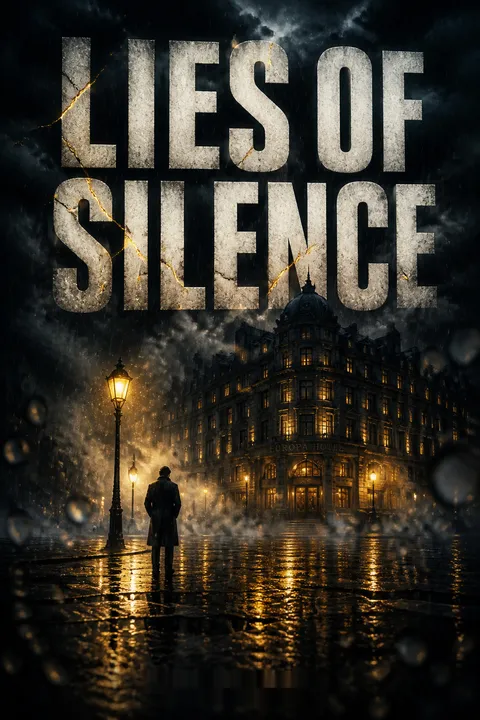
Michael Dillon, hotel manager in Belfast, navigates the daily grind of a city scarred by sectarian violence. He juggles staff shortages and security concerns at the Clarence Hotel, all while privately wrestling with his failing marriage to Moira and a passionate affair with Andrea. The city's uneasy calm is mirrored in Michael's own life, where every routine act is shadowed by the threat of violence and the weight of unspoken truths. The atmosphere is thick with anticipation, as both the city and Michael stand on the brink of irreversible change, their fates intertwined with the Troubles that define Northern Ireland.
Love, Secrets, and Decisions
Michael's clandestine relationship with Andrea, a Canadian journalist, offers him hope and escape from his stagnant marriage. Their secret meetings are filled with longing and the promise of a new life in London. Yet, Michael is paralyzed by indecision, torn between the comfort of the familiar and the allure of freedom. Andrea's job offer in London becomes a catalyst, forcing Michael to confront the reality of his double life. The emotional stakes rise as he resolves to leave Moira, believing that happiness lies just beyond the horizon, if only he can muster the courage to act.
Night of Intrusion
In the dead of night, Michael and Moira's home is invaded by masked IRA gunmen. The couple is taken hostage, their ordinary life upended by the sudden, brutal intrusion of political violence. The gunmen's youth and volatility heighten the sense of danger, as Michael and Moira are forced into a terrifying intimacy with their captors. The boundaries between victim and perpetrator blur, exposing the vulnerability of civilians caught in the crossfire of a conflict they neither chose nor control. The night becomes a crucible, testing the limits of endurance and the bonds of marriage.
Hostages in the Dark
As the hours drag on, Michael and Moira endure threats, humiliation, and the constant presence of guns. Moira's defiant spirit surfaces, clashing with the gunmen and risking further violence. Michael, meanwhile, is consumed by guilt and helplessness, his thoughts oscillating between survival and the consequences of his planned betrayal. The couple's relationship is laid bare under duress, revealing fractures and moments of unexpected solidarity. The night is a microcosm of Northern Ireland's larger tragedy, where ordinary people are forced to navigate impossible moral terrain.
Moira's Defiance
Moira's refusal to be cowed by her captors leads her to a desperate escape attempt, crawling out a bathroom window. She is quickly recaptured, but her act of resistance shifts the power dynamic, instilling fear in the gunmen and admiration in Michael. Moira's bravery becomes a focal point, challenging the narrative of passive victimhood and highlighting the personal costs of political violence. Her actions force both captors and husband to reckon with her strength, complicating the emotional landscape of the hostage ordeal.
The Bomb Plot Unfolds
The true purpose of the home invasion is revealed: Michael is to drive a car bomb to his own hotel, under threat of Moira's execution. The IRA's cold logic is laid bare—innocent lives are expendable in pursuit of political goals. Michael is thrust into an excruciating moral dilemma, forced to weigh his wife's life against the potential deaths of dozens. The plot's meticulous planning and the gunmen's chilling detachment underscore the dehumanizing effects of the conflict, as Michael becomes both pawn and potential accomplice in an act of terror.
A Drive with Death
Michael's drive to the hotel with the bomb is a harrowing odyssey through Belfast's divided neighborhoods and his own past. Every landmark triggers memories of family, lost dreams, and the city's relentless violence. The white Ford tailing him is a constant reminder of the IRA's watchful presence. As he nears the hotel, Michael's internal struggle intensifies—should he comply and save Moira, or risk everything to prevent mass murder? The city's history and his personal history converge, amplifying the weight of his impending choice.
The Choice: Save or Betray
At the hotel, Michael seizes a fleeting opportunity to warn the authorities, fully aware that doing so may seal Moira's fate. His decision is agonizing, shaped by love, guilt, and a desperate sense of responsibility. The evacuation of the hotel and the subsequent explosion are chaotic and surreal, as Michael is swept up in the aftermath of his own actions. The consequences of his choice ripple outward, affecting not only his marriage but the broader community. The chapter crystallizes the novel's central question: what is the cost of doing the right thing in a world where every option is tainted?
Aftermath and Fallout
Moira survives, but the ordeal leaves both her and Michael emotionally scarred. The police urge them to keep silent for their own safety, while the media descends, hungry for a story. Moira, however, refuses to be silenced, speaking out against the IRA on television and becoming a symbol of resistance. Michael is torn between relief and anxiety, as the threat of reprisal looms and his private life becomes public property. The couple's relationship, already strained, is further tested by conflicting responses to trauma and the demands of conscience.
Moira's Stand
Moira's decision to publicly denounce the IRA marks a turning point, both for her and for Michael. Her newfound activism alienates friends and endangers her safety, but she is resolute, determined to break the "lies of silence" that perpetuate violence. Michael, meanwhile, is consumed by fear and guilt, his desire for escape clashing with Moira's commitment to stay and fight. Their divergent paths underscore the novel's exploration of courage, complicity, and the personal costs of political engagement.
Escape to London
Michael and Andrea leave Belfast for London, seeking a fresh start far from the violence and memories that haunt them. The move is both a physical and emotional escape, offering the promise of anonymity and new beginnings. Yet, the past is not easily left behind—Michael is plagued by guilt over Moira, fear of IRA retribution, and uncertainty about his own moral choices. London's bustling normalcy is a stark contrast to Belfast's siege mentality, but the shadow of the Troubles lingers, complicating the couple's attempts to build a future together.
Haunted by Conscience
In London, Michael is contacted by police seeking his testimony against one of the IRA men. The request reopens old wounds and reignites his fears, as he grapples with the implications for his own safety and that of Andrea and Moira. The dilemma is no longer just about personal survival, but about the responsibilities of witness and the ethics of silence. Michael's internal conflict is mirrored by Andrea's anxiety and Moira's continued activism, as all three struggle to define their roles in the aftermath of violence.
The Priest's Plea
A priest from Michael's past arrives, pleading on behalf of the IRA suspect's family and subtly threatening Michael with the consequences of testifying. The encounter exposes the complex web of loyalties, fears, and rationalizations that sustain the culture of silence in Northern Ireland. Michael is forced to confront not only the external dangers but the internalized codes of his community, where betrayal and survival are inextricably linked. The priest's visit crystallizes the novel's central tension between personal integrity and collective complicity.
The Final Decision
Michael vacillates between testifying and remaining silent, torn by competing claims of justice, loyalty, and fear. Andrea urges him to prioritize their future, while Moira, after her own confrontation with the priest, ultimately counsels him not to risk his life. The decision is agonizing, as Michael weighs the value of truth against the price of survival. The chapter is a meditation on the limits of heroism and the corrosive effects of living under constant threat, as Michael's final choice is shaped as much by exhaustion as by conviction.
The Price of Silence
Michael's decision not to testify brings relief but also a profound sense of loss. He is haunted by the knowledge that his silence enables further violence, even as it protects those he loves. The novel closes with Michael and Andrea attempting to build a new life in London, but the specter of the past remains. The cost of survival is the forfeiture of self-respect and the acceptance of a world where justice is perpetually deferred. The "lies of silence" endure, shaping the lives of all who remain entangled in their web.
Shadows at the Door
Just as Michael begins to settle into his new life, the past catches up with him in the form of two unmasked gunmen. The final scene is abrupt and chilling, a stark reminder that the consequences of violence are inescapable. The novel ends on a note of ambiguity and dread, leaving the reader to ponder the true cost of silence and the enduring legacy of the Troubles. Michael's fate is left unresolved, a testament to the novel's refusal to offer easy answers or false closure.
Analysis
Brian Moore's Lies of Silence is a searing exploration of moral ambiguity, personal responsibility, and the corrosive effects of political violence on ordinary lives. Set against the backdrop of the Northern Irish Troubles, the novel interrogates the ways in which individuals are forced to navigate impossible choices, where every action is fraught with risk and every silence is complicit. Through the lens of a hostage crisis, Moore exposes the psychological toll of living under constant threat, the fragility of relationships, and the pervasive culture of fear that sustains cycles of violence. The characters' struggles—Michael's paralysis, Moira's defiance, Andrea's anxiety—mirror the broader paralysis of a society trapped by history and hatred. The novel's refusal to offer easy answers or heroic resolutions is its greatest strength, compelling readers to confront the uncomfortable reality that in situations of entrenched conflict, there are no pure choices, only degrees of compromise and survival. Lies of Silence remains profoundly relevant, offering a cautionary tale about the dangers of silence, the necessity of courage, and the enduring human cost of political strife.
Review Summary
Lies of Silence receives mixed reviews, with ratings ranging from 1 to 5 stars. Readers praise Moore's taut writing, gripping plot, and exploration of moral dilemmas in Belfast during the Troubles. The book is noted for its atmospheric portrayal of 1990s Northern Ireland and complex characters. Critics find the pacing uneven and some characters unlikeable. Many appreciate the novel's historical context and thriller elements, while others feel it lacks depth or promotes biased views. Overall, it's seen as a product of its time, offering insight into a tumultuous period.
People Also Read
Characters
Michael Dillon
Michael is a hotel manager whose life is defined by indecision and a longing for escape. Trapped in a loveless marriage and an affair with Andrea, he is thrust into a moral crucible when the IRA forces him to become an unwilling accomplice to terrorism. Michael's psychological journey is marked by guilt, fear, and a desperate search for integrity. His relationships with Moira and Andrea reveal his emotional complexity and vulnerability. Ultimately, Michael's inability to reconcile personal safety with moral responsibility leads to a profound sense of loss and alienation, making him both a victim and a symbol of the wider paralysis afflicting Northern Ireland.
Moira Dillon
Moira is Michael's wife, a woman whose beauty masks deep insecurities and a history of emotional turmoil. Her bulimia and volatile temperament are symptoms of a life constrained by societal expectations and personal disappointments. During the hostage ordeal, Moira's courage and refusal to be cowed by her captors set her apart, challenging both Michael and the IRA. Afterward, she becomes a public critic of the violence, risking her safety to break the silence that enables terror. Moira's journey is one of painful self-discovery, as she transforms from victim to activist, ultimately choosing to remain in Belfast and fight for change, even at great personal cost.
Andrea Baxter
Andrea is a Canadian journalist whose relationship with Michael offers him a vision of freedom and renewal. Intelligent, independent, and emotionally open, she represents an alternative to the claustrophobic world of Belfast. Andrea's presence forces Michael to confront his own desires and limitations, while her anxiety about the dangers they face in London underscores the inescapability of the past. Andrea's love is both a refuge and a challenge, as she demands honesty and courage from Michael. Her role as an outsider allows her to see the absurdities and tragedies of the conflict with fresh eyes, but she is ultimately drawn into its web.
Kev (IRA Gunman)
Kev is the most volatile and dangerous of the IRA gunmen who invade the Dillons' home. His youth, acne-scarred face, and nervous energy belie a capacity for cruelty and fanaticism. Kev's interactions with Moira and Michael reveal both his insecurity and his need for power. He is a product of the conflict, shaped by propaganda and a sense of grievance, but also by personal inadequacy. Kev's exposure and eventual arrest become central to the novel's exploration of justice, betrayal, and the cycle of violence.
The Tall Gunman
The tall gunman is the leader of the IRA cell, orchestrating the hostage situation and the bomb plot with chilling efficiency. He is less emotional than Kev, embodying the impersonal logic of the organization. His interactions with Michael are marked by a calculated mix of threat and persuasion, revealing the psychological tactics used to coerce compliance. The tall gunman's presence underscores the dehumanizing effects of the conflict, as individuals become instruments of a larger, remorseless cause.
The Fat Guard
The fat guard is the most sympathetic of the gunmen, expressing regret and offering small comforts to the Dillons. His discomfort with violence and his attempts to mitigate Kev's aggression highlight the moral ambiguities faced by those drawn into the conflict. The fat guard's presence complicates the binary of good and evil, suggesting that even perpetrators are capable of doubt and compassion.
Father Matt Connolly
Father Connolly is a priest from Michael's past who intervenes on behalf of Kev's family, urging Michael not to testify. His visit exposes the complex interplay of loyalty, fear, and moral compromise that sustains the culture of silence in Northern Ireland. Father Connolly's actions are motivated by compassion for his nephew but also by a desire to maintain communal cohesion, even at the expense of justice. He embodies the ways in which religious and social institutions can become complicit in perpetuating violence.
Inspector Randall
Inspector Randall is the police officer who guides Michael and Moira through the aftermath of the bombing. He is practical, empathetic, and acutely aware of the limitations of the justice system in a society governed by fear. Randall's advice to keep silent reflects the realities of policing in Northern Ireland, where witness protection is tenuous and the risks of cooperation are high. His interactions with Michael highlight the tragic gap between the ideals of justice and the constraints of survival.
Michael's Father
Michael's father is a hotelier whose values and ambitions are rooted in a bygone era. He represents the pressures of family expectation and the weight of tradition, often clashing with Michael's desire for autonomy. His responses to the crisis are shaped by a mixture of pride, denial, and concern, reflecting the generational divide in attitudes toward the Troubles and personal responsibility.
Peg Wilton
Peg is Moira's friend and employer, offering her a job and emotional support. Her reactions to the unfolding crisis—ranging from solidarity to self-preservation—mirror the dilemmas faced by ordinary citizens. Peg's character grounds the novel in the everyday realities of Belfast, highlighting the ways in which violence disrupts not only individual lives but the fabric of community.
Plot Devices
Hostage Crisis as Moral Crucible
The central plot device is the home invasion and hostage situation, which serves as both a literal and metaphorical crucible. The ordeal forces characters to confront their deepest fears, loyalties, and values, stripping away the veneer of normalcy and exposing the raw dynamics of power, love, and survival. The crisis is a microcosm of the larger conflict, dramatizing the ways in which ordinary people are implicated in, and shaped by, political violence.
The Bomb Plot and the Dilemma of Choice
The demand that Michael deliver a car bomb to his own hotel under threat of Moira's death creates a classic ticking-clock scenario. This device heightens suspense while foregrounding the novel's central ethical dilemma: is it possible to do the right thing when every option entails betrayal and loss? The plot's structure forces both protagonist and reader to grapple with the impossibility of clean choices in a world defined by coercion and fear.
Parallel Narratives of Escape and Engagement
The novel juxtaposes Michael's desire to escape with Moira's decision to stay and fight, creating a dynamic interplay between flight and resistance. This structural device allows for a nuanced exploration of courage, complicity, and the costs of both action and inaction. The narrative's movement between Belfast and London underscores the persistence of trauma and the difficulty of leaving the past behind.
The Culture of Silence and Community Pressure
The "lies of silence" referenced in the title are embodied in the community's tacit acceptance of violence and the pressure to remain silent. The priest's visit, the police's pragmatic advice, and the reactions of friends and family all serve to illustrate the pervasive influence of communal norms. This device situates the personal drama within a broader social context, highlighting the ways in which silence enables and perpetuates injustice.
Open-Ended Conclusion and Ambiguity
The novel's ending, with Michael confronted by unmasked gunmen, is deliberately ambiguous, denying the reader the comfort of resolution. This narrative choice reinforces the themes of uncertainty, vulnerability, and the inescapability of violence. The lack of closure is itself a commentary on the ongoing nature of the Troubles and the impossibility of simple solutions.
Download PDF
Download EPUB
.epub digital book format is ideal for reading ebooks on phones, tablets, and e-readers.








































