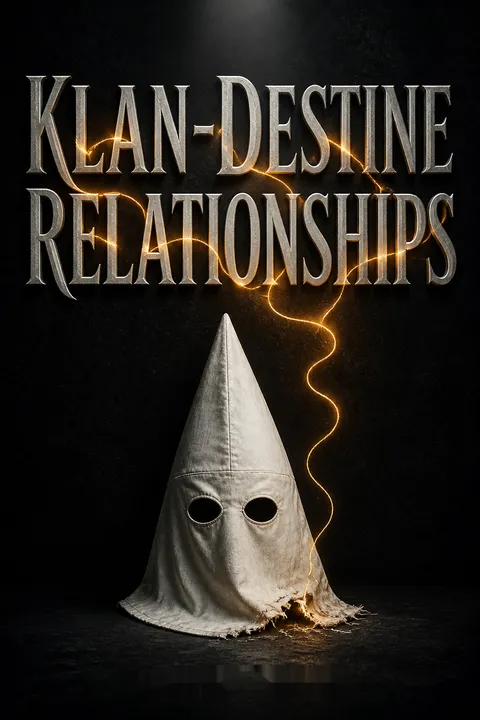

Key Takeaways
1. A Black Man's Quest to Understand Racial Hatred.
Driven by the need to understand those who, without ever having met him, hate him because of the color of his skin, Daryl decides to seek out the roots of racism.
Early life experiences. Daryl Davis, a Grammy Award-winning pianist, spent his early childhood in Europe and Africa, shielded from racism. His first encounter with prejudice occurred at age ten in Boston, where he was pelted with rocks while carrying the American flag for his Cub Scout troop. This incident, along with later experiences of being jeered at by a hate group and attacked by a racist cop, deeply impacted him.
Seeking understanding. The assassination of Martin Luther King Jr. in 1968 further solidified Daryl's resolve to comprehend the origins of racial hatred. Despite his young age, he began collecting materials on racism, including books on the KKK and other hate organizations, driven by a profound curiosity rather than anger. He sought to understand why people would inflict pain or hatred based solely on skin color.
Personal motivation. Daryl's quest was not to condone the past but to move forward by understanding. He believed that by engaging directly with those who harbored racial animosity, he could uncover the underlying reasons for their prejudice. This deeply personal mission became a central theme of his life, guiding his interactions and research into the heart of America's most fanatical institutions.
2. Unlikely Bonds Forged Through Direct Dialogue.
A Black man with a White woman meeting with the Grand Dragon of the Ku Klux Klan and his bodyguard in a truck stop motel room for two hours seemed inconceivable based on what I had heard and personally knew about the Klan.
First Klan encounter. Daryl's journey began with Roger Kelly, the Imperial Wizard of the Invincible Empire Knights of the Ku Klux Klan. Despite initial apprehension from Kelly and his bodyguard, Daryl extended a hand of friendship, leading to a two-hour conversation in a motel room. This meeting, facilitated by Daryl's secretary Mary, was a stark departure from typical interactions with Klan leaders.
Finding common ground. During their discussion, Daryl and Kelly, despite their vastly different backgrounds, discovered unexpected areas of agreement, such as their mutual opposition to recreational drug use. This initial dialogue, marked by moments of shared laughter and a growing sense of ease, laid the groundwork for a unique and evolving relationship. Kelly's willingness to engage, even posing for pictures with Daryl, signaled a surprising openness.
Building trust. The meeting demonstrated Daryl's belief that direct communication could bridge seemingly uncrossable divides. The initial distrust, highlighted by the bodyguard's hand on his gun, gradually eased as the conversation progressed. This first encounter, which Daryl described as "inconceivable," proved that even between a Black man and a Klansman, common ground could be found, if only momentarily.
3. The Ku Klux Klan: A Fragmented and Contradictory Entity.
In all fairness, because of the many reincarnations and factions in the Klan nation, generally referred to as the 'Invisible Empire,' we can no longer refer to the Ku Klux Klan as one large, cohesive group.
Internal divisions. Daryl's research revealed that the KKK is far from a unified organization, consisting of numerous splinter groups with differing ideologies and leadership. These factions often engage in rivalry, back-biting, and accusations of misappropriating funds, weakening their collective strength. This internal disarray contradicted the media's portrayal of a monolithic "Klan."
Varying beliefs. Klansmen held diverse reasons for joining, ranging from outright hatred of specific groups (Blacks, Jews, Orientals) to a desire for "pro-White" fraternal organizations. Some leaders, like Roger Kelly, identified as "White Separatists," advocating for racial separation without claiming superiority, while others, like Chester Doles, were staunch "White Supremacists." This spectrum of beliefs highlighted the complex and often contradictory nature of Klan membership.
Shifting membership criteria. Historically, the KKK excluded Catholics and Jews, but over time, some factions began accepting them, and even Native American-Indians. This adaptability, driven by the need for numbers and support, further underscored the Klan's lack of a consistent, unified doctrine. Daryl observed that these changes often led to internal conflicts and accusations of betrayal among different Klan leaders.
4. Challenging Stereotypes and Uncovering Motivations.
I went looking for a violent man who hates people for no other reason than the difference of skin color. This quest failed. Roger Kelly does not hate, nor is he a violent man. Roger Kelly is a very opinionated man.
Beyond the stereotype. Daryl often found that individual Klansmen did not fit the monolithic "violent hater" stereotype. Roger Kelly, for instance, presented as a professional businessman, articulating his views as a "White Separatist" who believed in racial separation for the potential of each race, rather than outright hatred. He even expressed concern for the elderly Black couple whose lawn was burned.
Complex motivations. Vernon Naimaster, a former Grand Dragon, claimed he joined the Klan to politically fight against what he perceived as unconstitutional government policies, not to advocate for night-riding violence. He believed in "Klankraft" principles but disagreed with violent acts. Similarly, Bob White, another Grand Dragon, stated he joined because he was "pro-White," not "anti-Black," and shared his experiences of growing up with Black neighbors.
Personal prejudices. While some Klansmen disavowed violence, many held deeply ingrained prejudices. Karen, a silent Klanslady, expressed "White Pride" and believed in racial separation, attributing many societal problems to "lower intelligence" among Black people and "minority rules." She also revealed personal experiences of racial discrimination, which she felt justified her views, highlighting how individual experiences can shape prejudice.
5. The Complexities of Justice and "Reverse Discrimination."
Discrimination is the rule if you are a minority, either by virtue of race, ethnic origin, religion, physical handicap, sexual orientation, controversial affiliations or social views.
Personal experience with injustice. Daryl himself experienced what he perceived as racial discrimination and police brutality during a false arrest with his White girlfriend. Despite passing a polygraph test, their records were nearly expunged only if they agreed not to sue the police. This incident, occurring in his home state, solidified his belief that bigotry existed everywhere, not just in the Deep South.
Klan as victims of discrimination. Daryl observed instances where Klansmen felt they were victims of "reverse discrimination." Roger Kelly was removed from a Howard University television show audience due to "security reasons," despite being invited and promising to be a silent observer. Daryl argued this was discriminatory, as a Black institution denied a Klansman the same opportunity to observe that others received.
Flawed legal system. The trial of a Klansman involved in a hood-snatching incident further illustrated the complexities of justice. The Klansman, with an extensive criminal history, was convicted despite photographic evidence contradicting police testimony, leading Daryl to believe he was judged more for his Klan affiliation than the specific crime. Conversely, the hood-snatcher's charges were dropped without trial, highlighting perceived double standards.
6. The Transformative Power of Empathy and Shared Humanity.
The change in Tom Tarrants is perhaps the best argument that with God’s help, all is possible.
From terrorist to preacher. Thomas Tarrants III, once dubbed "the most dangerous man in Mississippi" and responsible for numerous bombings as a White Knight Klansman, underwent a profound transformation in prison. After reading the Bible and seeking guidance, his hatred for Blacks and Jews vanished, replaced by remorse and a desire to spread the word of God. He was released early due to the sincerity of his conversion.
A new mission. Tarrants now preaches in integrated churches, advocating for the unity of all races. He acknowledges the Klan's twisted interpretations of the Bible, which brainwash members into racist ideologies. His journey from a violent extremist to a man of peace serves as a powerful testament to the possibility of radical personal change and redemption.
Hope for healing. Daryl found Tarrants' story deeply moving, seeing it as evidence that even the most entrenched hatred can be overcome. Tarrants' willingness to engage with Daryl, despite his past, underscored the potential for healing and understanding when individuals are open to truth and empathy. This transformation offered a glimmer of hope for broader societal change.
7. The Enduring Struggle Against Prejudice and the Path to Harmony.
Unless we respect each other there will always be a race problem.
The need for mutual respect. Bob White, a Grand Dragon, articulated a simple yet profound truth: "The key to our races ever getting along is one seven-letter word, R-E-S-P-E-C-T." He believed that without mutual respect, racial problems would persist, and that both sides needed to change their attitudes. This sentiment resonated deeply with Daryl's own mission.
Beyond blame. Daryl consistently sought to move conversations beyond assigning blame for past wrongs, focusing instead on finding common ground for future cooperation. He proposed joint efforts to tackle issues like the drug problem, which affects all races, as a way to build bridges and alleviate fears. He argued that focusing on shared challenges could foster unity.
A vision for coexistence. Despite the deep-seated prejudices he encountered, Daryl maintained hope for a more harmonious future. He believed that by acknowledging past injustices, fostering dialogue, and promoting mutual understanding, society could move towards a place where people of all backgrounds could coexist peacefully. His interactions, even with the most ardent Klansmen, were driven by this unwavering belief in the possibility of change.
8. Music as a Bridge Across Divides.
Before him, Blacks and Whites were segregated in theaters by ropes. At Berry’s concerts, an atmosphere of tolerance permeated. Blacks and Whites danced and intermingled without incident.
Chuck Berry's legacy. Daryl, a musician himself, deeply admired Chuck Berry, seeing his music as a "bridge-builder" that brought Blacks and Whites together. Berry's concerts created an environment where racial segregation, common in theaters of the time, dissolved, allowing people of different colors to dance and intermingle freely. This demonstrated music's power to transcend social barriers.
Daryl's musical journey. Daryl's own career in blues, rock 'n' roll, and country music often placed him in predominantly White venues, where he was sometimes seen as a "novelty." Despite potential racist sentiments, his talent earned him acceptance and even protection from some White patrons. He became known as "The Black guy who plays piano like Jerry Lee Lewis," highlighting how shared artistic appreciation could override prejudice.
Unexpected harmony. During an appearance on Roy Frankhouser's (a former Grand Dragon) public access TV show, Daryl played the piano. The music, a mix of classical and boogie-woogie, prompted Frankhouser to rise and dance. This spontaneous moment of shared joy, between a Black man and a Klansman, underscored music's unique ability to create unexpected connections and momentarily dissolve racial tensions, even in a highly charged environment.
9. The Role of Media in Shaping Perceptions of Racism.
The media has a funny way of operating. Anything detrimental, they’ll smear everybody. If it’s anything worthwhile, they won’t print it.
Media's influence. Daryl observed that the media often played a significant role in shaping public perception of the KKK and racial issues. Bob White, a Grand Dragon, accused the "Jews media" of smearing the Klan and intentionally misrepresenting their size and activities to undermine them. He believed the media focused only on negative aspects, ignoring any positive contributions.
Manipulation and bias. The incident at Howard University's "RACISM: WRONG OR WHITE" show exemplified media manipulation. Roger Kelly, invited as an observer, was singled out, photographed, and then removed from the studio audience, ostensibly for "security reasons." Daryl's subsequent attempt to get a news story about this "reverse discrimination" was suppressed by editors who feared it would make the Klan "look good."
Distorted narratives. Klansmen often cited media reports and FBI documents (which they selectively believed) to support their claims, such as Martin Luther King Jr. being a Communist. Daryl noted the irony that Klansmen would discredit the FBI when it targeted them, but accept its "facts" when it aligned with their prejudices. This highlighted how narratives, even if flawed, could become deeply ingrained beliefs.
10. Personal Risk for Profound Understanding.
I had come too far to yield to fear now.
Facing danger. Daryl's quest was fraught with personal risk. He received warnings from friends and even former Klansmen about the dangers of meeting with active members, particularly with a White woman. He chose to go unarmed to meetings, relying on his belief in divine intervention and his commitment to understanding.
Emotional and physical toll. Engaging with individuals who harbored deep-seated hatred was emotionally taxing. Daryl often had to suppress his anger and maintain composure in the face of offensive remarks and ideologies. He also faced physical threats, such as the incident where Raymond Pierson's sister kicked him, and Larry Sines attempted to strike him, leading to court charges.
Unwavering commitment. Despite the threats, the emotional strain, and the occasional physical altercations, Daryl remained steadfast in his mission. He saw these encounters as necessary steps to peel back the layers of secrecy and prejudice surrounding the Klan. His willingness to put himself in vulnerable positions underscored his profound dedication to finding truth and fostering dialogue, even with those who wished him harm.
Review Summary
Klan-destine Relationships by Daryl Davis chronicles the musician's journey befriending Ku Klux Klan members to understand racism's roots. Reviews praise Davis's courage and non-confrontational approach, noting he found common ground with white supremacists through dialogue. While some critics dispute claims about converting 200 members (most reviews mention only a few documented departures), readers appreciate insights into Klan mentality and Davis's message about combating ignorance through education and exposure. Reviewers debate the writing quality but overwhelmingly commend Davis's bravery, noting his example of treating enemies with dignity while challenging racist beliefs.
People Also Read









Download PDF
Download EPUB
.epub digital book format is ideal for reading ebooks on phones, tablets, and e-readers.








































