
Plot Summary
Seeds of Obsession
On his ninth birthday, Kenn Kaufman's family leaves Indiana for Kansas, a journey that awakens in him a lifelong restlessness and a fascination with birds. While his family focuses on destinations, young Kenn is transfixed by the journey itself and the birds glimpsed along the way. His early curiosity, fueled by library books and the encouragement of his parents, quickly becomes an obsession. He idolizes Roger Tory Peterson and dreams of seeing every bird in North America. The Western Kingbird, first spotted in Kansas, becomes his totem—symbolizing both his longing for the West and his growing sense of independence. This chapter sets the emotional foundation for a life defined by seeking, learning, and the relentless pursuit of avian wonders.
Roads and Kingbirds
As adolescence brings mastery of local birds, Kenn's hunger for new species grows. He dreams of leaving school at sixteen to travel and learn from the world directly, despite resistance from teachers and counselors. With his parents' reluctant blessing, he begins hitchhiking and traveling by bus, learning the rhythms and dangers of the road. Arizona's bird-rich landscapes and the freedom of solo travel deepen his resolve. The Western Kingbird remains a guiding symbol, and the road itself becomes both classroom and sanctuary. Early hardships—hunger, weather, and brushes with the law—are endured for the sake of discovery, forging a resilience that will define his coming adventures.
The Lure of Listing
Inspired by the book Wild America and the rise of the American Birding Association (ABA), Kenn is swept into the world of bird listing. The ABA's newsletters and guides transform birding from a solitary pursuit into a continent-wide game, where keeping lists and chasing records becomes the norm. The "Big Year"—seeing as many species as possible in a single year—emerges as the ultimate challenge. Kenn is drawn to the idea of breaking the 600-species barrier, but soon learns that a peer, Ted Parker, has already shattered the record. The competitive spirit of birding intensifies, and Kenn's journey shifts from personal exploration to a quest for achievement and recognition within a growing community.
Birders Become Tribe
A boat trip to the Dry Tortugas introduces Kenn to a vibrant tribe of young birders—Joel, Rose Ann, Peli, and others—who share his obsession. The camaraderie and playful competition among the "Tucson Five" and other regional groups reveal birding as both a social and intellectual pursuit. Ted Parker emerges as a near-mythic figure, combining athletic prowess, Zen-like focus, and encyclopedic knowledge. The group's adventures, debates, and invented traditions (like giving each other bird names) foster a sense of belonging and purpose. Yet, the shadow of rivalry—especially with Parker—reminds Kenn that birding is as much about human connection as it is about the birds themselves.
California's Contrasts
Kenn's travels take him to both southern and northern California, where he encounters contrasting birding cultures. In the south, competition is fierce, led by figures like Guy McCaskie, while the north, under the influence of Rich Stallcup, is more communal and celebratory. The landscape itself—rocky coasts, fog, and pelagic birds—offers new challenges and delights. Kenn is welcomed into the northern tribe, experiencing the magic of mass migrations and the joy of shared discovery. The California experience broadens his perspective, teaching him that birding can be both a game and a form of wonder, and that the journey often matters more than the destination.
Christmas Counts and Community
The annual Christmas Bird Counts become a touchstone for Kenn, linking him to both his childhood and the wider birding community. In Arizona, he joins local legends like the Witzemans and participates in record-breaking counts, finding rare birds and forging lasting friendships. The counts are more than a tally—they are rituals of belonging, celebration, and collective achievement. The excitement of exclusives, the thrill of rare finds, and the warmth of post-count gatherings reinforce the idea that birding is as much about people as it is about birds. These experiences rekindle Kenn's enthusiasm and set the stage for his renewed attempt at a Big Year.
The Big Year Begins
With the new year, Kenn commits fully to the Big Year challenge, aiming to break Ted Parker's record. He hitchhikes thousands of miles, braving hunger, weather, and exhaustion to chase rare birds and stakeouts from Florida to Alaska. The journey is relentless—marked by long nights on the road, brushes with the law, and the constant pressure of time. Along the way, he meets his rival, Floyd Murdoch, and realizes that the competition is fiercer and more complex than he imagined. The Big Year becomes a test of endurance, luck, and resourcefulness, as well as a crucible for personal growth and self-discovery.
Rivalries and Realizations
The presence of rivals like Floyd Murdoch and the legendary Ted Parker forces Kenn to confront the true nature of competition. While the chase for numbers drives him onward, he begins to question the meaning of the quest. Encounters with other birders—some generous, some obsessed—highlight the spectrum of motivations within the community. The relentless pursuit of rarities, the toll of travel, and the fleeting nature of records prompt moments of doubt and introspection. Kenn starts to see that the value of birding lies not in the numbers, but in the experiences, relationships, and moments of awe that punctuate the journey.
Storms and Survival
A brutal winter storm on the Outer Banks of North Carolina becomes a metaphor for the unpredictability and harshness of both birding and life. Kenn and his companions witness the devastation wrought on Myrtle Warblers and other birds, realizing that even the best-adapted strategies can fail in the face of nature's extremes. The episode underscores the fragility of both birds and birders, and the limits of human control. Survival—whether of warblers in a storm or a hitchhiker on the road—depends on resilience, adaptability, and sometimes sheer luck. The storm leaves a lasting impression, deepening Kenn's respect for the natural world and his own vulnerability within it.
Chasing Rarities
As the year progresses, Kenn's quest becomes increasingly focused on chasing rare and elusive species—Mexican Crows at a landfill, Sky Larks on a remote island, and Asian strays in Alaska. Each chase is a blend of anticipation, frustration, and occasional triumph. The search for the Cape Sable Sparrow, soon to be "lumped" out of existence by taxonomists, highlights the arbitrary nature of human classifications and the bittersweet reality of extinction and change. The thrill of the chase is tempered by the realization that rarity is often a matter of perspective, and that the most meaningful encounters are those that surprise and transform the seeker.
Alaska: Edge of the World
Alaska represents both the literal and metaphorical edge of Kenn's journey. The vastness, wildness, and abundance of birds—auklets, puffins, eiders, and the legendary Ross's Gull—offer a sense of discovery unmatched elsewhere. Encounters with indigenous communities, the challenges of the Alaska Highway, and the camaraderie of fellow birders deepen the experience. Alaska is a place where boundaries blur—between continents, between species, between the known and the unknown. The lessons learned here—about humility, wonder, and the limits of human ambition—will shape Kenn's understanding of birding and himself for years to come.
Lessons from the North
The return from Alaska marks a turning point. The exhilaration of the far north gives way to a sense of anticlimax and introspection. Kenn realizes that the relentless pursuit of numbers has left him exhausted and, in some ways, empty. Encounters with mentors like Roger Tory Peterson and moments of connection with fellow birders—especially a budding romance—remind him that the true rewards of birding are not measured in checkmarks, but in relationships, memories, and personal growth. The Big Year becomes less about records and more about meaning, signaling a shift from external achievement to internal fulfillment.
The Toll of the Road
As the year wanes, the physical and emotional costs of the journey mount. Endless miles, hunger, and the grind of hitchhiking erode Kenn's enthusiasm. The pursuit of the last few species becomes a test of will rather than joy. Encounters with skeptical locals, brushes with danger, and the loneliness of the road force him to question the value of his quest. Yet, even in moments of despair, small victories—a Lesser Prairie-Chicken, a Sharp-tailed Sandpiper—offer glimpses of redemption. The road, once a symbol of freedom, now feels like a burden, and Kenn longs for rest and renewal.
Mexico and Beyond
With the Big Year nearly complete, Kenn turns his attention southward, exploring the birdlife of Baja California and Mexico. The boundaries of the official "listing area" become increasingly arbitrary, and the joy of discovery returns as he encounters new species and vibrant landscapes. The trip to Mexico, undertaken with friends and mentors, rekindles his sense of wonder and curiosity. The experience underscores the limitations of lists and the importance of embracing the unknown. As the year ends, Kenn is ready to leave behind the constraints of competition and embrace a more open, exploratory approach to birding and life.
The End of the List
The final days of the Big Year are marked by reflection, gratitude, and a sense of release. The last birds are found, the last counts tallied, and the last rides hitched. Kenn participates in the legendary Freeport Christmas Bird Count, standing on a storm-battered jetty and nearly losing his life to the waves—a fitting metaphor for the risks and rewards of his journey. The experience crystallizes the lessons of the year: that birding, like life, is about paying attention, embracing uncertainty, and finding meaning in the moment. The list ends, but the quest for understanding and connection continues.
What Remains
In the aftermath, Kenn reflects on the true legacy of his Big Year. The records and numbers, once so important, fade in significance compared to the friendships, adventures, and personal growth he has gained. The birding world continues to evolve—records are broken, boundaries shift, and new generations take up the quest. Yet, the essential lesson endures: the value of seeking, of being present, of remaining open to wonder. The ride, he realizes, never truly ends; it simply changes direction. The birds, the road, and the community remain, inviting each new seeker to begin again.
Analysis
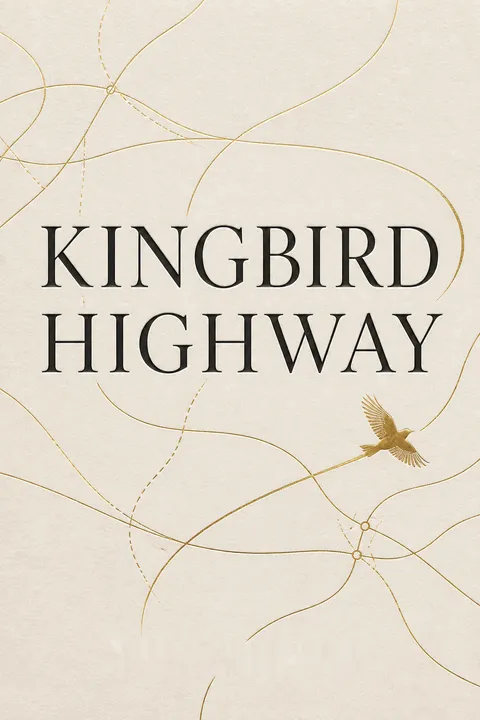
Kingbird Highway is more than a memoir of birding exploits; it is a meditation on obsession, community, and the search for meaning in a world defined by both beauty and impermanence. Kenn Kaufman's journey—from restless child to record-chasing birder to reflective adult—mirrors the arc of many seekers who pursue external achievement only to discover that fulfillment lies elsewhere. The book explores the tension between competition and wonder, the allure of lists and the limitations of boundaries, and the transformative power of community and connection. In an era of increasing specialization and fragmentation, Kaufman's story reminds us that true expertise is not just about knowledge or accomplishment, but about humility, openness, and the willingness to be changed by what we encounter. The lessons of Kingbird Highway—about paying attention, embracing uncertainty, and finding joy in the journey—resonate far beyond the world of birding, offering guidance for anyone navigating the highways of life.
Review Summary
Kingbird Highway receives strong praise, averaging 4.3/5 stars. Readers celebrate Kaufman's remarkable 1973 Big Year adventure, hitchhiking across North America on under $1,000 to set a bird-sighting record. Many appreciate the coming-of-age narrative arc alongside the birding, particularly valuing Kaufman's gradual shift from competitive listing to deeper naturalist appreciation. Birders and non-birders alike find it compelling, though some critics note repetitive structure and occasional emotional detachment. The book is widely considered a classic, with standout praise for its philosophical reflections on journey versus destination.
People Also Read
Characters
Kenn Kaufman
Kenn is the heart of the story—a shy, introspective boy whose early fascination with birds becomes a lifelong obsession. His journey from the suburbs of Kansas to the wilds of Alaska and Mexico is both literal and metaphorical, charting his growth from solitary outsider to respected member of a passionate community. Kenn's psychological arc is defined by a tension between competition and wonder, achievement and meaning. The Big Year tests his endurance, resourcefulness, and values, ultimately leading him to question the purpose of listing and to embrace a more holistic, open-hearted approach to birding and life. His relationships—with mentors, rivals, and friends—shape his identity and provide the emotional core of the narrative.
Ted Parker
Ted is the legendary young birder whose record-breaking Big Year sets the standard for Kenn's quest. Charismatic, intensely focused, and almost supernaturally skilled, Ted embodies both the allure and the dangers of obsession. His Zen-like concentration and encyclopedic knowledge make him a leader among peers, while his single-mindedness sometimes isolates him. Ted's presence forces Kenn to confront his own motivations and limitations, serving as both a rival and a role model. Psychologically, Ted represents the heights of human potential—and the costs of relentless pursuit. His later achievements and untimely death cast a long shadow over the birding world.
Joel Greenberg
Joel is Kenn's close friend and fellow member of the "Tucson Five." With his wild hair, quick wit, and boundless creativity, Joel brings levity and camaraderie to the often intense world of competitive birding. He invents mythical birds, pokes fun at traditions, and helps Kenn navigate both the social and practical challenges of the road. Joel's presence highlights the importance of friendship, play, and perspective, reminding Kenn (and the reader) that birding is as much about joy and connection as it is about achievement.
Rose Ann Rowlett ("Plover")
Rose Ann is a central figure in the Texas birding community and a key member of Kenn's extended tribe. She combines scientific rigor with warmth and humor, mentoring younger birders and fostering a sense of inclusivity. Her partnership with Peli and her role in organizing counts and expeditions exemplify the collaborative spirit of birding at its best. Psychologically, Rose Ann represents the integration of knowledge and empathy, tradition and innovation. Her influence helps Kenn see birding as a communal, lifelong pursuit.
"Peli" (Suzanne Winckler)
Peli, known as the Brown Pelican, is Rose Ann's close friend and a vital presence in the Texas birding scene. She brings an artistic sensibility and a gentle humor to the group, balancing the intensity of competition with appreciation for beauty and experience. Peli's editorial work and her nurturing role in the community underscore the importance of storytelling, memory, and care. She helps Kenn and others find meaning beyond the checklist, anchoring the narrative in shared values and affection.
Rich Stallcup
Rich is the "Pirate of Point Pinos" and the spiritual center of northern California birding. Larger-than-life, generous, and endlessly enthusiastic, he embodies the magic and adventure of birding. Rich's approach is less about competition and more about celebration, teaching Kenn to value the journey over the destination. His deep knowledge, storytelling, and openness to discovery inspire those around him. Psychologically, Rich represents the possibility of lifelong wonder and the transformative power of community.
Floyd Murdoch
Floyd is Kenn's main rival during the Big Year—a more conventional, resource-rich birder whose parallel quest forces Kenn to confront the nature of competition and privilege. Floyd is methodical, strategic, and sometimes uneasy about the disparities between them. Their rivalry is marked by mutual respect, occasional tension, and a shared recognition that the numbers, in the end, matter less than the experience. Floyd's presence sharpens Kenn's self-awareness and prompts deeper questions about fairness, motivation, and the meaning of success.
Bob and Janet Witzeman
The Witzemans are pillars of the Arizona birding community, combining expertise with activism and hospitality. Bob's conservation work and Janet's writing exemplify the broader responsibilities of birders as stewards and storytellers. Their encouragement, guidance, and friendship provide Kenn with both practical support and a model for engaged, ethical birding. Psychologically, they represent the integration of passion and purpose, showing that birding can be a force for both personal fulfillment and social good.
Mark Robbins
Mark is a key member of the Tucson Five, known for his skill at finding target birds and his down-to-earth approach. His energy, humor, and reliability make him a valued companion on the road and in the field. Mark's presence grounds the group, balancing the extremes of obsession and play. He represents the importance of teamwork, adaptability, and perseverance in the face of challenges.
Elaine Cook
Elaine is a young birder from Baltimore whose intelligence, independence, and emotional depth challenge Kenn to reconsider his priorities and aspirations. Their connection, forged during the ABA convention and deepened through letters and shared experiences, introduces themes of vulnerability, longing, and the search for meaning beyond achievement. Elaine's presence prompts Kenn to balance ambition with intimacy, and to recognize the value of relationships in shaping identity and purpose.
Plot Devices
The Big Year Structure
The story is anchored by the structure of the "Big Year"—a calendar-driven race to see as many bird species as possible in North America. This device provides both urgency and a natural arc, with seasons, migrations, and milestones marking progress. The ticking clock heightens tension, while the cyclical nature of birding (spring migration, Christmas counts) reinforces themes of renewal and impermanence. The Big Year also serves as a metaphor for coming of age, self-discovery, and the search for meaning.
Rivalry and Community
The presence of rivals—Ted Parker, Floyd Murdoch, Tom Thomson—creates external and internal conflict, forcing Kenn to examine his motivations and values. The interplay between competition and camaraderie, isolation and belonging, drives much of the emotional arc. Birding communities (the Tucson Five, Texas tribe, California clans) provide both support and challenge, illustrating the complex dynamics of identity, status, and friendship.
Foreshadowing and Reflection
Throughout the narrative, moments of foreshadowing—brushes with danger, the lumping of species, the extinction of the Dusky Seaside Sparrow—signal the impermanence of both records and life itself. Kenn's growing ambivalence about listing, his encounters with mentors, and his reflections on the road all point toward an eventual shift from external achievement to internal meaning. The use of afterwords and epilogues reinforces the idea that the journey's true value is only understood in retrospect.
Symbolism and Motif
Specific species—the Western Kingbird, Sky Lark, Ross's Gull—serve as symbols of aspiration, displacement, and wonder. The road itself is a recurring motif, representing both possibility and exile. The act of listing, with its checkmarks and boundaries, becomes a metaphor for the human desire to impose order on a chaotic world, and the eventual realization that meaning lies beyond the list.
Narrative Voice and Self-Awareness
Kenn's voice is candid, self-deprecating, and reflective, inviting the reader into both the external adventure and the internal journey. The narrative frequently breaks the fourth wall, acknowledging the constructed nature of the story and the limitations of memory and perspective. This self-awareness deepens the emotional resonance and invites the reader to question their own motivations and assumptions.
Download PDF
Download EPUB
.epub digital book format is ideal for reading ebooks on phones, tablets, and e-readers.








































