
Plot Summary
Subway Shadows and Sisters
On a grimy subway, Ophelia intervenes when a predatory man harasses a young girl, exposing her own trauma and fierce protectiveness. The incident triggers memories of her estranged sister, Fawn, who vanished years ago after fleeing their toxic family. When a stranger named Augie approaches Ophelia, searching for Fawn with a missing poster, Ophelia's world tilts. She learns Fawn is missing, possibly held by her abusive ex. The encounter is fraught with suspicion and longing—Ophelia is torn between guilt for letting Fawn go and distrust of Augie, who reveals he works at a strip club with Fawn. This chance meeting sets Ophelia on a collision course with her family's dark legacy and the dangerous underbelly of Saint View.
Strangers on the Strip
Augie, a stripper and sex worker at Saint View Strip, is haunted by Fawn's disappearance. The club, once vibrant, is now hollow without her. Augie's relationships with coworkers—especially Eve, the club's maternal owner—are strained by grief and guilt. He performs for clients, seeking solace in fleeting connections, but his heart isn't in it. When a client, Victoria, seeks revenge sex after her husband's betrayal, Augie's empathy surfaces. He refuses her money, recognizing her pain mirrors his own. Alone and broke, Augie's longing for family and redemption intensifies. His failed attempt to reconnect with his brother Banjo underscores his isolation, while Fawn's absence gnaws at his conscience.
Family Ties, Frayed Nerves
Ophelia and her brother Vincent (aka Scythe) reunite at their mother's opulent but cold mansion. Their mother, a manipulative matriarch, is unmoved by Fawn's disappearance, dismissing her as weak. The siblings' banter masks deep wounds—Vincent's dissociative identity disorder is a legacy of their upbringing. Their mother's indifference and transactional love fuel Ophelia's rage and guilt. The siblings resolve to find Fawn themselves, knowing their mother's help is a dead end. The family's history of violence and emotional neglect is laid bare, setting the stage for Ophelia and Vincent to break free from their mother's grip and seek justice for Fawn.
Unlikely Alliances Formed
Determined to find Fawn, Ophelia and Scythe visit Saint View Strip, where they meet Augie and Eve. Distrust simmers between the siblings and the club's found family. Augie, protective of Fawn's memory, clashes with Ophelia, accusing her of abandoning her sister. Eve, seeking peace, invites Ophelia to join a dance class, hoping to build trust. The club's warmth contrasts with Ophelia's cold upbringing, but old habits die hard. Both sides are wary, but a fragile alliance forms, united by the shared goal of finding Fawn. The tension between Ophelia and Augie is electric, hinting at deeper connections and unresolved pain.
Dead Ends and Dark Friends
Frustrated by police bureaucracy, Ophelia turns to her best friend Jezebel for leads on Fawn's ex, Eddie. Their conversation is interrupted by Jez's brother Riddick, a menacing figure from Ophelia's past. Riddick's presence is a chilling reminder of the violence that shadows Ophelia's life. He insists on helping with her latest "job bag"—a euphemism for a contract killing. Ophelia resists, but Riddick's threats are clear. The encounter underscores the perilous world Ophelia inhabits, where family ties are as deadly as any enemy. Her quest for Fawn is complicated by old loyalties and new dangers.
Haunted by the Past
Sleepless, Augie reflects on his fractured relationship with Banjo and the pain of losing Fawn. Acts of kindness—like fixing a neighbor's tire—are small attempts at redemption. Willa, a maternal neighbor, offers a lead: a private investigator who might help find Fawn. Augie's hope is fragile, battered by poverty and guilt. The memory of caring for Banjo as a child, and the trauma they both endured in foster care, haunts him. Augie's yearning for connection is palpable, but he remains an outsider, burdened by his past and uncertain future.
Stitches and Standoffs
Ophelia confronts Augie, demanding information about Fawn's case. Their exchange is prickly, but when Ophelia injures herself, Augie's tenderness surfaces as he stitches her wound. The intimacy unsettles them both, blurring the line between ally and adversary. Augie shares what little he knows about Fawn's disappearance, revealing the limits of his resources. Ophelia, hardened by her upbringing, warns Augie to stay out of the search, fearing for his safety. Their connection is undeniable, but trust is elusive. Both are haunted by guilt and the fear of losing another loved one.
Blood on the Job
Forced to work with Riddick, Ophelia participates in a botched hit that leaves innocent blood on her hands. Riddick's brutality is a stark contrast to Ophelia's methodical approach—he kills for pleasure, she for survival. The experience rattles Ophelia, blurring the boundaries between necessity and enjoyment. Her mother's expectations and Riddick's threats close in, making escape seem impossible. The job's aftermath leaves Ophelia questioning her own darkness and the cost of her family's legacy. The violence she inflicts is both a shield and a prison, isolating her from any hope of redemption.
Desperate Deals and Betrayals
Augie hires a private investigator, Bert, despite warnings about his shady connections. The cost is steep, and Bert's motives are suspect. Ophelia, following Augie, warns him too late—Bert is linked to the Mafia. Their conversation reveals mutual vulnerability and a growing bond, but also the dangers of trusting the wrong people. Augie's desperation to find Fawn makes him easy prey for exploitation. The web of betrayal tightens, as both Augie and Ophelia realize the search for Fawn is entangled with their own survival and the secrets they keep from each other.
The Target in the Mirror
Ophelia receives a job bag with Augie's name—she is now contracted to kill the man she's grown close to. Surveillance turns personal as she spies on Augie, torn between duty and desire. Her mother's pressure mounts, and Riddick's threats loom. Ophelia's internal conflict intensifies—she cannot kill Augie, but refusing means endangering them both. The line between assassin and protector blurs, as Ophelia's feelings for Augie deepen. The realization that she is both hunter and hunted forces Ophelia to confront the true cost of her family's business and her own capacity for love.
Surveillance and Suspicion
As Ophelia watches Augie, she is drawn into his world—his kindness to neighbors, his loneliness, his pain. Breaking into his house, she plants bugs but is caught by Augie, leading to a charged confrontation. Their mutual suspicion gives way to vulnerability, but old habits die hard. Ophelia's inability to kill Augie is both a weakness and a declaration of love. The surveillance becomes a metaphor for their relationship—always watching, never fully trusting, yet unable to look away. The tension between them is electric, hinting at the possibility of redemption through connection.
Dance of Distrust
Ophelia, guilt-ridden, agrees to take Eve and Lyric's dance class as a gesture of goodwill. Augie, still hurt by her accusations, teaches her himself. Their physical closeness reignites desire, but emotional barriers remain. The dance becomes a metaphor for their relationship—push and pull, dominance and surrender, trust and betrayal. Augie's vulnerability surfaces as he shares his past, while Ophelia struggles to reveal her own. The class ends with unresolved tension, but a growing sense that healing is possible if they can learn to trust each other.
Lust, Lies, and Lap Dances
Augie's performance at the club is haunted by thoughts of Ophelia. He seeks solace in meaningless sex, but finds no satisfaction. Ophelia, watching from afar, is consumed by jealousy and longing. Their mutual desire is undeniable, but both are trapped by lies—Ophelia's contract to kill Augie, Augie's belief that he is unworthy of love. The club, a place of performance and pretense, mirrors their emotional masks. When they finally give in to passion, it is explosive, but fraught with the knowledge that betrayal is inevitable.
Voyeurism and Vulnerability
Ophelia, spying on Augie, is drawn into a game of mutual exhibitionism. Their sexual connection is intense, but layered with pain and longing. Augie's need for validation and Ophelia's craving for intimacy collide in a moment of vulnerability. The act of watching and being watched becomes a metaphor for their relationship—each exposing their deepest desires and fears. The encounter leaves them both shaken, aware that their connection is as dangerous as it is irresistible.
Fire, Smoke, and Salvation
When a fire breaks out at Willa's house, Augie risks his life to save Luna, Banjo's daughter. The act is both redemption and penance for his past failures. Ophelia, witnessing Augie's heroism, is moved by his selflessness. The fire becomes a crucible, burning away old resentments and forging new bonds. In the aftermath, Augie is hailed as a hero, but the trauma lingers. The event brings the found family closer, but also exposes the fragility of life and the urgency of love.
Family Forgiveness, Family Fury
In the hospital, Augie and Banjo confront their shared past. Banjo's forgiveness is hard-won, but genuine, offering Augie a chance at redemption. Lacey and Colt's anger at Augie's involvement with the PI and the resulting danger to Banjo is palpable. Ophelia, witnessing the family's pain, is forced to confront her own role in the cycle of violence. The hospital becomes a place of reckoning, where old wounds are exposed and the possibility of healing emerges. Forgiveness is not easy, but it is the only path forward.
Running from the Darkness
After a terrifying encounter with Riddick, Ophelia runs to Augie, seeking safety and solace. Their night together is a balm for their wounds, a brief respite from the darkness that surrounds them. In each other's arms, they find a fragile peace, but the threat of Riddick and Ophelia's unfinished contract looms. The act of running becomes symbolic—Ophelia is not just fleeing danger, but her own past and the person she has become. The choice to seek love over violence is both an act of courage and a leap of faith.
Love in the Ashes
In the wake of trauma, Augie and Ophelia's love deepens. Their physical connection is intense, but it is the emotional intimacy that transforms them. Ophelia confesses her inability to kill Augie, and Augie reveals his deepest fears. Together, they find a sense of belonging neither has ever known. The ashes of their old lives become the foundation for something new. Love, hard-won and imperfect, offers the possibility of redemption and a future free from the sins of their families.
The Price of Survival
Riddick kidnaps Banjo, mistaking him for Ophelia's lover. Ophelia, desperate to save Banjo, bargains with Riddick—offering herself in marriage in exchange for Banjo's life. The act is both selfless and tragic, a testament to Ophelia's capacity for sacrifice. Banjo's ordeal is harrowing, but he survives, thanks to Ophelia's intervention. The price of survival is steep—Ophelia's freedom and happiness are the cost. The cycle of violence and sacrifice continues, but hope flickers in the possibility of breaking free.
Sex, Secrets, and Sacrifice
Ophelia and Augie infiltrate a sex club, seeking information on Fawn's whereabouts. Their partnership is tested by jealousy, desire, and the ever-present threat of betrayal. The club's hedonism is a backdrop for their own struggle with trust and vulnerability. When Zane, Eddie's brother, offers a cryptic warning, the stakes are raised. The secrets they uncover are as dangerous as the passions they ignite. Sacrifice becomes the currency of survival, and love is both weapon and shield.
The Wedding That Wasn't
Ophelia, resigned to marrying Riddick to save Banjo, is saved at the last moment by Scythe, who kills Riddick in a dramatic showdown. The wedding, a symbol of Ophelia's loss of agency, becomes the site of her liberation. Scythe's intervention severs the final tie to their family's violent legacy. Ophelia, covered in blood but free, confesses her love to Augie. The truth of her past is laid bare, but Augie chooses love over judgment. Together, they walk away from the wreckage, determined to build a new life.
Blood Ties Severed
Ophelia and Scythe confront their mother, declaring their independence and severing ties. Their mother's manipulations and betrayals are exposed, and she is left alone, stripped of her power. Augie, too, confronts his parents, learning they were behind the hit on him and Banjo. The siblings' decision to walk away is both an act of defiance and a declaration of self-worth. The cycle of violence is broken, and the possibility of healing emerges. Family is redefined—not by blood, but by choice and love.
Closure and New Beginnings
With Fawn's fate confirmed, the found family gathers at the club for a memorial. Grief is shared, but so is hope. Augie and Banjo reconcile, and Ophelia finds acceptance and belonging. The past cannot be erased, but it no longer defines them. Together, they choose love, forgiveness, and the promise of a future built on trust and compassion. The story ends not with vengeance, but with the quiet strength of survivors who have learned to love in spite of everything.
Analysis
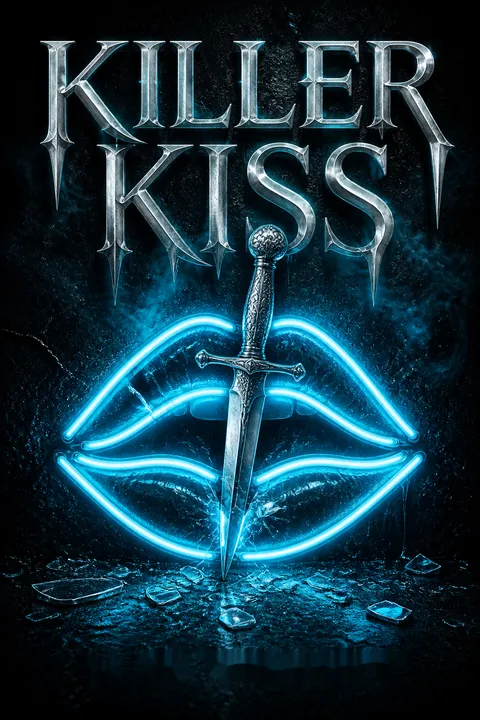
Killer Kiss is a dark, emotionally charged exploration of trauma, survival, and the redemptive power of love. At its core, the novel interrogates the legacy of violence—how it is inherited, perpetuated, and, ultimately, overcome. Through the intertwined journeys of Ophelia and Augie, the story examines the ways in which broken people seek connection, forgiveness, and meaning in a world that has taught them to distrust both themselves and others. The narrative's alternating perspectives invite readers to empathize with characters who are both victims and perpetrators, challenging simplistic notions of good and evil. The found family at Saint View Strip offers a vision of hope, suggesting that healing is possible through community and compassion. The novel's climactic rejection of toxic family ties and embrace of chosen love is a powerful statement on autonomy and self-worth. Ultimately, Killer Kiss is a testament to the resilience of the human spirit—the capacity to choose love over violence, to forgive oneself and others, and to build a future from the ashes of the past.
Review Summary
Killer Kiss is the third book in Elle Thorpe's Saint View Strip series, earning an impressive 4.47 out of 5 rating. Readers praise the redemption arc of MMC Augie, previously disliked from Saint View High, and the badass FMC Ophelia, a contract killer and Scythe's sister. Fans love their fiery chemistry, witty banter, and interconnected storylines with other Saint View characters. Most reviewers highlight the shocking epilogue cliffhanger, leaving them desperate for the next installment. A small number of readers found pacing issues or felt certain storylines were underdeveloped.
People Also Read
Characters
Ophelia Hanover
Ophelia is a complex blend of strength and vulnerability, shaped by a childhood under a manipulative, violent mother. Trained as an assassin, she is both hunter and hunted, her skills a shield and a curse. Her relationship with her siblings, especially Fawn and Vincent/Scythe, is fraught with guilt and fierce loyalty. Ophelia's journey is one of self-forgiveness—her inability to kill Augie marks a turning point, as love becomes her path to redemption. Her psychological scars run deep, but her capacity for sacrifice and her longing for connection drive her to break free from her family's toxic legacy.
August "Augie" Mitchell
Augie is a product of trauma—abandoned by parents, scarred by foster care, and estranged from his brother Banjo. His work as a stripper and sex worker is both survival and self-punishment. Augie's search for Fawn is a quest for atonement, driven by guilt and love. His relationship with Ophelia is transformative, allowing him to confront his past and embrace vulnerability. Augie's journey is one of healing—through acts of courage, forgiveness, and love, he finds a sense of family and self-worth he never thought possible.
Vincent/Scythe
Vincent, also known as Scythe, embodies the split between restraint and violence. His dissociative identity disorder is a response to childhood trauma, with Vincent representing control and Scythe embracing chaos. Fiercely loyal to his sisters, he is both Ophelia's confidant and enforcer. Scythe's willingness to kill for family is both a blessing and a curse, but his ultimate act—saving Ophelia from Riddick—marks his redemption. His journey is one of integration, learning to balance darkness with love and loyalty.
Fawn Hanover
Fawn is the emotional core of the story—her disappearance and death drive the narrative and force her family to confront their demons. Gentle, kind, and ill-suited to the family business, Fawn's escape is both an act of defiance and a plea for freedom. Her fate is a stark reminder of the cost of violence and the fragility of innocence. Fawn's memory unites the fractured family, inspiring acts of courage, forgiveness, and love.
Eve
Eve, owner of Saint View Strip, is the heart of the club and a surrogate mother to its lost souls. Her grief over Fawn's disappearance is palpable, but her resilience and compassion hold the found family together. Eve's dance classes and unwavering support offer a glimpse of healing and belonging. She represents the possibility of redemption through community and love.
Riddick
Riddick is a chilling presence—unpredictable, brutal, and devoid of empathy. His obsession with Ophelia and his role as a contract killer make him both a threat and a mirror for Ophelia's own darkness. Riddick's downfall is a testament to the power of family loyalty and the necessity of breaking cycles of abuse. His death marks the end of an era and the possibility of a new beginning.
Banjo Mitchell
Banjo is Augie's younger brother, a survivor of trauma who chooses love and forgiveness over bitterness. His relationship with Augie is central to the story's emotional arc—his willingness to reconcile offers Augie a path to redemption. Banjo's ordeal at Riddick's hands is harrowing, but his survival and forgiveness are acts of quiet heroism. He represents the possibility of healing and the importance of chosen family.
Jezebel
Jezebel is Ophelia's best friend and confidante, herself shaped by a violent family. Her loyalty is unwavering, and her willingness to help Ophelia—even at great personal risk—underscores the power of friendship. Jezebel's own struggles mirror Ophelia's, and their bond is a source of strength in a world defined by betrayal.
Willa
Willa is a rare source of unconditional love in Augie's life. Her home is a sanctuary, and her acts of kindness—both large and small—offer Augie a glimpse of the family he never had. Willa's injury in the fire is a turning point, reminding Augie of the importance of connection and the cost of isolation.
The Mother (Ophelia's)
Ophelia's mother is a master of emotional and physical violence, shaping her children into weapons for her own gain. Her indifference to Fawn's fate and her transactional love are sources of deep psychological scars. The siblings' eventual rejection of her is both an act of liberation and a declaration of self-worth. She embodies the dangers of unchecked power and the necessity of breaking free from toxic family ties.
Plot Devices
Dual Narratives and Shifting Perspectives
The story unfolds through the alternating perspectives of Ophelia and Augie, allowing readers to experience their internal struggles, desires, and fears firsthand. This dual narrative structure creates dramatic irony—each character is privy to secrets the other does not know, heightening tension and emotional stakes. The shifting perspectives also humanize both protagonists, exposing their vulnerabilities and the ways they misjudge each other.
Found Family vs. Blood Family
The juxtaposition of toxic blood families and chosen found families is central. The strip club, with Eve as its matriarch, offers a haven for the lost and broken, while Ophelia's and Augie's biological families are sources of pain and betrayal. This contrast underscores the theme that true family is defined by love, not blood, and that healing is possible through community.
Foreshadowing and Symbolism
The story is rich with foreshadowing—early acts of violence and protection (the subway scene, the fire) echo throughout, signaling the characters' capacity for both harm and healing. Objects like knitting needles, job bags, and scars become symbols of the characters' dual natures—tools of violence and creation, reminders of pain and survival.
The Cycle of Violence and Breaking Free
The narrative is driven by the cycle of violence—families training their children to kill, perpetuating trauma across generations. The protagonists' journeys are defined by their efforts to break free—Ophelia's refusal to kill Augie, Augie's quest for forgiveness, and the siblings' rejection of their mother. The story interrogates whether love and self-determination can overcome the weight of inherited pain.
Red Herrings and Misdirection
The search for Fawn is marked by dead ends, betrayals, and shifting alliances. Characters like Bert the PI and Zane serve as red herrings, complicating the investigation and forcing the protagonists to question whom they can trust. The revelation of the true mastermind behind the hits is delayed, maintaining suspense and emotional investment.
Catharsis through Violence and Love
The story's climaxes—Ophelia's refusal to marry Riddick, Scythe's intervention, the memorial for Fawn—are moments of catharsis, where violence and love collide. These scenes provide emotional release for both characters and readers, allowing for the possibility of healing and new beginnings.
About the Author
Other books by Elle Thorpe



Download PDF
Download EPUB
.epub digital book format is ideal for reading ebooks on phones, tablets, and e-readers.








































