
Plot Summary
Trauma Beneath the Surface
Stephanie Miller and Finn Quinn are both brilliant surgeons, but beneath their professional facades, they are deeply scarred. Stephanie, a survivor of childhood abuse and parental abandonment, has channeled her pain into a relentless pursuit of excellence. Finn, shaped by a horrific trauma at age ten, has built walls of ice around his heart, hiding the violence and vulnerability within. Their first encounters are charged with animosity and unspoken understanding, each recognizing the other's darkness. The hospital is their battleground, but also the only place they feel alive. Both are drawn to the edge—Stephanie by her need for justice, Finn by his compulsion to control and protect. Their mutual recognition of pain is the first thread binding them, setting the stage for a collision of trauma, desire, and fate.
Rivalry in the Operating Room
Stephanie and Finn's rivalry is legendary. She resents his meteoric rise and the way he seems to own the hospital, while he is both infuriated and fascinated by her fire. Their weekly tally board is a symbol of their ongoing war—each surgery, each victory, another point in their private game. Yet, beneath the barbs and sarcasm, there is respect and a dangerous attraction. Finn's cold brilliance and Stephanie's passionate drive push each other to new heights, but also to the brink of collapse. Their banter is foreplay, their arguments a dance of equals. The hospital staff watches, amused and wary, as the two best surgeons in the state circle each other, neither willing to yield, both desperate to prove themselves—and to be seen.
Nightmares and Double Lives
Outside the hospital, both lead double lives. Stephanie, under the alias Angel, dances at a strip club, using her position to hunt predators who once preyed on her. The money she earns goes to women's shelters, her vengeance a twisted form of justice. Finn, meanwhile, is not just a surgeon but a mafia enforcer, using his medical knowledge to kill those who exploit women. Their paths cross in the shadows—Finn observing Stephanie's power over men, Stephanie sensing a kindred darkness in the mysterious Irishman. Both are haunted by nightmares: Finn's are literal, reliving his childhood abuse; Stephanie's are the ghosts of men she's killed. Their secrets threaten to consume them, but also draw them inexorably together.
Blackmail and Betrayal
Stephanie's world shatters when she is blackmailed by a shadowy figure connected to her past. Forced to kill a patient in the hospital, she frames Finn to save herself, believing she has no other choice. The guilt is immediate and crushing—she has betrayed the only man who truly understands her. Finn, arrested and humiliated, senses something deeper at play. His trust in Stephanie is shaken, but his instincts tell him she is not his enemy. As the truth unravels, both are caught in a web of mafia politics, cultish traffickers, and old vendettas. The line between victim and perpetrator blurs, and both must confront the cost of survival in a world where justice is never clean.
The Dance of Power
Their rivalry explodes into passion, each encounter a battle for control. Stephanie's need to submit collides with Finn's need to dominate, but their connection is more than physical. They see each other's wounds, and in the violence of their lovemaking, they find a strange kind of healing. The games they play—at work, in bed, in the shadows—are about trust as much as power. Finn's darkness is both a threat and a sanctuary for Stephanie, while her fire is the only thing that can thaw his numbness. Their marriage, first accidental and then intentional, becomes a crucible where pain and pleasure, love and hate, are indistinguishable. Together, they are more dangerous—and more alive—than apart.
Blood on Both Hands
Stephanie's vigilante killings and Finn's mafia executions are two sides of the same coin. Both are driven by a need to right the wrongs of their pasts, but both are also complicit in perpetuating cycles of violence. When Finn discovers Stephanie's kill journal, he is devastated—not by her actions, but by her secrecy. Their confrontation is brutal, each forcing the other to confront the truth of who they are. In the Decadence Trials, they lay bare their sins, testing whether love can survive the knowledge of each other's darkness. The answer is not simple, but it is real: they are monsters, but they are monsters who love.
The Decadence Trials
Finn subjects Stephanie to the Decadence Trials, a series of psychological and physical tests designed to break her or prove her loyalty. Blindfolded, chained, and threatened, Stephanie faces her own demons and Finn's. The trials are not just about survival, but about confession—each must reveal their deepest wounds and worst crimes. Finn's trauma is finally spoken: the abuse he suffered, the murders he committed as a child, the guilt that has shaped his life. Stephanie's own confessions—her murders, her betrayals, her fear of abandonment—are met not with judgment, but with understanding. In the end, the trials are not about punishment, but about forgiveness. They emerge changed, bound by blood and truth.
Truths Unleashed
With all secrets laid bare, Finn and Stephanie must decide if they can accept each other fully. The answer is yes, but it is hard-won. Finn's family, long kept at arm's length, is brought into the fold. His brothers, Declan and Conan, learn the truth of his childhood and the depth of his love for Stephanie. Stephanie, for the first time, finds a family that will not abandon her. Their acceptance is not unconditional, but it is real. Together, they face the enemies that still hunt them—mafia rivals, cult leaders, and the ghosts of the past. Their love is not a cure, but it is a shield. They are stronger together, not because they are healed, but because they are seen.
Forgiveness in the Dark
The final confrontation with their enemies is brutal. Stephanie is kidnapped, Finn is poisoned, and the family is thrown into chaos. But through violence and cunning, they prevail. Stephanie kills her captor, not out of vengeance, but out of necessity—and finds that she feels no guilt. Finn, on the brink of death, is saved by his love for her. In the aftermath, they do not seek absolution, but acceptance. Their wedding, witnessed by family and friends, is a celebration not of purity, but of survival. Their vows are written in blood, their rings symbols of both pain and devotion. They are monsters, but they are monsters who choose each other.
Family, Loyalty, and War
The Quinns' world is one of shifting alliances and constant threat. The family's survival depends on loyalty—to each other, to their allies, to the code they have written in violence. Marriages are arranged, enemies are made into partners, and the line between business and family is erased. Stephanie, once an outsider, becomes a pillar of this world, her strength and cunning earning her respect. Together, she and Finn reshape the Decadence Trials, turning them from a game of survival for women into a reckoning for the men who exploit them. Their justice is not legal, but it is real. In a world where the law is powerless, they become the law.
The London Reckoning
The final war with the Bowens is a reckoning decades in the making. Betrayals are revealed, old wounds reopened, and the cost of vengeance is paid in blood. Finn and Stephanie, side by side, face the ghosts of their pasts and the enemies who would destroy them. The violence is cathartic, but it is also a warning: peace is never permanent, and the price of survival is constant vigilance. Yet, in the aftermath, there is hope. The family is stronger, the alliances firmer, and the future—though uncertain—belongs to those who are willing to fight for it.
Vows Written in Blood
Finn and Stephanie's second wedding is a ritual of both love and violence. Their vows are spoken over scalpels and blood, their rings symbols of both devotion and danger. The family gathers, not just to witness, but to participate in the forging of a new order. Stephanie, once alone, now has a family that will fight for her. Finn, once numb, now feels everything. Their love is not gentle, but it is true. It is a promise to protect, to fight, to bleed for each other. In a world where nothing is safe, their marriage is both a sanctuary and a weapon.
Monsters Who Love
Finn and Stephanie are not redeemed by love—they are transformed by it. They do not become good, but they become whole. Their darkness is not erased, but accepted. Together, they create a new kind of justice, one that is ruthless but not cruel, violent but not senseless. They are monsters, but they are monsters who love fiercely, protect their own, and refuse to be defined by their wounds. Their story is not one of healing, but of survival. In each other, they find the strength to face the world—and themselves.
A New Kind of Justice
With the Decadence Trials reimagined, Finn and Stephanie turn their pain into purpose. The games are no longer about punishing women, but about holding men accountable. The family's power is used not just for survival, but for change. Stephanie, once a victim, becomes a judge. Finn, once a killer, becomes a protector. Together, they create a world where monsters are hunted, not hidden. Their justice is not perfect, but it is theirs. In the darkness, they find meaning—not in forgiveness, but in action.
The Future We Choose
As the dust settles, Finn and Stephanie look to the future. Parenthood beckons, and with it, the hope of breaking the cycle of pain. The family expands, alliances deepen, and the world they have built—though still dangerous—is one where love and loyalty matter. Their story is not a fairy tale, but a testament to the power of choosing each other, again and again, in the face of darkness. They are not healed, but they are whole. And in each other, they find the courage to keep fighting.
Epilogue: Love's Redemption
Stephanie's pregnancy is both a promise and a challenge. The world remains dangerous, the enemies relentless, but for the first time, there is hope. Together, Finn and Stephanie host the new Decadence Trials, turning their pain into a weapon against those who would harm others. Their love, forged in blood and fire, is not a cure, but a redemption. They are monsters, but they are monsters who love—and in that love, they find the strength to save themselves, each other, and those who cannot fight for themselves. Their story is not over, but it is, finally, theirs.
Analysis
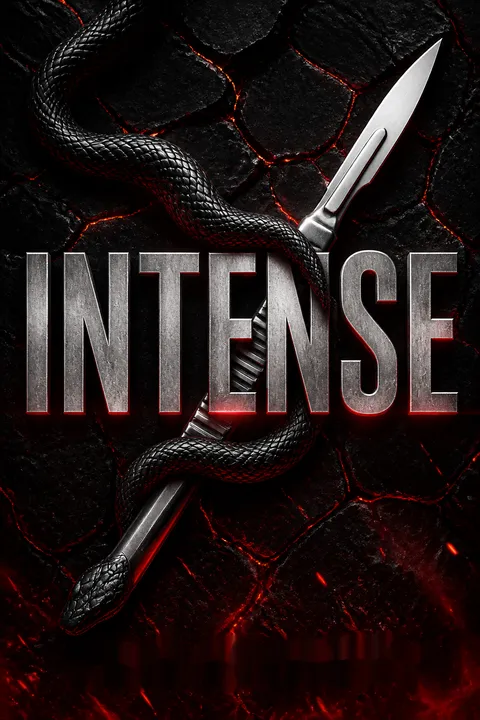
Intense by Luna Mason is a dark, unflinching exploration of trauma, power, and the possibility of redemption through love. At its core, the novel asks whether two people, broken by violence and betrayal, can find wholeness not by erasing their darkness, but by accepting and integrating it. The story subverts the conventions of both romance and crime fiction, refusing easy answers or neat resolutions. Instead, it offers a vision of love that is fierce, flawed, and deeply human—a love that does not heal all wounds, but makes survival possible. The Decadence Trials, with their blend of physical danger and psychological confession, serve as both plot engine and metaphor for the work of healing: painful, necessary, and never complete. The novel's treatment of family, loyalty, and justice is similarly complex, showing that true belonging is not about innocence, but about the willingness to fight for each other, again and again. In the end, Intense is a story about monsters who choose to love—and in that choice, find a kind of redemption that is as hard-won as it is real.
Characters
Finn Quinn
Finn is a man forged in trauma. Abused as a child, he learned early that the world is cruel and that survival requires both strength and numbness. As a surgeon, he is brilliant and ruthless, demanding perfection from himself and others. As a mafia enforcer, he is methodical and merciless, using his medical knowledge to kill those who exploit the vulnerable. His relationships are marked by distance and control—until Stephanie. With her, he is both dominant and vulnerable, finding in her a mirror for his own pain. Finn's journey is one of learning to trust, to feel, and to accept that love does not make him weak. His development is a slow thaw, each act of violence and tenderness another step toward wholeness. His loyalty to family is absolute, and his willingness to bleed for those he loves is both his greatest strength and his deepest wound.
Stephanie Miller (Quinn)
Stephanie is a woman defined by resilience. Abandoned by her parents, abused and exploited as a teenager, she has built her life on the ruins of her past. As a surgeon, she is passionate and relentless, driven by a need to prove herself and to save others. As Angel, she is a vigilante, hunting the men who once preyed on her and others like her. Her relationship with Finn is both a battle and a balm—he is the only one who sees her, the only one who can match her darkness. Stephanie's journey is one of reclaiming power, learning to trust, and accepting that she is worthy of love. Her development is marked by moments of vulnerability and ferocity, each kill and each act of mercy another step toward self-acceptance. She is both monster and healer, judge and survivor, and in Finn, she finds the partner she never dared hope for.
Declan Quinn
Declan is the head of the Quinn family, a man who balances violence with responsibility. He is the glue that holds the family together, the one who makes the hard decisions and bears the weight of their legacy. His relationship with Finn is complex—protective, sometimes critical, always loving. Declan's own journey is one of learning to trust, to let go, and to accept that leadership does not mean isolation. He is both a warrior and a father, a man who understands that family is both a blessing and a burden.
Conan Quinn
Conan is the heart of the family, a man whose strength is matched only by his vulnerability. Scarred by violence, he is both protector and avenger, willing to do whatever it takes to keep his loved ones safe. His relationship with Finn is marked by both rivalry and deep affection—each pushes the other to be better, even as they struggle with their own demons. Conan's journey is one of healing, learning to forgive, and finding peace in a world that rarely offers it.
Reggie and Rowan
Reggie and Rowan are the muscle of the Quinn family, identical in appearance but distinct in temperament. Reggie is the more serious, disciplined twin, while Rowan is wild and unpredictable. Both are fiercely loyal, willing to bleed and kill for their family. Their relationship with Finn is one of camaraderie and respect, each understanding the darkness that drives the other. The twins' journey is one of finding purpose beyond violence, learning to build rather than just destroy.
Drago
Drago is the family's tech genius, a man with a mysterious past and a talent for finding the truth. He is both ally and enigma, trusted but never fully known. His relationship with the Quinns is one of mutual benefit and growing loyalty. Drago's journey is one of integration—learning to trust, to belong, and to use his skills for something greater than himself.
Enzo
Enzo is the power behind the scenes, a man who understands that survival requires both ruthlessness and adaptability. His relationship with the Quinns is pragmatic, sometimes adversarial, always strategic. Enzo's journey is one of learning to value loyalty over power, to see the strength in vulnerability, and to accept that alliances are built on more than just fear.
Zara and Frankie Falcone
Zara and Frankie are both reflections and foils for Finn and Stephanie. As leaders of their own criminal empire, they understand the cost of power and the necessity of violence. Their relationship with the Quinns is one of respect and shared purpose. Zara, in particular, becomes a mentor and friend to Stephanie, showing her that women can be both powerful and compassionate in a world built for men.
Nyx
Nyx, Finn's pet snake, is more than an animal—she is a symbol of survival, danger, and the possibility of healing. Rescued from abuse, she becomes both weapon and comfort, a living reminder of the darkness that can be tamed but never erased. Nyx's presence in the story is a constant test of trust, both for Finn and for those who would come close to him.
James Bowen
James is the ultimate antagonist, a man who fakes his own death and manipulates events from the shadows. His betrayal is both personal and political, forcing Finn and Stephanie to confront the cost of vengeance and the danger of unchecked power. James's role is to force the family—and especially Finn—to reckon with the past, to choose between survival and justice, and to accept that some wounds never heal.
Plot Devices
Dual Narrative Structure
The story is told in alternating chapters from Finn and Stephanie's points of view, allowing readers to experience both the external action and the internal turmoil of each character. This structure creates dramatic irony, as the audience often knows more than the characters themselves, heightening tension and empathy. The dual narrative also allows for deep psychological exploration, showing how trauma shapes perception, desire, and decision-making.
The Decadence Trials
The Decadence Trials are both literal and metaphorical—a series of games designed to test loyalty, reveal secrets, and force confessions. They serve as a crucible for the characters, stripping away pretense and forcing them to confront their darkest selves. The trials are also a commentary on power, agency, and the possibility of redemption. By reimagining the trials as a tool for justice rather than punishment, Finn and Stephanie turn their pain into purpose.
Foreshadowing and Symbolism
Snakes—both literal (Nyx) and symbolic (Stephanie's tattoo)—represent danger, survival, and transformation. Scars, both physical and emotional, are reminders of the past and markers of resilience. Blood is both a weapon and a bond, used in rituals of marriage, vengeance, and forgiveness. These motifs are woven throughout the narrative, foreshadowing key events and deepening the story's psychological resonance.
Marriage as Power and Sanctuary
Marriage in the story is not just a romantic union, but a political and psychological contract. Vows are written in blood, rings are both symbols of devotion and weapons of control. The accidental wedding in Vegas becomes a crucible for trust, betrayal, and ultimately, redemption. The second, intentional wedding is a ritual of acceptance—not of perfection, but of survival and choice.
Family and Found Family
The Quinn family is both a source of strength and a site of conflict. Loyalty is tested, alliances are forged and broken, and the line between blood and chosen family is constantly negotiated. Stephanie's journey from outsider to insider mirrors Finn's journey from numbness to feeling. Together, they create a new kind of family—one built not on innocence, but on acceptance and shared purpose.
Psychological Realism
The story does not shy away from the realities of trauma, abuse, and the long road to healing. Both Finn and Stephanie are deeply damaged, and their love is not a cure, but a context for growth. Forgiveness is not easy or automatic; it is earned through confession, vulnerability, and the willingness to keep choosing each other. The narrative structure, with its confessions, trials, and confrontations, mirrors the therapeutic process—painful, nonlinear, and ultimately transformative.
Download PDF
Download EPUB
.epub digital book format is ideal for reading ebooks on phones, tablets, and e-readers.








































