
Plot Summary
Blood and Betrayal
Allesandro, known as Il Padrone, rules his criminal empire with ruthless efficiency. In a chilling display of dominance, he tortures a traitorous doctor, establishing his authority and the consequences of betrayal. His second-in-command, Luca, is both confidant and enforcer, bound by blood and loyalty. The organization is a web of fear, violence, and strict hierarchy, where even family ties are expendable. Allesandro's world is one where trust is rare, and power is maintained through calculated cruelty. The opening sets the tone: this is a world where mercy is weakness, and every relationship is transactional. The emotional landscape is one of tension, anticipation, and the ever-present threat of violence, foreshadowing the personal and psychological battles to come.
The Master's Throne
In his opulent office, Allesandro contemplates loyalty and the burdens of leadership. Luca, his lifelong friend and right hand, is the only one who can approach him without fear. The arrival of Cliff, a subordinate who has failed, reveals the cold calculus of the organization: mistakes are punished, and even family is expendable. Cliff, desperate to redeem himself, offers his own brother, Emilio, as a potential "boy" for Allesandro. The master's interest is piqued—not just by the prospect of a new toy, but by the opportunity to assert control over another life. The emotional undercurrent is one of isolation, as Allesandro's power distances him from genuine connection, leaving only manipulation and dominance.
A Brother's Bargain
Emilio, a brilliant but socially awkward college student, is summoned by his estranged brother, Cliff. Unaware of the danger, Emilio is eager for a rare moment of familial connection. Cliff's motives are hidden, and Emilio's trust is a vulnerability. The loss of their mother has left Emilio adrift, seeking meaning in academics and routine. Cliff's sudden interest and insistence on Emilio's appearance signal a shift, but Emilio, ever hopeful, suppresses his doubts. The emotional arc is one of naive optimism, tinged with the ache of familial loss and the longing for acceptance—a stark contrast to the darkness awaiting him.
The Chosen Toy
Allesandro meticulously prepares for Emilio's arrival, transforming a guest room into a cell. The process is clinical, devoid of empathy, and designed to break and mold. Luca's research reveals Emilio's intelligence, innocence, and lack of sexual experience—qualities that intrigue Allesandro and promise a unique challenge. The master's anticipation is laced with predatory excitement, while Luca's discomfort hints at the moral boundaries being crossed. The emotional tension is palpable: Emilio is not just another acquisition, but a project, a puzzle to be solved and dominated.
Arrival at the Mansion
Cliff delivers Emilio to Allesandro's mansion, a fortress of power and intimidation. The opulence and security are overwhelming, but the true horror comes when Cliff coldly hands Emilio over, revealing the depth of his betrayal. Emilio's confusion and fear are met with indifference; he is no longer a person, but property. Allesandro's touch is both possessive and chilling, marking the beginning of Emilio's captivity. The emotional devastation is profound—trust is obliterated, and Emilio is left alone, stripped of agency and hope.
Collared and Claimed
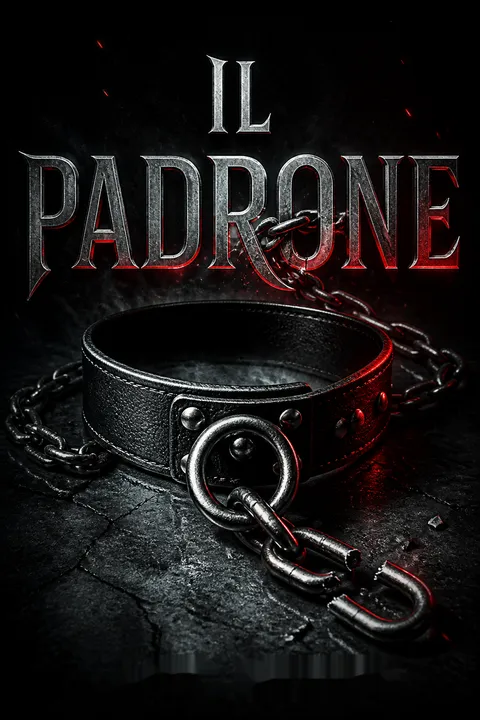
Allesandro wastes no time asserting his dominance, forcing Emilio to wear a collar and outlining the rules of his new existence. The collar is both a symbol and a tool of control, equipped with a shock mechanism to enforce obedience. Emilio's initial compliance is driven by shock and fear, but his spirit is not yet broken. The master's psychological manipulation is relentless, offering small rewards for submission and swift punishment for defiance. The emotional landscape is one of humiliation, confusion, and the first stirrings of resistance.
Night of Tears
Alone in his cell, Emilio is overwhelmed by grief, fear, and betrayal. The loss of his brother's love and the reality of his captivity drive him to tears. The absence of comfort, privacy, and hope is suffocating. Emilio's mind races with questions and desperate rationalizations, clinging to the possibility that Cliff was coerced. The emotional arc is one of raw vulnerability, as Emilio's innocence is confronted by the brutality of his new reality. The night is a crucible, forging the first cracks in his resolve.
Games of Obedience
Allesandro watches Emilio's suffering with arousal, reinforcing the sadistic dynamic at play. The introduction of Luca as a "friendly" face is another layer of manipulation, blurring the lines between ally and enemy. Emilio, desperate for guidance, seeks Luca's advice, only to be further ensnared in the master's game. The humiliation of being fed baby food and denied dignity is both a punishment and a test. The emotional tension is heightened by the interplay of hope and despair, as Emilio searches for a way to survive.
Breaking Points
Emilio's attempts at compliance are met with escalating demands. Allesandro's lessons are brutal: obedience must be absolute, and honesty is enforced through violence. The first sexual encounter is a violation, blending pain, humiliation, and forced pleasure. Emilio's innocence is weaponized against him, and his body becomes a battleground for control. The emotional aftermath is one of shame, anger, and a growing determination to resist, even as the cost becomes clear.
The First Lesson
Allesandro orchestrates Emilio's isolation, deprivation, and humiliation, using both physical and psychological tactics to break his will. The introduction of viral blackmail—spreading a sex video to destroy Emilio's reputation—demonstrates the master's total control over every aspect of his toy's life. Luca's conflicted role as both enforcer and potential ally adds complexity to the dynamic. The emotional arc is one of despair, as Emilio's past is systematically erased, leaving him with nothing but the master's approval to strive for.
Hunger and Hope
Amidst the cruelty, moments of kindness—real or feigned—offer brief respite. Luca's conflicted behavior and the return of small comforts, like books and a desk, hint at the possibility of connection. Emilio's intelligence and adaptability become tools for survival, as he learns to navigate the shifting rules of his captivity. The emotional landscape is one of cautious hope, tempered by the ever-present threat of punishment and the knowledge that every kindness can be revoked.
Lines Crossed
The relationship between Allesandro, Luca, and Emilio grows more complex, as power dynamics shift and emotional entanglements deepen. Allesandro's possessiveness is matched by moments of unexpected tenderness, while Luca's jealousy and desire complicate his loyalty. The introduction of other "boys" and the broader criminal family reveals the scale of Allesandro's control and the depth of his need for dominance. The emotional tension is heightened by the interplay of desire, fear, and the longing for agency.
The Playroom's Shadow
Allesandro introduces Emilio to the playroom, a space designed for both pleasure and pain. The rituals of BDSM are stripped of consent, becoming tools of torture and control. Emilio's body is marked, used, and pushed to the limits of endurance. The interplay of pain and pleasure becomes a means of breaking down resistance and forging a new identity. The emotional arc is one of dissociation, as Emilio learns to survive by surrendering to the master's will, even as a core of defiance remains.
Pain and Pleasure
The playroom sessions intensify, with Allesandro and Luca both participating in Emilio's degradation and training. The use of humiliation, forced orgasms, and public displays of submission serve to reinforce the master's absolute authority. Emilio's responses become increasingly complex, as he experiences both trauma and unexpected pleasure. The emotional landscape is one of confusion, as survival instincts war with the need for connection and the desire to reclaim agency.
The Black Room
Emilio is subjected to the black room, a place of darkness, cold, and sensory deprivation. The experience is designed to break his spirit, stripping away all sense of time, self, and hope. Physical discomfort is compounded by psychological torment, as Emilio is reduced to a state of helplessness and dependence. The emotional arc is one of annihilation, as the boundaries of identity dissolve and the only anchor becomes the master's approval.
The Doctor's Dilemma
Dr. Conti, coerced into Allesandro's service, becomes both caretaker and witness to the brutality inflicted on Emilio. His attempts to provide medical care and comfort are met with suspicion and resistance, as he navigates the moral quagmire of survival under threat. The doctor's presence highlights the broader web of coercion and complicity that sustains the master's power. The emotional tension is one of guilt, helplessness, and the struggle to maintain humanity in an inhuman system.
Viral Ruin
Allesandro and Luca orchestrate the release of a sex video, ensuring Emilio's social and academic ruin. The viral spread of the footage severs Emilio's ties to his former life, leaving him with no hope of rescue or redemption. The emotional devastation is compounded by the realization that even his brother, Radcliff, has abandoned him. The master's control is now total, and Emilio's only path forward is submission or annihilation.
The Family Secret
A confrontation with the rival O'Connel family reveals a shocking truth: Emilio is the illegitimate son of the former Irish boss, making him a pawn in a larger game of power and vengeance. Radcliff's confession of murder and betrayal shatters any remaining illusions of family or belonging. Emilio's identity is rewritten, and the stakes of his captivity are raised. The emotional arc is one of grief, rage, and the birth of a new purpose.
The Irish Connection
The revelation of Emilio's heritage triggers a crisis between Allesandro's organization and the O'Connel family. Emilio becomes both a prize and a threat, his existence a catalyst for conflict. Allesandro's possessiveness is matched by the Irish brothers' claim, and the threat of war hangs over all. The emotional landscape is one of uncertainty, as Emilio's fate becomes the fulcrum on which power balances.
Vengeance Awakened
Allesandro offers Emilio a choice: remain a victim, or embrace vengeance and power. The promise of retribution against those who wronged him—his brother, the Irish, and anyone who stands in his way—becomes the foundation of a new self. Emilio's surrender is no longer just survival, but a transformation. The emotional arc is one of rebirth, as pain and loss are transmuted into strength and purpose. The story closes with the promise of war, vengeance, and the forging of a new dynasty from the ashes of betrayal.
Analysis
Il Padrone is a harrowing exploration of power, trauma, and the search for identity within a world defined by violence and betrayal. At its core, the novel interrogates the nature of control—how it is wielded, internalized, and resisted. The relationship between Allesandro and Emilio is both a microcosm of systemic abuse and a study in psychological transformation. Through cycles of humiliation, pain, and fleeting tenderness, the story examines the ways in which suffering can both destroy and forge new selves. The collapse of family and the revelation of hidden heritage underscore the fragility of identity and the dangers of misplaced trust. Ultimately, the novel suggests that survival in such a world requires not just submission, but the reclamation of agency through vengeance and the forging of new bonds. The lessons are stark: power is seductive and corrosive, loyalty is both weapon and shield, and the path to freedom is often paved with the ashes of the past. Il Padrone is a dark, unflinching meditation on the costs of dominance and the resilience of the human spirit.
Review Summary
Il Padrone is a dark M/M mafia romance featuring Alessandro, a ruthless mafia boss, and Emilio, who is sold to him by his brother. Reviews are polarized: some praise the dark, well-paced storytelling and unique loyalty-building concept, while others criticize lack of character depth, emotional connection, and excessive cruelty without tenderness. Common complaints include weak character development, telling rather than showing, and an unbelievable ending. Many note extreme content warnings are necessary. The book ends on a cliffhanger as the first in the Vendetta series. Ratings range widely from disappointing to captivating.
Characters
Allesandro (Il Padrone)
Allesandro is the undisputed master of his criminal empire, ruling through fear, violence, and psychological manipulation. His relationships are transactional, and even those closest to him—like Luca—are not immune to his wrath. Allesandro's need for control extends to every aspect of his life, from the organization's operations to the intimate details of his "boys." Beneath the surface, he is isolated by his own power, craving loyalty and submission as substitutes for genuine connection. His sadism is both a tool and a shield, masking vulnerabilities and the scars of his own upbringing. Allesandro's arc is one of dominance, but also of subtle longing for something more than obedience—a legacy, a family, and perhaps, a worthy equal.
Emilio (Lio)
Emilio is a gifted mathematics student, defined by his naivety, social awkwardness, and longing for acceptance. Betrayed by his brother and thrust into a world of violence and domination, Emilio's journey is one of survival and transformation. His intelligence becomes both a weapon and a liability, as he navigates the shifting rules of captivity. Despite repeated humiliation and trauma, Emilio's core of resilience endures, allowing him to adapt and ultimately embrace a new identity. The revelation of his true heritage and the destruction of his past force him to confront the meaning of family, loyalty, and power. Emilio's arc is one of loss, adaptation, and the forging of strength from suffering.
Luca
Luca is Allesandro's second-in-command, bound by history, loyalty, and a complex web of desire. He is both confidant and competitor, sharing in the master's pleasures and burdens. Luca's own desires—for Allesandro, for power, and for Emilio—create internal conflict and moments of rebellion. His role as both enforcer and potential ally to Emilio adds depth to the power dynamics at play. Luca's arc is one of devotion, jealousy, and the struggle to reconcile personal longing with the demands of loyalty and survival.
Radcliff (Cliff)
Cliff is the catalyst for Emilio's downfall, offering his own brother as a means of self-preservation. His actions are driven by envy, resentment, and a desperate need for approval. Cliff's betrayal is total, culminating in the revelation of his role in their mother's death and his willingness to destroy Emilio's life. He is a tragic figure, consumed by his own inadequacy and hatred, and ultimately discarded by all sides. Cliff's arc is one of self-destruction, embodying the corrosive effects of jealousy and betrayal.
Dr. Conti
Dr. Conti is forced into Allesandro's service under threat to his family, becoming both caretaker and observer of the master's cruelty. His attempts to provide comfort and medical care to Emilio are fraught with guilt and impotence. Dr. Conti's presence highlights the broader web of coercion and complicity that sustains the system of abuse. He is a reminder of the cost of survival and the difficulty of maintaining humanity in an inhuman world.
Ignacio
Ignacio is one of Allesandro's favored "boys," known for his volatility, violence, and unwavering devotion. His presence is both a shield and a threat, capable of both protecting and destroying. Ignacio's interactions with Emilio reveal a capacity for empathy beneath the chaos, suggesting the possibility of solidarity among the master's victims. His arc is one of loyalty, danger, and the unpredictable nature of power.
Antonio
Antonio is a master of disguise and infiltration, serving as Allesandro's eyes and ears. His devotion is absolute, and his ability to blend into any situation makes him invaluable. Antonio's quiet presence and adaptability contrast with the more overt violence of others, highlighting the many forms that loyalty and survival can take within the organization.
Marcus
Marcus is Allesandro's chief of soldiers, responsible for security and the execution of the master's will. His physical presence and tactical acumen make him a formidable ally and a terrifying adversary. Marcus's loyalty is unquestioned, and his role is to ensure that the master's commands are carried out without hesitation or mercy.
Brendan and Eamon O'Connel
Brendan and Eamon are the heads of the Irish criminal family, representing both a threat and a mirror to Allesandro's rule. Their discovery of Emilio's true heritage triggers a crisis, as family loyalty and power collide. The brothers' reactions to Emilio reveal the complexities of identity, belonging, and the costs of leadership in a world defined by violence and betrayal.
Lanza (Lolo)
Lanza is a minor character whose fate serves as a warning to others. Her betrayal and subsequent torture at the hands of Allesandro and Luca underscore the consequences of disloyalty and the master's willingness to use extreme violence to maintain control. Lanza's arc is brief but impactful, illustrating the expendability of individuals in the pursuit of power.
Plot Devices
Power, Control, and Psychological Domination
The narrative is structured around the exercise of absolute power—physical, psychological, and sexual. Allesandro's methods of control range from overt violence to subtle manipulation, using rewards, punishments, and the destruction of identity to break and remake his victims. The use of collars, surveillance, and public humiliation reinforces the sense of inescapable domination. The playroom and the black room serve as physical manifestations of psychological warfare, designed to strip away resistance and enforce submission. The viral video and the erasure of Emilio's past are tools of total control, ensuring that escape is impossible and that the only path forward is through the master's approval.
Betrayal and the Collapse of Family
The story is driven by acts of betrayal—Cliff's sale of Emilio, Radcliff's confession of murder, and the revelation of Emilio's true parentage. These betrayals are not just personal, but structural, reflecting the ways in which power corrupts and destroys the bonds of kinship. The collapse of family is both a source of trauma and a catalyst for transformation, as Emilio is forced to redefine his identity and allegiance.
Transformation Through Suffering
The narrative arc is one of breaking and remaking, as Emilio is subjected to escalating ordeals designed to strip away his former self. The interplay of pain and pleasure, humiliation and reward, is used to forge a new identity—one that is both a product of trauma and a source of strength. The story explores the paradox of survival: the ways in which suffering can be both annihilating and generative, creating the conditions for vengeance, power, and self-realization.
Foreshadowing and Narrative Structure
The story is structured around cycles of punishment and reward, submission and rebellion, each escalating the stakes and deepening the psychological complexity. Foreshadowing is used to hint at future betrayals, revelations, and the inevitability of violence. The shifting perspectives—between Allesandro, Emilio, and other key players—allow for a nuanced exploration of motive, desire, and the costs of power.
Download PDF
Download EPUB
.epub digital book format is ideal for reading ebooks on phones, tablets, and e-readers.








































