
Plot Summary
Ghosts in Hollow Oaks
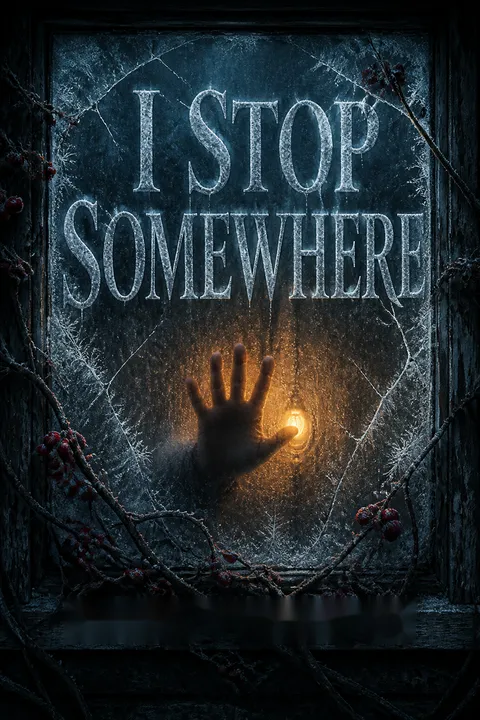
Ellie Frias narrates from a liminal space, trapped in a decaying, abandoned house in Hollow Oaks, New York—a town riddled with "zombie" homes and economic despair. She is both literally and figuratively a ghost, unseen and forgotten, her presence lingering in a place where girls can disappear without a trace. The town's emptiness mirrors Ellie's own sense of invisibility and loss, setting the stage for a haunting exploration of memory, trauma, and the desperate need to be seen and remembered. The narrative's tone is mournful and reflective, immediately immersing the reader in Ellie's isolation and the chilling reality that in Hollow Oaks, it's all too easy for a girl to vanish.
Becoming Invisible, Becoming Ellie
Ellie recounts her early years, marked by bullying, poverty, and the absence of her mother. She grows up longing to be pretty, believing that beauty is power and acceptance. Her father, loving but weary, tries to bridge the gap with small gestures, but Ellie feels like a "markdown girl"—never quite enough. The chapter explores the pain of growing up too fast, the cruelty of peers, and the internalization of shame. Ellie's memories are vivid, filled with longing for simpler times and the ache of being defined by others' words. Her relationship with her father is tender yet strained, both of them shaped by loss and the slow erosion of hope.
The Price of Pretty
Ellie's desire to fit in leads her to Kate, an older neighbor who helps her reinvent herself for high school. With new clothes and dyed hair, Ellie learns to blend in, escaping the worst of her classmates' cruelty. Yet, the cost of "pretty" is high—she must erase parts of herself to be accepted. The chapter delves into the performative nature of girlhood, the pressure to conform, and the fleeting comfort of invisibility. Ellie's friendship with Kate is both a lifeline and a reminder of her loneliness, as both girls struggle with their own forms of isolation and longing for connection.
Reinvention and Friendship
Kate becomes Ellie's guide to surviving high school, teaching her the art of reinvention. Their bond is built on mutual need—Ellie wants to belong, and Kate seeks a partner in her own transformation. The chapter highlights the importance of female friendship, even when it's imperfect or transactional. Kate's indifference to others' opinions inspires Ellie, but their relationship is tinged with sadness and missed opportunities for deeper understanding. Reinvention offers Ellie a temporary shield, but it cannot protect her from the dangers lurking in Hollow Oaks.
The Room with Brown Walls
Ellie describes the room where she is trapped—a bland, beige space that becomes a site of repeated trauma for her and other girls. She witnesses, powerless, as Caleb and Noah Breward bring girl after girl to the room, each one suffering in turn. The details are harrowing: the gum on a girl's shoe, a forgotten tube of lip balm, the stains on the carpet. These small, ordinary objects become symbols of innocence lost and the lasting impact of violence. Ellie's narration is detached, a survival mechanism in the face of relentless horror.
Fathers, Daughters, and Decay
Ellie's relationship with her father is explored in greater depth. He is a loving but exhausted man, working dead-end jobs after the factories closed, unable to provide the life he once dreamed of. Their bond is marked by small rituals—fishing trips, movie nights, shared secrets—but also by the unspoken weight of disappointment and economic hardship. The decay of Hollow Oaks mirrors the decay within their home and family, as hope is slowly replaced by resignation. Ellie's father tries to shield her from the world's cruelty, but he cannot protect her from everything.
Caleb's Smile, Ellie's Fall
Caleb Breward enters Ellie's life, charming and confident, offering her the attention she has always craved. Their relationship is intoxicating but fraught with red flags—Caleb's manipulative smile, his sense of entitlement, his family's power in the town. Ellie is drawn to him despite her misgivings, desperate to be wanted. Their time together is a blur of parties, stolen moments, and escalating intimacy. Ellie's longing for love and validation blinds her to the warning signs, setting her on a path toward tragedy.
The Cycle of Hurt
The narrative cycles through the experiences of other girls brought to the room, each one enduring her own version of pain and violation. Ellie observes, numb and helpless, as the Breward brothers continue their predatory behavior. The chapter emphasizes the systemic nature of the violence—how it is enabled by silence, complicity, and the town's willingness to look away. Ellie's memories of happier times become a refuge, but they cannot erase the reality of what has been done to her and others.
Fading into the Background
After her encounter with Caleb, Ellie is discarded and ignored, left to fade into the background at school and in life. She tries to convince herself that blending in is enough, but the ache of invisibility grows. Her attempts to reconnect with Caleb are met with indifference, deepening her sense of worthlessness. The chapter explores the pain of being forgotten, the desperate need to matter, and the ways in which girls are taught to accept their own erasure. Ellie's isolation becomes both a shield and a prison.
The Lightbulb Flickers
The motif of dying light recurs as Ellie fixates on a flickering bulb in the room, a symbol of her dwindling hope. She recalls moments from her childhood—her father's attempts to make life brighter, the comfort of routine, the longing for warmth and safety. The mundane details of the room—the carpet, the stains, the forgotten objects—become charged with meaning. Ellie clings to these fragments of normalcy, even as the darkness threatens to consume her.
Borrowed Clothes, Borrowed Confidence
Ellie prepares for a party with Caleb, borrowing clothes from Kate and seeking her friend's advice on how to be "enough." The chapter explores the performative aspects of femininity, the pressure to mold oneself to others' expectations, and the vulnerability that comes with wanting to be chosen. Kate warns Ellie about the Brewards, but Ellie is too caught up in her own longing to listen. The party becomes a turning point, as Ellie's desire for acceptance leads her further into danger.
Parties and Pretending
At Gina Lynn's party, Ellie is both included and excluded—invited by Caleb but ignored by most. The party is a microcosm of the town's social hierarchy, with Caleb and Gina Lynn at the center and Ellie on the periphery. The night is filled with awkwardness, disappointment, and the realization that being wanted is not the same as being loved. Ellie's first kiss with Caleb is underwhelming, but she clings to it as proof that she matters. The chapter captures the bittersweet ache of adolescence and the high cost of pretending.
Trophies and Trash Bags
After each assault, the Breward brothers collect small items from their victims—hair ties, bracelets, lip balm—as trophies. When the risk of exposure grows, they dispose of these objects, erasing the last traces of the girls they hurt. The act is both literal and symbolic, representing the systematic erasure of girls' stories and identities. Ellie watches, heartbroken, as her own existence is reduced to trash. The chapter underscores the dehumanizing effects of violence and the complicity of those who enable it.
Love, Loneliness, and Loss
Ellie's relationship with Caleb unravels, leaving her more isolated than ever. She grapples with the pain of rejection, the shame of having wanted someone who hurt her, and the longing for a love that was never real. Her friendship with Kate fades as both girls retreat into their own struggles. Ellie's father tries to reach her, but the distance between them grows. The chapter is suffused with grief, regret, and the realization that love can be both a source of strength and a weapon.
Loser Baiting and Betrayal
Caleb and his friends engage in "loser baiting," filming and mocking vulnerable people for fun. Ellie witnesses their cruelty, including a humiliating prank on her own father, and is complicit in her silence. The chapter examines the normalization of cruelty, the ways in which power is wielded to hurt others, and the guilt that comes from failing to speak up. Ellie's shame deepens, and her sense of self-worth erodes further.
Hashtags and Hope
After Gretchen, another victim, comes forward, flyers and hashtags (#WheresEllieFrias) appear around town, reigniting interest in Ellie's disappearance. The Brewards panic, but Ellie feels a flicker of hope—maybe someone will finally see her. The chapter explores the power of collective action, the importance of being remembered, and the resilience of girls who refuse to be silenced. Ellie's anger grows, not just at her own fate, but at the system that allows such violence to continue.
The Truth About Caleb
As the investigation intensifies, the truth about Caleb's predatory behavior comes to light. Ellie learns that she was not the only victim, and that Caleb's charm was a mask for something much darker. The chapter delves into the complexities of love and betrayal, the difficulty of reconciling conflicting truths, and the pain of realizing that someone you loved was never who you thought they were. Ellie's grief is compounded by the knowledge that her story is not unique.
The Breward Legacy
The Breward family's influence in Hollow Oaks is exposed, revealing a legacy of entitlement, cover-ups, and abuse. Their father, Wayne, orchestrates legal defenses and manipulates public opinion, while their lawyer coaches them on how to evade responsibility. The chapter highlights the intersection of wealth, status, and impunity, and the ways in which powerful families protect their own at the expense of the vulnerable. Ellie's story becomes a battleground for larger societal issues.
Ghosts, God, and Goodbyes
Ellie reflects on questions of faith, the afterlife, and the meaning of existence. She visits her father, witnessing his grief and longing for closure. The chapter is meditative, exploring the limits of belief, the pain of unfinished business, and the enduring power of love. Ellie's presence is both a comfort and a torment to her father, who struggles to move forward without her. The chapter ends with a sense of unresolved longing and the hope that being remembered is a form of survival.
The Search for Ellie
The police, spurred by new evidence and testimonies, finally locate the house where Ellie's body is buried. The process is painstaking and fraught with bureaucratic obstacles, but the truth cannot be hidden forever. Ellie's remains are found, and the town is forced to confront the reality of what happened. The chapter is both a moment of closure and a reminder of all that was lost. Ellie's father is devastated, but grateful to finally know the truth.
The Girls Who Survive
In the aftermath, a support group forms for the girls who survived the Brewards' violence. Officer Thompson becomes a lifeline, creating a space for healing and solidarity. The girls share their stories, confront their pain, and begin the slow process of reclaiming their lives. Ellie, still a ghost, finds solace in their resilience and the knowledge that her story helped bring them together. The chapter is a testament to the power of community and the importance of being heard.
The Trial and Its Aftermath
The trial of Caleb and Noah Breward becomes a national spectacle, exposing the failures of the justice system and the challenges of prosecuting sexual violence. The brothers are found guilty of murder but acquitted of rape, a verdict that brings both relief and frustration. Ellie's father struggles to find meaning in the outcome, while the town attempts to move on. The girls continue to meet, supporting one another in their ongoing journey toward healing. Ellie's presence lingers, a reminder that every girl deserves to be seen, believed, and remembered.
Analysis
A searing indictment of erasure, complicity, and the cost of silenceI Stop Somewhere is a haunting, unflinching exploration of what it means to be a girl in a world that too often refuses to see, believe, or protect girls. Through Ellie's ghostly narration, the novel exposes the insidious ways in which violence is normalized, victims are blamed, and power shields the privileged from accountability. The story is as much about the failures of individuals and institutions as it is about the resilience of those who survive. Carter's use of ordinary objects and mundane details grounds the horror in reality, making the pain both intimate and universal. The survivors' group, led by Officer Thompson, offers a glimmer of hope—a space where girls can reclaim their voices and begin to heal. Yet, the novel refuses easy answers: justice is partial, healing is ongoing, and the scars of erasure linger. Ultimately, I Stop Somewhere is a call to witness, to remember, and to refuse the comfort of forgetting. It insists that every girl's story matters, and that being seen—truly seen—is both a right and a form of survival.
Review Summary
I Stop Somewhere by T.E. Carter receives widespread acclaim (3.91/5) for its raw, powerful portrayal of rape culture and sexual violence. Reviewers praise the beautiful, lyrical writing and devastating emotional impact, comparing it to The Lovely Bones. The narrative follows Ellie Frias, a teenage girl trapped between life and death after being assaulted and murdered, forced to witness more attacks. While readers find it deeply disturbing and difficult, many call it necessary and important. Common warnings highlight graphic sexual assault content. Some criticize slow pacing and "torture porn" elements, but most praise its unflinching examination of victim-blaming and societal complicity.
People Also Read

Characters
Ellie Frias
Ellie is the heart of the novel—a sensitive, introspective teenager whose longing for acceptance and love makes her vulnerable to exploitation. Raised by a loving but exhausted father after her mother's abandonment, Ellie internalizes the belief that being pretty and wanted is the key to happiness. Her journey is marked by bullying, poverty, and the slow erosion of self-worth. After her murder, Ellie narrates as a ghost, bearing witness to the ongoing violence against other girls and the failures of those meant to protect them. Her psychological arc is one of longing, regret, and ultimately, a bittersweet acceptance of her own worth. Ellie's relationships—with her father, Kate, Caleb, and the other girls—are complex, shaped by both tenderness and the ache of missed connections. In death, she becomes a symbol of all the girls who are overlooked, erased, and yet, in the end, unforgettable.
Caleb Breward
Caleb is the younger son of the powerful Breward family, whose wealth and status shield him from consequences. Outwardly confident and charismatic, Caleb is adept at manipulating those around him, especially vulnerable girls like Ellie. His relationship with Ellie is marked by performative affection, entitlement, and escalating violence. Caleb's psychological profile is chilling—he is both a product of his environment and an active agent of harm, using his charm as a weapon. His inability to see Ellie as fully human is central to the novel's critique of toxic masculinity and systemic abuse. Caleb's arc is one of exposure and downfall, but his lack of remorse underscores the novel's indictment of a culture that enables predators.
Noah Breward
Noah, Caleb's older brother, is more overtly violent and controlling. He participates in the assaults, often escalating the brutality and ensuring the girls' silence. Noah's sense of entitlement is even more pronounced than Caleb's, and he is less concerned with appearances. His relationship with Caleb is one of complicity and mutual reinforcement, each enabling the other's worst impulses. Noah's psychological makeup is shaped by a lifetime of privilege and impunity, and his actions are both calculated and callous. He serves as a foil to Caleb, highlighting the spectrum of predatory behavior and the dangers of unchecked power.
Alex Frias (Ellie's Father)
Alex is a single father struggling to provide for Ellie after his wife's departure. He is devoted, gentle, and deeply affected by the economic decline of Hollow Oaks. His relationship with Ellie is marked by love, guilt, and the pain of not being able to protect her. After Ellie's disappearance, Alex is consumed by grief and the need for answers. His psychological journey is one of mourning, self-recrimination, and the slow, painful process of letting go. Alex's arc is a testament to the enduring power of parental love and the devastation wrought by loss.
Kate
Kate is Ellie's older neighbor, a rebellious and independent young woman who helps Ellie navigate the treacherous waters of high school. She is wise beyond her years, having endured her own struggles with illness and alienation. Kate's relationship with Ellie is both nurturing and distant—she offers guidance but keeps her own pain hidden. Their friendship is a lifeline for Ellie, but also a missed opportunity for deeper connection. Kate's arc is one of survival and reinvention, as she eventually leaves Hollow Oaks in search of a better life.
Gina Lynn
Gina Lynn is the queen bee of Hollow Oaks High, beautiful, popular, and initially dismissive of Ellie. Her relationship with Caleb is complicated—she is both his girlfriend and an unwitting participant in the culture of silence that enables his violence. Gina Lynn's arc is one of awakening and guilt; she ultimately comes forward with crucial information, but not before grappling with her own complicity and the fear of losing her status. Her psychological journey reflects the pressures placed on girls to conform, compete, and protect themselves at any cost.
Officer Shannon Thompson
Officer Thompson is one of the few adults in the novel who genuinely cares about the girls' well-being. She is empathetic, persistent, and deeply affected by the failures of the justice system. Thompson becomes a mentor and protector for the survivors, organizing support groups and pushing for accountability. Her psychological arc is one of frustration, exhaustion, and hope—she is constantly fighting against institutional inertia but refuses to give up. Thompson's role is crucial in creating a space for healing and solidarity among the girls.
Gretchen
Gretchen is one of the girls assaulted by the Brewards who finds the courage to come forward. She is angry, articulate, and unafraid to challenge authority. Gretchen's activism sparks the movement to find Ellie and hold the Brewards accountable. Her psychological journey is marked by trauma, resilience, and the struggle to be believed. Gretchen's relationship with the other survivors is complex—she is both a leader and a source of tension, pushing others to confront uncomfortable truths.
Kailey Howe
Kailey is another victim of the Brewards, whose memory of her assault is fragmented and whose credibility is constantly questioned. She is gentle, sweet, and deeply affected by the trauma she endured. Kailey's arc is one of seeking validation and support, finding strength in the solidarity of the survivors' group. Her story highlights the challenges faced by victims in being believed and the importance of community in the healing process.
Cassie Haddom
Cassie is a journalist who refuses to let Ellie's story fade into obscurity. She is dogged, principled, and empathetic, often clashing with the town's power structures. Cassie's reporting brings national attention to the case, forcing Hollow Oaks to confront its secrets. Her psychological arc is one of professional and personal investment, as she becomes emotionally entangled in the pursuit of justice for Ellie and the other girls.
Wayne Breward
Wayne is the father of Caleb and Noah, a powerful real estate developer and local politician. He orchestrates cover-ups, manipulates public opinion, and ensures his sons evade consequences for as long as possible. Wayne's psychological makeup is defined by entitlement, ruthlessness, and a belief in his own invincibility. His downfall is a key turning point in the novel, exposing the rot at the heart of Hollow Oaks.
Plot Devices
Nonlinear, Ghostly Narration
The novel's most distinctive device is its use of a first-person, posthumous narrator. Ellie tells her story from the afterlife, blending memories, observations, and present-tense experiences as a ghost. This structure allows for a nonlinear unfolding of events, with past and present interwoven to create a haunting, immersive atmosphere. The ghostly perspective heightens the sense of loss and longing, while also enabling Ellie to bear witness to the ongoing impact of her death.
Symbolism of Objects and Spaces
Everyday objects—gum, lip balm, jeans, cupcakes—become powerful symbols of innocence, trauma, and memory. The abandoned houses, especially the room with brown walls, serve as both literal and metaphorical spaces of violence and erasure. These symbols ground the narrative in the tangible, making the abstract horrors of abuse and neglect painfully real.
Repetition and Cyclical Structure
The novel employs repetition—of events, phrases, and motifs—to underscore the systemic nature of the violence against girls. The cycle of girls brought to the room, the recurring failures of adults and institutions, and the repeated erasure of victims all reinforce the sense of inevitability and despair. This cyclical structure is ultimately disrupted by the survivors' solidarity and the pursuit of justice.
Multiple Perspectives and Testimonies
While Ellie is the primary narrator, the novel incorporates the voices and stories of other characters—survivors, parents, police, and reporters—through dialogue, testimony, and group scenes. This multiplicity of perspectives adds depth and nuance, highlighting the interconnectedness of individual and collective trauma.
Social Commentary and Meta-Narrative
The novel is self-aware, frequently commenting on the failures of the justice system, the role of social media, and the cultural scripts that shape gender, power, and victimhood. Ellie's narration is both personal and political, inviting readers to question their own assumptions and complicity.
Foreshadowing and Irony
The narrative is laced with foreshadowing—Ellie's longing to be remembered, her fixation on lightbulbs burning out, the town's history of loss. Irony abounds, as characters' attempts to protect or reinvent themselves often lead to unintended harm. The ultimate irony is that Ellie, who wanted so desperately to be seen, is only truly noticed after her death.
Download PDF
Download EPUB
.epub digital book format is ideal for reading ebooks on phones, tablets, and e-readers.








































