
Key Takeaways
1. Mastering the Romantasy Blend: Romance Meets Fantasy
Romantasy is a thriving genre with ravenous readers, so many writers are diving into the category with little understanding of what it promises.
Genre fundamentals. Romantasy is a subgenre of fantasy, merging romance and fantasy into one cohesive narrative. It requires a central love story between two or more characters set within a fantastical world or featuring magic/magical creatures. Crucially, the story must conclude with a happily-ever-after (HEA) or happy-for-now (HFN) for the main couple, a non-negotiable rule for the genre.
Subgenre distinctions. Romantasy further divides into 'fantasy romance' (60% romance, 40% fantasy) and 'romantic fantasy' (60% fantasy, 40% romance), though both adhere to the core principles. Unlike fantasy with a romantic subplot, in romantasy, the romance is the absolute core; removing it would collapse the entire plot. This genre also differs from traditional fantasy by being more character-driven and from traditional romance by featuring higher stakes and integral fantastical elements.
Key differentiators. Romantasy demands that the magical or fantastical elements are not just background dressing but are deeply interwoven with the love story itself. This means the fantasy world, its creatures, or its magic must actively enhance or hinder the characters' love, making the stakes higher than typical romance and the character focus more intense than typical fantasy. Understanding these nuances is vital to meeting reader expectations and crafting a successful romantasy novel.
2. The Core Conflict: Fantasy Threatens Love
The standard romantasy conflict can be boiled down to a single concept: a fantasy element—whether it’s a world, magic system, law, or something else entirely—is threatening to destroy the love of your main characters.
Conflict is king. Every compelling story, especially in romantasy, hinges on a central conflict. This conflict should be established early, even before detailed character or world-building, as it drives the entire narrative forward. While conflicts might seem familiar (e.g., warring kingdoms, forbidden magic), the unique details, characters, and authorial voice will make your story original.
The essential formula. For romantasy, the conflict must fuse both genres: a fantastical element directly jeopardizes the romantic relationship. This isn't merely a backdrop; the magic, world, or creatures must actively create obstacles for the lovers. Examples include:
- A deadly gladiatorial tournament forcing a hero to marry a queen he doesn't love.
- Strife between rival kingdoms compelling a princess to betray the king she's falling for.
- A lethal curse separating a couple.
High stakes guaranteed. This inherent conflict structure naturally elevates the stakes beyond mere heartbreak. Characters often face not only the potential loss of love but also death, war, societal collapse, or the fate of entire realms. Even in "cozy romantasy" with lower stakes, heartbreak remains central, often accompanied by minor external losses, ensuring the emotional investment of the reader.
3. Strategic Story Planning: From Idea to Outline
The whole point of this step is to wade through all the nonsense and pluck out the nuggets of goodness.
The idea phase. This initial stage involves three crucial steps: research and education, thought-dumping, and creating a premise. Researching your genre's rules, tropes, and audience expectations is paramount to avoid common pitfalls, like neglecting the HEA. Thought-dumping is a free-form brainstorming process where all ideas, good or bad, are recorded without judgment, allowing for the later extraction of valuable concepts.
Developing a premise. From the "nuggets of goodness" gathered during thought-dumping, a concise premise for your novel emerges. This premise outlines the core conflict your main character must resolve, serving as the foundational structure for your story. It's the simplest description of what your story is about, ensuring clarity before diving into complex details.
The outlining blueprint. An outline acts as your book's blueprint, detailing the sequential events of your plot. It helps maintain focus, prevent plot holes, and combat writer's block. While outlining methods vary, the goal is to create a guide that illustrates your story's structure and major plot points. Concurrently, developing character profiles and world-building notes alongside your outline ensures all elements align and support each other effectively.
4. Crafting Irresistible Characters: The Power Couple Formula
Chemistry is not something that magically happens. It comes from characters having specific complementary traits, interests, and desires.
Character foundations. Building compelling characters starts with a detailed character profile, covering physical attributes (sex, gender, age, race, appearance, unique traits), lifestyle (location, family, friends, sexual/romantic orientation, attraction, experience), and personality (introvert/extrovert, strengths, weaknesses, goals, dreams). These details are crucial for creating three-dimensional individuals and, more importantly, for designing their romantic compatibility.
The power couple trifecta. To create a "power couple" that readers will passionately root for, focus on three key elements:
- Complementary traits: Characters should bring out the best in each other, with their individual strengths and weaknesses fitting together like puzzle pieces. For example, a troubled knight's trust issues might be balanced by a healer's open nature.
- Equality in flaws and virtues: While not necessarily equal in status or power, characters must possess a balanced number of strengths and weaknesses. This ensures neither character feels undeserving of the other, fostering a believable and balanced relationship.
- Common ground: Shared vulnerabilities, struggles, or overlapping goals create deep bonds and emotional safety. This allows characters to connect on a profound level, fostering trust and making their love story more resonant.
Throuple considerations. For relationships with more than two characters, assign each individual a defining feature and a unique positive element they bring to the dynamic. This ensures every member feels vital and contributes meaningfully to the overall relationship, preventing any character from feeling like mere filler.
5. Building Chemistry: Emotional Intimacy is Paramount
Love interests that are raw and vulnerable with each other are the defining storytelling feature that separates memorable romantic fiction from the rest.
Beyond physical attraction. Romantic chemistry is primarily an emotional connection, distinct from mere sexual attraction. While physical intimacy is important, emotional intimacy is what transforms casual readers into superfans, making them deeply invested in the characters' journey and their eventual love. It's about creating heart flutters, not just genital tingles.
Five pillars of emotional intimacy: To cultivate profound romantic chemistry, integrate these five types of emotionally intimate scenes into your narrative:
- Friendship: Characters genuinely liking each other, often shown through witty banter, playful teasing, and shared laughter. This builds rapport and makes their eventual romance more satisfying.
- Respect: One character performing an action that earns the admiration and positive regard of the other, shifting perceptions from animosity or indifference to esteem.
- Vulnerability: A character sharing something deeply personal, shameful, or sad, met with compassion and understanding from their love interest. This creates a safe space and often sparks romantic feelings.
- Trust: A "save-a-life moment" where one character risks themselves to protect the other, establishing unwavering dependability and loyalty. This can be literal or metaphorical.
- Unity: The characters forming a unified front, affirming their shared goals and commitment to face challenges together. This solidifies their status as a power couple and propels the plot.
Strategic integration. These moments don't need to be separate scenes; they can be merged or scattered throughout the rising action. Their strategic placement builds anticipation and deepens the emotional bond, making the characters' eventual falling in love feel earned and irresistible to the reader.
6. The Art of the Tease: Elevating Physical Intimacy
Physical intimacy of any level can be satisfying to read, so long as you set yourself up for success.
Defining heat levels. Physical intimacy in romantasy ranges from "clean" (hand-holding, kissing only) to "erotic" (graphic, frequent sex scenes). "Sweet" romance focuses on emotional connection with "fade to black" sex, while "sensual" implies significant tension or emotional sex scenes without explicit genital descriptions. "Steamy" romance features explicit, detailed sex scenes. Authors must choose a heat level that aligns with their comfort and target audience, as all levels have a viable market.
Age categories matter. The chosen heat level must also correspond to the novel's age category:
- Young Adult (12-18): Clean, sweet, or sensual, with zero genital detail.
- New Adult (19-25): Any heat level is permitted.
- Adult (25+): Any heat level is permitted.
Understanding these guidelines is crucial for appropriate content and audience reception.
Mastering the tease. Regardless of heat level, the "art of the tease" enhances physical intimacy:
- Intimacy Destination: A major "first" (kiss, sex, "I love you," proposal) placed strategically before, during, or after the climax, serving as the romantic peak.
- Progression: Showing every step of physical closeness, from accidental touches to deeper intimacy, builds anticipation.
- Suspense: Employing "will they or won't they" moments and "dangling the carrot" (almost-kisses, interrupted moments) keeps readers hooked, but don't prolong it excessively.
- Every "First" Matters: Each new level of intimacy, even if not the ultimate destination, requires detailed, evocative description, focusing on sensations and body language beyond just mouth or genitals.
- Word Choice: Select words that match the desired tone (e.g., "gentle" for sweet, "thrust" for raunchy), avoiding common "ick" phrases and euphemisms.
- High Stakes Pairing: Merging intimate moments with high-stakes fantasy elements makes them more impactful and earned, provided the timing is realistic and not inappropriate for the characters' circumstances.
7. Designing Your World: Beyond the Basics
If dragons and unicorns are believable in a fantasy setting, then why would a lesbian queen suddenly be far-fetched?
Avoiding world-builder's disease. While world-building is a joy, it can become a trap if it delays actual writing. In romantasy, the world supports the romance, so focus on relevant details. Organize your world-building using tools like World Anvil or simple spreadsheets.
Key world-building elements:
- Natural World: Climate, flora, fauna, geography.
- Man-Made World: Civilizations, architecture (e.g., stone castles vs. clay huts, fitting the climate).
- History: General lineage, wars, political systems (monarchy, theocracy), magic's role.
- Social Norms: Gender roles, racial relationships, sexuality. Challenge clichés; your world, your rules.
- Lifestyle: Class systems, careers, milestones (knighting, marriage), family expectations.
- Culture & Customs: Religions, aesthetics (clothing, tattoos), entertainment, holidays.
- Science & Technology: Level of advancement (running water, electricity, transportation).
Fantasy races and magic systems. These elements are crucial for romantasy:
- Fantasy Races: Create unique cultures, physical traits (wings, horns), and consider how they impact romance (misunderstandings, forbidden love) and sex (human genitalia recommended to avoid bestiality). Avoid perpetuating harmful stereotypes or regurgitating clichés.
- Magic Systems: Choose between "hard" (known rules) or "soft" (unknown rules) magic. Types include dark/light, elemental, inherited, or spell/talisman-based. Magic should have clear limitations to maintain stakes and affect the world and romance, creating conflict or enhancing connection.
8. The Antagonist's Role: A Worthy Foe for Love
However capable your main characters are, your villain needs to be just as capable, if not more so.
Antagonist vs. Villain. An antagonist opposes the protagonist's goals, while a villain is an antagonist with evil intentions. In romantasy, adversaries are typically villains due to the high stakes and epic nature of the genre. A well-crafted villain is crucial for driving the plot and intensifying the romantic conflict.
A worthy rival. Your villain must be as formidable, if not more so, than your main characters. This raises stakes and makes the heroes' eventual victory feel earned. While powerful, villains must also be fallible, possessing weaknesses that the protagonists can exploit. This balance ensures the odds are stacked against the heroes but not impossibly so.
Motivation and validation. Villains need believable motivations beyond simply "being evil." These can range from self-serving impulses like greed, entitlement, or a thirst for power, to a misguided belief that their evil actions serve a "greater good." It's not necessary for all villains to be sympathetic; some can simply be genuinely wicked. Crucially, their villainy must be validated on-page through their actions, demonstrating their threat level to both characters and readers.
Villain love interests. A popular romantasy trope is the villain love interest, where a dark or morally gray character becomes a romantic lead. Options include:
- Embracing the Dark Side: The main character joins the villain in their wickedness (common in dark romance).
- Embracing the Light: The main character inspires the villain to abandon their evil ways (avoiding the "I Can Fix Him" cliché).
- Misunderstood Villain: The villain is revealed to be a good person with a bad reputation or a reformed individual.
These characters require as much depth as the main protagonists, as their role is central to the romance.
9. Trouble in Paradise: The Essential Breaking Point
The breaking point is a singular event that is present in a vast majority of novels. This plot point represents the lowest moment for the main character (or in our case, the ship) within the novel: the characters lose hope, either for their goal, their romance, or most likely, both.
Purpose of the breaking point. This critical plot point, also known as the "dark night of the soul," is the lowest emotional ebb for your characters within the novel. It serves two vital functions:
- Amplifies conflict: It showcases the story's central conflict in its most devastating form, making readers feel the dire consequences.
- Enhances climax: By pushing characters to their absolute low, it makes their subsequent struggle and eventual triumph in the climax feel incredibly hard-won and satisfying.
The breaking point must occur almost directly before the climax to maximize its impact.
Types of romantic rifts: The breaking point in romantasy invariably involves a rift in the main couple's relationship, often intertwined with the fantastical conflict:
- The Breakup: A devastating fight, often fueled by secrets, lies, or a shared failure, leads to a temporary split. Actions must be forgivable for readers to continue rooting for the couple. A "sacrificial breakup" (ending the relationship to protect the partner) is also common.
- Doubt in the Relationship: A seed of mistrust or uncertainty is planted, leading to arguments and contemplation about the relationship's future, without an official split. This is a weaker option if not handled with significant emotional weight.
- Physical Separation: Characters are literally pulled apart by external forces like war, imprisonment, or forced betrothal. This evokes sympathy and longing for reunion.
- Betrayal: One partner deeply hurts the other through a deceptive act, often linked to the villain's plot. This is high-risk; the betrayal must be forgivable or a "fake-out" to maintain reader investment.
- Despair: Typically later in a series, characters question their ability to survive the overwhelming odds with their love intact, fearing death or failure to protect each other.
10. The Climactic Fusion: Battle and Bliss
In this plot point, your characters must fight against their conflict and fight to preserve their love.
The ultimate showdown. The climax is the novel's most intense and exciting moment, where the main characters directly confront their central conflict. In romantasy, this means a simultaneous culmination of both the fantastical adventure and the romantic journey. It's where magic, bloodshed, love confessions, and grand gestures intertwine.
Romantic elements: The climax is the ideal place for the "intimacy destination"—a significant "first" that the characters haven't yet experienced:
- First Kiss: Common in clean or slow-burn romantasy, often amidst danger or as a post-victory celebration.
- First Romp in the Hay: For sensual or steamy novels, often a "calm before the storm" before a major battle, or a moment of profound emotional connection.
- Love Confession: The most popular, flexible, and powerful intimacy destination, easily placed before, during, or after the climax, especially when stakes are highest.
- Proposal: Often in stand-alones or later series books, marking the culmination of the relationship.
Addressing the conflict: The fantastical conflict also reaches its peak:
- Fight Scenes/Battle Sequences: Physical combat (swords, magic, fists) or battles of wits. Include "the almost"—a moment where the hero nearly fails before rallying—to make victory feel earned.
- Reunions/Reconciliations: If characters were estranged at the breaking point, the climax is the perfect time for them to reunite, reconcile, and combine forces.
- Failures/Sacrifices: For mid-series books, the climax might end in a devastating loss or sacrifice, leaving characters separated or heartbroken to set up the next installment.
General climax rules:
- Hero Disadvantage: Characters should enter the climax in a weakened state (emotional, physical) to make their struggle compelling.
- Baddie Upper Hand: The antagonist or obstacle should be at its most formidable.
- Plot Twist Reveal: If applicable, revealing a major plot twist during the climax amplifies shock and stakes, with explanations reserved for the falling action.
11. Satisfying Endings: HEA/HFN and Series Strategy
The resolution of your novel is the moment to deliver on this promise.
Falling action. This brief segment immediately follows the climax, serving to de-escalate the intensity and answer any lingering questions. It's the "aftercare" after the "wild BDSM session" of the climax, allowing characters and readers to process events and receive necessary explanations before the story concludes.
Resolution for stand-alones. The resolution ties up the main conflict, confirming the intimacy destination (if it occurred earlier) and delivering the promised happily-ever-after (HEA) or happy-for-now (HFN). All major subplots and loose ends must be resolved, leaving the reader with a sense of completion and satisfaction regarding both the fantastical journey and the romantic outcome.
Mid-series resolutions. For books within a series, the resolution serves a different purpose: to intrigue readers enough to continue.
- New/Greater Conflict: The current conflict is partially resolved, or its resolution reveals an even larger threat, ensuring the overarching saga continues.
- Resolve Tragic Climax: If the book ends with a breakup or estrangement, the resolution hints at future reconciliation or new journeys that will inevitably bring the lovers back together.
- Cliff-Hanger Endings: The novel concludes with a sense of suspense, often by revealing new dangers or setting up urgent new goals, even if smaller conflicts are resolved.
- Lingering Subplots: Not all subplots need resolution; some can carry over to future books, maintaining continuity and reader interest.
12. Character Evolution: The Heart of Your Romantasy
Whenever romance is a major part of the primary plot, the characters’ thoughts, feelings, and emotional journeys are going to be paramount when hooking readers.
Character-driven core. Romantasy is uniquely both character- and plot-driven. While high-stakes action is present, the emotional journeys of the romantic leads are paramount. Readers are drawn to romantasy for the chemistry, the character development, and the love story, making character effectiveness the ultimate measure of success.
Interconnected growth. The romance and conflict must be deeply intertwined, ensuring that shifts in one directly impact the other. As characters navigate fantastical challenges, their romantic feelings and actions should evolve, and vice versa. This creates a dynamic narrative where every plot beat contributes to both the adventure and the love story.
Transformative arcs. Characters in romantasy should undergo significant evolution and growth.
- Fantasy's Impact: The fantastical elements (magic, world, stakes) should profoundly change them, making them more powerful, aware, fearful, or jaded. Common transformations include gaining magical abilities, leveling up as fighters, or acquiring political power.
- Romance's Impact: The love story itself should enrich and fulfill their lives, leading to increased happiness, confidence, self-acceptance, or the healing of old wounds. If characters remain unchanged despite falling in love, the relationship lacks impact.
Better together. Ultimately, your characters must be "better" when they are together. This means they are:
- Most entertaining: Their interactions are the highlight, captivating readers.
- Happiest: They find bliss and contentment in each other's company, despite inevitable conflicts.
- Most successful: They function as a powerful team, combining strengths to overcome the fantastical conflict.
Both partners must be fully functioning, contributing members of the team, pushing the plot forward and conquering obstacles together.
Review Summary
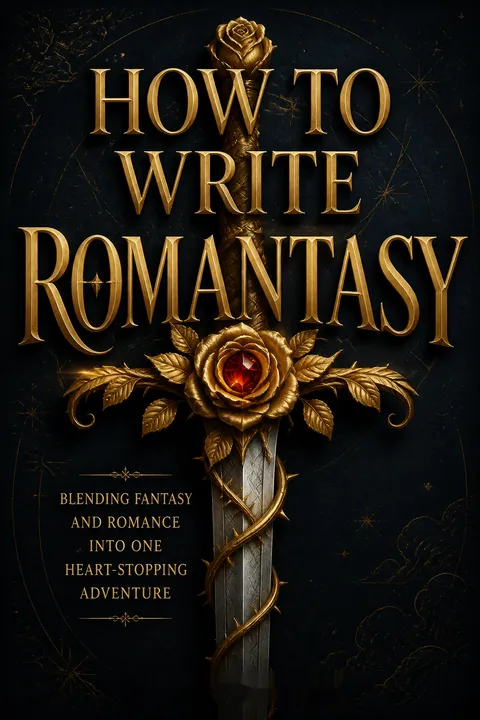
How to Write Romantasy by Jenna Moreci receives a 4.22/5 rating on Goodreads. Reviewers praise its accessible, humorous tone and practical advice for beginners writing romantasy. The book covers genre definitions, worldbuilding, character development, romantic chemistry, and plot structure with end-of-chapter summaries. Readers appreciate its inclusivity and emphasis on healthy relationships, though some note surface-level treatment of complex topics like polyamory and dark romance. More experienced writers find limited new insights, while newcomers value its foundational guidance. Most agree it's entertaining and useful for aspiring romantasy authors, with Moreci's signature wit throughout.
People Also Read
Download PDF
Download EPUB
.epub digital book format is ideal for reading ebooks on phones, tablets, and e-readers.








































