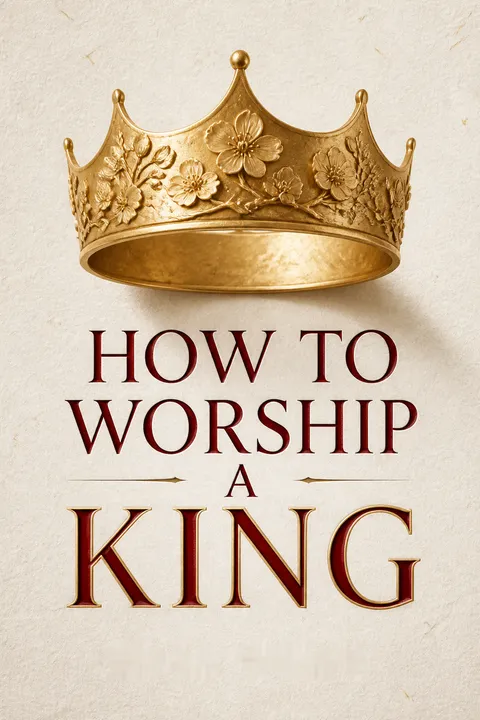

Key Takeaways
1. Every Believer is a Priest: Embrace Your Divine Identity
God didn’t create you so that He could use you. He created you so that He could know you.
Beyond being tools. Many Christians mistakenly view themselves as mere tools for God's use, leading to a performance-based identity. However, God desires a deep, personal relationship, not just utility. Our identity in Christ is not defined by what we do for Him, but by who we are to Him: His beloved children.
Reclaiming priesthood. Historically, the church suppressed the biblical truth that all believers are priests. This "Nicolaitan" philosophy stripped the laity of their spiritual authority and restricted ministry to a select few. The Bible, however, clearly states that we are a "royal priesthood" (1 Peter 2:9), called to minister God's grace.
Your priestly job. As priests, our role is multifaceted and vital. It involves:
- Stewarding meeting places: Being a "living tabernacle" wherever we go, creating opportunities for others to encounter God.
- Carrying God's presence: Acting as ambassadors for Christ, bringing His authority and power into every situation.
- Ministering to God: Prioritizing His desires and pleasure above our own, making worship truly about Him.
- Blessing people: Speaking life and destiny into others, equipping them to fulfill their God-given callings.
2. Worship is "Worthship": A Sacrificial Expression of Love
If the Cross proves how much we are worth to God, our worship proves how much God is worth to us.
Beyond mere music. Worship is often mistakenly equated with singing slow, intimate songs. This consumerist mindset makes people spectators, judging worship based on personal preferences, and ultimately making themselves the object of worship. True worship, or "worthship," is about demonstratively attributing supreme value to God.
Costly demonstration. The first mention of worship in the Bible involves Abraham's willingness to sacrifice Isaac, his most valuable possession. This illustrates that worship always involves sacrifice—giving something costly to God. Our priorities, time, and resources reveal what we truly "worthship."
Obedience is love. God's primary love language is obedience, as Jesus Himself taught. While emotions are part of our redeemed being, true worship transcends mere feeling; it is love expressed God's way through submission to His commands. This obedience, born of love, distinguishes worship from empty religious duty and leads to genuine transformation.
3. The Tabernacle: God's Blueprint for Access and Intimacy
The tabernacle is designed to teach the world protocol for worshipping the King of kings.
God's desire for access. The tabernacle, a "tent of meeting," was God's detailed instruction to Moses for creating a place where He could dwell among His people. It symbolizes God's unwavering desire for intimacy and access with humanity, and it serves as an illustrated sermon on His nature, how we access Him, and how we worship Him.
The Cross as access. The layout of the Israelite camp around the tabernacle formed a cross, prophetically revealing that the Cross would be the ultimate means of access to God's presence. This divine design underscores that God's way is precise and purposeful, not arbitrary.
Permission vs. ability. While Jesus granted us permission to approach God boldly, the tabernacle teaches us the ability—the step-by-step process—to enter His presence. Ignoring this divine protocol, or substituting man-made methods, leads to ineffective worship and a lack of God's manifest power. God's presence is always linked to His process.
4. The Altar: Begin with Christ's Sacrifice and Personal Submission
Crossless worship is no worship at all.
Foundation of sacrifice. The brazen altar, the first object encountered inside the tabernacle gates, symbolizes Jesus Christ's sacrifice on the cross. Made of incorruptible acacia wood overlaid with bronze (representing judgment), it powerfully depicts Jesus, pure and immortal, bearing the judgment for our sins. The horns of the altar represent mercy, a place where sinners could cling and cry for forgiveness.
Living sacrifice. Our response to Christ's ultimate sacrifice is to offer our own bodies as "living sacrifices, holy and pleasing to God" (Romans 12:1). This is our "true and proper worship," signifying total submission to Christ's lordship. It means consciously yielding every part of our being—our feet, hands, heart, mind, mouth, and pride—to Him.
Temple sweeping. Just as Jesus cleansed the temple, we are called to "sweep" our inner temples, removing anything that competes with God for our affection or attention. This act of self-examination and submission at the altar is crucial for spiritual freedom, as it aligns us with God's kingdom rules, where His victory defines our lives.
5. The Laver: Daily Cleansing and Transformation by God's Word
The same word that brings us revelation also washes us so that we can look more like Jesus.
Washing by the Word. Situated between the altar and the holy place, the bronze laver, made from polished mirrors, symbolizes the continuous cleansing and sanctification by God's Word. Priests had to wash their hands and feet here before ministering, signifying that holiness is a prerequisite for deeper intimacy and service.
Mirror of truth. The laver, like the Bible, acts as a mirror, offering both self-revelation and revelation of God. It exposes our imperfections and areas unlike Christ, but also reveals God's character and beauty. This self-examination, or "good judgment," allows us to agree with God about our sin and be transformed into His likeness.
Teflon minds. Without submission to God (the altar), our minds can become "Teflon-coated," resistant to the Word's transformative power. The laver teaches that submission prepares us to receive and heed God's Word, renewing our minds and enabling us to discern His perfect will. This daily washing is essential for priests to handle "holy vessels"—other people—without causing harm.
6. The Table of Showbread: Cultivate Intimacy and Communion with God
"Bread of face" means this: the table is where God institutes the ministry of face time.
Entering intimacy. Beyond the outer courts, the holy place is an enclosed, intimate space, smelling of bread, wine, and oil. The table of showbread, made of gold-covered acacia wood, represents Jesus in His dual nature as God and man. It is here that God desires "face time" with His people, seeking to be known in deep, personal relationship.
Communion's essence. The twelve loaves of unleavened bread (pierced, representing Christ's broken body) and golden cups of wine (drink offering) foreshadow Communion. This is not merely an event, but an ongoing invitation to "commune"—to share in Christ's sufferings and resurrection, becoming one with Him. This intimacy is the antidote to lukewarmness and the path to profound spiritual connection.
Benefits of fellowship. Through communion, a divine exchange occurs:
- Jesus bears our grief and sorrows, giving us joy and hope.
- He takes our transgressions (sins), offering complete forgiveness.
- He heals our iniquities (tendencies toward sin), transforming our hearts.
- He removes our fear, replacing it with His perfect peace.
- His stripes bring healing to our bodies, minds, and souls.
This "meal that heals" is a powerful aspect of worship, bringing tangible benefits to those who truly enter into it.
7. The Golden Lampstand: Minister in the Holy Spirit's Power and Character
Intimacy bears fruit and power. It is a natural law.
Spirit-fueled illumination. The golden lampstand, hammered from solid gold, represents the Holy Spirit's ministry in the church. Its seven lamps, fueled by pure olive oil, symbolize the fullness, completion, and abundance of the Spirit's gifts and fruit. Unlike a self-consuming "candlestick," the lampstand signifies Spirit-empowered ministry, preventing burnout and ensuring sustained effectiveness.
Fruit and gifts. The lampstand's nine-part branches (buds, flowers, fruit) align with the nine fruits of the Spirit (Galatians 5:22-23) and the nine gifts of the Spirit (1 Corinthians 12:7-10). This emphasizes that intimacy with God (the table) naturally leads to bearing His character (fruit) and operating in His power (gifts). Without the Holy Spirit, our lives and ministries are incomplete and impotent.
Blowtorch fire. The lampstand's flame represents the Holy Spirit's power and passion. God desires to transform our "wildfire" zeal into a focused "blowtorch" fire, controlled by His mastery to build His kingdom and destroy His enemies. This divine fire, sustained by intimacy and obedience, empowers us to live like Jesus and minister Christ to a world desperately needing His presence.
8. The Altar of Incense: Ignite Passionate, Burning Intercession
Prayer only rises when it burns. Worship only rises when it burns.
Burning prayers. The altar of incense, a gold-covered acacia wood box with horns, represents the burning, passionate prayers and intercession of God's people. Just as incense (smelly dirt) only rises when fire is lit beneath it, our prayers only ascend effectively when ignited by the Holy Spirit's passion. Cold, passionless prayers are ineffective.
God still speaks. This altar was the place where God promised to speak with His people. Many fail to hear God's voice because they do not enter this place of intimacy and intercession, or they spend too much time talking and not enough listening. Inspired prayer, fueled by God's heart and passion, creates a powerful connection between heaven and earth.
No strange fire. The fire for the altar of incense originated from the altar of sacrifice, which was lit by God Himself. Nadab and Abihu died for offering "strange fire"—man-made fire—in their censers. This warns against manipulating or manufacturing spiritual outcomes through human effort. God's fire is sustained by intimacy, not human striving, and it protects us from His holiness by covering our imperfections.
9. The Ark of the Covenant: Prepare for God's Manifest Glory
The glory of God is looking for a place to settle, and it will alight only on the blood of Jesus.
God's weighty presence. The ark of the covenant, residing in the holy of holies, represents God's manifest glory on earth—His throne among His people. The Hebrew word for glory, kabowd, signifies the "heaviness" of God's splendor, which can increase or decrease. When God's glory falls, it is tangible, powerful, and transformative, often accompanied by fire.
Construction and symbolism. Made of gold-covered acacia wood, the ark again points to Jesus's dual nature. Its carrying poles signify that God is a traveling God, and His presence is to be carried only by consecrated priests, never to be manipulated. Inside, Aaron's rod (resurrection), manna (provision), and the Ten Commandments (holiness) reveal aspects of Jesus's person and work.
The ripped veil. The thick veil separating the holy place from the holy of holies symbolized the barrier between God and humanity due to sin. At Jesus's death, this veil was torn from top to bottom, signifying "Access Granted" through His broken body. This act unveiled the empty holy of holies in Herod's temple, exposing centuries of godless ritual and paving the way for true, Spirit-filled worship.
Ingredients for glory. To enthrone God's manifest presence, we need:
- Praise: God is enthroned on the praises of Israel.
- Humility: Like the hammered gold cherubim, we must be refined through suffering and submission.
- Unity: God commands His blessing where brethren dwell in unity, unleashing anointing and "life forevermore."
- Priesthood: A consecrated body of believers ministering to God and the world.
- The Blood: The blood of Jesus is the activator of every heavenly blessing and the ground upon which God's glory settles.
10. The Tabernacle as Prophetic Timeline: Witness God's Plan Unfold
The tabernacle is not just the journey of an individual’s growing relationship with God; it is the journey of the church’s maturing relationship with God.
A prophetic map. The tabernacle is more than a guide for individual worship; it's a prophetic timeline of the church's journey and God's plan for the return of His glory. Each element represents a stage of spiritual restoration in church history, leading to the final return of Jesus Christ.
Ages of restoration:
- Protestant Reformation (1500s): Restored the Altar of Sacrifice (salvation by grace through faith) and the Brazen Laver (the Word of God in common language). This ended the Dark Ages of spiritual ignorance.
- Pentecostal Reformation (early 1900s): Reinstated the Golden Lampstand (the manifest power and gifts of the Holy Spirit). This brought spiritual awakening and global missions.
- Jesus Movement (1960s-70s): Cemented the Table of Showbread (a lifestyle of communion and intimacy with God), fostering relational worship and contemporary Christian music.
- House of Prayer Movement (late 1990s-present): Is restoring the Altar of Incense (continual, passionate intercession and worship), preparing the earth for God's final move.
Accelerating times. The timeline of these reformations shows an accelerating pace: 1000 years, then 500, then 50, then 25. This suggests we are on the threshold of eternity, standing at the ripped veil, filling the holy of holies with prayer and worship, preparing for the imminent return of God's glory.
11. Your Ultimate Calling: Be a Worshipping Priest to Change the World
I was not born for religion. I was not born to warm a pew. I was not born to attend “services” and increase the membership rolls. I was not born for dead, powerless, empty, pointless traditional pursuits.
Beyond religious routine. Many Christians are trapped in "dead, powerless, empty, pointless traditional pursuits," mistaking religious activity for genuine worship. God's desire is for a vibrant, intimate relationship that transforms us into active participants in His kingdom, not passive spectators.
Embrace your destiny. You are called to be a tabernacle-building, God-ministering, presence-carrying, people-blessing priest. This involves:
- Living a life of praise and gratitude.
- Embracing submission and sacrifice.
- Being continually washed and transformed by the Word.
- Cultivating deep communion and intimacy with God.
- Operating in the power and character of the Holy Spirit.
- Engaging in passionate, burning intercession for the world.
Prepare the way. The ultimate purpose of this priestly calling is to "prepare the way for the Lord" (Isaiah 40:3-5), making a highway for His return. When the church fully embraces its role as a kingdom of worshipping priests, God's glory will be revealed, and the world will witness His power, leading to a final, global awakening. This is your time to step into your divine purpose and change the world.
Review Summary
Reviews for How to Worship a King are mixed, averaging 4.34/5. Positive readers praise its biblical depth, tabernacle symbolism, and insights on worship. Critics cite condescending tone, repetitive content, poor argumentation, and weak exegesis. Many appreciate the tabernacle exploration but find the final chapter particularly problematic, where Neese makes speculative end-times predictions tied to church history. Several readers DNF'd the book. A recurring theme: solid foundational content undermined by narcissistic storytelling, theological overreach, and a dismissive attitude toward historical Christianity.
People Also Read

Download PDF
Download EPUB
.epub digital book format is ideal for reading ebooks on phones, tablets, and e-readers.








































