
Plot Summary
Scarred Arrivals, Haunted Pasts
Jo Clark, a seventeen-year-old girl with a scarred face and a battered soul, arrives in Planerville, Iowa, another stop in her endless journey of foster homes and broken families. Haunted by her mother's suicide and the abuse she suffered at her uncle's hands, Jo hides behind her hair and a tough exterior, determined to survive until she can finally be free. Her only family, Gerry, is a distant, well-meaning trucker who offers little comfort. Jo's pain is both visible and invisible, and she's learned to trust no one, keeping her secrets locked away. As she surveys her new town, she wonders if she'll ever find a place to belong, or if she's destined to remain a wanderer, defined by her trauma and the scar she carved to save herself.
The Freak and the New Girl
At her new school, Jo quickly learns about Evan Salinger, the so-called "Freakshow," a foster kid with a mysterious past and a reputation for mental instability. Despite the rumors, Evan is strikingly handsome and quietly intelligent, but he's ostracized by everyone. Jo, used to being the outcast, is drawn to him, sensing a kindred spirit beneath his calm surface. Their first encounter is charged with an inexplicable connection, a silent understanding of pain and isolation. Both are marked by their pasts—Jo by her scar, Evan by his time in a mental institution and the whispers of psychic abilities. In a world that shuns them, they recognize each other's loneliness, setting the stage for a bond that will challenge the boundaries of trust and vulnerability.
Rumors, Reputations, and Resistance
Jo navigates the treacherous social landscape of high school, where rumors and reputations are currency. She's quickly labeled a slut for her casual encounters, a defense mechanism to reclaim control over her body and narrative. Meanwhile, Evan endures relentless bullying from his adoptive brothers and classmates, his "freak" status cemented by a mysterious breakdown linked to a local tragedy. Despite warnings from her new friends, Jo refuses to shun Evan, drawn to his quiet strength and the warmth she feels in his presence. Their mutual resistance to the roles forced upon them becomes an act of defiance, a refusal to be defined by others' cruelty. Together, they begin to carve out a fragile space of acceptance and understanding.
Poetry, Pain, and Promises
Jo's poetry becomes both her refuge and her lifeline, a way to process the pain she cannot speak aloud. When her English teacher, Ms. Politano, challenges her to write about love, Jo balks, convinced she's incapable of such hope. Yet, through her writing and her growing friendship with Evan, she begins to explore the possibility of healing. Evan, too, reveals his own wounds—his abandonment, his struggles with his adoptive family, and the strange dreams that seem to predict tragedy. Their shared honesty deepens their connection, and promises are made: to help each other, to be different, to try for something more than survival. In the quiet spaces between words, love begins to take root.
Night Swims and Silent Bonds
Under the cover of darkness, Jo and Evan meet at the local pool, a sanctuary away from prying eyes and judgment. Here, Evan practices holding his breath underwater, a ritual that soothes him and hints at something deeper—his need to escape, to test his limits, to prepare for an unknown challenge. Jo, at first alarmed, becomes his accomplice, timing his underwater feats and sharing in the peace the water brings. In these secret nights, their bond grows stronger, built on trust, vulnerability, and the unspoken understanding of what it means to be broken. The pool becomes a place of transformation, where scars are seen and accepted, and where the possibility of love feels real.
Family Fights, Brothers' Betrayal
Evan's home life is a battleground, with his adoptive brothers, Shane and Merle, resenting his presence and sabotaging his every chance at happiness. Their cruelty escalates, culminating in the destruction of the only memento Evan has from his birth mother—a note pleading for someone to care for him. The loss devastates Evan, but Jo's empathy and support offer a lifeline. Meanwhile, Jo's own precarious situation with Gerry grows more unstable, and the threat of being cast out looms. Both teens are trapped by circumstances beyond their control, but their growing love becomes a source of strength, a reason to endure the storms that rage around them.
Underwater Confessions
As Jo and Evan's relationship deepens, they begin to share the darkest parts of themselves. Jo reveals the true origin of her scar—a desperate act to end her uncle's abuse—and the guilt she carries over her mother's death. Evan confides in Jo about his prophetic dreams and the breakdown that led to his institutionalization, as well as the pain of never truly belonging. These confessions are raw and painful, but they are met with compassion and acceptance. In the safety of each other's arms, they find the courage to face their pasts and imagine a future together, even as the world conspires to keep them apart.
Love Letters and First Kisses
Prompted by her teacher's assignment, Jo attempts to write a love poem, struggling to access feelings she's long buried. But with Evan, love becomes tangible—a force that heals rather than hurts. Their first kiss is electric, a moment of pure connection that shatters the walls they've built around their hearts. Physical intimacy follows, not as an escape, but as an affirmation of their worth and their right to happiness. For the first time, Jo feels beautiful and wanted, and Evan experiences the joy of being truly seen. Their love is a rebellion against the pain that has defined them, a promise that they can be more than their scars.
Prom Night, Shattered Dreams
On the night of prom, Jo and Evan's plans for a perfect evening—and a new life together—are violently derailed. A brutal confrontation with Evan's brothers leads to a tragic accident: his youngest brother, Garrett, is gravely injured, and Evan is blamed. The police are called, and Evan is arrested, torn from Jo's arms just as they were about to escape Planerville together. The community's judgment is swift and unforgiving, and Jo is left alone, her dreams of love and freedom shattered. The trauma of loss and injustice threatens to undo all the healing they've achieved, and both are forced onto separate paths of survival.
Blame, Loss, and Separation
Evan is sentenced to prison, his future as a firefighter destroyed, while Jo is left to fend for herself, drifting from place to place, haunted by memories and unable to trust again. The years are marked by hardship and abuse, culminating in a toxic relationship with Lee, a violent addict who traps Jo in a cycle of fear and dependence. Despite her strength, Jo's spirit is battered, and she resigns herself to a life of mere existence. Yet, the memory of Evan lingers—a beacon of what once was, and what might still be, if only she can find the courage to hope again.
Four Years of Survival
Jo's life in Louisiana is a daily struggle, but she finds solace in her friendship with Del, a drag queen who offers her kindness and a safe haven. Together, they plot Jo's eventual escape, saving money and dreaming of a new identity. The world is harsh, but small acts of compassion keep Jo afloat. When Evan, now an escaped convict, tracks her down, their reunion is fraught with danger and disbelief. Yet, the love that once saved them is still alive, and together they make a desperate bid for freedom, determined to outrun the past and reclaim their future.
Reunion in Ruins
Evan's return is both a miracle and a catalyst for chaos. In a violent confrontation, Jo's abuser is killed, and the two are forced to flee, becoming fugitives. Their journey is perilous, marked by close calls, poverty, and the constant threat of capture. Yet, in the midst of fear, their love is rekindled, stronger and more urgent than ever. They rediscover the joy of being together, the comfort of shared dreams, and the power of forgiveness. Each step on the road is a testament to their resilience and the unbreakable bond that has survived years of separation and suffering.
On the Run, On the Road
As they travel north, guided by Evan's mysterious dreams, Jo and Evan revisit places that unlock lost memories and offer healing. From a blue whale roadside attraction to an abandoned amusement park, each stop is a piece of Jo's past reclaimed, a fragment of happiness restored. Evan's ability to "walk in dreams" becomes their compass, leading them toward a destination neither fully understands. Along the way, they confront their fears, make love with newfound tenderness, and imagine a life beyond running. The journey is both literal and metaphorical—a passage from trauma to hope, from survival to living.
Dreamwalker's Journey
Evan's dreams grow more urgent, compelling them toward the "Center"—the geographic heart of the United States. As they draw closer, the sense of impending sacrifice intensifies. Jo learns that Evan has been orchestrating their journey not just for her healing, but for his own freedom—a chance to break the cycle of persecution and finally be at peace. The weight of destiny presses on them both, and Jo must decide whether to trust in the impossible, to believe in love's power to transcend even death. The river awaits, a final test of faith and endurance.
The Center and the River
At the Center, pursued by police and fate, Evan and Jo face their greatest challenge. Evan, determined to save Jo and secure her future, sacrifices himself, plunging into the river and holding his breath beyond human limits. Jo is left on the shore, forced to let him go, to trust that his promise—to always come back—will be kept. The world believes Evan is dead, and Jo is exonerated, but the pain of loss is overwhelming. Yet, in her grief, Jo clings to hope, waiting for a sign, a miracle, a return.
Sacrifice and Salvation
Jo rebuilds her life, adopting a new identity and settling by Lake Powell, the place she and Evan once dreamed of calling home. She finds work, makes friends, and waits, her faith in Evan's promise unwavering. The days are long and lonely, but the memory of love sustains her. When Evan finally returns, battered but alive, their reunion is a testament to the power of belief and the endurance of the human spirit. Together, they begin anew, free from the shadows of the past, ready to build the life they fought so hard to claim.
Homecoming and Healing
Jo and Evan's new life is marked by healing, growth, and the quiet joy of ordinary days. Evan pursues his dream of becoming a firefighter, while Jo finds purpose in teaching and writing poetry. Their love, once forged in pain, now flourishes in peace. The scars they carry are no longer symbols of shame, but of survival and strength. Surrounded by the beauty of the lake and the promise of family, they create a home filled with laughter, hope, and the certainty that they are, at last, safe and loved.
Love's New Beginning
Years later, Jo and Evan stand at the edge of the Grand Canyon, their child in their arms, the past a distant memory. The journey that began in pain and loss has led them to a place of wholeness and belonging. Their love, tested by time and tragedy, endures—a beacon for all who wander, a testament to the possibility of redemption. In the vastness of the world, they have found their center, not in a place, but in each other. Their story is one of survival, sacrifice, and the transformative power of love.
Analysis
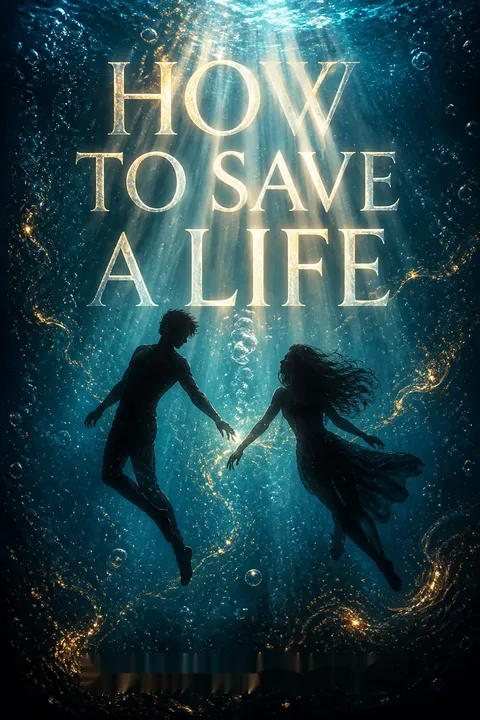
Emma Scott's How to Save a Life is a raw, emotionally charged exploration of trauma, resilience, and the redemptive power of love. Through the intertwined journeys of Jo and Evan, the novel confronts the realities of abuse, mental illness, and the struggle to find belonging in a world that punishes difference. The story's structure—alternating perspectives, symbolic motifs, and a blend of realism and magical elements—invites readers to inhabit the characters' pain and hope, making their victories feel hard-won and deeply personal. At its core, the book is a meditation on survival: the ways we adapt, the scars we carry, and the courage it takes to trust again. Scott suggests that healing is not linear, nor is it ever complete; it is a process of returning, again and again, to the places and people who remind us of our worth. The novel's ultimate message is one of radical empathy: that love, in all its messy, imperfect forms, is both the means and the end of salvation. In a world that often feels indifferent or hostile, How to Save a Life insists that connection is possible, that brokenness is not the end, and that even the most wounded among us can find home.
Review Summary
How to Save a Life received overwhelmingly positive reviews, praised for its emotional depth, unique storytelling, and well-developed characters. Readers appreciated the book's exploration of love, healing, and second chances. Many found the subtle paranormal elements intriguing without overpowering the story. The novel's ability to evoke strong emotions resonated with readers, who connected deeply with Jo and Evan's journey. While a few critics felt some plot points were left unresolved, the majority lauded Scott's writing style and the book's powerful impact.
Characters
Jo Clark
Jo is the emotional heart of the story—a young woman marked by trauma, yet fiercely resilient. Her scar, self-inflicted to end her uncle's abuse, is both a symbol of pain and a badge of survival. Jo's psyche is shaped by loss: her mother's suicide, her father's absence, and the betrayal of those meant to protect her. She copes through poetry, sex on her own terms, and a tough exterior, but beneath lies a desperate longing for safety and acceptance. Her relationship with Evan is transformative, teaching her to trust, to hope, and to believe in love's healing power. Over the course of the novel, Jo evolves from a wounded, guarded girl into a woman capable of forgiveness, vulnerability, and joy. Her journey is one of reclaiming agency, finding home, and learning that she is more than her scars.
Evan Salinger
Evan is a foster child haunted by abandonment, bullying, and a mysterious gift—prophetic dreams that set him apart and fuel his "freak" reputation. Despite his strength and beauty, he is deeply lonely, yearning for belonging and love. His adoptive family's cruelty and the community's suspicion drive him to the margins, but he remains gentle, loyal, and quietly heroic. Evan's relationship with Jo is redemptive; she sees past the rumors to the goodness within him. His willingness to sacrifice everything for her—freedom, dreams, even his life—reveals a profound capacity for love. Psychologically, Evan is both fragile and resilient, shaped by trauma but refusing to be defined by it. His journey is one of self-acceptance, the search for home, and the ultimate act of faith: trusting that love can transcend even death.
Shane Salinger
Shane is Evan's adoptive brother, consumed by resentment and fear. Suffering from a degenerative disease, he projects his pain onto Evan, orchestrating much of the bullying and violence that define Evan's home life. Shane's need for control and validation is rooted in his own vulnerability, but his actions are often cruel and destructive. He is a complex antagonist—both victim and perpetrator—whose hatred masks a deep sense of inadequacy. Shane's betrayal is pivotal, setting in motion the events that lead to Evan's downfall. Yet, his character also serves as a cautionary tale about the corrosive power of envy and the tragedy of unaddressed pain.
Merle Salinger
Merle, the physically imposing but intellectually limited brother, acts as Shane's muscle, carrying out acts of violence against Evan. His loyalty to Shane is unquestioning, and his aggression is a tool for maintaining the family's hierarchy. Merle's simplicity makes him both pitiable and dangerous; he is a product of his environment, shaped by neglect and the need to belong. His role in the family's dysfunction is significant, embodying the cycle of abuse and the consequences of unchecked anger.
Garrett Salinger
Garrett, the youngest Salinger brother, is a beacon of innocence and hope in a world marred by cruelty. His unconditional love for Evan offers a glimpse of what family could be, and his injury becomes the catalyst for the novel's darkest turn. Garrett's vulnerability highlights the stakes of the story, and his eventual recovery is a source of solace for both Evan and Jo. Psychologically, Garrett represents the possibility of healing and the enduring power of kindness.
Gerry Ramirez
Gerry, Jo's guardian after her mother's death, is a long-haul trucker ill-equipped to care for a traumatized teenager. His absence and emotional distance exacerbate Jo's sense of isolation, but he is not malicious—merely overwhelmed and out of his depth. Gerry's role is both a source of frustration and a reminder of the failures of the adult world to protect its most vulnerable. His eventual death leaves Jo truly alone, forcing her to confront the world on her own terms.
Del (Dellison Jones)
Del is Jo's lifeline during her darkest years in Louisiana—a drag queen with a big heart and a fierce sense of loyalty. Del offers Jo friendship, shelter, and practical support, helping her save money and plot her escape from abuse. As a mentor and surrogate parent, Del embodies the power of chosen family and the importance of community. Psychologically, Del is both resilient and nurturing, using humor and strength to survive in a hostile world. Her unwavering belief in Jo is instrumental in Jo's eventual healing and freedom.
Lee Stevenson
Lee is Jo's tormentor during her years in Louisiana—a violent, drug-addicted man who traps her in a cycle of fear and dependence. His charm is a mask for deep-seated rage and insecurity, and his abuse is both physical and psychological. Lee's character is a study in the dynamics of power and control, illustrating how trauma can perpetuate itself in new forms. His death, while accidental, is a turning point for Jo, forcing her to confront her own capacity for violence and the cost of survival.
Ms. Politano
Ms. Politano, Jo's English teacher, is a rare adult ally—perceptive, supportive, and willing to challenge Jo to grow. Her insistence on honesty in writing and her encouragement of Jo's poetry provide a safe space for self-expression and healing. Ms. Politano's role is subtle but significant, representing the impact a caring mentor can have on a wounded soul. She is a symbol of hope, education, and the transformative power of art.
Adam Lopez and Marnie Krauss
Adam and Marnie, Jo's friends in Planerville, are fellow outsiders who offer camaraderie and acceptance. Their own struggles with identity and belonging mirror Jo's, and their support is both a comfort and a challenge. They represent the complexities of adolescent friendship—the push and pull of loyalty, judgment, and the desire to fit in. Their presence in Jo's life underscores the importance of community, even among the marginalized.
Plot Devices
Dual Narration and Alternating Perspectives
The novel employs a dual narrative structure, alternating between Jo and Evan's perspectives. This device allows readers intimate access to both protagonists' inner worlds, revealing their fears, hopes, and motivations. The shifting viewpoints create dramatic irony, as each character's misunderstandings and secrets are laid bare. This structure also heightens the emotional stakes, as readers witness the parallel journeys of healing and self-discovery, and the ways in which love bridges the gap between two wounded souls.
Symbolism of Water and Breath
Water is a recurring motif, symbolizing both danger and salvation. The pool is a sanctuary where Jo and Evan find peace and connection, while the river at the novel's climax represents the ultimate test of faith and endurance. Evan's breath-holding is both a literal and metaphorical act—a preparation for sacrifice, a measure of control in a chaotic world, and a bridge between life and death. The motif of breath underscores the themes of survival, resilience, and the limits of human endurance.
Prophetic Dreams and Magical Realism
Evan's prophetic dreams introduce an element of magical realism, blurring the line between fate and free will. His visions drive the plot, guiding the characters to places of healing and ultimately to the Center, where destiny and sacrifice converge. The dreams serve as both a narrative engine and a metaphor for the subconscious forces that shape our lives. They raise questions about the nature of trauma, memory, and the possibility of redemption.
Foreshadowing and Circular Structure
The novel is rich in foreshadowing, with early references to water, breath, and the need to "come back" echoing throughout the story. The circular structure—beginning and ending with journeys, arrivals, and the search for home—reinforces the themes of return and renewal. The use of recurring symbols (the scar, the note, the pool, the river) creates a sense of inevitability, as if the characters are moving toward a destiny they cannot escape, yet ultimately choose.
Letters, Poetry, and Art as Healing
Jo's poetry and the love letters exchanged between her and Evan are more than plot devices—they are acts of survival, ways to process pain and reach for hope. Art becomes a means of communication when words fail, a bridge between isolation and intimacy. The motif of creative expression underscores the novel's belief in the transformative power of art to heal, connect, and save lives.
About the Author








Download PDF
Download EPUB
.epub digital book format is ideal for reading ebooks on phones, tablets, and e-readers.








































