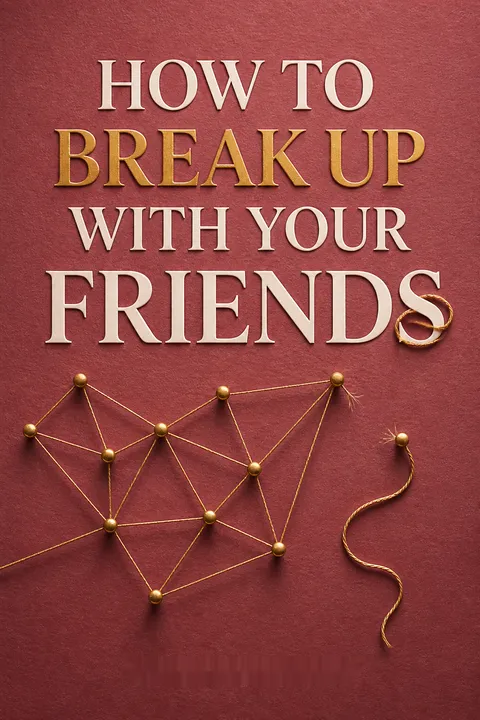

Key Takeaways
1. Friendship is a Vital Necessity, Not a Luxury
Nothing has more power in its ability to help give us fuel, inspire joy, and create true meaning than friendship.
Beyond mere connection. Friendships are not just "nice to have" additions to our lives; they are fundamental to human survival, evolution, and overall well-being. Our bodies and brains are hardwired to crave human contact, releasing endorphins that make us feel good and safe when connected. This deep-seated need for social connection has evolved from ancient grooming rituals to modern language and gossip, all serving to strengthen group bonds.
Profound health benefits. Scientific research consistently demonstrates that strong social connections significantly impact our physical and mental health. Friends can:
- Lower the risk of negative health outcomes, including cardiovascular disease.
- Boost immunity, making us less susceptible to common illnesses like colds.
- Protect brain health in later life, as seen in "super-agers" with thicker cortices.
- Reduce stress levels, mitigating the damaging effects of chronic stress hormones on the body.
Combating the loneliness epidemic. In an era where nearly half of Americans report feeling alone, friendships serve as a crucial antidote to loneliness, which Surgeon General Vivek Murthy equates to hunger or thirst—a vital signal that needs addressing. Ignoring this signal can lead to chronic stress, depression, and anxiety. Friends also influence our habits, making us more likely to adopt healthy behaviors like diet and exercise, and through the "Michelangelo Effect," they help us become the person we aspire to be by seeing our ideal form.
2. Cultivate Self-Awareness to Be Your Own Best Friend
Friendship with oneself is all-important, because without it one cannot be friends with anyone else in the world.
The foundation of all relationships. Before you can make clear-eyed choices about who to share your time and intimacy with, you must first know yourself—your values, needs, strengths, weaknesses, and goals. This self-knowledge is the necessary starting place for great friendships, enabling you to understand where and with whom to place your energy. Without it, you risk ending up with relationships that don't support, respect, or truly see you.
Taming negative self-talk. Most people are far from being their own best friends, often engaging in harsh self-talk that undermines their self-worth. This internal critic, or "inner mean girl," can lead to a belief that our true selves are unworthy, causing us to hold back authenticity in relationships. Brené Brown's work on shame highlights that self-worth is key to vulnerability, compassion, and authenticity, which are essential for meaningful connections.
Mindfulness and boundaries. To counter negative self-talk and foster self-worth, practices like mindfulness—nonjudgmental observation of thoughts and feelings—are crucial. This allows for "self-distancing," seeing situations with a cooler head and kinder heart, reducing shame and anxiety. Furthermore, self-respect enables the setting of clear boundaries in friendships, which are often less defined than in romantic or family relationships. Knowing what you will and won't accept, and communicating it kindly, is vital for healthy, reciprocal connections.
3. Understand the Anatomy of a Truly Great Friendship
If the relationship has trust and affection, the hostility that inevitably comes up between two people is contained, so the aggression is overcome, and the friends work together to grow and learn something new.
Focus on the relational dynamic. A good friendship isn't about one person being "toxic" or "great" in a static sense; it's about the dynamic and behavior between two people. True friendship is a relationship, and like any relationship, it requires mutual effort and understanding. When you find yourself listing why someone is "bad," you're missing the point; instead, examine the relational quality and what is working or not working between you.
Indispensable pillars of connection. For a friendship to be truly great and fortifying, several non-negotiable pillars must exist:
- Positivity: Not just constant cheer, but anything that produces a good feeling, including empathy, listening, compliments, and shared laughter, ensuring both parties feel good at the end of an interaction.
- Consistency: Regular effort to stay connected, allowing for deeper conversations beyond biographical updates and fostering a sense of ongoing presence.
- Vulnerability: The courage to show imperfections and share fears, creating true intimacy where both parties see and are seen authentically.
- Trust: The confidence that a friend will be discreet, reliable, and have your best interests at heart, built through consistent actions and empathetic reception.
- Balance: Reciprocity in effort, intensity, and emotional investment, ensuring neither person feels rejected or smothered.
- Boundaries: Clear understanding and communication of what is acceptable and unacceptable, reflecting self-respect and mutual consideration.
- Honesty: The ability to offer and receive constructive feedback, even when difficult, fostering growth rather than mere agreement.
- Rupture and Repair: The willingness to address conflicts directly and work through disagreements, strengthening the bond and facilitating emotional growth.
Growth through healthy friction. Many women avoid conflict, leading to bottled-up emotions and inauthentic relationships. However, embracing "rupture and repair" is quintessential to any healthy relationship. It demonstrates respect for oneself, the other person, and the relationship itself, allowing for growth and deeper love. As Aristotle noted, solid friendships evolve over time, based on choice and mutual respect, and can withstand tensions and disagreements, ultimately making us better people.
4. Less is More: Prioritize Quality Over Quantity in Your Friendships
The very word ‘friend’ has become completely diluted and almost meaningless—think, counting the number of people who follow you on Facebook and listed as ‘friends.’
The dilution of "friendship." In an age of social media, the term "friend" has been stretched to include mere acquaintances, diluting its true meaning and creating confusion about the time and emotional energy we should invest. This "friendship math" has shifted from basic arithmetic to complex algebra, often leading to an endless roster of superficial connections rather than deep, meaningful bonds. Ralph Waldo Emerson criticized this "prostitution of the name friendship to signify modish and worldly alliances," advocating for a robust definition rooted in aid, comfort, courage, wisdom, and unity.
Cognitive limits and time constraints. Evolutionary biologist Robin Dunbar's research suggests our cognitive limit for friends is about 150 people, with only about 50 considered "good friends," 15 as confidantes, and a core group of 5 closest friends. Social media allows us to exceed these numbers, but digital connection cannot fully replicate the in-person experience, which includes non-verbal cues, shared laughter, and physical touch that trigger endorphins and foster belonging. The time and energy required for true intimacy mean that maintaining dozens of deep friendships is simply not feasible.
Quality over popularity. Research by Tim Kasser indicates that people driven by "affinity"—building close, strong relationships—are happier and less depressed than those driven by "popularity"—the desire to be liked by many. Spreading oneself too thin across many superficial connections can lead to feeling "friend cheated" by those seeking deeper bonds. As we age, the value of a small, core group of high-quality friendships only increases, doing more for our health and well-being than numerous superficial ties. Being deliberate about who you invest in allows for better friendship practices and greater mutual fulfillment.
5. Recognize and Nurture Diverse Roles in Your "Friend Village"
Each friend represents a world in us, a world possibly not born until they arrive, and it is only by this meeting that a new world is born.
Beyond a single "best friend." Expecting one person to fulfill all your friendship needs is unrealistic and can strain any relationship. Instead, view your friends as a "village" or concentric circles, each playing different, valuable roles. Aristotle identified three kinds: utility (serving a practical purpose), pleasure (enjoying each other's company), and good (mutual admiration and respect, fostering growth). All these types contribute to your well-being, but understanding their specific functions helps manage expectations and energy output.
The "Avengers" of your social life. Different friends bring out different aspects of your character and meet distinct needs:
- Nostalgic Friends: Ground you in your past, reminding you of who you were before you were fully formed, offering a unique sense of innocence and shared history.
- Nurturing Friends: Provide emotional safety, empathy, and support, knowing what you need and cheering your successes while being there for challenges.
- Creative Friends: Inspire new ideas, energize your mind, and act as powerful allies in projects, making you feel your smartest and most capable.
- Mentor Friends: Offer wisdom and guidance for important life decisions, providing an objective perspective without competition.
- Friends Like You: Offer comfort, understanding, and validation through shared experiences, values, and humor, creating a sense of belonging.
- Friends Not Like You: Challenge your beliefs, expand your empathy, and reduce prejudice by exposing you to different cultures, life experiences, and perspectives, fostering growth beyond an "echo chamber."
- Vital Friends (Best Friends): Your ride-or-dies, who pick up at 3 a.m., help with "dead bodies," and risk your anger to give it to you straight, requiring significant time and energy investment.
Intentional friend-making. By consciously identifying the "holes" in your friend group, you can strategically seek out new connections that fulfill specific needs, rather than passively accepting whoever is around. This intentional approach allows for a richer, more balanced emotional universe, as Maria Mitchell advocated, distributing attachments among many people, each fulfilling a different need.
6. Diagnose Your Friendships with Honesty and Self-Reflection
You know yourself, and you don’t like how you’re behaving or how you feel in this relationship.
The friendship audit. To truly benefit from friendships, you must bring attention and awareness to them, starting with self-assessment. This involves a "friendship diagnosis" to evaluate what each relationship provides and how it impacts you. It's not about judging friends, but understanding the dynamic and your role within it.
Three key diagnostic questions:
- How do you feel? For a month, track interactions with everyone in your life. Do you feel at ease, anxious, guilty, inspired, or uplifted? Is a negative feeling a one-off or a pattern? This data collection is crucial for understanding the emotional energy exchange.
- How do you behave? Observe your own actions. Do you cancel plans frequently, drop everything for certain calls, or try to impress some friends? Do you like how you behave with them? This reveals your complicity in the relationship dynamic and areas for personal growth.
- What role does everyone play? Beyond categories like "work friends" or "mom friends," consider the specific emotional and practical roles each person fills (e.g., nurturer, creative, mentor). Tom Rath's "rounding error" concept reminds us not to expect one friend to meet all needs, but to appreciate them for their unique strengths.
Identifying toxic patterns. A critical part of diagnosis is recognizing signs of a toxic friendship, which often manifest as:
- One-sided conversations or demands.
- Feeling bad about yourself after spending time with them.
- Aggressive competitiveness or jealousy.
- Gossip, backstabbing, or using secrets against you.
- Conditional support or frequent bailing.
If you tolerate these behaviors, you are a "cocreator" of the problem. This self-awareness is vital for personal growth and the health of future relationships, helping you understand what void these situations might be filling in your life.
7. Master Healthy Habits to Become a Better Friend
Like anything worth having, real friendships take work—but results far outweigh the investment.
Friendship requires active investment. Many assume friendships should be effortless, a "magical" connection that just exists. This misconception leads to taking friendships for granted, accepting mediocrity, or ditching salvageable relationships at the first sign of friction. True friendships, like romantic or family bonds, require consistent work, effort, and vulnerability to deepen and expand.
Essential habits for stronger bonds:
- Listen Actively: Go beyond hearing words; pay attention to emotional information, make eye contact, avoid interrupting, and paraphrase to show understanding. This builds trust and makes friends feel seen and valued.
- Communicate Openly: Share your thoughts, feelings, and experiences—not just the deepest secrets, but also your opinions on books, politics, or upcoming life events. Don't "burden" friends by withholding important parts of your life.
- Be Discreet: Respect confidentiality. A friend won't be vulnerable if they fear their stories will be shared or their thunder stolen.
- Prioritize Friendships: Resist the urge to cancel plans easily. Consistency is crucial; just as gym results require regular attendance, friendship depth requires consistent time and effort.
- Create Rituals: Establish consistent, shared activities (e.g., walks, movie nights, singing) that fortify the relationship and provide a sense of security and anticipation, especially during life's disruptions.
- Allow for Mess (Rupture and Repair): Embrace conflict as an opportunity for growth. Instead of avoiding difficult conversations, address issues directly and honestly. This builds trust and complexity, making the friendship stronger.
- Avoid Constant Negativity: While venting is normal, be mindful if a friendship is primarily built on gossip or commiseration. Ensure interactions leave both parties feeling uplifted, not depleted.
- Be Careful in Triangles: Address issues directly with the friend involved, rather than venting to a third party, which only complicates problems and undermines trust.
- Be Aware of Differences: Recognize that friends come from diverse backgrounds and perspectives. Avoid the "false consensus effect" and actively seek to understand differing views, fostering empathy rather than judgment.
- Be There until You Can't: Offer support and advice lovingly, but know when to step back if a friend consistently ignores advice or if the situation becomes too draining.
- Express Gratitude: Explicitly acknowledge and appreciate your friends' qualities and kind deeds. This strengthens the bond and reinforces positive behaviors.
8. Know When and How to "Break Up" with Friends Respectfully
Swimming in mediocrity steals your power and your creativity.
The necessity of endings. Just as life itself has endings, so too do friendships. While often taboo, explicitly ending a friendship can be an act of self-respect and profound respect for the institution of friendship itself. It allows for intentional closure, preventing relationships from degrading into passive-aggressive resentment or unacknowledged distance. The goal is to move on from what isn't working, rather than clinging to laziness, fear, or ignorance.
A map for navigating a breakup:
- Be Sure It's What You Want: Before taking the final step, assess if the friendship can be improved through communication, boundaries, or other healthy habits. A friend pulling away might be dealing with personal struggles, not rejecting you.
- Consider the Network: Evaluate the impact on mutual friends or groups. Sometimes, a "subdivision" of a friend group is possible, but be prepared for potential ripple effects.
- Understand the Relationship Type: Distinguish between a core, deep friendship and a "utility" friendship that naturally fades with changing circumstances (e.g., work, school, parenting stages). Utility friendships often require less explicit closure.
- Avoid Ghosting: For long-standing, meaningful friendships, an explicit conversation (in person, letter, or email) honors the shared history. Ghosting leaves the other person wondering and can cause significant pain.
- Own Your Responsibility: Reflect on how you might have contributed to the problem. This is crucial for personal growth and healthier future relationships, regardless of the outcome.
- Envision Life Without Them: Picture how your life will look and feel. Is it relief or a gut punch? This helps clarify your true feelings and prepare for the transition.
- Communicate with Clarity and Grace: Plan what you want to say or write. Be sensitive, concise, and gracious, even if you've been wronged. Avoid reacting in anger; process your feelings beforehand.
- Keep Your Cool: Expect emotional responses, defensiveness, or attempts to change your mind. Practice your message to convey it clearly without getting sidetracked.
- Allow for Grief: Even as the "dumper," you're entitled to feel sad or angry. Acknowledge the good memories and the lessons learned.
- Manage Mutual Connections: Inform mutual friends without asking them to take sides or engaging in excessive gossip. Set boundaries for yourself regarding future encounters.
Learning from the experience. Whether you're the one ending it or being dumped, every friendship's conclusion offers an opportunity for self-discovery. It's not a failure, but a natural part of life's evolution. The only true failure is consciously staying in a friendship that isn't working and can't be fixed.
9. Embrace the Adventure and Strategy of Making New Friends
You can’t stay in your corner of the Forest waiting for others to come to you. You have to go to them sometimes.
The evolving need for new connections. As we grow and life changes—new jobs, cities, parenthood, or simply personal evolution—our needs from friendships shift. It's natural for some relationships to fade, creating "holes" in our social fabric that new friends can fill. This isn't about replacing old friends, but expanding our "village" to meet current needs and unlock new aspects of ourselves.
Countering the shrinking friend network. Global research indicates that friendship networks have been shrinking, exacerbating loneliness and placing undue pressure on romantic partners to fulfill all social needs. This "friend reduction trend" needs to be reversed, not just for personal well-being but for the health of our communities. Overcoming the "no new friends" mindset, often rooted in fear of vulnerability or the perceived effort, is crucial.
Strategic friend-making steps:
- Identify Gaps: Review your friendship diagnosis (Chapter 7) to understand what types of friends you're missing (e.g., mentor, creative, diverse perspectives).
- Assess Capacity: Be realistic about the time and energy you can invest. It's about quality, not quantity.
- Assume People Like You: Approach social situations with a positive mindset, which increases the likelihood of positive interactions and reduces fears of rejection.
- Initiate: Let go of the myth that friendship happens organically. Take responsibility to say "hello" and make the first move.
- Keep Showing Up: Commit to consistently attending activities or places for a few months. Familiarity breeds liking, and persistence helps overcome initial discomfort.
- Get Vulnerable: Share aspects of yourself and ask questions that encourage others to share. True friendship requires knowing and being known, beyond superficial details.
Finding specific types of friends:
- Nostalgic Friends: Reconnect with people from your past via social media, focusing on shared experiences that evoke a desired part of your former self.
- Nurturing Friends: Cultivate your own soft side and seek out those who demonstrate genuine care and empathy, often found in unexpected places during challenging times.
- Creative Friends: Look for sparks of energy and inspiration in workplaces, classes, or social gatherings. Be willing to collaborate and offer mutual support.
- Mentor Friends: Identify individuals (older or younger) whose wisdom you admire in specific areas (e.g., career, parenting). Reach out respectfully, offering value in return, and focus on focused, intentional interactions.
Making new friends is an adventure that requires openness, intentionality, and a willingness to step outside your comfort zone. It's a powerful way to continue growing, learning, and enriching your life.
People Also Read







Download PDF
Download EPUB
.epub digital book format is ideal for reading ebooks on phones, tablets, and e-readers.








































