
Key Takeaways
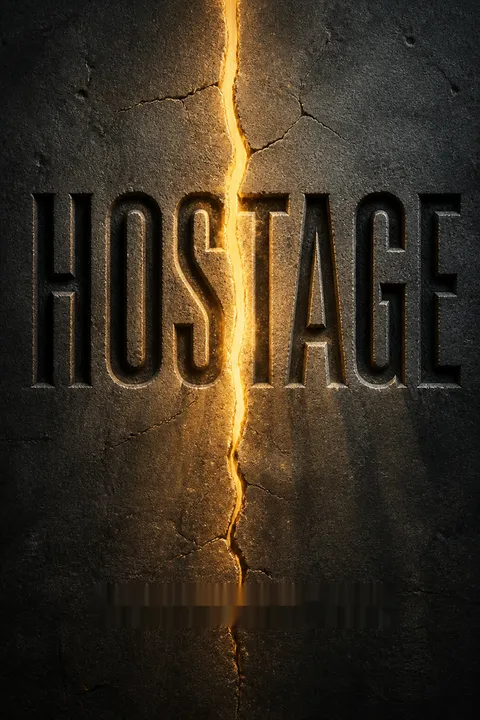
1. Sudden Abduction Ignites Survival Instinct
There is no more regular Eli. From now on, I am Eli the survivor.
Brutal awakening. Eli Sharabi's life in Kibbutz Be'eri shattered on October 7, 2023, when Hamas terrorists stormed his home during the Simchat Torah holiday. Awakened by missile alerts, his family sought refuge in their safe room, a space designed for rockets, not intruders. The terrorists' violent entry, the deafening gunshots, and the sight of his daughters frozen in terror instantly transformed Eli's perception of reality and his role within it.
Immediate kidnapping. Eli, his wife Lianne, and daughters Noiya and Yahel were dragged from their home. Despite Lianne's desperate cries about their British passports, Eli was separated from his family, barefoot and blindfolded, and forcibly taken towards the Gaza Strip. This abrupt transition into captivity, marked by beatings and the sight of his burning kibbutz, solidified his singular mission: to survive and return home.
First moments in Gaza. Upon entering Gaza, Eli and a Thai worker, Khun, faced a frenzied mob before being smuggled into a mosque. There, they endured interrogation, humiliation, and tight restraints. Eli's ability to speak Arabic made his captors suspicious, but also allowed him to understand their euphoric chatter about their unexpected success. This initial phase established the terrifying new reality and the immediate need for mental and physical endurance.
2. Complex Dynamics with Captors
But clichéd as it might sound, they are still human beings. And here we are, human beings coming face-to-face with other human beings.
Observing the enemy. Eli quickly learned to study his captors, whom he nicknamed "the Mask," "the Cleaner," "the Triangle," and "the Circle," among others. He observed their routines, their fears, and their occasional moments of humanity, such as their concern for his injuries or their discussions about family. This close observation was not born of sympathy, but a calculated survival strategy to understand their moods and predict their actions.
Nuanced interactions. Despite their role as terrorists, some captors displayed unexpected traits. Eli engaged in conversations with them, learning about their lives, their economic struggles, and their rigid worldview. He discovered:
- The Cleaner's religious devotion and past injury.
- The Mask's bashful smile and love for sweet drinks.
- The father's past work in Tel Aviv and excellent English.
- Their shared admiration for "Titanic" and ignorance of Israeli society.
These interactions, though unsettling, allowed Eli to gauge their intentions and sometimes even elicit small favors.
Strategic engagement. Eli carefully navigated these relationships, agreeing with their propaganda when necessary and avoiding political discussions. He understood that building a semblance of trust, however superficial, could improve his conditions and access to information. He recognized that their "humanity" was conditional, always secondary to their mission, and that they would not hesitate to kill him if ordered.
3. Psychological Resilience Amidst Despair
I refuse to let myself sink into longing. I refuse to let myself drown in pain. I am surviving.
Unwavering resolve. From the moment of his abduction, Eli adopted a "survivor" mindset, focusing solely on returning home. He consciously fought against despair, understanding that emotional collapse would hinder his chances. His internal mantra was to survive, no matter the physical or psychological toll.
Coping mechanisms: Eli employed several strategies to maintain his mental strength:
- Logical detachment: Accepting the situation and focusing on controllable aspects.
- Future visualization: Fantasizing about returning home and rebuilding his life.
- Purpose-driven focus: Believing his family needed him to survive.
- Emotional regulation: Allowing limited time for grief, then redirecting to survival.
He saw himself as being "on a mission," a framework that provided structure and meaning in chaos.
Inner strength. Eli's extensive experience in management and as a father equipped him with tools for navigating complex human dynamics and prioritizing collective well-being. He recognized his role as a responsible adult among younger hostages, taking on the burden of leadership and emotional support, even when his own pain was immense. This outward focus paradoxically strengthened his inner resolve.
4. Camaraderie and Conflict Among Hostages
We’re not the ones to feel sorry for. The ones waiting for us outside, they’re the unfortunate ones.
Bonds in shared trauma. Eli found solace and strength in the company of fellow hostages, particularly Almog Sarusi, Ori Danino, Hersh Goldberg-Polin, Or Levy, and Elia Toledano. Sharing their harrowing stories from the Nova Festival and Kibbutz Be'eri created an immediate, profound connection. They recounted the heroism of Aner Shapira, who saved lives by throwing back grenades, and the brutal abductions, fostering a collective understanding of their shared ordeal.
Mutual support and hope. Eli took on a paternal role, especially with the younger hostages like Alon, encouraging them to find their "why" for survival. He tried to instill hope, even when news was bleak, and helped them process their trauma. He urged them to believe their loved ones were alive and fighting for their release, emphasizing that their families were the true "unfortunate ones" burdened with uncertainty.
Inevitable friction. Despite their shared plight, the extreme conditions—hunger, filth, and suffocating proximity—inevitably led to conflicts. Arguments erupted over meager food rations, hygiene, and personal habits. Eli, drawing on his management experience, often acted as a mediator and "treasurer," striving for fair distribution of resources. These clashes, though painful, were a natural consequence of human beings pushed to their limits, highlighting the raw struggle for individual survival within a collective.
5. Deteriorating Conditions in the Tunnels
How do you convey what it feels like to be swallowed in such a suffocating odor? It’s a stench you never get used to.
Harsh realities. The move to the second tunnel marked a significant deterioration in living conditions. Unlike the first, this tunnel lacked basic amenities: no electricity, no running water, and minimal supplies. Hostages were forced to sleep on bare ground, enduring constant hunger, and a pervasive, unbearable stench from overflowing sewage.
Hygiene crisis. The lack of water and cleaning supplies led to a severe decline in hygiene. Showers were rare, clothes unwashed, and the living space became increasingly filthy. This environment fostered:
- Constant diarrhea and vomiting among hostages.
- Fungal infections and falling nails.
- The proliferation of worms in the toilet area and on personal items.
The captors, fearing contagion, became visibly wary, further isolating the hostages.
Chronic hunger. Food rations dwindled to one meager meal a day, consisting of stale pitas, a shared can of cheese, or flavorless pasta. This deliberate starvation led to extreme weakness, dizziness, and visible physical wasting. The constant hunger became an all-consuming focus, driving internal conflicts and desperate attempts to secure extra food, even through staged fainting spells.
6. Information as a Weapon and a Lifeline
They make sure to tell us, of course, about the three hostages who tried to escape and were killed by IDF fire. They make a point of sharing that piece of information.
Propaganda and manipulation. Eli's captors constantly fed them a distorted narrative, portraying Israel as collapsing and their own forces as victorious. They celebrated "martyr" reports and claimed new Israeli soldiers were captured. This psychological warfare aimed to break the hostages' spirits, convince them they were forgotten, and deter any escape attempts by highlighting the deaths of those who tried.
Desperate search for truth. Lacking direct access to news, Eli and his fellow hostages meticulously pieced together information from overheard conversations, snippets of TV news, and their captors' shifting moods. They analyzed every "Allahu Akbar!" and every celebratory sweet platter, trying to discern the true state of the war and the outside world. This constant analysis was a vital coping mechanism, a way to maintain a sense of agency.
Bittersweet revelations. Eli learned about the deaths of other hostages, including his brother Yossi, through his captors' casual remarks and later, confirmation from Ohad Ben Ami. He also heard about the elimination of key Hamas leaders and the rescue of other hostages, creating a complex mix of grief, hope, and renewed determination. The news, however painful, provided a clearer picture of the ongoing conflict and the stakes of their captivity.
7. Rituals and Faith as Anchors
I don’t know if I feel God in those moments. But I feel power. I feel a connection. To my people. To our tradition. To my identity.
Structured existence. In the suffocating darkness of the tunnels, Eli and his fellow hostages clung to routines and rituals to maintain their sanity and sense of self. These practices provided a much-needed structure in an otherwise chaotic and unpredictable environment. They became acts of defiance against the dehumanizing conditions.
Spiritual sustenance. Despite Eli's secular background, Jewish prayers and traditions became powerful anchors. Elia, a religious hostage, led daily morning prayers and chanted Sabbath hymns, which Eli and the others joined. These moments connected them to their heritage, family, and a world beyond their immediate suffering.
- Daily morning prayers led by Elia.
- Friday night Kiddush, with Eli singing "Eshet Chayil."
- Sabbath-ending zemirot (table hymns).
- Sharing memories of holiday meals and family life.
Gratitude as resilience. Eli initiated a nightly ritual where each hostage shared "good things" that happened that day. This practice, initially challenging, forced them to actively seek positivity amidst their suffering. It fostered optimism and a collective spirit, transforming their perspective and reinforcing their will to survive.
8. The Gradual Revelation of Tragic Loss
My mother and Osnat are here. My Lianne, my Noiya, and my Yahel—they are not.
Uncertainty's torment. Throughout his captivity, Eli clung to the belief that his wife, Lianne, and daughters, Noiya and Yahel, were alive. He rationalized that their British passports might have protected them, and a captor's whispered remark about seeing them at a protest fueled this hope. This belief was a cornerstone of his survival mission, a powerful "why" to endure.
Ohad's devastating news. The arrival of Ohad Ben Ami, a fellow kibbutz member, brought both comfort and crushing news. Ohad confirmed the deaths of other hostages, including Ori Danino, Almog Sarusi, and Hersh Goldberg-Polin—men Eli had shared a tunnel with and believed were safely home. More profoundly, Ohad confirmed the death of Eli's brother, Yossi, killed in an IDF bombing.
The final, silent confirmation. Upon his release, an IDF officer's words, "Your mother and Osnat will tell you," delivered the final, unspoken blow. Eli instantly understood that Lianne, Noiya, and Yahel were gone. His years of mentally preparing for the worst, while clinging to hope, allowed him to process this unimaginable grief with a chilling, logical detachment, focusing instead on the immediate reunion with his surviving family.
9. The Dehumanizing Spectacle of Release
I know that without them, every single person in that crowd would lynch us right there and then. It’s something we’re used to.
A staged performance. Eli's release was not a quiet handover but a meticulously choreographed propaganda spectacle. Hamas operatives directed every movement, from exiting the car to walking onto a stage, coaching the hostages on what to say and how to smile for the cameras. This "movie shoot" was designed to serve Hamas's narrative, forcing Eli to parrot their anti-Israel rhetoric.
Frenzied crowds. The release took place before massive, ecstatic crowds of Gazans, who cheered and clamored to see the "Jewish civilians." Eli and the other hostages were protected by a human shield of Hamas terrorists, a chilling reminder that their captors were also their only shield from a hostile mob. This duality underscored the perverse nature of their captivity and release.
Bittersweet freedom. Stepping into a Red Cross vehicle, Eli finally broke down, overwhelmed by the words "You're safe now." The journey to the IDF handover point was a mix of relief and the lingering trauma of the crowds. The sight of IDF soldiers and the Israeli flag signaled true freedom, but it was immediately overshadowed by the silent confirmation of his family's tragic fate, making his return a profoundly bittersweet experience.
People Also Read

Download PDF
Download EPUB
.epub digital book format is ideal for reading ebooks on phones, tablets, and e-readers.








































