
Plot Summary
Breaking Barriers, Breaking Hearts
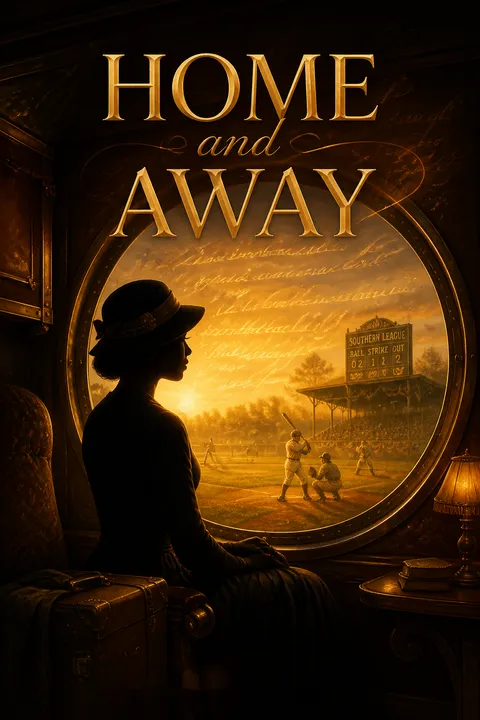
Harper Fleming, a talented Black journalist in Chicago, is denied a sports reporting job—again—because of her gender. Frustrated by the glass ceiling and the erasure of her contributions, she quits, seeking solace and clarity with her grandfather Bernard in Nashville. Harper's journey is not just about career disappointment; it's about the intersection of race, gender, and generational expectations. Her family's legacy is steeped in baseball, with her father a Hall of Famer and her great-grandfather a Negro Leagues star. As Harper leaves behind a stagnant job and a dead-end relationship, she sets out to reclaim her narrative, determined to write a book about her great-grandfather's life and the untold stories of Black baseball players and the women who loved them.
Family Secrets and Sacrifice
Harper's arrival in Nashville rekindles her bond with Bernard, who reveals a trove of his father Kelton's journals—firsthand accounts of the Negro Leagues. As Harper delves into these notebooks, she uncovers not only the triumphs and racism Kelton faced but also family secrets: affairs, heartbreak, and the sacrifices made by women like Daisy, Kelton's mother. The family's history is marked by resilience and compromise, with each generation navigating the constraints of their era. Harper's mother, Martell, is a social climber haunted by her own family's past, while Bernard's silence about Kelton's flaws reveals the pain of inherited trauma. The weight of these secrets shapes Harper's understanding of herself and her family's place in history.
Dreams Deferred, Dreams Pursued
In the 1930s South, Moses Gilliam (Kelton's fictionalized self) defies his abusive father and the expectations of a coal-mining town to pursue baseball. Supported by his mother Daisy's fierce love, Moses faces racism, exploitation, and the harsh realities of the Negro Leagues. His journey is one of self-determination, as he negotiates contracts, resists being cheated, and insists on reading every word before signing. Moses's story is not just about athletic talent but about the courage to demand dignity and agency in a world determined to deny him both. His optimism and intelligence set him apart, but his path is fraught with moral and emotional challenges.
Southern Roots, Northern Hopes
Harper's summers on the family farm are a touchstone of belonging, but the move to Nashville signals both loss and renewal. The narrative weaves between past and present, as Harper reconstructs Moses's journey from rural Tennessee to Memphis and beyond. The Great Migration, the search for opportunity, and the longing for home are central themes. Moses's encounters with Black and White America reveal the complexities of passing, colorism, and the shifting boundaries of community. For Harper, the act of writing becomes a way to bridge these worlds, honoring her ancestors while forging her own path.
The Ballad of Moses Gilliam
Moses's rise in the Negro Leagues is marked by both camaraderie and competition. He faces hazing, rivalry, and the burden of being a "phenom," all while navigating the politics of Black-owned teams and the predations of White agents. The team's owner, Winnie Chess, is a rare Black woman in power, negotiating her own compromises and ambitions. Moses's relationships—with teammates like Lionel, with women like Sallie Ann and Inez—reflect the joys and sorrows of a life lived on the road. Baseball is both escape and crucible, a place where dreams are made and broken.
Women Behind the Men
The novel foregrounds the women who shape and sustain the men's journeys. Daisy's strength and sacrifice enable Moses's escape; Sallie Ann's love and ambition challenge traditional roles; Winnie Chess's business acumen and emotional restraint break barriers in a male-dominated world. Harper, too, is shaped by the women before her—her mother's aspirations, her grandmother's wisdom, and her own desire for independence. The narrative explores the costs of ambition, the limits of forgiveness, and the ways women's stories are often sidelined in the telling of history.
Love, Loss, and Letters
Letters become a lifeline for Moses and Sallie Ann, sustaining their relationship through separation, uncertainty, and the pressures of public life. Their courtship is both romantic and pragmatic, shaped by the realities of travel, family expectations, and the specter of infidelity. Harper, reading these letters decades later, grapples with the ethics of storytelling—what to reveal, what to protect, and how to honor the complexity of her ancestors' lives. The act of writing, both in the past and present, is an act of love and resistance.
Fathers, Sons, and Forgiveness
The novel is haunted by difficult fathers—Solomon's violence, Kelton's absences, and the generational wounds they inflict. Moses's journey is one of breaking cycles, seeking to be a different kind of husband and father. Bernard's relationship with his own father is marked by both reverence and resentment, while Harper's bond with her father is shaped by pride and the struggle for autonomy. Forgiveness is hard-won, and the novel does not shy away from the pain of betrayal, the longing for approval, and the possibility of healing.
The Price of Ambition
For both Moses and Harper, ambition comes at a cost. Moses's pursuit of baseball glory means long absences, missed opportunities, and the risk of losing himself. Harper's drive to succeed as a journalist and writer is complicated by sexism, racism, and the fear of repeating her family's mistakes. The narrative interrogates the American dream, asking what is gained and lost in the quest for recognition. The characters must reckon with the limits of individual achievement and the importance of community, love, and self-acceptance.
Crossing Lines, Crossing Lives
The color line in baseball is both literal and metaphorical, shaping the lives of every character. Moses's experiences in Latin America reveal the arbitrary nature of racial boundaries, while the integration of Major League Baseball signals both progress and loss for the Negro Leagues. Harper's own journey is about crossing lines—between past and present, family and self, home and away. The novel explores the pain of exclusion, the joy of connection, and the ongoing struggle for justice and equality.
The Weight of History
The past is ever-present, shaping the choices and identities of every character. Harper's project to write her great-grandfather's story becomes a meditation on the power and burden of history. The notebooks, letters, and oral histories she uncovers are both gift and responsibility. The novel grapples with the ethics of representation, the dangers of nostalgia, and the necessity of confronting uncomfortable truths. The act of remembering is both healing and haunting.
Homecomings and New Beginnings
As Moses and Sallie Ann build a life together, they must navigate the challenges of marriage, loss, and the changing world around them. Harper, too, finds herself drawn back to family, community, and the possibility of love with Cheney, a childhood friend. The narrative is cyclical, with each generation returning to the questions of home, identity, and purpose. The novel ends with the promise of new beginnings, even as the past continues to shape the present.
The Past That Haunts
Family secrets—affairs, illegitimate children, betrayals—cast long shadows. Harper must decide what to reveal in her book, weighing the desire for truth against the need for protection. The characters are haunted by what is left unsaid, by the traumas they inherit and the silences they maintain. The novel suggests that healing is possible, but only through honesty, vulnerability, and the willingness to confront pain.
Choices, Chances, Changes
The characters are defined by the choices they make and the chances they take. Moses chooses love and family over fame; Harper chooses teaching and writing over chasing elusive recognition. The women in the novel—Daisy, Sallie Ann, Winnie, Martell—adapt to changing circumstances, finding strength in community and self-reliance. The narrative celebrates resilience, the courage to change, and the wisdom to accept what cannot be changed.
The Power of Storytelling
Harper's journey as a writer is central to the novel's structure and meaning. The act of telling her family's story is both an assertion of agency and an act of love. The novel foregrounds the importance of Black storytelling, the reclamation of erased histories, and the transformative power of narrative. Through writing, Harper finds healing, connection, and a sense of purpose.
Healing, Hope, and Home
The novel's conclusion is one of hard-won peace. Moses and Sallie Ann, after loss and struggle, find joy in adoption and the building of a home. Harper, after years of searching, finds love, fulfillment, and a sense of belonging. The characters are not perfect, and their lives are marked by pain and compromise, but they are sustained by hope, community, and the enduring power of love.
The Legacy Continues
The final chapters look forward, as Harper's book is published and she prepares for motherhood. The family gathers to celebrate, honoring the past while embracing the future. The novel ends with the recognition that every generation must grapple with its own challenges, but that the legacy of resilience, love, and storytelling endures.
Analysis
Home and Away is a sweeping, multi-generational exploration of Black American life, ambition, and love, set against the backdrop of baseball's segregated past and the ongoing struggle for dignity and recognition. Rochelle Alers crafts a narrative that is both intimate and expansive, foregrounding the often-erased stories of Black athletes and the women who sustained them. The novel interrogates the costs of ambition, the complexities of family, and the power of storytelling to heal and transform. Through its dual timeline and richly drawn characters, Home and Away asks what it means to belong—to a family, a community, a nation—and what is required to break cycles of pain and create new legacies. The book is a meditation on resilience, the necessity of confronting uncomfortable truths, and the enduring hope that love, honesty, and connection can overcome even the most entrenched barriers. For modern readers, it offers both a window into the past and a mirror for the present, reminding us that the work of justice, healing, and self-discovery is never finished, but always worth pursuing.
Review Summary
Home and Away follows Harper Fleming, a Chicago journalist who quits her job after being repeatedly overlooked for a sports reporter position. She visits her grandfather in Nashville and discovers journals from her great-grandfather Kelton, who played in the Negro Baseball Leagues during the 1930s-40s. Harper writes a fictionalized novel about his experiences, featuring protagonist Moses Gilliam, while reconnecting with childhood friend Cheney. The dual-timeline narrative explores themes of racism, family secrets, and self-discovery. Readers praised the historical detail about the Negro Leagues and Green Book, though some found the ending rushed.
People Also Read


Characters
Harper Fleming
Harper is the novel's anchor—a modern Black woman navigating the intersections of race, gender, and family legacy. As a journalist, she is driven by a desire to tell untold stories, particularly those of her great-grandfather and the women who supported him. Her relationships—with her parents, grandfather, and childhood friend Cheney—are marked by both love and tension. Harper's psychological journey is one of self-discovery, as she confronts her own ambitions, insecurities, and the weight of family secrets. Her development is shaped by her refusal to settle, her commitment to truth, and her eventual embrace of vulnerability and connection.
Moses Gilliam (Kelton Fleming)
Moses is the heart of the historical narrative—a gifted athlete who defies the limitations of his time to pursue baseball. His journey is marked by resilience in the face of racism, exploitation, and personal loss. Moses is both idealistic and pragmatic, insisting on dignity and agency even as he navigates a world determined to deny him both. His relationships—with his mother Daisy, wife Sallie Ann, and lover Inez—reveal his capacity for love, guilt, and forgiveness. Moses's psychological arc is one of breaking cycles, seeking to be a better man than his father, and finding peace in imperfection.
Bernard Fleming
Bernard is the bridge between past and present—a son shaped by his father's legacy and a grandfather determined to support Harper's quest for truth. His relationship with his own father is marked by both reverence and resentment, and his silence about family secrets reveals the pain of inherited trauma. Bernard's development is one of gradual openness, as he learns to support Harper's ambitions and confront his own regrets. He embodies the complexities of masculinity, vulnerability, and generational change.
Daisy Gilliam
Daisy is the backbone of Moses's early life—a mother who defies her husband's violence to ensure her son's education and freedom. Her love is both fierce and pragmatic, shaped by the realities of poverty, racism, and limited options. Daisy's psychological strength is matched by her capacity for forgiveness, as she endures betrayal and loss without losing her sense of self. She represents the often-unseen labor of Black women in sustaining families and communities.
Sallie Ann Thompson
Sallie Ann is both a product of and a rebel against her environment—a young woman caught between her mother's social aspirations and her own dreams of independence. Her relationship with Moses is both romantic and pragmatic, shaped by the realities of distance, family expectations, and the pressures of public life. Sallie Ann's psychological journey is one of self-assertion, as she negotiates the demands of marriage, loss, and the pursuit of her own ambitions as a photographer.
Winnie Chess
Winnie is a rare Black woman owner in the male-dominated world of Negro League baseball. Her business acumen, emotional restraint, and willingness to make hard choices set her apart. Winnie's relationships—with her business partner Edgar, her cousin Lucille, and the players she manages—reveal both her vulnerability and her determination to succeed. She is a model of Black female leadership, navigating the compromises and challenges of her era.
Martell Fleming
Martell, Harper's mother, is a clinical psychologist and social climber haunted by her own family's past. Her relationship with Harper is marked by both love and tension, as she projects her own ambitions and fears onto her daughter. Martell's psychological complexity is revealed in her desire for social acceptance, her anxieties about reputation, and her struggle to reconcile her past with her present.
Lionel "Train" Dean
Lionel is Moses's teammate and eventual friend—a man whose lack of education and family responsibilities shape his worldview. His initial antagonism toward Moses gives way to admiration and dependence, as Moses helps him learn to read. Lionel's psychological journey is one of humility, growth, and the desire to provide for his family. He represents the everyday struggles and quiet heroism of Black men in the era.
Inez Cruz
Inez is Moses's lover during his travels in Latin America—a woman who defies traditional roles and pursues her own ambitions as an art historian. Her relationship with Moses is marked by honesty, mutual respect, and the recognition that love can take many forms. Inez's decision to give Moses her child is both an act of love and a reflection of her own values. She embodies the possibilities and limitations of cross-cultural connection.
Cheney Sanders
Cheney is Harper's childhood friend and eventual partner—a man who, like her, is shaped by family, ambition, and the search for meaning. His journey from corporate law to advocacy for abused women mirrors Harper's own quest for purpose. Cheney's psychological arc is one of self-forgiveness, vulnerability, and the willingness to embrace love after loss. His relationship with Harper is marked by mutual respect, shared history, and the promise of new beginnings.
Plot Devices
Dual Timeline Structure
The novel employs a dual timeline, alternating between Harper's contemporary quest to write her great-grandfather's story and the historical narrative of Moses Gilliam. This structure allows for a rich exploration of generational trauma, resilience, and the ways the past shapes the present. The interplay between timelines creates suspense, deepens character development, and foregrounds the theme of storytelling as both inheritance and resistance.
Epistolary Elements and Found Documents
The use of Kelton's notebooks, family letters, and Harper's own writing provides an intimate, first-person perspective on historical events and personal relationships. These documents serve as both plot devices and symbols of memory, secrecy, and the power of narrative. They allow for multiple voices and viewpoints, complicating the idea of a single, authoritative history.
Foreshadowing and Symbolism
The novel employs foreshadowing through dreams, conversations, and the repetition of certain phrases or images (e.g., the color line, the act of waiting, the motif of home and away). Baseball itself is a central symbol—of hope, exclusion, and the possibility of transcendence. The recurring presence of women's labor, both emotional and physical, underscores the novel's feminist themes.
Parallel Character Arcs
The experiences of Moses and Harper, Daisy and Sallie Ann, Bernard and Cheney, are deliberately paralleled to highlight the persistence of certain struggles and the possibility of change. The novel draws explicit connections between the challenges faced by each generation, inviting readers to reflect on progress, repetition, and the ongoing work of healing.
Social Commentary and Historical Context
The narrative is grounded in the realities of Jim Crow, the Great Migration, the Negro Leagues, and the integration of Major League Baseball. The characters' personal journeys are inseparable from the social and political upheavals of their time. The novel uses historical events not just as backdrop but as catalysts for character development and thematic exploration.
Download PDF
Download EPUB
.epub digital book format is ideal for reading ebooks on phones, tablets, and e-readers.








































