
Plot Summary
Scarred Homecoming, Hidden Face
Francis Cassavant comes back to Frenchtown after World War II, his face mutilated by a grenade. He hides behind a scarf and cap, haunted by his appearance and the reactions of others. He rents a small attic room, determined to remain anonymous, and avoids old acquaintances. Francis's internal monologue reveals his deep shame, physical pain, and the emotional scars that run deeper than his wounds. He is not only hiding from the world but also from his own past, which is filled with guilt and unresolved trauma. The cold, rainy March weather mirrors his isolation and the bleakness of his outlook. Yet, beneath the surface, Francis is driven by a secret mission—one that involves a gun hidden in his duffel bag and a name he cannot forget: Larry LaSalle.
Mission of Vengeance
Francis's prayers at St. Jude's Church are laced with bitterness and confusion. He prays for his dead parents, for Nicole Renard, and, with difficulty, for Larry LaSalle—the man he intends to kill. The narrative reveals that Francis's return is not just about coming home, but about seeking justice or revenge for a past wrong. He is tormented by memories of the war, his own survival, and the act of heroism that earned him a Silver Star—a medal he feels he does not deserve. Francis's mission is both a quest for retribution and a desperate attempt to find meaning or closure for the pain that consumes him.
Nicole's Arrival, Francis's Longing
In a flashback, Francis recalls meeting Nicole Renard in seventh grade. She is beautiful, mysterious, and immediately becomes the center of his adolescent world. Francis's infatuation is intense but awkward; he is shy, tongue-tied, and content to admire her from afar. Their interactions are brief and charged with longing, and Francis's love for Nicole becomes a defining force in his life. The innocence of these early days is tinged with the pain of unspoken feelings and the fear of rejection. Nicole's presence is both a source of hope and a reminder of everything Francis feels he has lost.
The Wreck Center's Promise
The Wreck Center, once a place of tragedy, is transformed into a community hub under the guidance of Larry LaSalle. For Francis and other Frenchtown kids, it becomes a sanctuary—a place to escape loneliness and discover hidden talents. Larry, charismatic and talented, encourages everyone to participate, and Francis finds his niche in table tennis. The Center is also where Nicole shines as a dancer, drawing admiration from all, especially Francis. The sense of belonging and possibility at the Wreck Center stands in stark contrast to the darkness that will later engulf it.
Larry LaSalle: Idol and Shadow
Larry LaSalle is idolized by the children of Frenchtown. He is a mentor, a hero, and a figure of glamour and mystery. Rumors swirl about his past, but his energy and encouragement inspire the kids to believe in themselves. Larry's attention to Francis and Nicole is especially intense, and he orchestrates their moments of triumph. Yet, beneath the surface, there are hints of something unsettling—an ambiguity in Larry's affection and a sense that his influence is not entirely benign. The seeds of future betrayal are sown in the very soil of admiration and trust.
Table Tennis Triumph
Francis becomes the Wreck Center's table tennis champion, defeating his peers and, in a climactic match, Larry himself. The victory is bittersweet; Francis realizes that Larry let him win, orchestrating the outcome for the sake of the crowd and Francis's self-esteem. Nicole is there to witness his triumph, and for a moment, Francis feels seen and valued. Yet, the triumph is hollow, tainted by the knowledge that it was not entirely earned. This moment encapsulates Francis's lifelong struggle with self-worth and the complexities of heroism.
Dancing in the Dark
Nicole's talent as a dancer is showcased in a special performance choreographed by Larry. The dance is a moment of beauty and vulnerability, with Larry's spotlight following Nicole through shadows and light. Francis watches, filled with admiration and jealousy. The intimacy between Larry and Nicole is palpable, and Francis senses a shift—an undercurrent of danger beneath the surface of celebration. The dance becomes a metaphor for innocence on the edge of darkness, foreshadowing the trauma to come.
Betrayal in Moonlight
After a celebratory night at the Wreck Center, Francis is asked to leave so Larry and Nicole can have a final dance alone. Francis lingers in the shadows and becomes an unwilling witness to Nicole's assault by Larry. Paralyzed by fear and confusion, he does nothing to intervene. Nicole emerges, devastated, and her eyes accuse Francis of betrayal—not for what Larry did, but for Francis's failure to act. This moment shatters Francis's sense of self and sets him on a path of guilt, self-loathing, and a desperate need for redemption.
Aftermath and Silence
In the days that follow, Nicole withdraws from everyone, eventually leaving Frenchtown with her family. Francis is consumed by guilt and shame, unable to forgive himself for his inaction. He contemplates suicide, climbing the church steeple but ultimately cannot go through with it. Instead, he enlists in the army, seeking death on the battlefield as a form of escape and atonement. The silence surrounding Nicole's trauma and Francis's pain becomes a suffocating presence, isolating both from the world and from themselves.
War's Escape, War's Wounds
Francis's time in the war is marked by fear, violence, and a longing for oblivion. He hopes to die heroically, but instead survives, his face destroyed by a grenade. The war does not bring the release he seeks; instead, it leaves him physically and emotionally scarred. The Silver Star he receives feels like a cruel joke—a symbol of heroism for an act born of despair. Francis's experiences in the hospital, his friendship with fellow wounded soldier Enrico, and his eventual return home deepen his sense of alienation and unworthiness.
Return to Frenchtown
Back in Frenchtown, Francis is a stranger in his own town, hiding his identity and avoiding old friends. He is haunted by memories of the war, the Wreck Center, and especially Nicole. The community's attempts to welcome him only deepen his sense of isolation. Francis's mission to find and confront Larry LaSalle becomes his sole focus, the only thing giving shape to his days. The weight of his secret and the burden of his guilt threaten to crush him.
Searching for Nicole
Francis learns that Nicole and her family have moved away, and he embarks on a quest to find her. He visits the convent, speaks with Sister Mathilde, and eventually tracks Nicole to a school in Albany. Their reunion is awkward and painful. Nicole has changed—her hair is shorter, her demeanor more guarded. They talk about the past, and both apologize for their perceived failures. Nicole forgives Francis, telling him he was not to blame, but the possibility of rekindling their relationship is gone. Both are left to find their own paths to healing.
The Truth About Heroes
Throughout his journey, Francis grapples with the meaning of heroism. The community sees him as a hero, but he feels like a fraud. Conversations with other veterans reveal that most soldiers were simply scared boys doing their best to survive. The myth of the hero is exposed as a comforting lie, masking the reality of fear, trauma, and moral ambiguity. Francis comes to understand that true heroism is complex, often invisible, and rarely matches the stories told in newspapers or movies.
Larry's Return, Francis's Resolve
News of Larry LaSalle's return to Frenchtown reignites Francis's determination to carry out his mission. He learns Larry's address and prepares to confront him. The anticipation is fraught with anxiety and dread, as Francis rehearses what he will say and do. The confrontation is not just about revenge, but about forcing Larry to acknowledge the harm he has done and seeking some form of justice for Nicole and for himself.
The Confrontation
Francis confronts Larry in his tenement. Larry, now a broken man, welcomes Francis and reminisces about the past. Francis reveals his true purpose and accuses Larry of his crime. Larry admits his guilt, expressing no remorse, only a sense of inevitability about his desires. He asks whether one sin erases all the good he has done. Francis, gun in hand, is unable to kill Larry, who then reveals he has his own gun and intends to end his life. As Francis leaves, he hears the gunshot, signaling Larry's suicide. The confrontation brings no satisfaction, only a hollow sense of completion.
Nicole's Forgiveness, Francis's Choice
Francis visits Nicole in Albany. Their conversation is honest and raw, filled with regret and tentative forgiveness. Nicole tells Francis he was not to blame for what happened, and Francis apologizes for his inaction. Both acknowledge the lasting impact of trauma but also the possibility of moving forward. Nicole encourages Francis to write, to find meaning in his experiences. Their parting is bittersweet, marked by affection but not by rekindled romance. Each must find their own way to heal.
Letting Go, Moving Forward
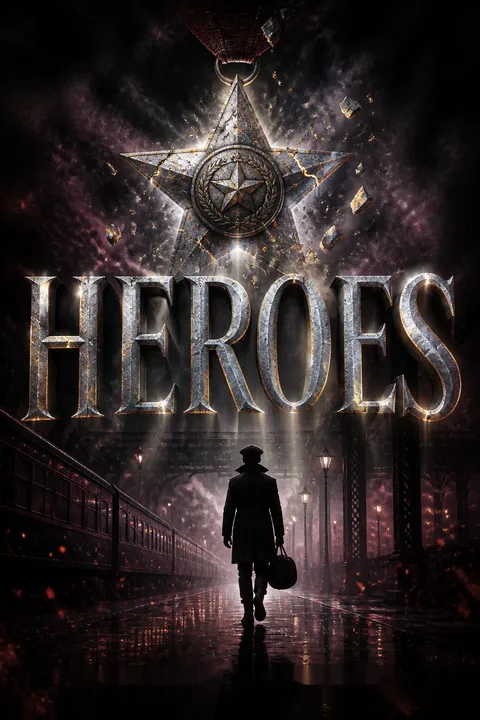
In the final scenes, Francis sits in a train station, reflecting on the meaning of heroism, the reality of war, and the possibility of redemption. He thinks of the other veterans, the true heroes who never received medals. He considers writing their stories, seeking purpose in bearing witness. The gun in his duffel bag is now a burden he chooses not to use. Francis picks up his bag and walks toward the exit, uncertain but resolved to try to live, to let go of the past, and to move forward into an unknown future.
Analysis
Cormier's "Heroes" is a searing exploration of trauma, guilt, and the ambiguity of heroism
The novel dismantles the comforting myths of war and valor, exposing the messy, painful realities beneath. Through Francis's journey, Cormier interrogates what it means to be a hero, suggesting that true courage often lies not in grand gestures but in survival, honesty, and the willingness to confront one's own failures. The story is also a powerful meditation on the long shadow of abuse and the corrosive effects of silence. Nicole's resilience and Francis's eventual choice to seek healing rather than revenge offer a glimmer of hope amid the darkness. In a modern context, "Heroes" resonates as a critique of toxic masculinity, the dangers of idolizing flawed leaders, and the necessity of empathy and self-forgiveness. Ultimately, the novel invites readers to question easy answers and to recognize the quiet heroism in endurance, compassion, and the search for truth.
Review Summary
Heroes by Robert Cormier receives mixed reviews (3.39/5). Many readers encountered it as required school reading, leading to polarized reactions. Supporters praise its exploration of heroism, guilt, and morality through protagonist Francis Cassavant's mission to kill his childhood hero Larry LaSalle after a traumatic betrayal. Critics find it slow-paced, anti-climactic, and depressing. Readers appreciate the complex characters and thought-provoking themes about what defines heroism, though some feel the ending disappoints. The book's darkness and lack of action frustrate students expecting thriller elements, while others value its emotional depth and nuanced examination of war, trauma, and revenge.
Characters
Francis Joseph Cassavant
Francis is the protagonist, a young man physically and emotionally scarred by war and trauma. His face destroyed by a grenade, he returns to Frenchtown hiding behind a scarf, consumed by guilt over his inaction during Nicole's assault and by the sense that his "heroism" is a lie. Francis's journey is one of self-examination, as he seeks vengeance against Larry LaSalle but ultimately confronts the limits of violence and the complexity of forgiveness. His relationships—with Nicole, with fellow veterans, and with his own memories—reveal a deeply sensitive, self-critical psyche. By the end, Francis's growth lies in his willingness to seek healing, accept ambiguity, and choose life over despair.
Nicole Renard
Nicole is the object of Francis's adolescent love and later the victim of Larry LaSalle's betrayal. Initially portrayed as graceful, talented, and somewhat mysterious, Nicole's trauma transforms her, making her more guarded and distant. Her relationship with Francis is marked by mutual longing, misunderstanding, and eventual forgiveness. Nicole's journey is one of survival and gradual healing; she refuses to be defined solely by her victimhood, seeking instead to reclaim her identity and future. Her final interaction with Francis is compassionate but resolute, signaling her determination to move forward on her own terms.
Larry LaSalle
Larry is both a hero and a villain—a talented, inspiring leader at the Wreck Center who brings out the best in the children of Frenchtown, but also a predator who abuses his power. His charm and energy mask a deep moral corruption. Larry's complexity lies in his ability to do genuine good while also committing unforgivable harm. In the end, he is a broken man, physically and spiritually, who seeks absolution but finds only self-destruction. His question—whether one sin erases all the good—haunts the narrative and challenges simplistic notions of heroism and evil.
Enrico Rucelli
Enrico is Francis's fellow patient in the hospital, a soldier who has lost his legs and an arm. His sharp wit and gallows humor provide both comfort and challenge to Francis. Enrico's own struggles with disability and despair mirror Francis's, and their friendship is a lifeline in the aftermath of war. Enrico's advice and perspective help Francis confront his own pain, though Enrico himself remains trapped by his losses.
Arthur Rivier
Arthur is a former local baseball star and war veteran who, beneath his jovial exterior, is deeply traumatized by his experiences. He voices the collective silence and fear of the returning soldiers, insisting that there are no real heroes—only survivors. Arthur's drunken confession to Francis is a pivotal moment, exposing the gap between public myth and private reality. He represents the ordinary men whose courage lies in endurance rather than glory.
Mrs. Belander
Mrs. Belander is Francis's landlady, a practical, suspicious, but ultimately kind woman. She provides Francis with shelter and occasional comfort, embodying the everyday resilience of Frenchtown's working-class community. Her interactions with Francis highlight his isolation but also the possibility of human connection, however fleeting.
Sister Mathilde
Sister Mathilde is a nun at St. Jude's and a figure from Francis and Nicole's childhood. She represents the moral and religious framework of their upbringing, offering prayers and gentle guidance. Her role in helping Francis locate Nicole underscores the importance of compassion and the limits of understanding in the face of trauma.
Joey LeBlanc
Joey is Francis's childhood friend, known for his humor and irreverence. He participates in the Wreck Center's activities and is present during key moments of Francis's adolescence. Joey's death in the war is a stark reminder of the cost of conflict and the loss of innocence that pervades the novel.
Uncle Louis
Uncle Louis takes Francis in after his parents' deaths, providing a stable if emotionally distant home. His quiet support and simple routines offer Francis a measure of security during his formative years. Uncle Louis's presence is a reminder of the quiet sacrifices made by those left behind.
The Old Strangler
The Old Strangler is the bartender at the St. Jude Club, a former wrestler who maintains a scrapbook of Frenchtown's war dead and heroes. He is a witness to the community's collective memory and trauma, offering both camaraderie and a sobering perspective on the realities of war and heroism.
Plot Devices
Nonlinear Narrative and Flashbacks
The novel's structure alternates between Francis's present-day return to Frenchtown and flashbacks to his childhood, the war, and the events leading up to Nicole's assault. This nonlinear approach reflects Francis's psychological fragmentation and the way trauma disrupts the continuity of memory. The gradual revelation of key events—especially the night at the Wreck Center—builds suspense and deepens the emotional impact, allowing readers to experience Francis's confusion, guilt, and eventual understanding alongside him.
Symbolism of Scars and Masks
Francis's mutilated face and his use of scarves and bandages symbolize the hidden emotional wounds carried by all the characters. The motif of masking—both literal and figurative—underscores themes of shame, identity, and the difficulty of confronting painful truths. The scars are not just reminders of violence but also of survival and the possibility of healing.
Irony of Heroism
The novel repeatedly questions the meaning of heroism, contrasting public accolades with private suffering. Francis's Silver Star is awarded for an act he considers cowardly, while Larry's status as a hero is undermined by his crime. The community's need for heroes is shown to be both comforting and dangerously simplistic, masking the complexity of real human experience.
Silence and Unspoken Trauma
The pervasive silence surrounding Nicole's assault, the war, and the characters' inner struggles is a powerful plot device. The inability or unwillingness to speak about trauma isolates individuals and perpetuates suffering. The novel suggests that breaking this silence—through confession, confrontation, or storytelling—is essential for healing.
Foreshadowing and Repetition
Repeated images, phrases, and events—such as Francis's prayers, the motif of the gun, and the recurring references to heroism—create a sense of inevitability and reinforce the novel's central themes. Foreshadowing builds tension and prepares the reader for the climactic confrontation between Francis and Larry.
Download PDF
Download EPUB
.epub digital book format is ideal for reading ebooks on phones, tablets, and e-readers.








































