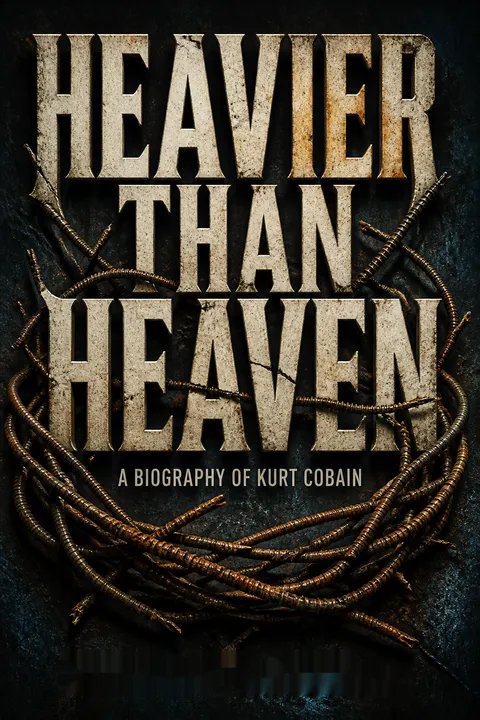

Key Takeaways
1. Childhood Trauma Forged a Tormented Soul
"To Kurt, it was an emotional holocaust—no other single event in his life had more of an effect on the shaping of his personality."
Early abandonment. Kurt Cobain's childhood was profoundly shaped by his parents' divorce when he was nine, an event he internalized as an "emotional holocaust." This early trauma led to feelings of abandonment and insecurity, manifesting in physical symptoms like malnutrition and an involuntary eye twitch. His aunt noted his early cries for attention, which later evolved into a deep-seated need for connection.
Dysfunctional home. His parents' constant arguments and his father's strict discipline, often involving physical thumps, pushed Kurt to retreat into confined spaces like his closet for sanctuary. Pranks like receiving coal for Christmas, rather than desired toys, further fueled his sense of being misunderstood and unloved. He began to write "I hate Mom, I hate Dad" on his bedroom wall, reflecting his inner turmoil.
Lasting impact. This fractured family dynamic instilled in Kurt a profound fear of scarcity—of money, attention, and most importantly, love—believing it could vanish quickly. The experience of being kicked out of his mother's home in his teens, after his father's remarriage, cemented a pattern of emotional withdrawal and a lifelong struggle with feelings of marginalization.
2. Art and Music: A Sanctuary and Identity
"His hopes were rewarded when Buzz and Dale asked him to jam with them in Olympia, at the closing night of a club called Gessco. Though only about twenty people witnessed the show—the poster had billed them as Brown Towel, but their name was supposed to be Brown Cow—the night would mark his debut performance in front of a paying audience."
Creative outlet. From a young age, Kurt displayed exceptional artistic skills, encouraged by his grandmother and art teachers. He drew realistic paintings, crafted crude pornography, and created cartoons like "Jimmy, the Prairie Belt Sausage Boy," using art as a means of storytelling and self-expression. Music also captivated him early, learning simple melodies by ear and pounding on a Mickey Mouse drum set.
Punk rock epiphany. His discovery of punk rock in 1983, particularly the Melvins, was a pivotal moment, providing him with a new identity and a sense of belonging. His guitar became an extension of himself, and he practiced relentlessly, dreaming of a music career. Despite being seen as a "runt" by some, his dedication to music was unwavering, even when it meant enduring the condescension of mentors like Buzz Osborne.
First performance. His debut public performance, though under an absurd band name and to a small, indifferent crowd in Raymond, was a significant step. It solidified his commitment to music as his path, despite the initial lack of recognition. This early experience, marked by both artistic intensity and audience apathy, foreshadowed the complex relationship he would have with his future fame.
3. The Paradox of Punk Ambition
"I’m going to be a superstar musician, kill myself, and go out in a flame of glory."
Dreams of stardom. As a teenager, Kurt openly fantasized about becoming a superstar musician and appearing on "Saturday Night Live." This ambition coexisted with his punk rock ideals, which often preached anti-commercialism and a rejection of mainstream success. He meticulously planned his career, writing ideas in his journals years before executing them.
Strategic pursuit. Despite publicly dismissing major labels and corporate magazines, Kurt actively sought a record deal, sending demos to various labels and even offering to pay for album production. He understood the power of hype and media, carefully crafting his persona and narratives for journalists, often exaggerating or fabricating details to fit his desired image. His "Kurdt Kobain" alter-ego was a key part of this strategy.
Conflicting desires. This dual nature—desiring fame while simultaneously disdaining it—was a constant source of internal conflict. He wanted the recognition and financial security that success offered, but also yearned for the authenticity and underground credibility of punk rock. This paradox would define his career, making him appear as an "unwilling victim of fame" even as he skillfully navigated the music industry.
4. Fame's Crushing Weight and Isolation
"By the beginning of 1992, the last thing he wanted to hear was how popular he was."
Overnight sensation. The release of Nevermind and the "Smells Like Teen Spirit" video propelled Nirvana to unprecedented fame, quickly topping charts and selling millions. This meteoric rise, however, deeply unnerved Kurt, who found himself bewildered by the sudden, overwhelming attention. He often expressed discomfort with his newfound celebrity, preferring to hide from the spotlight.
Loss of privacy. His fame brought constant scrutiny, turning his personal life into public fodder, as seen with the Vanity Fair article and subsequent social services investigation. He felt judged and exposed, leading to increased isolation and a sense of being trapped. Old friends noted his withdrawal, and he often complained about the "rat-hole" clubs and "frat boys" who now attended their shows.
Unwanted attention. Despite his earlier aspirations, the reality of being a global rock star was a burden. He struggled with the loss of anonymity, the constant demands for autographs, and the feeling that his every move was dissected. His famous quip, "I don't have a TV in the car I live in," reflected his deep-seated discomfort with the very popularity he had once craved.
5. Heroin: A Conscious Escape from Pain
"So I decided, if I feel like a junkie as it is, I may as well be one."
Chronic pain. For years, Kurt suffered from an "excruciating, burning, nauseous pain" in his stomach, which doctors struggled to diagnose or treat. This chronic physical torment, combined with deep emotional distress, pushed him to the brink of suicide. He sought relief in various substances, but none offered lasting comfort.
A deliberate choice. In late 1990, heartbroken over a breakup and desperate for relief, Kurt made a conscious "decision" to use heroin. He overcame his fear of needles, finding that the drug temporarily alleviated both his physical pain and emotional anguish. He initially promised to use it only occasionally, but this quickly escalated into a daily addiction.
Escalating addiction. Despite warnings from friends and bandmates about the dangers of heroin, Kurt's use spiraled, leading to multiple overdoses and near-death experiences. He rationalized his addiction, claiming he needed to "burn myself out of it" and that he was "still healthy." His journals, however, revealed a deep remorse and self-hatred, marked by desperate pleas for help and laments about his inability to stay sober.
6. Courtney Love: A Love Forged in Shared Scars
"It was, instead, the very fact that Courtney Love, like Kurt Cobain, had something to escape from."
Instant connection. Kurt and Courtney's relationship began with an immediate, intense sexual and emotional connection, marked by a playful wrestling match at their first meeting. They shared similar backgrounds of neglect, divorced parents, and struggles in school, creating a unique bond of mutual understanding. Courtney was the first person Kurt felt truly "knew the smell of the shit he'd crawled through."
Turbulent romance. Their courtship, conducted largely through faxes and phone calls while on tour, was a "whirling dervish of emotion," filled with both tenderness and volatile arguments. Courtney's strong personality and ambition matched Kurt's, and she became a peer and confidante, influencing his songwriting and challenging his passive-aggressive tendencies. Their shared addiction, however, also pulled them into a destructive spiral.
Mutual dependence. Despite external criticism and the disapproval of many in their circle, Kurt and Courtney found solace and understanding in each other. They were both ambitious artists, but their bond was rooted in a shared history of pain and a mutual desire for escape. This emotional dependence, while intense, also made it incredibly difficult for either to break free from their destructive patterns.
7. Fatherhood: Joy, Fear, and a Vow Unkept
"Holding my baby is the best drug in the world."
Pregnancy fears. The news of Courtney's pregnancy filled Kurt with both immense joy and profound fear, particularly due to his "flipper baby" drawings and their heroin use during conception. He wept with relief upon seeing Frances's healthy sonograms, which became a cherished obsession, and he named her Frances Bean Cobain.
Custody battle. The Vanity Fair article, alleging drug use during pregnancy, led to a social services investigation and a temporary loss of custody of Frances. This betrayal and the threat of losing his daughter intensified Kurt's despair, leading to a double suicide pact with Courtney and a near-fatal overdose in the hospital. He felt judged as a parent, a role he desperately wanted to excel in.
Unfulfilled promise. Despite his deep love for Frances and his vow to give her a better life than his own, Kurt struggled to maintain sobriety. He saw his daughter as "the best drug in the world" and a reason to live, yet his addiction proved too powerful. His inability to break free from drugs for her sake became a source of immense guilt and contributed to his ultimate despair.
8. The Divided Self: Myth-Making and Reality
"He was commencing the creation of his greatest character, the mythical 'Kurdt Kobain,' as he had begun to misspell his name."
Crafting a persona. Kurt meticulously constructed a public persona, the "mythical Kurdt Kobain," to navigate the complexities of fame and his own insecurities. He exaggerated stories—like living under the Young Street Bridge or trading guns for his first guitar—to create a compelling narrative that resonated with his audience and distanced him from his past.
Contradictory narratives. He often presented conflicting versions of himself to the media, claiming to hate fame while complaining about lack of video airplay, or denying drug use while actively addicted. This "divided self" allowed him to maintain a sense of control over his image, even as his private life spiraled. His sarcasm and wit were often used as defense mechanisms against perceived judgment.
Internal conflict. The gap between the "illiterate redneck cousin-fucking kid" he felt branded as and the "critically-acclaimed internationally-beloved teen idol" he became was a constant source of internal conflict. He yearned for authenticity but felt compelled to perform a role, leading to a profound sense of alienation from his own identity.
9. The Unending Quest for Acceptance
"I’m so tired of crying and dreaming, I’m soo soo alone. Isn’t there anyone out there? Please help me. HELP ME!"
Profound loneliness. Despite global adoration and a loving family, Kurt expressed a deep, pervasive loneliness in his journals. He yearned for genuine connection and acceptance, often feeling like an outsider even among his closest friends and fellow addicts. His pleas for friendship and understanding were heartbreakingly desperate.
Strained relationships. As his fame and drug use escalated, his relationships with old friends became strained, often due to his erratic behavior or Courtney's protective actions. He increasingly relied on employees and managers for advice and companionship, further isolating him from his past and creating a sense of transactional friendship.
Self-hatred. His quest for acceptance was constantly undermined by intense self-hatred, which he expressed through violent journal entries and self-deprecating humor. He felt "bad," "faulty," and "diseased," believing he didn't deserve the love or success he received. This internal torment made it difficult for him to truly connect with others, perpetuating his cycle of isolation.
10. A Tragic End to an Unbearable Pain
"He didn’t care about freedom from want: He wanted freedom from pain."
Escalating crisis. By early 1994, Kurt's addiction and mental health had reached a critical point, marked by increasing paranoia, delusions, and multiple suicide threats. His Rome overdose, though publicly downplayed, was a deliberate attempt to end his life, signaling a profound despair that drugs could no longer mask.
Failed interventions. Despite numerous interventions by family, friends, and managers, Kurt resisted sustained treatment, often fleeing rehab or immediately relapsing. He felt trapped by his career obligations and financial pressures, viewing sobriety as an impossible burden and death as the ultimate escape from his "psychic pain."
The final act. In his final days, Kurt retreated into isolation, purchasing a shotgun and meticulously planning his suicide. His note to "Boddah," his imaginary childhood friend, expressed his profound weariness, guilt, and fear for his daughter's future. He sought not freedom from want, but "freedom from pain," ending his life in the greenhouse of his Seattle home, a tragic culmination of years of torment.
Review Summary
Heavier Than Heaven receives generally positive reviews, averaging 4.12/5, with readers praising Charles R. Cross's extensive research, including 400 interviews conducted over four years. Many appreciate the thorough psychological portrait of Kurt Cobain, tracing his troubled childhood through Nirvana's meteoric rise. Common criticisms include the author's presumptuous depiction of Cobain's final moments, which many find unethical, and perceived bias due to Courtney Love's approval of the book. Despite these concerns, most Nirvana fans consider it essential reading, noting its humanizing portrayal of Cobain's struggles with addiction, fame, and mental health.
People Also Read




Download PDF
Download EPUB
.epub digital book format is ideal for reading ebooks on phones, tablets, and e-readers.








































