
Plot Summary
Death's Scented Beginnings
Mateo Montanne, sickly and desperate, wakes in an inn suffused with the scent of death, both literal and metaphorical. He's haunted by a voice—Willow, the ghost of a girl sacrificed in a botched shapeshifter ritual. Mateo's father, Tual, is determined to save him, even if it means monstrous acts. As their party prepares to leave, rumors of bodies and attacks on the road swirl, hinting at the dangers that follow them. Mateo's powers, once draining, now surge with unnatural energy, but at a terrible cost. He's caught between wanting to live and the monstrous hunger that now defines him, setting the stage for a journey where survival demands sacrifice.
Masks, Heists, and Hidden Truths
Noa, a performer fleeing her controlling father, joins Anwei and Altahn in a daring heist at Castor's temple, using deception and wit to access forbidden records. Their camaraderie masks deeper wounds—Anwei's desperate search for the shapeshifter who destroyed her family, and Altahn's quest for a legendary sword. The trio's banter and improvisation reveal their strengths and vulnerabilities, as they navigate a world where trust is scarce and every alliance is a calculated risk. The heist's success brings them closer to the truth about Tual Montanne, the shapeshifter, and the cursed sword, but also draws the attention of powerful enemies.
Veils, Oaths, and Old Wounds
Lia Seystone, a Devoted warrior, wears her veil and oaths like armor, but beneath them, she's fractured by loss and guilt. Her family destroyed, her sister kidnapped, Lia's faith in her goddess Calsta is both a source of power and a prison. She trains, fights, and clings to discipline, but her anger simmers, threatening to consume her. Knox, her childhood friend, awakens from a near-fatal wound, and their reunion is bittersweet—haunted by the past and the monstrous magic that now binds them all. Lia's journey is one of reclaiming agency, learning that love and rage can coexist, and that sometimes, survival means breaking the rules.
Ghosts, Swords, and Sacrifice
Knox, once a Devoted, is now haunted by Willow's ghost and bound to Anwei through a magical bond. The sword that killed Willow is both a curse and a key, its presence warping reality and threatening to consume Knox. Anwei, desperate to save him, risks everything—her magic, her heart, her very self. Their relationship is fraught with fear and longing, as they navigate the dangers of shapeshifter magic, the hunger of ghosts, and the demands of gods. The chapter explores the cost of love, the weight of sacrifice, and the thin line between healing and harm.
The Keep's Cursed Heart
Montanne Keep, a fortress built on blood and secrets, is both sanctuary and prison for Mateo. As Tual prepares for the arrival of enemies and allies alike, the keep's history of curses and generational deaths comes to the fore. Aria, Lia's kidnapped sister, is both a bargaining chip and a reminder of innocence lost. The keep's defenses—magical and mundane—are tested as old wounds reopen, and the true nature of Tual's power is revealed. Mateo's struggle with his monstrous inheritance intensifies, as he's forced to confront the cost of survival and the legacy of violence.
Schemes, Curses, and Caves
Anwei's infiltration of Castor's library uncovers the truth about Tual's estate—a cursed Basist stronghold, riddled with deadly defenses and haunted by the past. The group's plan to rescue Aria and steal the sword becomes a high-stakes gamble, as they weigh the risks of confronting Tual on his own ground. The curse's history, the nature of shapeshifter magic, and the web of betrayals that bind them all are laid bare. Anwei's resolve hardens, but so does her willingness to use others as tools, setting up a collision between vengeance and redemption.
Bonds, Betrayals, and Brokenness
The group's unity is tested as secrets, old wounds, and conflicting loyalties come to a head. Lia's rage boils over, Knox's health deteriorates, and Anwei's manipulations are exposed. The plan to kidnap Mateo as leverage against Tual is fraught with moral ambiguity, and the lines between friend and foe blur. Each character is forced to confront their own darkness—their capacity for violence, their hunger for love, and the betrayals that have shaped them. The chapter is a crucible, forging new bonds even as old ones shatter.
Pirate Battles and Poisoned Promises
The group's journey downriver is interrupted by a pirate attack, orchestrated by Noa's estranged father and the infamous Butcher. Explosions, betrayals, and desperate gambits ensue, as the group is scattered and forced to improvise. Noa's courage and quick thinking save lives, but the cost is high—Knox is gravely wounded, and the group's plans are thrown into chaos. The battle is both literal and symbolic, a test of loyalty and resourcefulness, and a turning point that propels the story toward its climax.
Monsters in the Blood
As the group regroups, the monstrous nature of shapeshifter magic becomes undeniable. Mateo, Knox, and Willow are caught in a web of hunger and possession, their identities blurring as the sword's curse deepens. Anwei's healing is both a gift and a danger, as she risks becoming the very thing she hates. The chapter explores the legacy of violence, the inheritance of trauma, and the question of whether monsters are born or made. Each character must decide what they're willing to sacrifice—and who they're willing to become—to save those they love.
City of Waiting, City of Lies
In Kingsol, the group is hunted by enemies old and new. Anwei's contacts prove unreliable, and Tual's influence is everywhere. The city's history of massacres, memory loss, and magical manipulation is revealed, tying the present crisis to centuries of violence. Noa's past catches up with her, and the group is forced to confront the limits of trust and the pervasiveness of lies. The city is both a maze and a mirror, reflecting the characters' fears and hopes as they prepare for the final confrontation.
Face Creams and Forgotten Towns
Anwei's search for allies leads her to a Beildan apothecary, where the truth about her family's fate and the massacre of her hometown is revealed. The trauma of memory, the cost of survival, and the legacy of violence are explored through the lens of forgotten towns and lost names. The chapter is a meditation on grief, identity, and the power of stories—both those we tell ourselves and those imposed by others.
Skirts with No Pockets
As the group scrambles to stay ahead of Tual and the Devoted, Noa's resourcefulness and humor become vital. The limitations of gender, class, and expectation are highlighted through small details—skirts with no pockets, the need to improvise with what's at hand. The chapter is a testament to resilience, the power of small acts of defiance, and the importance of finding joy even in the darkest moments.
The Butcher's Price
The group's alliance with the pirate Ellis, the Butcher, is both a necessity and a risk. Old debts, new bargains, and the price of survival are negotiated in the shadow of violence. Anwei's willingness to use others as tools is tested, and the group's unity is strained by conflicting goals. The chapter is a study in pragmatism, the cost of compromise, and the thin line between heroism and villainy.
Built for Slaughter and Survival
As the group navigates the cursed forest around Montanne Keep, the dangers of the land mirror the dangers within. Lia's rage threatens to consume her, and the monstrous nature of shapeshifter magic is ever-present. The chapter is a meditation on survival, the inheritance of violence, and the need to find new ways of being in a world built for slaughter.
The Worst Mistake
The group's plans unravel as betrayals—both intentional and accidental—come to a head. Anwei's choices have devastating consequences, and the cost of trust is laid bare. The chapter is a reckoning, forcing each character to confront the consequences of their actions and the limits of forgiveness.
Not One Part That Is True
Mateo is forced to confront the lies that have shaped his life—his father's manipulations, his own self-deceptions, and the monstrous inheritance of shapeshifter magic. The chapter is a meditation on truth, the power of stories, and the possibility of redemption. Mateo's struggle is both personal and universal, a reflection of the human need to be seen, known, and loved.
A Prize Bathtub
The group's attempt to escape Kingsol devolves into chaos, with explosions, betrayals, and desperate gambits. Noa's quick thinking and courage save lives, but the cost is high. The chapter is a testament to the power of improvisation, the importance of friendship, and the resilience of the human spirit.
The Yuzulfruit Supply Chain
As the group navigates the practicalities of survival—food, supplies, alliances—the mundane and the magical intertwine. The chapter is a meditation on the importance of small acts, the power of community, and the need to find meaning in the everyday.
Meaty Things in the Water
The group's journey through the waterways is fraught with danger, as magical creatures and the limits of their own power threaten to overwhelm them. The chapter is a meditation on vulnerability, the need for help, and the importance of humility in the face of forces beyond human control.
The Stone That Waits
The group uncovers the secrets of the Basist stronghold, the nature of the curse, and the true cost of shapeshifter magic. Sacrifices are made, both literal and metaphorical, as the weight of history bears down on the present. The chapter is a meditation on legacy, the need to confront the past, and the possibility of forging a new future.
Bells Are for Gods
As the group executes their final plan, distractions and diversions become weapons. The power of choice—who to trust, who to save, who to become—is foregrounded. The chapter is a testament to agency, the importance of intention, and the need to act even in the face of uncertainty.
What Devoted Do to Shapeshifters
The final confrontation with Tual Montanne is both epic and intimate, a battle of magic, wills, and hearts. Loss is inevitable, and the limits of vengeance are laid bare. The chapter is a meditation on grief, the cost of violence, and the need to find new ways of being in the aftermath of trauma.
Monsters Are the Ones Who Live
In the aftermath of the battle, the survivors are forced to reckon with what they've done, what they've become, and what they want to build. The chapter is a meditation on survival, the inheritance of violence, and the possibility of redemption. Monsters, it suggests, are not those who kill, but those who refuse to change.
A Bowl of Blueberries
As the group begins to heal and rebuild, the importance of small acts—sharing food, telling stories, making plans—is foregrounded. The chapter is a testament to resilience, the power of community, and the need to find meaning in the everyday.
What We Choose
In the final chapter, the survivors choose forgiveness, hope, and the possibility of a new future. Old wounds are acknowledged, but not allowed to define them. The story ends with a sense of possibility—a recognition that while the past cannot be changed, the future is still unwritten, and that what matters most is what we choose, together.
Analysis
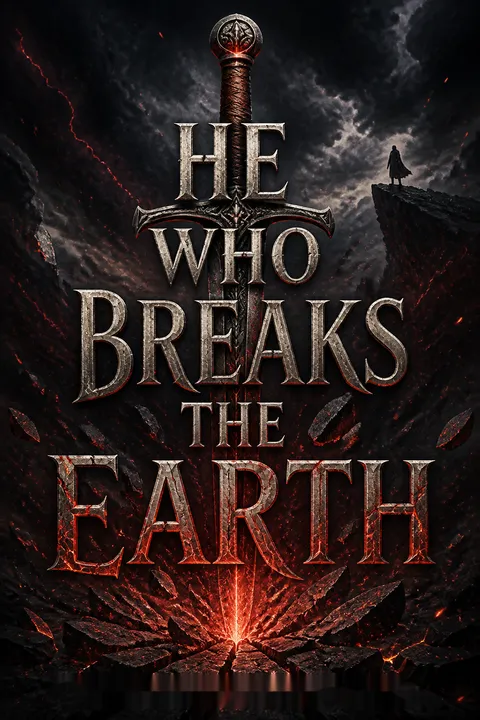
He Who Breaks the Earthis a sweeping, emotionally charged fantasy that interrogates the nature of power, the legacy of violence, and the possibility of redemption. At its core, the novel is about the cost of survival—what we're willing to sacrifice, who we're willing to become, and how we reckon with the monsters inside us. Through its complex web of characters, the story explores the dangers of unchecked power, the inheritance of trauma, and the need to break cycles of violence. The magical system—rooted in sacrifice, bonds, and the duality of healing and harm—serves as both metaphor and engine for the characters' journeys. The novel's structure, with its heists, betrayals, and shifting alliances, foregrounds agency and the importance of choice. Ultimately, the story suggests that while the past cannot be changed, the future is still unwritten, and that what matters most is what we choose—together. The lessons are clear: forgiveness is possible, hope is necessary, and the true measure of heroism is not in violence, but in the willingness to build something new from the ashes of the old.
Review Summary
He Who Breaks the Earth receives mixed reviews averaging 4.01 stars. Readers praise the character development, plot twists, and world-building featuring shapeshifters. Many found it gripping and emotionally powerful, with strong themes about revenge, forgiveness, and relationships. Common criticisms include slow pacing, excessive length, repetitive scenes, and periods of tedious build-up. Some felt frustrated with protagonist Anwei's decisions, while others appreciated her realistic flaws. Several reviewers recommend reading both books back-to-back for better continuity and understanding of the complex world.
People Also Read
Characters
Mateo Montanne (Arun Ruezi)
Mateo is the emotional and narrative heart of the story—a boy made monstrous by a botched shapeshifter ritual, haunted by the ghost Willow, and desperate to live. His relationship with his father, Tual, is both loving and toxic, defined by sacrifice and manipulation. Mateo's journey is one of self-discovery, as he confronts the lies that have shaped him, the violence he's inherited, and the possibility of redemption. His bond with Anwei, his forgotten twin, is both a source of pain and hope, and his longing for connection—especially with Lia—drives much of the plot. Mateo's arc is a meditation on the cost of survival, the legacy of trauma, and the possibility of choosing a different path.
Anwei Ruezi
Anwei is a complex, driven character—part healer, part thief, part goddess in disguise. Her quest for vengeance against Tual Montanne is fueled by the loss of her family and the erasure of her identity. Anwei's magic is both a gift and a curse, and her willingness to use others as tools is a source of both strength and danger. Her bond with Knox is transformative, forcing her to confront her own capacity for love, forgiveness, and change. Anwei's arc is one of moving from vengeance to healing, from isolation to community, and from self-destruction to self-acceptance.
Lia Seystone
Lia is defined by her struggle with faith, rage, and the legacy of violence. Her oaths to Calsta are both a source of power and a prison, and her journey is one of reclaiming agency in a world that seeks to define her. Lia's relationships—with her sister Aria, with Knox, with Mateo, and with Anwei—are fraught with love, betrayal, and the longing for connection. Her arc is a meditation on the cost of survival, the dangers of unchecked rage, and the possibility of building something new from the ashes of the past.
Knox
Knox is a Devoted whose life is defined by sacrifice—first for his sister Willow, then for Anwei, then for the group as a whole. Haunted by Willow's ghost and bound to Anwei through a magical bond, Knox's journey is one of learning to let go, to accept love, and to find meaning beyond duty. His struggle with the sword's curse, his fear of becoming a monster, and his longing for connection are central to the story's emotional arc. Knox's arc is a meditation on the cost of love, the dangers of self-sacrifice, and the need to choose life even in the face of death.
Tual Montanne
Tual is both villain and victim—a man who will do anything to save his son, even if it means becoming a monster. His love for Mateo is genuine, but warped by the legacy of violence and the hunger of shapeshifter magic. Tual's manipulation of memory, his willingness to sacrifice others, and his ultimate downfall are a meditation on the dangers of unchecked power, the cost of survival, and the limits of love.
Noa Russo
Noa is the group's light—a performer who uses humor, wit, and courage to mask her own wounds. Her journey is one of claiming agency, finding family beyond blood, and learning that she matters. Noa's resourcefulness, her ability to improvise, and her willingness to risk everything for her friends are central to the group's survival. Her arc is a testament to resilience, the power of small acts, and the importance of joy even in the darkest moments.
Altahn
Altahn is a Trib leader haunted by the loss of his father and the weight of expectation. His quest for Patenga's sword is both a search for meaning and a way to reclaim his clan's lost honor. Altahn's pragmatism, his willingness to adapt, and his growing affection for Noa are central to his arc. He is a study in the cost of leadership, the dangers of nostalgia, and the need to find new ways of being in a changing world.
Aria Seystone
Aria is both a victim and a symbol—the kidnapped sister whose fate drives much of the plot. Her innocence, her courage, and her longing for family are a reminder of what's at stake. Aria's arc is a meditation on the cost of violence, the importance of hope, and the need to fight for those who cannot fight for themselves.
Willow
Willow is both a literal ghost and a metaphor for the legacy of violence. Her hunger, her rage, and her longing for release drive much of the supernatural conflict. Willow's arc is a meditation on the dangers of unresolved trauma, the need for healing, and the possibility of letting go.
Abendiza
Abendiza is a survivor of the old world—a shapeshifter who has lived for centuries, haunted by the cost of her own power. Her willingness to help the group, her knowledge of magic, and her ultimate sacrifice are a meditation on the dangers of unchecked power, the possibility of redemption, and the need to break the cycle of violence.
Plot Devices
Duality of Magic and Sacrifice
The story's central plot device is the duality of magic—its power to heal and to harm, to save and to destroy. Shapeshifter magic, in particular, is defined by sacrifice—the need to kill the one you love most to gain power. This device is mirrored in the oaths of the Devoted, the bargains of the gods, and the personal sacrifices each character must make. The tension between healing and harm, love and violence, is the engine that drives the plot and the characters' development.
Unreliable Memory and Manipulation
Tual's manipulation of memory—both his own and others'—is a key plot device, used to control, protect, and deceive. The massacre of Belash Point, the erasure of Basist history, and the false memories implanted in Mateo and others are all examples of how memory can be both weapon and shield. This device is used to explore the dangers of denial, the cost of forgetting, and the need to confront the past.
Magical Bonds and Webs
The magical bonds between characters—Knox and Anwei, Mateo and Willow, Lia and her goddess—are both sources of strength and vulnerability. These bonds are literalized through magic, but also serve as metaphors for love, loyalty, and the dangers of codependence. The web of connections between characters is both a source of hope and a potential trap, as the story explores the need to balance self and other, agency and obligation.
Foreshadowing and Cyclical Violence
The story is structured around cycles—of violence, of sacrifice, of forgetting and remembering. The curse on Montanne Keep, the legacy of the shapeshifter wars, and the personal traumas of each character are all foreshadowed and echoed throughout the narrative. The use of prophecy, legend, and historical records as plot devices reinforces the sense that the past is never truly past, and that breaking the cycle requires conscious choice.
Heist and Infiltration Structure
The narrative is structured as a series of heists, infiltrations, and gambits—each requiring planning, deception, and improvisation. The group's attempts to rescue Aria, steal the sword, and confront Tual are all structured as high-stakes operations, with shifting alliances and constant reversals. This device foregrounds agency, the importance of intention, and the need to adapt in the face of uncertainty.
Download PDF
Download EPUB
.epub digital book format is ideal for reading ebooks on phones, tablets, and e-readers.








































