
Plot Summary
The Hunt's Invitation
Investigative journalist Mira Sullivan infiltrates Purgatory, Ravenwood Hollow's most exclusive club, determined to expose the criminal Blackwood family. She's offered a place in the Hollow's Hunt—a secret, annual event where women are hunted by masked men. The invitation is both a threat and a temptation, and Mira's curiosity and ambition override her fear. She signs a contract, not realizing the true cost: seventy-two hours as prey, with her freedom, safety, and even her body on the line. The stage is set for a collision between predator and prey, truth and desire.
Prey and Predator Meet
Mira's first real encounter with Xavier Blackwood is electric and dangerous. He's magnetic, ruthless, and immediately sees through her bartender disguise. Their chemistry is undeniable, but so is the threat he poses. Xavier is both fascinated and suspicious, recognizing Mira's intelligence and ambition. He toys with her, testing her boundaries, and she pushes back, determined to get closer to the truth. Their mutual attraction is laced with peril, and both sense that the other is playing a game with stakes neither fully understands.
Secrets Behind Velvet Ropes
Mira's investigation uncovers whispers of the Hunt and the Blackwoods' criminal empire. She learns that Purgatory is more than a club—it's a front for power, vice, and control. The Blackwood brothers—Xavier, Vane, Knox, and Landon—rule with a mix of charm and violence. Mira's best friend Cora, the mayor's daughter, is drawn into the web, raising the stakes. The club's opulence masks a labyrinth of secrets, and Mira realizes that exposing the truth will require risking everything, including her own safety and Cora's.
The Contract's True Cost
Mira signs an NDA and a contract that strips her of autonomy for the Hunt's duration. The legal language is chilling: she waives her rights, agrees to be hunted, and, if caught, to be claimed for up to a year. The contract is both shield and weapon, protecting the Blackwoods and binding the women. Mira's resolve wavers as she realizes the depth of her commitment. The contract is not just a legal document—it's a psychological tool, forcing her to confront her own desires and fears.
The Blackwood Brothers' Game
The Blackwood brothers are both allies and rivals, each with their own approach to business and pleasure. Xavier is the calculating leader, Vane the strategist, Knox the chaos agent, and Landon the quiet observer. Their dynamic is volatile, shaped by trauma and ambition. The Hunt is their tradition, a test of dominance and legacy. Mira becomes a pawn in their game, but also a catalyst, challenging their rules and threatening their unity. The brothers' loyalty is fierce, but so is their willingness to use anyone—including each other—to maintain control.
Undercover in Purgatory
Mira's undercover work is a delicate balance of observation and survival. She gathers evidence, sketches floor plans, and records conversations, but the club's security is airtight. The deeper she goes, the more she realizes how insulated the Blackwoods are from consequences. Her attraction to Xavier complicates her mission, blurring the line between hunter and hunted. Cora's involvement adds urgency, as Mira fears for her friend's safety. The investigation becomes personal, and Mira is forced to question her own motives and limits.
The Maze of Desire
The Hunt begins in a custom-built maze beneath Purgatory. The women are given a head start, then pursued by fifteen masked men. The maze is a masterpiece of psychological warfare—dead ends, shifting walls, and surveillance at every turn. Fear and anticipation mingle as the women run, hide, and are inevitably caught. The maze is both literal and metaphorical, representing the tangled desires and power dynamics at play. For Mira, every corridor is a test of will, and every encounter with Xavier pushes her closer to surrender.
Caught and Claimed
Xavier catches Mira in the maze, and the dynamic shifts from pursuit to possession. The rules of the Hunt are clear: the man who catches a woman claims her, with absolute authority for up to a year. Mira's resistance is both genuine and performative—she fights, but part of her craves the loss of control. Xavier is relentless, using both fear and pleasure to break down her defenses. Their encounter is raw, intense, and transformative, forcing Mira to confront the darkness within herself as much as in Xavier.
The Journalist's Dilemma
Mira's dual identity as journalist and prey becomes unsustainable. She's torn between her mission to expose the Blackwoods and her growing obsession with Xavier. The NDA and contract make publishing impossible, but the story is now personal. Mira's integrity is tested as she realizes that the truth is more complicated than she imagined. The Blackwoods are criminals, but also protectors of their own. Mira's desire for Xavier becomes a form of complicity, and she must decide what she's willing to sacrifice for love, justice, or survival.
The Mayor's Daughter
Cora, drawn into the Hunt by her own curiosity and privilege, becomes a target for revenge against her father, Mayor Pike. Three hunters claim her, using her as a weapon in their feud with the mayor. The public exposure of Cora's humiliation devastates both her and her father, shattering their relationship. Cora's journey mirrors Mira's—she is both victim and participant, forced to confront her own desires and the consequences of her choices. The Hunt's impact ripples through Ravenwood's elite, exposing the fragility of power and reputation.
The Hunt Begins
The Hunt's opening is a spectacle of control and chaos. The women scatter through the maze, each making alliances or going it alone. The hunters are both individuals and a collective force, their masks erasing identity and amplifying menace. The rules are simple but absolute: once caught, a woman is claimed. The psychological tension is as intense as the physical danger. For Mira, the Hunt is both nightmare and fantasy, a crucible that will either destroy her or reveal her true self.
Running from the Darkness
As Mira flees through the maze, she is pursued not just by Xavier but by her own desires. The fear of being caught is inseparable from the thrill of surrender. The maze becomes a stage for her transformation—from investigator to participant, from observer to object. Each encounter strips away another layer of resistance, until Mira is forced to admit that the darkness she fears is also what she craves. The Hunt is no longer just a story to expose, but an experience that changes her forever.
The Chains of Consent
Mira's capture leads to a series of escalating encounters—restraints, exhibition, and public claiming. The boundaries between consent and coercion blur, as the contract becomes both shield and weapon. Xavier uses pain and pleasure to break Mira's will, but also to reveal her capacity for surrender. The other women experience their own versions of this transformation, each negotiating the terms of their submission. The Hunt's rituals are both degrading and liberating, forcing everyone to confront the true meaning of power and desire.
The Power of Surrender
The dynamic between Mira and Xavier shifts as she moves from resistance to acceptance. Surrender becomes a source of strength, not weakness. Xavier, in turn, reveals his own vulnerability—his obsession with Mira, his fear of losing control, and his capacity for love. Their relationship becomes a negotiation of boundaries, trust, and mutual need. The Hunt's brutality gives way to moments of tenderness, and both must decide what they are willing to risk for each other.
The Orgy of Control
The Hunt culminates in a public orgy, where the women are displayed and used before an audience of Ravenwood's elite. The spectacle is both erotic and horrifying, a demonstration of absolute power and the collapse of social boundaries. For Mira, the experience is both humiliating and exhilarating—she is both object and subject, both watched and watcher. The orgy exposes the hypocrisy of the city's leaders, who condemn vice in public while indulging it in private. The event is a turning point, forcing Mira to choose between exposure and complicity.
The Aftermath of Capture
The Hunt's end leaves Mira and Cora grappling with guilt and shame. Cora's public humiliation devastates her relationship with her father, while Mira must reconcile her actions with her values. Both women are changed—no longer innocent, but not simply victims. The Blackwoods offer protection, but at a price. The aftermath is a time of reckoning, as everyone must decide what to keep, what to let go, and what to become.
The Price of Obsession
Xavier's obsession with Mira becomes both a source of strength and a liability. His willingness to break the rules for her threatens his position and his family's unity. Mira's loyalty is tested as she uncovers the full extent of the Blackwoods' crimes. The line between love and possession blurs, and both must confront the possibility of betrayal. The cost of obsession is high, and the consequences are irreversible.
The Monster's Confession
Xavier confesses his crimes to Mira—murder, drug dealing, and violence. The revelation is both a test and a turning point. Mira must decide whether to forgive him, to expose him, or to accept the darkness within herself. The confession is not just about guilt, but about the possibility of redemption. Both are forced to confront the monsters they have become, and to choose whether to embrace or reject the parts of themselves they fear most.
The Prey's Transformation
Mira's journey comes full circle as she moves from prey to partner. She reclaims agency, negotiating the terms of her relationship with Xavier and the Blackwoods. The other women find their own forms of empowerment, whether through submission, partnership, or escape. The Hunt's legacy is not just trauma, but transformation—a new understanding of power, desire, and selfhood. Mira is no longer just a journalist or a victim, but a woman who has chosen her own path, however dark.
The Year of Belonging
The story ends with Mira and Xavier entering into a year-long contract of belonging. The terms are both explicit and unspoken—love, loyalty, and mutual surrender. The other couples find their own forms of happiness or acceptance. The darkness that once threatened to consume Mira becomes a source of strength, and the love that began as obsession becomes a partnership. The Hunt is over, but its lessons endure: desire is dangerous, power is seductive, and true freedom comes from choosing one's own chains.
Analysis
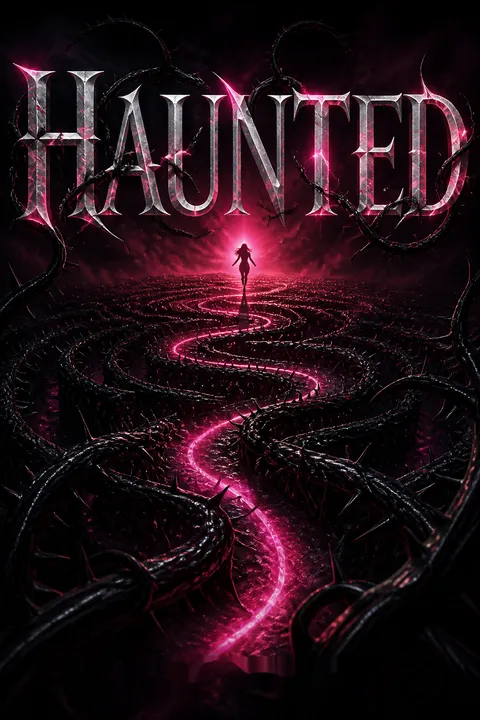
Haunted is a dark, provocative exploration of power, consent, and the human capacity for both cruelty and transformation. At its core, the novel interrogates the boundaries between victim and participant, love and obsession, freedom and surrender. Through the ritualized violence of the Hunt, the story exposes the hypocrisy of social elites who condemn vice in public while indulging it in private. The alternating perspectives of Mira and Xavier allow for a nuanced examination of psychological complexity—both are shaped by trauma, ambition, and a desperate need for connection. The contracts and public spectacles serve as both plot devices and metaphors for the ways in which society enforces and exploits consent. Ultimately, Haunted suggests that true freedom is not the absence of chains, but the ability to choose which chains to wear. The novel's ending, with Mira and Xavier entering into a year-long contract of belonging, is both a subversion and an embrace of the romance genre's conventions: love is not a rescue from darkness, but a partnership forged within it. The story's lessons are uncomfortable but resonant—desire is dangerous, power is seductive, and the only way out of the maze is through.
People Also Read
Characters
Mira Sullivan
Mira is a fiercely intelligent and ambitious journalist, driven by a need to expose corruption and protect the vulnerable. Her undercover work at Purgatory is both a professional mission and a personal quest for justice. Mira's psychological complexity is central—she is both hunter and hunted, both observer and participant. Her journey is one of self-discovery, as she confronts her own desires, fears, and capacity for surrender. Mira's relationship with Xavier is both a source of danger and transformation, forcing her to reconcile her values with her needs. By the end, she is no longer simply a victim or a crusader, but a woman who has chosen her own darkness and found strength in vulnerability.
Xavier Blackwood
Xavier is the eldest Blackwood brother and the mastermind behind Purgatory and the Hunt. He is defined by control, power, and a willingness to do whatever it takes to protect his family and empire. Xavier's psychological profile is marked by trauma, ambition, and a deep fear of vulnerability. His obsession with Mira is both a weakness and a revelation—she is the first person to challenge his authority and see the man beneath the mask. Xavier's journey is one of reckoning, as he confronts the consequences of his actions and the possibility of redemption. His love for Mira is both possessive and transformative, forcing him to choose between power and intimacy.
Cora Pike
Cora is Mira's best friend and the mayor's daughter, drawn into the Hunt by curiosity and loyalty. Her journey is one of humiliation, trauma, and eventual acceptance. Cora's public exposure devastates her relationship with her father, but also forces her to confront her own desires and agency. She is both victim and participant, both used and empowered. Cora's relationship with her hunters is complex—she is both a weapon in their feud with her father and a woman who finds unexpected strength in surrender. Her arc mirrors Mira's, highlighting the blurred lines between consent, complicity, and survival.
Knox Blackwood
Knox is the youngest Blackwood brother, known for his reckless energy and unpredictable behavior. He is both a source of comic relief and genuine danger, using humor to mask his own trauma and insecurity. Knox's approach to the Hunt is more playful but no less ruthless. His relationship with Bianca reveals a capacity for tenderness beneath the bravado. Knox's development is about learning to balance chaos with care, and to find meaning beyond the thrill of the game.
Vane Blackwood
Vane is the second Blackwood brother, defined by his intelligence, ambition, and willingness to use anyone to achieve his goals. He is the architect of many of the family's schemes, and his approach to the Hunt is methodical and cruel. Vane's relationship with Lia is a study in power dynamics—he breaks her down to rebuild her in his image. Vane's arc is about the limits of control and the possibility of connection, even for those who fear it most.
Landon Blackwood
Landon is the quietest and most enigmatic Blackwood brother. He is a master of psychological manipulation, preferring subtlety to brute force. Landon's relationship with Sadie is both disturbing and fascinating—he breaks her down with surgical precision, but also creates a partnership based on mutual intelligence. Landon's development is about the dangers of detachment and the need for genuine connection.
Bianca Hayes
Bianca is an artist commissioned to create work for Purgatory, drawn into the Hunt by Knox's machinations. She is both resistant and responsive, using her creativity to navigate the dangers of the maze. Bianca's relationship with Knox is a dance of chaos and order, and her arc is about finding agency within submission.
Sadie Reynolds
Sadie is a cybersecurity consultant who becomes Landon's prey. She is defined by intelligence, caution, and a desire for control. Sadie's journey is one of adaptation—she learns to survive Landon's psychological games and eventually becomes his partner in both business and pleasure. Her arc is about the power of intelligence and the possibility of transformation.
Lia
Lia is a woman who enters the Hunt by choice, seeking danger and excitement. She is both a challenge and a prize for Vane, and their relationship is a study in mutual manipulation. Lia's arc is about the thrill of risk and the cost of surrender.
Elliot Chambers
Elliot is a respected art dealer who becomes Julian's prey during the Hunt. His journey is one of revelation—he discovers a side of himself he never acknowledged, and his relationship with Julian is both humiliating and liberating. Elliot's arc is about the freedom found in submission and the courage to embrace one's true self.
Plot Devices
The Hunt and the Maze
The Hunt is the central plot device—a seventy-two-hour event where women are hunted by masked men through a custom-built maze. The maze is both literal and symbolic, representing the psychological labyrinth of desire, fear, and control. The rules are absolute, enforced by contracts and surveillance. The Hunt is a crucible that strips away pretense, forcing both prey and predator to confront their true selves. The maze's shifting walls and hidden traps mirror the shifting boundaries of consent, complicity, and surrender.
The Contract and NDA
The contract is more than a plot device—it is a character in its own right. Its language is absolute, stripping the women of autonomy and binding them to the Blackwoods' will. The NDA enforces silence, making exposure impossible and complicity inevitable. The contract is both shield and weapon, protecting the Blackwoods and forcing the women to confront their own desires and limits. It is a tool of control, but also a catalyst for transformation.
Dual Narration and Perspective Shifts
The story alternates between Mira and Xavier's perspectives, allowing readers to experience both the prey's fear and the predator's obsession. This dual narration creates dramatic irony, as each character's motives and vulnerabilities are revealed to the reader but hidden from each other. The perspective shifts also allow for exploration of psychological themes—power, vulnerability, and the blurred line between love and possession.
Public Spectacle and Voyeurism
The public orgy and the display of the women before Ravenwood's elite serve as both plot device and thematic exploration. The spectacle is a demonstration of absolute power, but also a stage for the women's transformation. Being watched is both degrading and exhilarating, forcing the characters to confront their own desires and the hypocrisy of those who judge them. The voyeurism is not just sexual, but social and political, exposing the city's hidden vices.
Psychological Manipulation and Power Play
The story is driven by psychological games—manipulation, seduction, and the negotiation of consent. The Blackwoods use fear, pleasure, and legal contracts to break down resistance, but the women also find ways to reclaim agency within submission. The power dynamics are constantly shifting, and the true victory is not in domination, but in the willingness to be vulnerable and to choose one's own chains.
Download PDF
Download EPUB
.epub digital book format is ideal for reading ebooks on phones, tablets, and e-readers.








































