
Plot Summary
Mistaken Assignments, Hidden Truths
Guo Changcheng, a gentle and anxious young man, returns home for the holidays, only to discover his family has misunderstood his job. They believe he works a safe government post, not realizing he's part of the dangerous, supernatural Special Investigations Department (SID) under Director Zhao Yunlan. This revelation stirs confusion and concern, but for Guo, the SID has become a found family: a place where he finally belongs, despite the strangeness and peril. Meanwhile, Zhao Yunlan, the enigmatic and sharp-tongued leader, struggles with headaches and haunting dreams of ancient catastrophes, hinting at a deeper, mystical connection to the world's fate. The chapter sets the tone for a story where the mundane and the supernatural collide, and where every character is more than they seem.
Lovers' Reunion, Ancient Memories
Zhao Yunlan and Shen Wei's relationship deepens, blending playful banter with profound vulnerability. Their physical closeness is juxtaposed with the weight of ancient memories—visions of gods, dragons, and the fall of Buzhou Mountain. Zhao's dreams and questions reveal his struggle to reconcile his present self with the echoes of Kunlun-jun, the Mountain God. Shen Wei, ever gentle yet burdened, confesses his love and gratitude, recalling their first meeting and the bittersweetness of their shared history. The chapter explores the tension between destiny and choice, love and sacrifice, as both men grapple with the consequences of their immortal pasts and the fragile happiness they've found in the present.
Family Ties, Divine Intrusions
Zhao Yunlan's attempt to introduce Shen Wei to his parents is disrupted by the revelation that his father is sometimes possessed by Shennong's ancient mortar spirit. This immortal presence, masquerading as his father, has manipulated events behind the scenes, including Guo Changcheng's assignment to the SID. Zhao confronts the spirit, demanding answers about his own past and the authenticity of the memories shown to him by the Great Divine Tree. The encounter is tense, blending familial awkwardness with cosmic stakes, as Zhao realizes the depth of the divine machinations shaping his life. The chapter underscores the theme of inherited burdens and the struggle to assert agency in a world governed by ancient contracts and supernatural politics.
Blood Oaths and Bitter Medicine
After a heated argument, Zhao Yunlan discovers Shen Wei has been secretly sustaining him with his own heart's blood, brewed into medicine to counteract the spiritual depletion caused by their closeness. Shen Wei's actions are both an act of love and a desperate attempt to protect Zhao from the fatal consequences of their bond. The revelation devastates Zhao, who is torn between gratitude, anger, and helplessness. He storms out, unable to accept a love that demands such self-destruction. This chapter lays bare the agony of loving across boundaries—of mortality, divinity, and fate—and the impossibility of simple solutions when every choice carries the weight of millennia.
Ghost City's Deadly Secrets
A new case draws the SID into the depths of Ghost City, a liminal realm where the dead linger and the living are prey. Zhao Yunlan, Zhu Hong, and Daqing trace the origins of a mysterious book, only to find themselves ensnared by the city's ravenous ghosts. The journey is fraught with danger, as ancient rules and resentments surface. The group's survival depends on quick thinking, supernatural tools, and the timely intervention of Shen Wei, whose true identity as the Soul-Executing Emissary is revealed. The chapter is a harrowing exploration of the thin line between life and death, and the lengths to which the living—and the dead—will go to protect what they love.
The Book That Shouldn't Exist
Zhao Yunlan uncovers a temporal loop involving the mysterious "Record of Ancient Secrets," a book he himself purchased in the past, setting off a chain of events that shape the present. The investigation leads him through layers of reality and memory, forcing him to confront the possibility that fate is a cycle, not a line. The chapter weaves together themes of predestination, free will, and the power of small choices, as Zhao realizes that even the most trivial actions can echo across lifetimes. The book becomes a symbol of the inescapable cycles that bind gods and mortals alike.
Choices Between Life and Death
Haunted by visions and revelations, Zhao Yunlan is forced to choose between embracing his divine heritage or clinging to his mortal life with Shen Wei. The Netherworld's machinations, the threat of the Great Seal's collapse, and the demands of ancient contracts converge, leaving Zhao and Shen Wei at a crossroads. Shen Wei, tormented by guilt and longing, tries to push Zhao away to save him, but Zhao refuses to abandon the man he loves. Their confrontation is raw and honest, culminating in a vow to face whatever comes—together or apart. The chapter crystallizes the novel's central dilemma: can love survive the demands of duty, destiny, and death?
The Past Repeats, The Future Unfolds
Through visions and storytelling, the ancient history of Kunlun-jun and the King of the Gui is revealed: their unlikely friendship, the birth of the gui, the wars of gods and demons, and the creation of the Reincarnation Cycle. The narrative blurs the boundaries between past and present, showing how the choices of gods ripple through time to shape the lives of mortals. Zhao Yunlan's journey through memory is both a personal reckoning and a cosmic one, as he comes to understand the true nature of fate, sacrifice, and the endless struggle for meaning in a world where nothing is eternal.
The Great Seal's Fracture
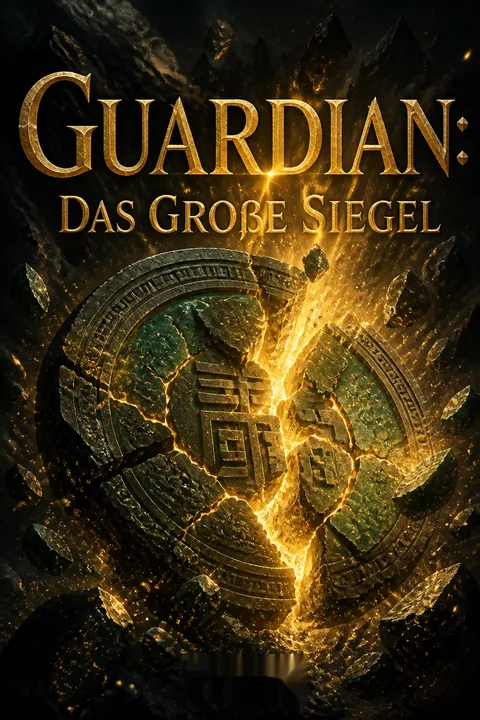
The weakening of the Great Seal unleashes Chaos into the world, threatening to consume both the Mortal Realm and the Netherworld. Ghost Face, the other King of the Gui, seizes the opportunity to challenge Shen Wei and the SID, setting off a cataclysmic battle that draws in gods, immortals, and mortals alike. Loyalties are tested, sacrifices are made, and the true cost of power is revealed. The chapter is a crescendo of action and emotion, as every character is forced to confront their deepest fears and desires in the face of annihilation.
Chaos Unleashed, Loyalties Tested
As the battle rages, Shen Wei is captured and tortured by Ghost Face, who seeks to consume his power and break the Seal once and for all. The SID is scattered, each member facing their own trials and doubts. Zhao Yunlan, stripped of his divine abilities, must rely on courage, wit, and the strength of his bonds to survive. The chapter explores the fragility of trust, the pain of betrayal, and the resilience of hope, even when all seems lost. In the crucible of crisis, true character is revealed, and the seeds of redemption are sown.
Sacrifice, Betrayal, and Reunion
In the aftermath of the battle, the survivors must reckon with the consequences of their actions. Shen Wei, believing he must die to save the world, prepares to sacrifice himself, but Zhao Yunlan refuses to let him go. Through a combination of cunning, love, and the intervention of allies, the cycle of sacrifice is broken, and the two are reunited. The chapter is a meditation on the meaning of selfhood, the possibility of forgiveness, and the power of love to transcend even the most ancient of curses.
The Soul-Guarding Lamp Ignites
The Soul-Guarding Lamp, long dormant, is finally reignited—not by divine blood, but by the accumulated merits of Guo Changcheng, the humble intern whose kindness and selflessness have made him the true heart of the Order. The lamp's light restores balance, seals the Four Pillars, and ushers in a new era. The chapter celebrates the quiet heroism of ordinary people, the redemptive power of compassion, and the idea that greatness is found not in grand gestures, but in everyday acts of goodness.
The Cycle of Reincarnation
With the world saved and the ancient cycles completed, the characters are left to pick up the pieces and find meaning in the aftermath. Some depart, some return, and some—like Zhao Yunlan and Shen Wei—choose to build a life together, embracing both their mortal limitations and their immortal memories. The chapter is a gentle coda, emphasizing healing, growth, and the acceptance of impermanence. The cycle of reincarnation is not a prison, but a promise: that every ending is also a beginning.
The Price of Immortality
In the quiet that follows, the characters reflect on what has been gained and lost. The cost of immortality is revealed to be not just endless life, but the burden of memory, regret, and the inability to truly belong. Through conversations, farewells, and small acts of kindness, the survivors find peace in the knowledge that to be human is to struggle, to love, and to let go. The chapter is a meditation on the limits of power and the beauty of ordinary life.
The World Remade, The Heart Remains
The story closes with the world restored, the SID moving to a new home, and the characters settling into the rhythms of daily life. Zhao Yunlan and Shen Wei, at last free from the chains of fate, choose each other again—not as gods or martyrs, but as partners. The lamp burns on, the cycle continues, and the heart of the story endures: that love, in all its forms, is the force that guards the soul and remakes the world.
Analysis
Guardian: Zhen Hun Vol. 3 is a sweeping meditation on love, fate, and the struggle for meaning in a world shaped by ancient cycles and cosmic forces. At its heart, the novel asks what it means to be human: is it the capacity for suffering, the ability to choose, or the willingness to love despite inevitable loss? Through its intricate plot and deeply drawn characters, the story explores the tension between destiny and agency, the pain of memory and the hope of renewal. The use of reincarnation and cyclical fate serves as both a narrative engine and a philosophical inquiry, challenging readers to consider whether true freedom lies in breaking the cycle or embracing it. The novel's greatest insight is that salvation is found not in grand heroics, but in everyday acts of kindness, humility, and connection. In the end, Guardian is a celebration of the ordinary: the quiet heroism of Guo Changcheng, the stubborn love of Zhao Yunlan and Shen Wei, and the enduring power of compassion to remake the world. Its lesson is simple but profound: to guard the soul is to choose love, again and again, in the face of chaos.
Review Summary
Guardian by Priest receives an overall rating of 4.12/5 stars. Readers praise the epic love story spanning 10,000 years between Shen Wei and Zhao Yunlan, with many highlighting the compelling side characters, especially Guo Changcheng, Chu Shuzhi, and Daqing the cat. Common criticisms include confusing mythology and lore, excessive info-dumping, and a rushed, anticlimactic ending in volume three. The villain Ghost Face disappointed many readers. While volumes one and two received stronger praise, the complex plot and heavy Chinese mythology made the final volume difficult to follow, though the romantic elements and character dynamics remained engaging throughout.
Characters
Zhao Yunlan / Kunlun-jun
Zhao Yunlan is the charismatic, sharp-tongued director of the SID, but beneath his irreverent exterior lies the soul of Kunlun-jun, the ancient Mountain God. His journey is one of self-discovery, as he grapples with the weight of countless past lives, the expectations of gods and mortals, and the demands of love. His relationship with Shen Wei is the emotional core of the story, blending humor, vulnerability, and fierce loyalty. Zhao's greatest strength is his refusal to be defined by fate; he chooses compassion, agency, and connection, even when it means defying the gods themselves. His arc is one of reconciliation—between past and present, power and humility, duty and desire.
Shen Wei / Soul-Executing Emissary
Shen Wei is both the Soul-Executing Emissary and the King of the Gui, a being born of Chaos and shaped by love. His outward calm masks a deep well of guilt, longing, and self-loathing, as he struggles to suppress his innate darkness and live up to the ideals instilled by Kunlun-jun. His love for Zhao Yunlan is unwavering, but it is also the source of his greatest pain, as he believes himself unworthy and dangerous. Shen Wei's arc is one of redemption and acceptance: learning to forgive himself, to trust in love, and to find peace in the knowledge that even the most monstrous can be saved.
Guo Changcheng
Guo Changcheng is the unassuming intern whose kindness, humility, and perseverance make him the soul of the SID. Orphaned and overlooked, he finds purpose in helping others, accumulating merits not for reward, but out of genuine compassion. Unbeknownst to him, he is the reincarnation of the Soul-Guarding Lamp's wick, the linchpin of the world's salvation. Guo's journey is one of quiet heroism: he saves the world not through grand gestures, but through everyday goodness. His presence is a reminder that greatness often wears the face of humility.
Daqing
Daqing is the fat, talking black cat who serves as both mascot and sage. With thousands of years of experience, he is a font of supernatural knowledge and dry humor. His relationship with Zhao Yunlan is that of a grumpy mentor and exasperated parent, but beneath the banter lies deep loyalty. Daqing's arc is one of reluctant involvement: he prefers naps and snacks, but when the world is at stake, he rises to the occasion, proving that even the laziest can be heroes.
Zhu Hong
Zhu Hong is a half-human, half-snake yao whose strength and determination are matched only by her vulnerability. Her unrequited love for Zhao Yunlan is a source of pain, but she channels it into fierce loyalty and self-sacrifice. Zhu Hong's arc is one of growth: learning to let go, to value herself, and to find her own path. She is both a warrior and a caretaker, embodying the story's theme that love takes many forms.
Chu Shuzhi
Chu Shuzhi is a necromancer serving out a sentence in the SID, haunted by his past crimes and struggling to find meaning in a world that fears him. His gruff exterior hides a deep sense of responsibility, especially toward Guo Changcheng, whom he mentors with a mix of exasperation and affection. Chu's arc is one of atonement: he learns that redemption is possible, not through grand gestures, but through small acts of kindness and loyalty.
Lin Jing
Lin Jing is a Buddhist monk with a penchant for breaking the rules and making trouble. His irreverence masks a deep commitment to his friends and a willingness to face danger head-on. Lin Jing's arc is one of self-acceptance: he learns to balance his rebellious spirit with the responsibilities of power, and to find joy in the chaos of life.
Ghost Face / Chaos King of the Gui
Ghost Face is Shen Wei's twin and the other King of the Gui, a being consumed by envy, bitterness, and the desire for recognition. His actions drive much of the story's conflict, as he seeks to break the Seal and claim power for himself. Yet beneath his villainy lies a profound loneliness and a longing for connection. Ghost Face's arc is a cautionary tale: the dangers of unchecked resentment, the tragedy of being unloved, and the possibility of redemption—even for the lost.
Shennong's Mortar
The spirit of Shennong's medicine mortar inhabits Zhao Yunlan's father, serving as both protector and meddler. Tasked with overseeing the fulfillment of ancient oaths, the mortar is both a guide and a trickster, nudging events toward their destined conclusion. His arc is one of reluctant involvement: he is bound by duty, but not without compassion, and ultimately chooses to honor the humanity of those he watches over.
Wang Zheng
Wang Zheng is a ghost who serves as the SID's HR specialist and emotional anchor. Her kindness, patience, and quiet strength make her indispensable, both in life and after death. Wang Zheng's arc is one of healing: she helps others find peace, even as she seeks her own, and embodies the story's belief in the enduring power of love and memory.
Plot Devices
Reincarnation and Cyclical Fate
The narrative is structured around the concept of reincarnation, with characters living, dying, and being reborn across millennia. This cyclical structure is mirrored in the plot, as events repeat, echo, and resolve in unexpected ways. The use of temporal loops, pocket dimensions, and self-fulfilling prophecies blurs the line between past and present, fate and free will. The story's central question—can one break free from the cycles of destiny?—is explored through both grand mythological events and intimate personal choices.
Duality and Mirrors
The motif of duality runs throughout the novel: Shen Wei and Ghost Face as twin Kings of the Gui; Zhao Yunlan as both mortal and god; the SID as both a family and a collection of outcasts. Mirrors, reflections, and doubles are used to explore the complexity of identity, the possibility of change, and the danger of unchecked resentment. The plot frequently uses mistaken identity, possession, and parallel worlds to challenge characters' understanding of themselves and each other.
Sacrifice and Redemption
Sacrifice is a recurring theme, both literal and metaphorical. Characters are repeatedly asked to give up what they love for the greater good, to atone for past mistakes, and to find meaning in suffering. The plot uses acts of self-sacrifice—Shen Wei's blood, Zhao Yunlan's choices, Guo Changcheng's kindness—as catalysts for transformation and healing. Redemption is never easy or guaranteed, but it is always possible.
Foreshadowing and Nonlinear Storytelling
The novel employs nonlinear storytelling, with frequent flashbacks, visions, and stories-within-stories. Information is revealed gradually, often through unreliable narrators or manipulated memories. Foreshadowing is used to build suspense and deepen emotional resonance, as characters and readers alike piece together the true nature of the world and their place within it.
Symbolic Artifacts and Rituals
The Four Hallowed Artifacts—the Soul-Guarding Lamp, Reincarnation Dial, Merit Brush, and Mountain-River Awl—are more than magical tools; they are embodiments of the world's structure and the characters' inner journeys. Rituals, oaths, and contracts serve as both plot devices and metaphors for the bonds that tie people together, for better or worse.
Download PDF
Download EPUB
.epub digital book format is ideal for reading ebooks on phones, tablets, and e-readers.








































