
Plot Summary
New Coach, New Tensions
Jonah Kingston, a former pro hockey player with a checkered past, takes over as head coach at Chicago Prep, a prestigious all-male hockey academy. He's immediately confronted with a team in transition—half the varsity are incoming freshmen, and the star player, Damon Grant, is a cocky, openly gay senior with a cult-like following. Jonah's own insecurities and recent fall from grace make him wary, but he's determined to whip the team into shape. Damon, meanwhile, sizes up the new coach as both a threat and an irresistible challenge, setting the stage for a season charged with tension, ambition, and unspoken attraction.
Locker Room Power Plays
Damon's leadership is clear as he commands the locker room, using humor and intimidation to keep teammates in line. He's unapologetically himself, openly gay and unafraid to call out slurs or challenge anyone who crosses him. The arrival of Jonah only intensifies Damon's need to prove himself, both as a player and as a man. Their first encounters are laced with sarcasm, sexual tension, and mutual provocation. Damon's dynamic with his best friend Hall—who's secretly involved with him—adds another layer of complexity, as the lines between friendship, rivalry, and desire blur.
Lines Crossed, Boundaries Blurred
The simmering attraction between Damon and Jonah boils over in a series of charged encounters. Damon's brazen sexuality and Jonah's struggle with his own desires lead to moments of boundary-pushing—locker room trysts, suggestive banter, and a growing inability to separate professional from personal. Jonah's attempts to maintain authority are undermined by his fascination with Damon, while Damon's provocations become increasingly targeted. The team's culture of secrecy and bravado masks deeper vulnerabilities, as both men wrestle with what they want and what they're willing to risk.
Rivalries and Secret Trysts
Damon's relationship with Hall becomes strained as their sexual encounters are complicated by Hall's denial and Damon's fixation on Jonah. The team's camaraderie is tested by jealousy, competition, and the ever-present threat of exposure. Off the ice, Damon seeks validation through risky hookups, while Jonah grapples with his own loneliness and the ghosts of his past. Their clandestine encounters escalate, each one pushing them closer to a line neither is sure they should cross. The tension between public persona and private longing becomes almost unbearable.
Testing Limits On and Off Ice
Jonah's efforts to instill discipline are met with resistance, especially from Damon, whose rebellious streak is both a challenge and a lure. The team's antics—drinking, hazing, and sexual bravado—come under scrutiny as Jonah tries to enforce rules and maintain order. Damon's provocations become more pointed, testing Jonah's resolve and the boundaries of coach-player relationships. The threat of scandal hangs over them, as rumors swirl and the risk of discovery grows. Both men are forced to confront the consequences of their actions, on the ice and in the shadows.
Unraveling Friendships
The fallout from Damon and Hall's fractured friendship reverberates through the team. Hall's feelings for Damon, once hidden behind bravado and denial, erupt in jealousy and anger. Damon, meanwhile, is torn between his loyalty to Hall and his obsession with Jonah. The team's unity begins to unravel as secrets come to light and alliances shift. Jonah, struggling with his own demons, finds himself increasingly isolated, unable to confide in anyone about the turmoil within and around him. The emotional stakes rise as trust is broken and hearts are bruised.
Temptation and Consequence
A video surfaces of Damon at a frat party, fueling rumors and putting the team's reputation at risk. Jonah is forced to confront the reality of his position—any misstep could cost him his job and future. Damon's recklessness, both sexual and emotional, brings him to the brink of self-destruction. The administration's response is swift and severe: drug tests, suspensions, and the threat of expulsion. The pressure mounts as Damon and Jonah's relationship teeters on the edge of exposure, and the cost of their desires becomes painfully clear.
The Plan to Destroy
In the wake of scandal, Damon and Hall hatch a plan to bring Jonah down, fueled by resentment and a desire for control. Their scheme—to seduce and expose Jonah—reflects the toxic mix of hurt, pride, and longing that defines their dynamic. But as Damon's feelings for Jonah deepen, the plan becomes a source of guilt and confusion. Jonah, sensing the shifting tides, struggles to maintain his integrity while battling his own attraction. The line between victim and perpetrator blurs, as both men are caught in a web of manipulation and self-sabotage.
Lines of Loyalty
Jonah's complicated relationship with his brother Finn—himself a hockey star—mirrors the rivalries and betrayals on the team. Damon's strained relationship with his parents, who value hockey over his academic ambitions, adds another layer of pressure. The team's sense of brotherhood is tested by secrets, lies, and the demands of loyalty. As the season progresses, the characters are forced to choose between what's expected of them and what they truly want. The cost of loyalty—to family, to team, to self—becomes a central question, with no easy answers.
Scandal and Fallout
The consequences of Damon and Jonah's actions come to a head as their relationship is exposed. The fallout is swift and brutal: Jonah is fired, Damon is ostracized, and the team is thrown into chaos. The administration's need to protect the school's reputation trumps any sense of justice or compassion. Damon's world collapses as he loses his place on the team, his friendship with Hall, and his sense of self. Jonah, forced to confront the wreckage of his career and personal life, must decide whether to fight for redemption or walk away.
Breaking Points
The death of a teammate from an overdose shatters the team, forcing everyone to confront the consequences of their actions and the fragility of life. Damon is consumed by guilt and grief, questioning his role in the tragedy and his worth as a leader and friend. Jonah, adrift and alone, spirals into self-doubt and despair. Both men reach their breaking points, forced to reckon with the pain they've caused and the pain they carry. The possibility of healing seems distant, as the weight of loss threatens to crush them.
Redemption and Reunion
Time and distance offer perspective, as Jonah starts over in a new city and Damon confronts the emptiness of his life without hockey or love. Both men are haunted by what they've lost and what they still long for. A chance encounter—orchestrated by fate and stubborn hope—brings them face to face, forcing them to confront the truth of their feelings and the mistakes they've made. Forgiveness is hard-won, but the possibility of redemption glimmers on the horizon. They must decide if love is worth the risk, and if they can build something lasting from the ashes of their past.
Love on Thin Ice
Reunited, Damon and Jonah navigate the fragile terrain of trust and vulnerability. Their love, once forbidden and fraught with danger, becomes a source of strength and healing. They learn to communicate, to forgive, and to let go of the pain that once defined them. The challenges of their past—family expectations, team politics, personal demons—don't disappear, but together they find the courage to face them. Their relationship, forged in adversity, becomes a testament to the power of honesty, acceptance, and unconditional love.
Forgiveness and Forever
Damon and Jonah, having weathered scandal, heartbreak, and loss, choose each other—fully and without reservation. They build a life together, grounded in mutual respect, passion, and the hard-won lessons of their journey. The story ends not with a fairy-tale resolution, but with the promise of a future where love is both a refuge and a challenge. Their happiness is imperfect, but real—a testament to the resilience of the human heart and the transformative power of forgiveness.
Analysis
"Grinder" is a raw, unapologetic exploration of masculinity, sexuality, and the search for belonging in a hyper-competitive, hyper-masculine world. At its core, the novel interrogates the costs of secrecy, the dangers of unchecked ambition, and the redemptive power of vulnerability. Through the lens of a forbidden romance between a coach and his star player, the story exposes the fault lines of loyalty, identity, and desire. The characters are flawed, often self-destructive, but achingly human—driven by a need for connection that transcends the rigid boundaries of sport, family, and society. The novel's modern relevance lies in its willingness to confront taboo subjects—homophobia, addiction, abuse of power—without flinching, while also celebrating the messy, beautiful reality of queer love. The lesson is clear: happiness is not found in perfection or conformity, but in the courage to be seen, to risk, and to forgive. In a world that often punishes difference, "Grinder" offers a vision of hope grounded in honesty, acceptance, and the hard work of building a life—and a love—on one's own terms.
Review Summary
Grinder by Marie James is a controversial MM hockey romance featuring 18-year-old Damon and 24-year-old coach Jonah in a forbidden student-teacher relationship. Reviews are polarized: supporters praise the intense chemistry, heat, and compelling drama, calling it compulsively readable. Critics cite numerous issues including problematic age dynamics, fraternity hazing content, excessive drama, poor character decisions, and lack of moral exploration of the power imbalance. Common complaints include continuity errors, rushed romance, and a messy conclusion with unnecessary plot twists. The 3.85 rating reflects divided opinions on this taboo, high-drama sports romance.
People Also Read



Characters
Damon Grant
Damon is the heart and chaos of the Chicago Prep hockey team—a gifted player, openly gay, and fiercely competitive. His confidence masks deep insecurities: a need for validation, fear of abandonment, and a longing for genuine connection. Damon's relationships are fraught with power dynamics—he dominates the locker room, manipulates friends, and tests the limits of authority. His sexual bravado is both armor and vulnerability, a way to assert control in a world that often feels hostile. Damon's journey is one of self-discovery: learning to trust, to love, and to accept himself beyond the ice. His relationship with Jonah is transformative, forcing him to confront his own capacity for both harm and healing.
Jonah Kingston
Jonah arrives at Chicago Prep carrying the weight of past mistakes—a promising career derailed by scandal, a fractured family, and a deep sense of failure. He's determined to redeem himself through coaching, but quickly finds himself entangled in the team's drama and Damon's orbit. Jonah's struggle is internal: the tension between desire and duty, vulnerability and authority. His attraction to Damon is both a source of shame and awakening, challenging his notions of identity and morality. Jonah's arc is one of reckoning and renewal—learning to forgive himself, to risk intimacy, and to build a life not defined by past regrets.
Hall
Hall is Damon's closest friend and occasional sexual partner, trapped in a cycle of denial and longing. His relationship with Damon is marked by jealousy, resentment, and unspoken love. Hall's struggle with his sexuality and his need for acceptance drive much of the emotional conflict in the story. His eventual confrontation with Damon is both a breaking point and a catalyst for growth, forcing both men to face the consequences of their choices and the limits of loyalty.
Finn Kingston
Finn, Jonah's older brother, is a hockey star whose achievements cast a long shadow. His relationship with Jonah is fraught with competition, resentment, and unresolved wounds. Finn's actions—both protective and destructive—mirror the larger themes of rivalry and betrayal. His involvement in Jonah's downfall and his own personal scandals serve as a cautionary tale about the costs of ambition and the dangers of unchecked ego.
Standridge
Standridge represents the old guard of hockey culture—discipline, hierarchy, and a resistance to change. His skepticism of Jonah and antagonism toward Damon reflect the broader tensions within the team and the institution. Standridge's role as both obstacle and reluctant ally highlights the challenges of leadership and the difficulty of balancing tradition with progress.
Eggelson
Eggelson is the team's joker—a Texas native with a missing tooth and a penchant for mischief. His humor masks a deep loyalty to his friends and a keen awareness of the team's dynamics. Eggelson's presence provides levity, but also underscores the importance of camaraderie and the ways in which humor can both defuse and disguise pain.
Madison
Madison is Jonah's former partner, whose infidelity and manipulation set off a chain of events that reverberate throughout the story. Her actions force Jonah to confront his own failings and the limits of forgiveness. Madison's presence is a reminder of the ways in which past relationships can haunt the present, and the difficulty of moving on from old wounds.
Dean Jackson
Dean Jackson is the embodiment of institutional self-interest—more concerned with the school's image and funding than the well-being of its students. His decisions, often ruthless and self-serving, drive much of the external conflict. Jackson's willingness to scapegoat and sacrifice individuals for the greater good highlights the moral ambiguities of leadership and the dangers of unchecked authority.
Lawrence
Lawrence, a flamboyant and unapologetic presence in Jonah's new life, represents the possibility of friendship, acceptance, and starting over. His humor and warmth provide a counterpoint to the intensity of Jonah and Damon's relationship, offering a glimpse of a world where love and identity are celebrated rather than hidden.
Samuel Litton
Litton's struggle with addiction and eventual death serve as a sobering reminder of the costs of secrecy, denial, and institutional failure. His fate haunts the team, forcing characters to confront their own complicity and the urgent need for compassion and accountability.
Plot Devices
Dual Perspectives and Alternating Narration
The novel employs a dual narrative structure, alternating between Damon and Jonah's perspectives. This device allows readers to experience the same events through different emotional lenses, deepening empathy and highlighting the misunderstandings and miscommunications that drive the plot. The shifting viewpoints also underscore the theme of duality—public versus private selves, desire versus duty, love versus loyalty.
Power Dynamics and Forbidden Romance
The illicit nature of Damon and Jonah's relationship is both a source of erotic tension and a catalyst for conflict. The power imbalance—coach and player, adult and teenager, authority and rebellion—raises the stakes and complicates questions of consent, agency, and responsibility. The forbidden romance trope is used to explore themes of risk, vulnerability, and the transformative power of love.
Secrets, Scandal, and Exposure
The constant threat of exposure—be it sexual orientation, substance abuse, or forbidden relationships—creates a sense of suspense and urgency. Foreshadowing is used to build tension, as rumors, videos, and betrayals threaten to bring everything crashing down. The motif of secrecy underscores the costs of living inauthentically and the dangers of institutional hypocrisy.
Redemption Arcs and Cycles of Forgiveness
Both Damon and Jonah are haunted by past mistakes and driven by a desire for redemption. The narrative structure mirrors this, with cycles of conflict, separation, and reunion. Forgiveness—of self and others—is a recurring theme, explored through moments of confession, vulnerability, and reconciliation. The story's resolution hinges on the characters' ability to break free from destructive patterns and choose love over fear.
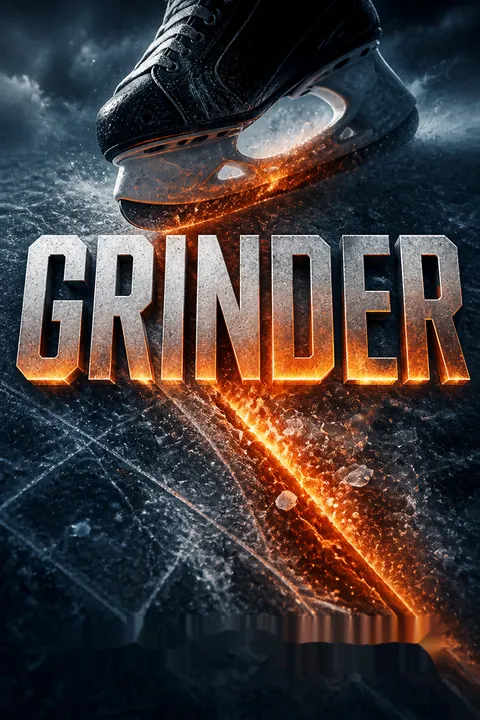
Symbolism of Ice and Fire
The ice rink serves as both a literal and symbolic arena—a place of competition, camaraderie, and confrontation. The coldness of the ice contrasts with the heat of desire, anger, and passion that animates the characters. This interplay of ice and fire reflects the emotional volatility of the story and the ways in which love can both wound and heal.
Download PDF
Download EPUB
.epub digital book format is ideal for reading ebooks on phones, tablets, and e-readers.








































