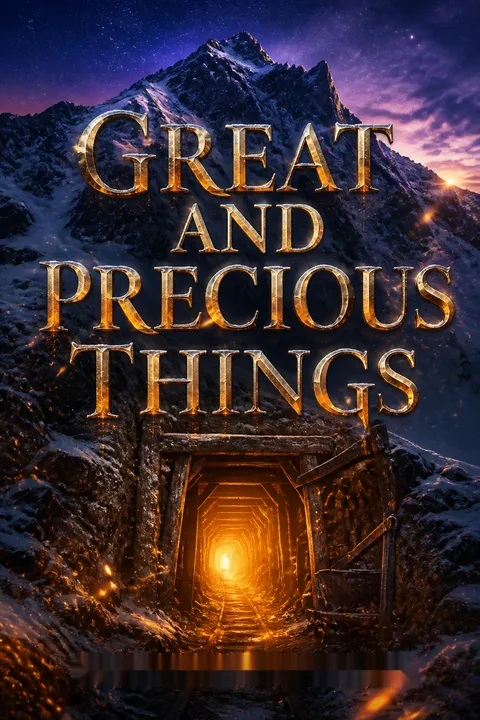

Summary Temporarily Unavailable
This summary is temporarily unavailable and is currently being updated. You can still explore the FAQs and other metadata below.
Plot Summary
Homecoming and Old Wounds
Camden Daniels comes home to Alba, Colorado, a town frozen in time and memory, after years away in the military. The air is thin, the welcome colder. He's called back by his brother Xander to help care for their father, Art, who is slipping into Alzheimer's. The town's judgment is palpable; Cam's reputation as the black sheep lingers. Old friends and enemies surface, and the house he grew up in is both familiar and haunted. The shadow of his brother Sullivan's death—an event Cam is blamed for—hangs over every interaction. Cam's return is not triumphant but necessary, and the emotional cost is immediate, as he's forced to confront the family and community he left behind, and the guilt he's never escaped.
The Gun, the Girl, the Past
Art Daniels, confused and armed, wanders off, and the town mobilizes to find him. Willow Bradley, the girl next door and Sullivan's former love, is the one who finds herself at the wrong end of Art's shotgun. Cam steps between them, risking his life to protect Willow. The encounter is tense, dangerous, and deeply revealing—Cam's instinct to protect Willow is as strong as ever, and Willow's trust in him is unshaken despite years of distance. The incident ends without tragedy, but the emotional wounds are reopened. Art's confusion, Cam's heroism, and Willow's presence all stir up the unresolved grief and longing that have defined their intertwined lives.
Family Fault Lines
Cam and Xander's relationship is strained by years of resentment and misunderstanding. Xander, the "good son," has carried the burden of caring for their father and the town, while Cam has been absent, haunted by war and guilt. Their reunion is awkward, a mix of affection and accusation. The family's history—marked by their mother's death, Sullivan's loss, and Art's decline—has left deep scars. Cam's return forces the brothers to renegotiate their roles, their loyalties, and their shared pain. The house is full of ghosts, and every conversation is a minefield of unspoken blame and desperate hope for reconciliation.
Unpacking the Past
Willow brings Cam the boxes of his childhood that his father had thrown out after Sullivan's death. She had rescued them in secret, preserving the pieces of Cam's life that Art wanted to erase. The gesture is both practical and deeply emotional, a sign that Willow has always seen and valued Cam, even when he couldn't see it himself. As they sort through the artifacts of their youth, old feelings resurface. The past is not just a source of pain but also of connection—a reminder of who they were before everything broke. The act of unpacking becomes a metaphor for the work of healing and forgiveness that lies ahead, utilizing dual timelines and layered memory.
The Weight of Care
Cam confronts the reality of his father's decline and the overwhelming demands of caregiving. Dorothy, the longtime family friend and nurse, lays out the challenges: Art needs round-the-clock care, and Xander is stretched thin. Financial concerns, pride, and the fear of institutionalizing Art create tension. Cam wants to help but is met with suspicion and resistance. The brothers argue over what's best for their father, each carrying their own guilt and sense of duty. The struggle to care for Art becomes a crucible for the family, exposing old wounds and forcing hard choices about love, loyalty, and letting go.
Sparks and Scars
Cam's reputation as a fighter precedes him, and a barroom confrontation with Oscar Hudgens reignites the town's suspicions. Willow intervenes, tending to Cam's wounds and challenging his self-destructive tendencies. Their chemistry is undeniable, but so are the barriers between them—grief, guilt, and the weight of the past. The town watches, quick to judge and slow to forgive. Cam's struggle to control his anger and prove he's changed is mirrored by Willow's determination to claim her own happiness, even if it means defying expectations. Their relationship is a dance of attraction and avoidance, each afraid of what they might lose if they give in, shaped by community judgment.
The Mine's Promise
Cam proposes reopening the Rose Rowan Mine, a long-closed family property, as a way to generate income for Art's care and restore his own standing in the town. The mine is both a literal and symbolic inheritance—a chance to reclaim the family's legacy and prove his worth. The Historical Society, gatekeepers of Alba's traditions, are skeptical, and Xander is openly opposed. Willow, revealing her expertise in art restoration, volunteers to help, surprising everyone. The project becomes a test of Cam's resolve, Willow's loyalty, and the town's capacity for change. The mine is a place of danger and possibility, holding the promise of both ruin and renewal.
The Historical Society Showdown
At a contentious Historical Society meeting, Cam and Willow face public scrutiny and private sabotage. The town's power brokers resist Cam's plan, citing his past and questioning his motives. Willow's unexpected credentials and passionate defense turn the tide, but not without cost—her relationship with her father, Judge Bradley, is strained to the breaking point. The meeting is a microcosm of Alba's struggle to balance preservation and progress, memory and hope. Cam and Willow's alliance is cemented in adversity, but the battle for acceptance is far from over, reflecting community judgment.
Brothers at War
Cam and Xander's rivalry comes to a head as the mine project moves forward. Old secrets are unearthed—Xander's role in past tragedies, Cam's sacrifices for his brother, and the true story of the bunkhouse fire. The brothers are forced to confront the ways they have hurt and protected each other, often at great personal cost. Their conflict is not just about the mine or their father but about the unresolved grief and competition that have defined their lives. The possibility of forgiveness flickers, but the wounds are deep, and the path to reconciliation is fraught with pain.
Truths and Truces
Cam and Willow finally confront their feelings for each other, moving beyond the roles assigned to them by family and town. Their first kiss is both a culmination and a beginning, a moment of vulnerability and courage. The past cannot be undone, but it can be acknowledged and honored. Cam's confession of his love for Willow is met with her own, and together they begin to imagine a future not defined by loss. The truce between Cam and his father is fragile but real, built on the promise to listen and the hope of understanding. The possibility of healing, for individuals and family, becomes tangible.
The Storm and the Shelter
A sudden snowstorm strands Willow, and Cam braves the elements to rescue her. The ordeal strips away pretense and forces them to confront their fears and desires. In the warmth of Cam's home, they share confessions and comfort, finding solace in each other's arms. The storm outside mirrors the turmoil within, but also the possibility of shelter and safety. Their bond is tested and strengthened, and the lines between past and present, pain and hope, begin to blur. The world outside is cold and unforgiving, but together they find warmth and belonging.
The Kiss and the Chasm
In the aftermath of the storm, Cam and Willow's relationship deepens, but so do their insecurities. Their physical connection is electric, but emotional barriers remain. Cam's guilt over Sullivan's death, Willow's fear of being a replacement, and the town's relentless judgment threaten to pull them apart. A passionate kiss becomes a turning point, forcing them to choose between retreat and risk. The chasm between them is wide, but the possibility of bridging it is real. Love, they realize, is not the absence of fear but the willingness to face it together.
The Fight for Dignity
The question of Art's care comes to a head as Cam and Xander clash over a DNR order. The legal and ethical stakes are high, and the family is divided. The courtroom becomes a battleground for dignity, autonomy, and the right to choose. The town takes sides, and the personal becomes political. Cam's fight is not just for his father's wishes but for his own redemption and the possibility of a future with Willow. The cost of love is high, and the price of dignity is steep. The outcome is uncertain, but the struggle is necessary.
The Cost of Love
As the legal battle intensifies, Cam and Willow are forced to consider what they are willing to give up for each other and for Art. The town's gossip and judgment reach a fever pitch, and the pressure to conform is immense. Willow contemplates leaving Cam to help his case, but love proves stronger than fear. The cost of love is not just personal but communal—a reckoning with the past and a commitment to a different future. Sacrifice is redefined, not as loss but as the willingness to choose each other, again and again.
The Courtroom Crucible
The guardianship hearing is a crucible for the family and the town. Testimonies reveal old wounds and new truths—Cam's heroism, Xander's betrayals, Art's vulnerability. The judge's decision is both a relief and a disappointment: Xander retains guardianship, but the moral victory is Cam's. The courtroom drama exposes the limits of law and the power of love. The family is changed, not by the verdict but by the process of facing their pain and fighting for what matters. Justice is imperfect, but dignity is preserved.
The Mine's Depths
When Rose goes missing in the mine, the family and town are thrown into crisis. The search is both literal and symbolic—a descent into the darkness of the past and the hope of finding light. Cam, Willow, and Art work together, drawing on memory, love, and courage to rescue Rose. The mine, once a place of danger and loss, becomes a site of redemption and reunion. The rescue is a testament to the power of family, the strength of love, and the possibility of healing even the deepest wounds.
The Unraveling
The aftermath of the rescue brings long-buried secrets to light. Xander's role in past tragedies is revealed, and the family is forced to confront the truth about the bunkhouse fire and Willow's childhood trauma. The town, witnessing the confrontation, is forced to reconsider its judgments. The unraveling is painful but necessary—a clearing away of lies and illusions to make room for honesty and forgiveness. The family is shaken but not destroyed, and the possibility of a new beginning emerges.
The Reckoning
Cam and his father finally have the conversation they've both avoided for years. The truth about Sullivan's death is spoken, and absolution is offered—not as a forgetting but as a release from the chains of guilt. The family's history is acknowledged, and the freedom to choose the future is reclaimed. Cam and Willow, having faced their fears and fought for each other, are finally free to build a life together. The reckoning is not an end but a beginning—a chance to love without reservation or regret.
The Choice
With the past laid to rest, Cam and Willow embrace the future. The mine opens, the town begins to heal, and the family finds a new equilibrium. The freedom to choose—so long denied—is finally theirs. Cam proposes a life together, not as an escape from pain but as a celebration of survival and hope. The choice is not between past and future, but between fear and love. They choose each other, and in doing so, choose life.
The Gavel Falls
The legal battles are settled, the mine is open, and the family is on the path to healing. Xander relinquishes guardianship, and Art's wishes are honored. The town, once hostile, begins to accept change. Cam and Willow's love, tested by fire and loss, proves resilient. The gavel falls, not as an end but as a marker of a new chapter. The future is uncertain, but the foundation is strong—built on truth, forgiveness, and the freedom to choose.
The Rescue
The mine, once a symbol of danger and loss, becomes the site of redemption as Cam and Willow rescue Rose. The act is both literal and metaphorical—a reclaiming of the past and a promise for the future. The family, fractured by grief and guilt, is brought together by love and courage. The rescue is not just of Rose but of themselves, a testament to the power of hope and the possibility of healing.
The Map and the Door
The discovery of the map and the truth about the mine's door reveal the hidden connections and choices that have shaped the family's history. The past is not a prison but a guide, showing the way forward. Cam and Willow, having faced the darkness together, are ready to step into the light. The door is both an ending and a beginning—a passage from pain to possibility, utilizing dual timelines and layered memory.
The Final Confession
Cam confesses the full truth about Sullivan's death to his father, seeking not forgiveness but understanding. Art, in a rare moment of clarity, offers absolution—not as a denial of pain but as an acceptance of the complexity of love and loss. The family's story is not one of perfection but of perseverance. The final confession is a release, a letting go of the burdens that have weighed them down. Peace, hard-won and fragile, is finally within reach.
The Freedom to Choose
With the past reconciled and the future uncertain, Cam and Willow claim the freedom to choose their own path. The mine, the family, the town—all are transformed by the willingness to face the truth and fight for dignity. The freedom to choose is not just a legal right but a moral imperative—a commitment to living fully, loving deeply, and building a future together. The story ends not with certainty but with hope, the promise of new beginnings and the courage to face whatever comes next.
The Future We Build
Cam and Willow, having survived loss, betrayal, and the weight of history, begin to build a life together. The mine is open, the family is healing, and the town is changing. The future is not guaranteed, but it is theirs to shape. Love is not the absence of pain but the willingness to choose each other, again and again. The legacy of the past is honored, but the future is built on hope, courage, and the freedom to choose. Together, they face the unknown, ready to write the next chapter of their story.
Analysis
Great and Precious Things is a powerful meditation on the cost of love, the burden of guilt, and the redemptive power of choice. Rebecca Yarros crafts a narrative that is both intimate and epic, using the microcosm of a small Colorado town to explore universal questions of family, forgiveness, and autonomy. The novel's emotional arc is driven by the characters' struggle to reconcile the past with the present, to claim agency in the face of loss, and to build a future not defined by pain. The mine, as both setting and symbol, encapsulates the story's central tension: the darkness we inherit and the light we can create. The legal and ethical battles over Art's care foreground questions of dignity and the right to choose, resonating with contemporary debates about aging, illness, and end-of-life decisions. Ultimately, the novel argues that healing is possible—not through forgetting or erasing the past, but through facing it with honesty, courage, and love. The freedom to choose, hard-won and often painful, is the most precious thing of all. In a world that often demands conformity and punishes vulnerability, Great and Precious Things is a testament to the power of standing up, speaking out, and loving fiercely, even when the cost is high.
Last updated:
Report IssueReview Summary
People Also Read




Characters
Camden Daniels
Cam is the middle Daniels brother, marked by a lifetime of being the family's black sheep. Scarred by his mother's death, blamed for his brother Sullivan's loss in Afghanistan, and estranged from his father, Cam is a man defined by guilt and a desperate need for atonement. His military service has left him both hardened and vulnerable, capable of violence but longing for peace. Cam's relationship with Willow is the axis of his emotional world—she is both his greatest regret and his deepest hope. His journey is one of learning to forgive himself, to accept love, and to claim the right to choose his own future. Cam's development is a slow, painful emergence from self-loathing to self-acceptance, catalyzed by love, loss, and the courage to fight for dignity.
Willow Bradley
Willow is the girl next door, Sullivan's former love, and Cam's lifelong anchor. Marked by tragedy—losing Sullivan, enduring her father's expectations, and surviving childhood trauma—Willow is both fragile and fiercely strong. Her compassion is matched by her determination; she rescues Cam's past, stands up to her father, and claims her own happiness in a town that wants her to remain a grieving widow. Willow's relationship with Cam is complex—rooted in childhood, tested by grief, and ultimately redemptive. She is the catalyst for healing, the embodiment of hope, and the proof that love can survive even the deepest wounds. Her journey is one of reclaiming agency, embracing vulnerability, and choosing love despite fear.
Xander Daniels
Xander is the eldest Daniels brother, the "good son" who stayed behind to care for their father and the town. Outwardly perfect—mayor, caretaker, peacemaker—Xander is inwardly consumed by resentment, jealousy, and the burden of responsibility. His rivalry with Cam is rooted in both love and competition, and his actions—especially his betrayals—are driven by a desperate need to be seen as good. Xander's arc is one of reckoning with his own flaws, facing the consequences of his choices, and learning that love is not about control but about letting go. His relationship with Cam is both the source of his pain and the key to his redemption.
Art Daniels
Art is the Daniels family's stern, wounded father, a man undone by loss and disease. His decline into Alzheimer's is both a personal tragedy and a crucible for his sons. Art's rigidity, pride, and inability to forgive have shaped his family's pain, but his moments of clarity reveal a deep longing for connection and autonomy. His fight for a DNR is a fight for agency, a refusal to be defined by decline. Art's relationship with his sons is fraught—he blames Cam for Sullivan's death, relies on Xander, and is haunted by his own failures. In the end, his willingness to listen, to forgive, and to choose is both his legacy and his redemption.
Sullivan Daniels
Sullivan is the absent center of the family, the brother whose death in Afghanistan is the story's original wound. Idolized by Xander, loved by Willow, and mourned by Cam, Sullivan is both a memory and a measure. His loss is the catalyst for the family's unraveling and the standard by which all are judged. Though dead, Sullivan's presence is felt in every choice, every regret, and every hope for healing. He is the embodiment of what was lost and the possibility of what might be reclaimed.
Judge Noah Bradley
Willow's father, Judge Bradley, is the town's moral authority and the enforcer of tradition. His love for his daughters is real but conditional, shaped by his need for control and his fear of change. He opposes Cam and Willow's relationship, seeing it as a betrayal of the past and a threat to the town's stability. His journey is one of learning to let go, to accept his daughters' choices, and to recognize that love cannot be legislated. His eventual recusal from Cam's case is both an act of humility and a gift of freedom.
Charity Bradley
Willow's older sister, Charity, is a mirror and foil—rebellious where Willow is cautious, bold where Willow is careful. A single mother, bar owner, and unapologetic force, Charity is both a source of support and a challenge. Her own struggles with their father, her willingness to defy expectations, and her fierce love for Willow make her an essential ally. Charity's arc is one of self-acceptance, forgiveness, and the recognition that family is chosen as much as given.
Dorothy Powers
Dorothy is the Daniels family's longtime nurse and friend, a stabilizing presence amid chaos. Her wisdom, humor, and compassion make her both a confidante and a guide. She sees the family's pain and potential, offering practical help and emotional support. Dorothy's role is to remind the characters—and the reader—that healing is possible, that dignity matters, and that love is found in the smallest acts of care.
Walt Robinson
Walt is Art's best friend and a surrogate uncle to the Daniels boys. His perspective is shaped by his own experiences of loss and caregiving. Walt offers advice, support, and a model of what it means to show up for family, even when it's hard. His presence is a reminder that community matters, that friendship endures, and that sometimes the best thing you can do is simply be there.
Rose Maylard
Rose, Charity's daughter, is the next generation—curious, brave, and full of possibility. Her disappearance in the mine is a crisis that brings the family together, forcing them to confront their fears and fight for what matters. Rose is both a symbol of what's at stake and a reminder that the future is not yet written. Her rescue is a moment of redemption, a promise that the cycle of pain can be broken.
Plot Devices
Dual timelines and layered memory
The novel weaves together past and present, using memory as both a narrative device and a thematic core. Flashbacks, recovered memories, and the physical artifacts of childhood (boxes, pins, maps) serve to connect the characters' current struggles with their formative experiences. The mine itself is a metaphor for the layers of history, trauma, and hope that define the family. The structure allows for revelations and reversals, as secrets are unearthed and old wounds are re-examined in the light of new understanding.
The mine as metaphor and crucible
The Rose Rowan Mine is both a literal setting and a symbolic heart of the story. It is the site of past trauma (Willow's childhood accident, the bunkhouse fire), present crisis (Rose's disappearance), and future hope (the reopening project). The mine's darkness and depth mirror the characters' emotional journeys, and the act of descending and emerging becomes a metaphor for facing pain and finding healing. The mine's restoration is a plot engine, driving conflict, cooperation, and transformation.
Family as both burden and salvation
The Daniels and Bradley families are shaped by loss, blame, and the struggle for control. The narrative explores how family can wound and sustain, how love can be both conditional and redemptive. The legal battle over Art's care is a focal point for questions of autonomy, dignity, and the right to choose. The story uses family dynamics to explore broader themes of forgiveness, agency, and the cost of love.
Community judgment and the power of reputation
Alba is more than a backdrop—it is an active force, shaping the characters' choices and self-perceptions. Gossip, tradition, and the weight of reputation are constant pressures, both external and internalized. The Historical Society, the courtroom, and the barbershop are arenas where public opinion is formed and contested. The struggle to break free from the town's expectations is central to Cam and Willow's journey.
Foreshadowing and narrative symmetry
The novel is rich in foreshadowing—early events (the mine accident, the bunkhouse fire, the lost pin) are mirrored and resolved in later crises (Rose's disappearance, the mine's reopening, the final rescue). The structure is symmetrical, with beginnings and endings that echo each other, reinforcing the themes of choice, redemption, and the possibility of new beginnings.
About the Author
Rebecca Yarros is a New York Times bestselling author known for her romantic novels, including "Great and Precious Things" and "Fourth Wing." With over twenty published works, she has received recognition such as the Colorado Romance Writer's Award of Excellence. Yarros, a self-described hopeless romantic and coffee enthusiast, draws inspiration from military heroes, having been married to one for over two decades. As a mother of six, including four hockey-playing sons, she navigates family life while crafting compelling stories. Readers can stay updated on her upcoming releases through her website, www.rebeccayarros.com.
Other books by Rebecca Yarros


Download PDF
Download EPUB
.epub digital book format is ideal for reading ebooks on phones, tablets, and e-readers.








































