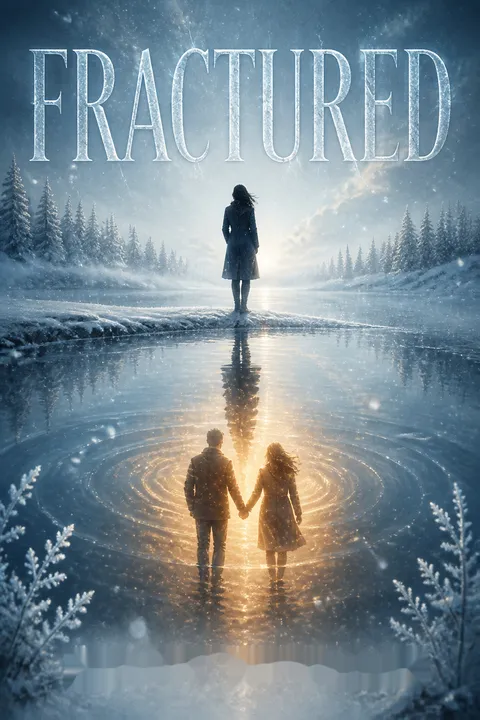

Plot Summary
Farewell Dinner's Fateful Night
On a warm September evening, Rachel and her friends gather for a farewell dinner before university. The group's dynamic is a tangle of old friendships, budding romances, and unspoken tensions—especially between Rachel, her boyfriend Matt, and her childhood friend Jimmy. A lucky penny, found by Jimmy, becomes a small but potent symbol of fate. The dinner is filled with laughter and nostalgia, but a sense of impending change hangs over them. Suddenly, tragedy strikes: a stolen car crashes through the restaurant window. In a moment of chaos, Jimmy sacrifices himself to save Rachel, leaving her physically scarred and emotionally shattered, and the group forever changed.
Shattered Lives, Lasting Scars
Rachel awakens in the hospital, her face marked by a jagged scar, her memories fractured. Jimmy is dead, and the group's innocence is lost. The accident's trauma ripples outward: Rachel's father is consumed by worry, Matt is wracked with guilt, and Rachel herself is haunted by survivor's guilt and the knowledge that Jimmy died saving her. The friendships that once seemed unbreakable begin to dissolve under the weight of grief and blame. Rachel's dreams of university and journalism are derailed, and she withdraws from those she loves, unable to face the reminders of what was lost.
Five Years of Absence
Five years later, Rachel lives a small, anonymous life in London, estranged from her past and nursing chronic headaches—a lingering reminder of the accident. She avoids her hometown and her old friends, clinging to routine and solitude. When an invitation arrives for Sarah's wedding, Rachel is forced to confront the ghosts she's tried to outrun. Packing her bag, she is filled with dread and self-doubt, fearing not just the memories but the possibility that she is losing her grip on reality as her headaches worsen and her sense of self unravels.
Homecoming and Hauntings
Rachel's return to Great Bishopsford is fraught with anxiety. The familiar streets and faces are both comforting and alien. She visits her childhood home, now owned by strangers, and is overwhelmed by nostalgia and loss. A visit to Jimmy's mother is especially painful, as both women are haunted by what might have been. Rachel's scar is a visible marker of her trauma, and she feels like a ghost among the living, unable to reconnect with her old friends or her former self. The past is everywhere, and Rachel is forced to confront the depth of her unresolved grief.
Ghosts at the Table
At Sarah's pre-wedding dinner, the old group reunites, but the absence of Jimmy is palpable. The conversation is stilted, and beneath the surface, jealousy, regret, and longing simmer. Cathy, now with Matt, is both rival and reminder of Rachel's lost relationship. Rachel's headaches intensify, and she feels increasingly unmoored, as if she is living in a parallel reality. A tense encounter with Matt reveals unresolved feelings and the impossibility of returning to the past. The dinner ends with Rachel feeling more isolated than ever, her sense of reality slipping further away.
The Weight of Memory
Rachel's headaches worsen, and she begins to experience hallucinations—sounds, smells, and memories that don't fit. She questions her sanity, fearing that her mind is breaking under the strain of trauma and guilt. Visits to familiar places yield no comfort, only confusion. She is caught between two versions of her life: the one she remembers, marked by loss and pain, and another, tantalizingly out of reach, where Jimmy survived and her dreams remained intact. The boundaries between memory and reality blur, and Rachel is desperate for answers.
Two Lives, One Heart
Rachel's world fractures further when she wakes in a hospital to find Jimmy alive, her father healthy, and herself engaged to Matt. She is told she has amnesia, but her memories of the accident and its aftermath are vivid and persistent. As she navigates this new reality, she is torn between the life she remembers and the one she is told is real. Her feelings for Jimmy resurface, complicated by guilt and longing. The possibility that she is living in a parallel universe—or that her mind has created an elaborate fantasy to escape pain—torments her.
The Unraveling of Truth
Determined to find the truth, Rachel embarks on a quest to reconcile her memories with her current life. With Jimmy's help, she visits places from both her remembered and present lives, searching for evidence of her past. Each discovery—her job, her home, her friends—contradicts what she believes to be true. Encounters with people who should know her but don't, and vice versa, deepen her confusion. The more she searches, the more she realizes that some mysteries may never be solved, and that the heart's truths are not always logical.
Parallel Paths Collide
Rachel's relationships reach a breaking point. Matt's infidelity with Cathy is revealed, shattering any remaining illusions about their future. Jimmy, too, struggles with his feelings, torn between friendship and love. Rachel is forced to choose between the safety of the past and the uncertainty of the future. The parallel lives she has been living—one of loss, one of possibility—collide, and she must decide which reality to embrace. The pain of letting go is matched only by the hope of new beginnings.
Love, Loss, and Letting Go
In the aftermath of betrayal and heartbreak, Rachel begins to accept that some questions will remain unanswered. She lets go of the need to reconcile every detail of her past, choosing instead to focus on the present and the people who matter most. Her friendship with Jimmy deepens into love, and together they find solace in each other. Rachel's journey is one of forgiveness—of herself, of those who hurt her, and of the past that cannot be changed. She learns that healing is not about erasing scars, but about finding meaning in survival.
The Fracture Revealed
As Rachel prepares to move forward, the novel's central mystery is revealed: her fractured sense of reality is the result of trauma, grief, and the mind's desperate attempt to heal. The parallel lives she experienced are both real and imagined—manifestations of hope, regret, and the longing for a second chance. The story's structure mirrors Rachel's internal struggle, blurring the lines between what is and what might have been. In the end, Rachel chooses to live fully in the present, honoring both the pain and the love that shaped her.
Choosing the Future
With the past finally at rest, Rachel and Jimmy confess their love and commit to building a future together. The proposal is simple but profound, set against the backdrop of snow and memory. Rachel's father, once so frail, is now a source of strength and support. The wedding is both an ending and a beginning—a celebration of survival, forgiveness, and the power of love to heal even the deepest wounds. Rachel's journey from loss to hope is complete, and she steps into her new life with courage and joy.
The Proposal in Snow
On a snowy Christmas Eve, Jimmy proposes to Rachel in the churchyard, the site of so much pain and now, redemption. The moment is bittersweet, filled with echoes of the past and the promise of the future. Rachel accepts, and together they face the world, no longer haunted by what might have been, but grateful for what is. The snow falls gently, covering old scars and marking the start of a new chapter.
The Wedding and the Wake
Rachel and Jimmy's wedding is a moment of pure joy, witnessed by friends and family who have shared in their journey. Yet, in a parallel narrative, Rachel's father sits by her hospital bed, mourning the daughter he is about to lose. The story's dual realities converge: one of life and love, the other of loss and letting go. The wedding and the wake are two sides of the same coin, a testament to the fragility and resilience of the human heart.
Between Worlds, Beyond Time
As Rachel and Jimmy walk into the light of their new life, the narrative shifts to Rachel's father, who must say goodbye as his daughter's life support is turned off. The boundaries between worlds dissolve, and Rachel's journey comes full circle. In the end, love endures beyond time and memory, and the fracture is healed—not by forgetting, but by embracing all that was, is, and might have been.
Analysis
"Fractured" is a profound meditation on trauma, memory, and the human capacity for healing. Dani Atkins crafts a narrative that is both a love story and a psychological mystery, using the device of parallel realities to explore the ways we cope with loss and the longing for second chances. The novel's emotional power lies in its refusal to offer easy answers: Rachel's journey is messy, painful, and deeply human. The story challenges readers to consider the nature of reality—how much of our lives are shaped by memory, and how do we move forward when the past refuses to let go? Ultimately, "Fractured" is about acceptance: of pain, of imperfection, and of the possibility of happiness after heartbreak. The lesson is clear—healing does not mean forgetting, but rather integrating all parts of our story, scars and all, and choosing to live fully in the present. The novel's ending, with its ambiguous blend of hope and loss, is a testament to the resilience of love and the enduring power of the human spirit.
Review Summary
Characters
Rachel Wiltshire
Rachel is the novel's heart—a young woman marked by trauma, guilt, and longing. Her journey is one of survival, both physical and emotional. Scarred by the accident that killed Jimmy, she is plagued by chronic pain and a fractured sense of reality. Rachel's relationships—with her father, Matt, Jimmy, and her friends—are shaped by loss and the fear of causing more harm. Her psychological struggle is profound: she is torn between two lives, two loves, and two versions of herself. Ultimately, Rachel's courage lies in her willingness to confront pain, accept imperfection, and choose hope over despair. Her development is a testament to the resilience of the human spirit.
Jimmy Boyd
Jimmy is Rachel's childhood friend and, ultimately, her soulmate. His defining act—sacrificing himself to save Rachel—haunts both their lives. In the alternate reality, Jimmy survives, and his quiet strength, loyalty, and deep love for Rachel become the anchor she needs. Jimmy's own struggles are subtle but significant: he grapples with unspoken feelings, survivor's guilt, and the fear of losing Rachel again. His journey is one of patience and devotion, waiting for Rachel to see what has always been between them. Jimmy's presence is a balm for Rachel's wounds, and his love is the key to her healing.
Matt Randall
Matt is Rachel's high school boyfriend and, in one reality, her fiancé. Handsome, successful, and attentive, Matt represents the life Rachel might have had—a life of comfort and predictability. However, his inability to cope with Rachel's trauma, his infidelity, and his own insecurities reveal the cracks beneath the surface. Matt's relationship with Rachel is marked by nostalgia and regret, and his actions force Rachel to confront the difference between love that is safe and love that is true. Matt's arc is one of loss and self-realization, as he is ultimately left behind by Rachel's growth.
Sarah Johnson
Sarah is Rachel's oldest friend, a source of warmth, humor, and honesty. Her wedding serves as the catalyst for Rachel's return home and the confrontation with her past. Sarah's loyalty is unwavering, and she provides both comfort and challenge to Rachel, refusing to let her retreat into isolation. Sarah's own journey—from schoolgirl to bride—mirrors Rachel's, and her happiness is a reminder that life goes on, even after tragedy. She is the embodiment of friendship's power to heal and endure.
Cathy
Cathy is the outsider who becomes both friend and antagonist. Her beauty and confidence unsettle Rachel, and her relationship with Matt is a source of jealousy and pain. Cathy's actions—both thoughtless and calculated—force Rachel to confront her own insecurities and the reality of her relationship with Matt. In the end, Cathy is less a villain than a mirror, reflecting the choices Rachel must make about love, loyalty, and self-worth.
Tony Wiltshire (Rachel's Father)
Tony is Rachel's only surviving parent, a man worn down by loss and worry. His love for Rachel is fierce and protective, but he is also haunted by his own health struggles and the fear of losing his daughter. Tony's journey is one of endurance and quiet strength, supporting Rachel even as he faces his own mortality. His presence is a reminder of the enduring bonds of family and the pain of letting go.
Phil
Phil is one of Rachel's old friends, now a globe-trotting photographer. His inability to settle reflects the group's collective restlessness and the difficulty of moving on after tragedy. Phil's presence at the reunion is both comforting and bittersweet, a reminder of what was lost and what can never be recaptured.
Trevor
Trevor, once part of the tight-knit group, has returned to a conventional life in their hometown. His stability contrasts with Rachel's turmoil, and his presence at the reunion highlights the different paths the friends have taken. Trevor's journey is one of acceptance and adaptation, finding meaning in the ordinary.
Dr. Whittaker
Dr. Whittaker is the medical professional who treats Rachel after the accident and during her later struggles. He represents the rational world, offering explanations and support as Rachel grapples with her fractured reality. His presence is both comforting and frustrating, as he cannot provide all the answers Rachel seeks.
Joe
Joe is a security guard at Rachel's imagined workplace, a man whose wife is battling cancer. In Rachel's alternate reality, he is a confidant and friend, sharing in her fears and hopes. His inability to recognize Rachel in the "real" world is a poignant reminder of the fragility of memory and the pain of being forgotten.
Plot Devices
Dual Realities and Unreliable Memory
The novel's central device is the blurring of reality and memory, as Rachel experiences two parallel lives: one marked by loss, the other by possibility. This duality is both a psychological coping mechanism and a narrative puzzle, inviting readers to question what is real and what is imagined. The use of amnesia, hallucinations, and shifting perspectives creates a sense of disorientation that mirrors Rachel's internal state. Foreshadowing is woven throughout—symbols like the lucky penny, recurring dreams, and sensory hallucinations hint at the deeper fracture within Rachel's mind. The structure alternates between past and present, reality and fantasy, culminating in a revelation that is both heartbreaking and hopeful. The narrative's ambiguity is its strength, allowing for multiple interpretations and emotional resonance.
About the Author





Download PDF
Download EPUB
.epub digital book format is ideal for reading ebooks on phones, tablets, and e-readers.








































