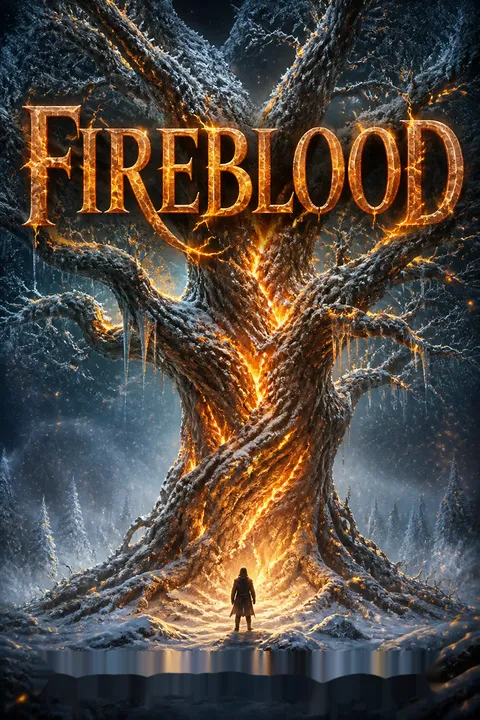

Plot Summary
Scourgelands' Deadly Maze
Tyrus of Kenatos, a Paracelsus of unmatched intellect, leads a doomed expedition into the Scourgelands, a cursed land haunted by the Plague and supernatural predators. His companions are slaughtered, and he barely escapes with the help of Merinda, a Druidecht, who sacrifices her sanity to save him. The woods themselves twist perception, and the faces in the trees erase memory. Tyrus's guilt is immense—he's responsible for the deaths of those who trusted him. The experience leaves him scarred, desperate to end the Plague, and haunted by the knowledge that the cycle of devastation is not yet broken.
Summons from Kenatos
Annon, a young Druidecht, lives in harmony with the spirits of the woods, but is summoned to Kenatos by his estranged uncle, Tyrus. The summons reopens old wounds of abandonment and anger, as Annon recalls his childhood longing for acceptance and the pain of being left behind. His mentor, Reeder, warns him of the dangers of the north and the manipulations of Tyrus. Despite his resentment, Annon cannot resist the call, sensing that his destiny is entwined with the fate of the world and the secrets Tyrus holds.
Siblings Reunited
In Kenatos, Annon learns he has a twin sister, Hettie, stolen by the Romani as a child. Their reunion is fraught with suspicion, pain, and the revelation that both possess the fireblood—an innate, dangerous magic. Hettie, marked by her Romani earring, is desperate to buy her freedom before she is sold again. Tyrus offers a path: find a legendary treasure to pay her ransom. The siblings, both scarred by abandonment and secrets, form a fragile bond, united by blood and a shared yearning for belonging.
Bhikhu and the Romani
Paedrin, a young Vaettir Bhikhu, is assigned to protect Hettie on her quest. His pride and wit clash with Hettie's guarded cynicism, while Annon tries to mediate. The trio's journey is marked by cultural friction, mutual distrust, and the ever-present threat of violence. Paedrin's code forbids killing, but Hettie's pragmatism and Annon's fireblood challenge his ideals. Their dynamic is volatile, yet necessity forges them into a reluctant team as they set out for Havenrook, the city of thieves and memories.
The Paracelsus' Secret
Tyrus's true intentions remain shrouded. He reveals only fragments: the fireblood's immunity to the Plague, the existence of a Dryad tree in his tower, and the need for a special artifact. His manipulations set the siblings and their companions on a path fraught with peril, while he remains a step ahead, orchestrating events from the shadows. The web of secrets grows, and trust becomes a rare commodity as each character questions Tyrus's ultimate goal.
Havenrook's Treacherous Bargain
In Havenrook, the group faces the cunning Preachán and the dangerous Romani leader, Kiranrao. They must navigate a world where everything is for sale, and betrayal is currency. Erasmus, a Preachán with a perfect memory, becomes their guide to the treasure's location. Kiranrao's interest in Hettie and the blade is menacing, and the city's lawlessness tests the group's unity. The quest for the treasure becomes a battle of wits, with every step shadowed by greed and hidden agendas.
Fireblood Unleashed
Ambushed on the road, Annon and Hettie unleash their fireblood, incinerating their attackers and revealing the intoxicating, perilous nature of their magic. The act horrifies Paedrin, who abhors killing, and leaves Hettie shaken by her loss of control. The fireblood's allure is both a weapon and a curse, threatening to consume its wielders. The aftermath deepens the rift between the companions, as they grapple with the moral cost of survival and the fear of madness.
The Preachán's Memory
Erasmus, with his uncanny memory and calculating mind, leads the group to Drosta's lair. His warnings about Kiranrao and the true nature of the treasure—more than mere gold—raise the stakes. The group is pursued by enemies, and Erasmus's self-interest is ever apparent. His presence is both a boon and a risk, as his loyalty is to knowledge and profit, not to the group's cause.
Drosta's Lair and the Iddawc
In the mountains, the group braves Drosta's lair, facing a monstrous guardian and a spirit-possessed blade, the Iddawc. The lair's traps test their cooperation and resolve. The Iddawc's whispers tempt them to violence and madness, and only Annon's wisdom and restraint prevent disaster. The blade is claimed, but its dark power and the cost of its use haunt them. The group's unity is strained, and the true nature of their quest becomes ever more ominous.
The Fear Liath's Shadow
As they flee with the Iddawc, the group is hunted by the Fear Liath, a spirit of dread and death. Salvation comes in the form of Drosta himself, now a Druidecht, who shelters them in a gateway to Mirrowen. In the liminal space, Drosta reveals the truth about spirit slavery, the Paracelsus' crimes, and the Iddawc's origins. The group is changed by the encounter, burdened with new knowledge and the weight of their mission.
The Arch-Rike's Trap
Paedrin is captured and imprisoned by the Arch-Rike, who uses a spirit-bound ring to enslave his will. The Arch-Rike's vision for Kenatos is revealed: a city built on the exploitation of spirits and the ruthless preservation of knowledge. Paedrin's struggle against the ring's compulsion is harrowing, and his eventual rescue by Hettie and Kiranrao comes at a price. The Arch-Rike's reach is long, and his machinations threaten to unravel the group's fragile alliance.
The Dryad's Kiss
In Silvandom, Annon saves a Dryad tree and receives the Dryad's kiss, granting him perfect memory and profound wisdom. The experience transforms him, allowing him to see through deceptions and understand the interconnectedness of all things. He learns the truth of his origins, the fireblood, and the ancient betrayal at the heart of the Scourgelands. The Dryad's gift becomes the key to unraveling the mysteries that bind their fates.
Betrayal and Freedom
Hettie's true allegiance to Kiranrao is revealed, and her struggle for freedom reaches a breaking point. Paedrin, freed from the Kishion ring by Annon's intervention, must confront his own sense of betrayal and purpose. The companions' relationships are tested as secrets come to light, and the cost of trust becomes clear. Each must choose their path—loyalty, freedom, or vengeance—as the mastermind's plan nears fruition.
The Mastermind Assembles
Tyrus gathers the group in Silvandom, revealing his true plan: to end the Plague by righting an ancient wrong in the Scourgelands. Each member is given a task—find the oracle, retrieve the sword, protect the Dryad child. The mastermind is assembled, but old wounds and new doubts threaten their unity. The Arch-Rike's forces close in, and the final confrontation looms.
The Kishion's Pursuit
The Quiet Kishion, the Arch-Rike's perfect assassin, hunts Tyrus and the group relentlessly. Tyrus sacrifices himself to protect the others, facing the Kishion in a final, fatal duel. His death is a blow to the group, but his legacy and wisdom endure. The Kishion's pursuit is unending, and the group must carry on without their leader, driven by the hope of redemption and the fear of failure.
The Battle for Silvandom
The Arch-Rike's army attacks the group in Silvandom, unleashing Paracelsus, Rikes, and soldiers. The battle is chaos—spirit magic clashes with smoke and steel, and the Iddawc's curse tempts Kiranrao to madness. Paedrin, freed from the ring, helps turn the tide, but the cost is high. The group escapes through a Dryad portal, scattered and wounded, with the fate of the world hanging in the balance.
The Web of Truths
In the aftermath, the survivors regroup and share their truths. Annon, now a leader, must guide them with humility and service. Hettie and Paedrin confront their feelings and betrayals, while Khiara and Erasmus commit to the quest. The Dryad's wisdom shapes their choices, and the group prepares for the final journey. The web of lies and truths is untangled, but the path ahead is perilous.
Into the Unknown
With Tyrus gone and the mastermind scattered, each member sets out to fulfill their charge—seeking the oracle, the sword, and the Dryad child. The Scourgelands await, full of ancient secrets and deadly trials. The companions are changed by their journey, bound by loss, love, and the hope of ending the Plague. The story closes on the threshold of the unknown, with the promise of redemption and the weight of destiny pressing forward.
Analysis
Fireblood is a sweeping fantasy that explores the cost of power, the burden of legacy, and the possibility of redemption in a world scarred by cycles of devastation. At its heart, the novel interrogates the ethics of leadership and the dangers of unchecked ambition—embodied by Tyrus, the Arch-Rike, and the cursed Iddawc blade. The story's structure, built around a mastermind of flawed, diverse heroes, emphasizes the necessity of cooperation and humility in the face of overwhelming odds. The fireblood itself is a potent metaphor for the duality of human nature: our capacity for both creation and destruction, healing and harm. The enslavement of spirits and the exploitation of magic mirror real-world concerns about environmental degradation and the abuse of power. Through the Dryad's kiss and the motif of memory, the novel suggests that wisdom comes from embracing the pain of the past and choosing to serve others. Ultimately, Fireblood is a meditation on freedom—personal, collective, and spiritual—and the courage required to break the chains of history, forgive old wounds, and step into the unknown with hope.
Review Summary
People Also Read


Characters
Tyrus of Kenatos
Tyrus is a Paracelsus of immense intellect and ambition, driven by the dream of ending the Plague that has ravaged the world for generations. His failed expedition into the Scourgelands leaves him scarred and guilt-ridden, responsible for the deaths of his companions. Tyrus is a master manipulator, orchestrating events from the shadows, often withholding the full truth even from those closest to him. His relationship with Annon and Hettie is complex—part mentor, part father, part deceiver. Tyrus's ultimate sacrifice and the secrets he entrusts to his chosen companions reveal a man willing to bear any burden for the hope of redemption, even at the cost of his own life.
Annon
Annon, a young Druidecht with the fireblood, is marked by a deep sense of abandonment and a yearning for belonging. His journey is one of self-discovery, as he learns to master his anger, wield his dangerous magic, and accept the burdens of leadership. The Dryad's kiss grants him perfect memory and wisdom, allowing him to see through deception and guide others with humility. Annon's relationships—with his sister Hettie, his mentor Reeder, and the spirits of Mirrowen—are central to his growth. He becomes the heart of the group, embodying the ideals of service, compassion, and the courage to face the unknown.
Hettie
Hettie, Annon's twin, is a Finder raised among the Romani, marked by trauma, secrecy, and a fierce desire for autonomy. Her fireblood is both a weapon and a curse, and her Romani upbringing teaches her to trust no one. Hettie's journey is a struggle between loyalty and self-preservation, as she is manipulated by Kiranrao and haunted by the threat of betrayal. Her relationship with Annon offers a glimpse of hope and healing, while her dynamic with Paedrin is fraught with tension, attraction, and mutual wounds. Hettie's quest for freedom is emblematic of the story's deeper themes of agency and redemption.
Paedrin
Paedrin is a Vaettir-born Bhikhu, trained in martial arts and the philosophy of the Uddhava. His pride, wit, and sense of justice often put him at odds with his companions, especially Hettie. Paedrin's code forbids killing, but the realities of their quest force him to confront the limits of his ideals. His enslavement by the Arch-Rike's ring is a harrowing ordeal, testing his will and sense of self. Paedrin's eventual freedom and his struggle with betrayal and forgiveness are central to his development. His relationship with Hettie is a dance of attraction, rivalry, and unspoken longing.
Kiranrao
Kiranrao is a Romani leader, part Vaettir, whose ambition and ruthlessness make him both ally and adversary. He manipulates Hettie and others to serve his own ends, seeking the Iddawc blade and power over the fate of the Romani. Kiranrao's charm masks a dangerous unpredictability, and his willingness to bargain, betray, or kill makes him a wild card in the group's quest. His acquisition of the Iddawc sets the stage for further conflict, as his desires threaten to unleash new horrors.
Erasmus
Erasmus is a Preachán with a perfect memory and a calculating mind, motivated by knowledge and profit. His role as a guide is invaluable, but his loyalty is always in question. Erasmus's pragmatism and wit provide both comic relief and sharp insight. He is a survivor, adapting to shifting alliances and dangers, and his presence is a reminder of the moral ambiguities that pervade the world.
Khiara
Khiara is a Vaettir Shaliah, gifted with the keramat of healing. Her compassion and humility make her a stabilizing force within the group. Khiara's unspoken feelings for Prince Aran and her willingness to sacrifice for others reveal a depth of character and quiet courage. She embodies the ideals of service and selflessness, offering hope and restoration in the midst of chaos.
Prince Aransetis
Prince Aran is a leader of Silvandom, trained in the deadly Chin-Na arts. His sense of duty and honor drive him to join Tyrus's mastermind, seeking to right ancient wrongs and defend his people. Aran's stoicism masks a deep sense of responsibility and loss. His role as protector and strategist is vital, and his willingness to face the Kishion and the dangers of the Scourgelands marks him as a true leader.
The Arch-Rike
The Arch-Rike of Kenatos is a visionary and tyrant, determined to preserve knowledge and power at any cost. His exploitation of spirits, creation of the Kishion, and manipulation of the Plague reveal a man who believes the ends justify any means. The Arch-Rike's pursuit of Tyrus and the group is relentless, and his influence corrupts even the noblest ideals. He is the embodiment of institutional evil, wielding faith and fate as weapons.
The Kishion
The Quiet Kishion is the Arch-Rike's perfect killer, immune to magic and nearly unstoppable. Once a Bhikhu or Finder, he is now a tool of the Arch-Rike's will, stripped of identity and mercy. His pursuit of Tyrus and the group is relentless, and his presence is a constant threat. The Kishion's existence is a warning of what happens when power is divorced from conscience.
Plot Devices
The Fireblood
The fireblood is a hereditary magic that grants immunity to the Plague and the power to summon fire. It is both a weapon and a source of madness, tempting its wielders to lose control. The fireblood marks its bearers as outcasts, hunted and feared. Its use is central to the story's conflicts, symbolizing the duality of power—its potential for both creation and destruction.
The Iddawc Blade
The Iddawc is a blade forged by trapping a powerful spirit, granting its wielder the power to kill and preserve memories. It whispers to its bearer, tempting them to violence and madness. The blade is coveted by many—Tyrus, Kiranrao, the Arch-Rike—and becomes the focal point of the quest. Its presence raises questions about the ethics of power, the cost of victory, and the nature of evil.
Spirit Magic and Enslavement
The world is alive with spirits, accessible to the Druidecht and exploited by the Paracelsus and Rikes. The enslavement of spirits for power and convenience is a central moral conflict, mirroring real-world issues of exploitation and environmental harm. The liberation of spirits becomes both a literal and symbolic act of resistance against tyranny.
The Mastermind Structure
The narrative is structured around a mastermind—a group of diverse individuals, each with unique skills and motives, united by a common cause. Their parallel quests (oracle, sword, Dryad child) create a tapestry of interlocking stories, emphasizing the necessity of cooperation and the strength found in difference. The mastermind is both a plot device and a thematic statement about collective action.
The Uddhava Philosophy
The Uddhava, a Bhikhu philosophy, underpins the story's approach to conflict and character interaction. It emphasizes the importance of understanding motives, anticipating reactions, and acting with wisdom. The Uddhava shapes the group's strategies, their ability to adapt, and their ultimate success or failure.
Foreshadowing and Memory
The story employs dreams, visions, and the Dryad's kiss as devices to foreshadow future events, reveal hidden truths, and grant characters the insight needed to overcome deception. Memory—its loss, preservation, and perfection—is a recurring motif, reflecting the story's concern with history, trauma, and the possibility of healing.
About the Author


Download PDF
Download EPUB
.epub digital book format is ideal for reading ebooks on phones, tablets, and e-readers.








































