
Plot Summary
Paris, Loss, and Longing
Honor, Tom, and their daughter Chloe arrive in Paris for Christmas, haunted by Honor's infertility and longing for another child. The family's tradition at the Ritz is shadowed by Honor's obsession with their surrogate's pregnancy and her inability to let go of the dream of a second child. Tension simmers between Honor and Tom, their marriage strained by grief, failed pregnancies, and the emotional toll of IVF. Despite moments of tenderness, their connection is frayed, and Honor's focus on what's missing overshadows the joy of what they have. The chapter ends with a sudden, devastating act of violence: a suicide bombing in the hotel lobby, killing Honor and Chloe instantly, leaving Tom's world shattered.
Shattered in an Instant
Tom awakens in a hospital, disoriented and alone, as the reality of Honor and Chloe's deaths sinks in. He is forced to navigate the logistics of repatriating their bodies, clashing with Honor's mother over burial wishes. The narrative lingers on Tom's numbness, the bureaucratic nightmare, and the isolation of grief. Friends and family are distant, unable to cross closed borders or truly comfort him. Tom's memories of his last moments with Honor and Chloe replay in his mind, filled with regret and longing for what might have been. The chapter closes with Tom returning to an empty home, every object a painful reminder of his loss.
Grief's Unbearable Weight
Returning to London, Tom is haunted by the absence of his wife and daughter. The house is a mausoleum of memories, every room echoing with what's gone. He struggles with the mundane—opening mail, making lists, and facing the future alone. A call from the fertility clinic brings cruel irony: their surrogate is pregnant. Tom is left with the impossible task of moving forward, torn between the hope of new life and the devastation of his family's destruction. The chapter explores the rawness of grief, the impossibility of closure, and the first glimmers of reluctant hope.
Surviving, Parenting, and Hope
Months later, Tom is a single father to Henry, the son born via surrogate after Honor's death. He clings to routines, determined to be a good parent, but is haunted by the past. The school gates are a minefield of gossip and unwanted attention, with Tom the object of sympathy and desire. Friends try to set him up, but he remains emotionally closed, focused on Henry. The presence of Honor lingers in every decision, from school uniforms to bedtime stories. Tom's life is a careful balancing act between honoring the past and building a future for his son.
The Letter and the Donor
A misaddressed letter arrives, revealing the identity of Henry's anonymous egg donor: Grace Stone. Tom is stunned, torn between respecting the donor's anonymity and his growing curiosity. He listens to the donor's recorded interview, shocked to hear her recite the same poem that was meaningful to him and Honor. The resemblance between Grace and Honor is uncanny, both physically and in spirit. Tom's discovery becomes an obsession, and he debates whether to reach out or let the secret remain. The chapter explores the ethical and emotional complexities of donor conception and the longing for connection.
A Chance Encounter
Driven by curiosity, Tom visits Grace's wine shop, Sprezzatura, under the pretense of attending a tasting. Their first meeting is awkward, charged with unspoken recognition and attraction. Grace is warm, witty, and unknowingly echoes Honor in manner and interests. Tom is drawn to her, but guilt and secrecy cloud his intentions. Their paths cross again through mutual friends and school events, each encounter deepening their connection. The chemistry is undeniable, but Tom is haunted by the knowledge of Grace's role in Henry's life and the secret he keeps.
Secrets and New Beginnings
Tom and Grace's relationship blossoms, filled with laughter, shared routines, and the joys of new love. Grace bonds with Henry, and Tom feels alive for the first time since Honor's death. Yet, the secret of Grace's identity as Henry's donor looms, creating tension and moments of near-revelation. Friends and family notice the resemblance between Grace and Honor, fueling gossip and discomfort. Tom is torn between honesty and fear of losing Grace, rationalizing his silence as protection. The chapter explores the fragility of happiness built on secrets and the longing for a second chance.
Love, Lies, and Family
As Tom and Grace grow closer, the pressure of secrecy mounts. Grace moves in, and their blended family feels almost complete. Yet, small lies and omissions accumulate—about the ring, the donor, and the past. Friends, especially Annie and Lauren, sense something is amiss. Lauren, driven by jealousy and her own unresolved feelings for Tom, uncovers the truth about Grace's connection to Henry. The stage is set for confrontation, as the boundaries between love, loyalty, and honesty blur. The chapter is charged with anticipation, as the truth threatens to surface.
The Truth Unravels
At their engagement party, Lauren exposes the truth by playing Grace's donor CD over the speakers, revealing her identity to all. The revelation is catastrophic: Grace is devastated by Tom's deception, feeling used and betrayed. The party descends into chaos, with friends and family reeling from the fallout. Tom's world collapses again as Grace leaves, taking with her the hope of a future together. The chapter is a crescendo of emotion—anger, shame, heartbreak—forcing every character to confront the consequences of their choices.
Catastrophe at the Party
In the aftermath, Tom is left to pick up the pieces. Lauren's motivations are revealed—her long-standing, unrequited love for Tom and resentment toward Grace. Annie and others confront Tom about his lies, and the group's dynamics are forever altered. Grace's departure leaves a void, and Tom is forced to reckon with the pain he's caused. The chapter explores the ripple effects of betrayal, the limits of forgiveness, and the cost of dishonesty. Tom's relationship with Henry is tested as he struggles to explain the loss of Grace and the truth about his origins.
Aftermath and Reckoning
Tom spirals into depression, supported only by Honor's mother and his son. He tries to make amends, sending Grace the letter that started it all, but receives no reply. The process of grieving Grace mirrors his earlier loss of Honor, but this time, Tom is determined to be honest with Henry about his story. He begins to let go of the past, clearing out old belongings and finding solace in Honor's unfinished memoir. The chapter is one of reckoning, acceptance, and the slow work of healing.
Forgiveness and Finding Grace
Months later, Tom has rebuilt a quieter, more honest life with Henry and Honor's mother. At Christmas, Grace unexpectedly returns, brought back by the intervention of Honor's mother and the Sunday Blues group. She and Tom confront their past, acknowledging the pain and the love that remains. Grace reveals she is pregnant, and together they choose to build a new family, grounded in truth and forgiveness. The chapter is suffused with hope, as Tom, Grace, and Henry embrace a future shaped by loss but defined by love.
Full Circle: A New Family
The story closes with Tom, Grace, Henry, and their extended family celebrating Christmas, honoring the memory of Honor and Chloe while embracing the promise of new life. The narrative comes full circle, as Tom reads Honor's book to Henry, and the family finds peace in their imperfect, hard-won happiness. The final image is one of unity, resilience, and the enduring power of love to heal and transform. The emotional arc is complete: from devastation to hope, from secrecy to honesty, from longing to grace.
Analysis
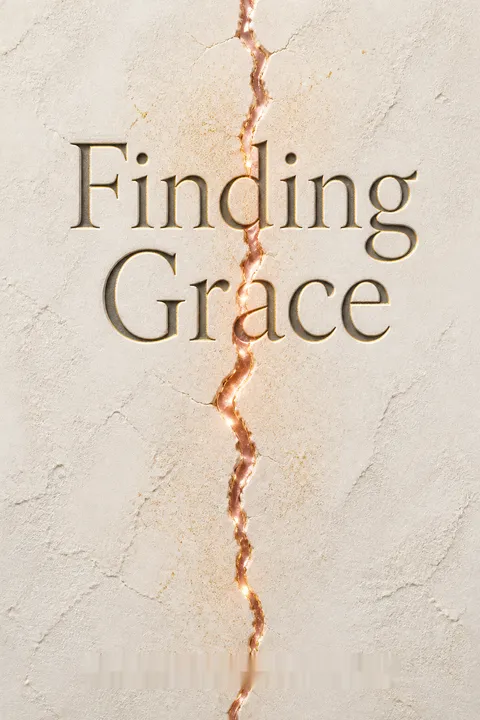
Finding Grace is a profound meditation on grief, love, and the messy, beautiful work of building a family after unimaginable loss. Loretta Rothschild's novel interrogates the limits of honesty, the ethics of secrecy, and the ways in which longing—for children, for connection, for redemption—can both unite and destroy. At its core, the book asks whether it is possible to move forward without erasing the past, and whether new love can coexist with old wounds. The narrative's structure—layered, recursive, and emotionally raw—mirrors the nonlinear process of healing. By centering the story on donor conception, surrogacy, and the accidental collision of lives, Rothschild explores the modern complexities of parenthood and identity. The novel's ultimate message is one of grace: that forgiveness, both of oneself and others, is the only path to wholeness. Through its flawed, deeply human characters, Finding Grace offers a vision of family that is inclusive, resilient, and ever-evolving—a testament to the enduring power of love to transform even the most broken hearts.
Review Summary
Finding Grace is a highly emotional and gripping debut novel that explores themes of love, loss, grief, and second chances. Many reviewers praise its unique narrative structure and unexpected twists, particularly in the opening chapter. While some found the characters morally complex and the plot thought-provoking, others struggled with the protagonist's decisions. The book elicits strong emotional responses and is frequently described as haunting and unforgettable. Most reviewers recommend going into the story blind to fully experience its impact.
Characters
Honor Wharton
Honor is the emotional heart of the story, a writer and mother whose longing for another child drives much of the early narrative. Her infertility, grief over miscarriages, and obsession with surrogacy strain her marriage to Tom and her relationship with her daughter Chloe. Honor's voice, both in life and posthumously, shapes the novel's tone—wry, self-aware, and achingly vulnerable. Her death in the Paris bombing is the catalyst for the novel's events, but her presence lingers through memories, letters, and her unfinished memoir. Honor's psychological complexity—her fear of loneliness, her need for control, her capacity for love—echoes in every character's journey.
Tom Wharton
Tom is a man undone by loss, first of his wife and daughter, then by the secrets he keeps from those he loves. A successful financier turned single father, Tom is both sympathetic and flawed—capable of deep love but also of self-deception and avoidance. His journey is one of survival, guilt, and the search for redemption. Tom's relationships—with Honor, Henry, Grace, and his friends—are marked by tenderness and tension. His inability to be fully honest, especially with Grace, is both his greatest failing and the source of the novel's central conflict. Ultimately, Tom's growth lies in his willingness to face the truth and embrace vulnerability.
Grace Stone
Grace is Henry's anonymous egg donor, a sommelier and widow with her own history of loss. Intelligent, warm, and independent, Grace is drawn to Tom and Henry, unaware of her biological connection. Her resemblance to Honor is both literal and symbolic, embodying the possibility of renewal and the dangers of unresolved grief. Grace's journey is one of self-discovery, forgiveness, and the courage to love again. Her reaction to Tom's deception is fierce and justified, but her capacity for empathy and understanding ultimately allows for reconciliation and the creation of a new family.
Henry Wharton
Henry is the child born of loss and longing, the son of Tom and Honor (via surrogacy and Grace's egg). His presence is a source of both joy and pain, a living link between past and future. Henry's innocence and trust force the adults around him to confront their own truths. His questions about his origins, his love for Grace, and his resilience in the face of change are central to the novel's emotional arc. Henry represents the possibility of healing and the enduring power of family.
Lauren
Lauren is Honor's best friend and Tom's neighbor, a fixture in the family's life. Her support after Honor's death is genuine, but her unresolved feelings for Tom and jealousy toward Grace lead her to betray him. Lauren's actions—exposing Grace's identity at the engagement party—are driven by a mix of love, resentment, and a desperate need for belonging. Her character is a study in the dangers of unacknowledged desire and the complexities of female friendship. Lauren's downfall is both tragic and inevitable, a cautionary tale about the costs of secrecy and self-deception.
Annie
Annie is Honor's university friend, a voice of reason and honesty throughout the novel. She supports Tom and Grace but is unafraid to challenge them when they stray from the truth. Annie's role as confidante, mediator, and sometimes critic is crucial to the group's dynamic. Her own struggles—with loyalty, grief, and the limits of friendship—add depth to her character. Annie's insistence on honesty, even when painful, is a counterpoint to Tom's evasions and Lauren's manipulations.
Colette (Honor's Mother)
Colette is a complex figure—critical, distant, and yet deeply affected by the loss of her daughter and granddaughter. Her relationship with Honor is fraught, shaped by her own grief and emotional limitations. Over time, Colette becomes a surprising source of support for Tom and Henry, helping to bridge the gap between past and present. Her eventual acceptance of Grace and her role in reuniting the family are acts of quiet grace, revealing a capacity for growth and forgiveness.
Chloe Wharton
Chloe is Honor and Tom's daughter, whose death in the Paris bombing is the novel's original trauma. Her memory haunts every character, especially Tom and Honor's mother. Chloe's presence is felt in flashbacks, photographs, and the family's rituals. She represents the irreplaceable loss at the heart of the story, the wound that can never fully heal but also the love that endures.
Marjorie
Marjorie is a member of Grace's Sunday Blues group, a widow who becomes a surrogate family for both Grace and, later, Tom. Her warmth, humor, and practical wisdom provide comfort and perspective. Marjorie's role in bringing Grace and Tom together, and later in supporting their reconciliation, highlights the importance of chosen family and the healing power of community.
Nellie
Nellie is Grace's assistant at Sprezzatura and a member of Sunday Blues. Her eccentricity and candor add levity to the narrative, while her loyalty to Grace is unwavering. Nellie's presence underscores the theme of found family and the value of friendship in times of crisis.
Plot Devices
Dual Narration and Shifting Perspectives
The novel employs a blend of first-person and close third-person narration, alternating between Honor's posthumous reflections and Tom's lived experience. This structure allows the reader to inhabit both the immediacy of grief and the lingering presence of the dead. The use of Honor's unfinished memoir, letters, and memories provides a chorus of voices, deepening the emotional resonance and offering multiple angles on the same events. The shifting perspectives create dramatic irony, as the reader often knows more than the characters, heightening tension and empathy.
Foreshadowing and Symbolism
The novel is rich in foreshadowing—Honor's obsession with surrogacy, the repeated references to the poem "Hymn to Beauty," and the motif of lost and found objects (rings, letters, CDs). These symbols link characters across time and circumstance, suggesting a kind of fate or cosmic design. The resemblance between Honor and Grace, both physical and spiritual, is a living symbol of renewal and the persistence of love. The use of the donor CD as both a literal and metaphorical ticking time bomb is a masterful device, driving the plot toward its explosive revelation.
Secrets, Lies, and Revelations
The central plot device is the secret of Grace's identity as Henry's egg donor, known to Tom but hidden from Grace and others. This secret drives the narrative, creating suspense and moral ambiguity. The gradual unraveling of lies—through letters, accidental discoveries, and ultimately public exposure—forces each character to confront the consequences of deception. The structure of delayed revelation allows for deep psychological exploration, as characters rationalize, justify, and ultimately reckon with their choices.
The Found Family and Community
The novel foregrounds the importance of chosen family—friends, support groups, and community—as a source of healing and resilience. The Sunday Blues group, Annie and Oliver, Lauren (for better and worse), and even Honor's mother become a web of support and challenge. This device allows the narrative to explore grief, love, and forgiveness in a communal context, rather than as isolated experiences. The interplay of these relationships provides both conflict and resolution, mirroring the complexities of real-life families.
Download PDF
Download EPUB
.epub digital book format is ideal for reading ebooks on phones, tablets, and e-readers.








































