
Plot Summary
Seeing the Unseen
Pagan Moore, a high school senior in coastal Florida, has always seen wandering souls—ghostly presences invisible to everyone else. She's learned to ignore them, but her world shifts when a new soul appears: a striking, enigmatic boy who not only sees her but speaks to her. Unlike the silent spirits she's known, this one is different—he's aware, persistent, and unsettlingly alive in his presence. Pagan's attempts to maintain normality with her best friends, Miranda and Wyatt, are complicated by her ability, which she keeps hidden. The soul's attention unsettles her, hinting at a deeper connection and a destiny she cannot yet comprehend. The first day of senior year, Pagan's life is already teetering between the ordinary and the supernatural.
The Talking Soul
Pagan's routine is shattered when the soul—later revealed as Dank—begins to interact with her directly, challenging her to acknowledge his existence. Unlike other spirits, Dank is charming, sarcastic, and oddly protective. Pagan is both frightened and fascinated, drawn to his presence even as she tries to push him away. Dank's ability to speak and his knowledge of her name suggest a purpose behind his haunting. As Pagan juggles school, friendships, and her secret, Dank's appearances become more frequent and intrusive, making it impossible for her to ignore the supernatural world encroaching on her reality. The boundaries between life and death, seen and unseen, begin to blur.
Tutoring Leif
When Leif Montgomery, the school's golden boy and football star, asks Pagan for help with his speech class, she's skeptical. Initially dismissive, Pagan learns Leif struggles with dyslexia and was adopted after years in foster care. Her prejudices crumble as she discovers his vulnerability and resilience. Tutoring sessions bring them closer, and Pagan's feelings shift from annoyance to admiration. Yet, even as she grows closer to Leif, Dank's presence lingers, complicating her emotions. Pagan is caught between two worlds: the safe, tangible affection of Leif and the dangerous, magnetic pull of Dank, whose true nature remains a mystery.
Secrets and Surprises
As Pagan's relationship with Leif deepens, her friendships with Miranda and Wyatt are tested by jealousy, misunderstandings, and the ever-present shadow of the supernatural. Miranda's dramatic flair and Wyatt's unresolved feelings add tension, while Leif's sincerity challenges Pagan's assumptions about love and trust. Meanwhile, Dank's interventions become more pointed—he warns Pagan of dangers she cannot see and seems to know her thoughts and fears. The lines between friend, lover, and protector blur, and Pagan is forced to confront the reality that her life is anything but ordinary. The secrets she keeps threaten to unravel everything she holds dear.
The Pull of Death
Pagan's attraction to Dank intensifies, manifesting in dreams, music, and moments of inexplicable connection. Dank's presence is both comforting and terrifying; he is drawn to her in ways he cannot explain, and she feels an irresistible pull toward him. Their encounters are charged with longing and fear, as Pagan senses that Dank is not just a soul but something far more powerful. The tension between her growing feelings for Leif and her obsession with Dank reaches a breaking point, leaving Pagan torn between the safety of the living and the allure of the unknown. The stakes are raised as Pagan realizes that her choices have consequences beyond her understanding.
Dangerous Attachments
Pagan's world becomes increasingly perilous as other supernatural beings take notice of her. A chilling, blond soul begins to stalk her, delivering cryptic warnings and attempting to harm her. Dank's protectiveness escalates, revealing his true power and the dangers that surround Pagan. The boundaries between life and death become more porous, and Pagan is forced to rely on Dank for survival. Her relationships with her friends and Leif suffer as she becomes more isolated, unable to share the truth of what she faces. The sense of impending doom grows, and Pagan realizes that she is at the center of a conflict she barely understands.
Between Two Worlds
Pagan's heart is torn between Leif, who offers her normalcy and affection, and Dank, whose love is otherworldly and fraught with peril. The school dance becomes a crucible for her emotions, as jealousy, desire, and supernatural interference collide. Dank's warnings about Leif's true nature sow seeds of doubt, while Leif's devotion is unwavering. Pagan's struggle to reconcile her feelings leads to heartbreak and confusion. The supernatural world presses in, demanding choices that will determine not only her fate but the fate of those she loves. Pagan stands on the threshold between two worlds, forced to choose where she belongs.
The Accident
Overwhelmed by emotional conflict, Pagan flees school and is involved in a devastating car accident. As she hovers between life and death, she experiences a surreal encounter with Dank, who intervenes to save her. Pagan awakens in the hospital, her memories fragmented and her sense of reality shaken. The experience leaves her physically and emotionally scarred, but also more attuned to the supernatural forces at play in her life. Dank's role as her protector becomes undeniable, and Pagan begins to suspect that her connection to him is deeper and more dangerous than she ever imagined.
Hospital Revelations
During her recovery, Pagan encounters other souls in the hospital, including a young girl who can also see the dead. Through these interactions, Pagan learns that souls who refuse to move on become lost, and that some beings—like Dank—have the power to guide or claim them. The girl's cryptic messages and Dank's evasions hint at a cosmic order governing life and death, and Pagan's unique place within it. As she heals, Pagan becomes determined to uncover the truth about Dank's identity and her own destiny, even as the dangers around her multiply.
The Rock Star Returns
Returning to school, Pagan is shocked to discover that Dank has assumed a physical form as Dank Walker, a famous rock musician now enrolled at her high school. His presence is both a blessing and a curse—he is visible to everyone, yet his attention is focused solely on Pagan. Their connection deepens, but so do the risks, as jealous classmates and supernatural adversaries close in. Pagan struggles to balance her public relationship with Leif and her secret bond with Dank, whose true nature remains tantalizingly out of reach. The stage is set for a confrontation between love, fate, and the forces that govern existence.
Haunted by the Past
Pagan's mental state deteriorates as she is haunted by memories, dreams, and the relentless pursuit of the blond soul—now revealed as a transporter of the dead. Unable to cope, Pagan is admitted to a psychiatric facility, where she befriends other troubled souls and confronts the reality of her own suffering. Dank's nightly visits in her dreams offer solace, but also deepen her longing and confusion. The boundaries between sanity and madness blur, and Pagan is forced to confront the possibility that her experiences are both real and meaningful. The mental house becomes a crucible for her transformation.
The Dance of Desire
At the school dance, Pagan's conflicting emotions reach a fever pitch. Dank's jealousy over Leif, Kendra's manipulations, and the transporter's threats converge in a night of passion and peril. Pagan and Dank finally give in to their desire, but the consequences are immediate and dire. The supernatural world demands a price for their love, and Pagan is forced to choose between her own happiness and the safety of those she loves. The dance becomes a turning point, marking the end of innocence and the beginning of a struggle for survival.
The Price of Protection
Pagan learns that Dank is not merely a soul, but Death itself—an immortal being tasked with claiming souls at their appointed time. His love for Pagan has broken the rules, saving her from death and incurring the wrath of higher powers. The transporter, acting as an agent of cosmic order, demands that the balance be restored. Pagan is faced with an impossible choice: accept her death and allow Dank to continue his existence, or refuse and condemn him to eternal suffering. The true nature of sacrifice is revealed, and Pagan must decide what she is willing to give up for love.
The Mental House
In the psychiatric facility, Pagan forms bonds with other patients, including the enigmatic Gee, whose true identity is later revealed. Through therapy, friendship, and introspection, Pagan begins to heal from her trauma and understand the depth of her connection to Dank. The mental house becomes a place of transformation, where Pagan confronts her fears, learns the value of self-sacrifice, and prepares for the ultimate test of her love and courage. The lessons she learns here will shape her destiny and the fate of those she loves.
Sacrifice and Salvation
The cosmic balance demands a reckoning: Pagan's life for Dank's continued existence. Faced with the knowledge that her survival means Dank's damnation, Pagan makes the ultimate sacrifice—she willingly gives up her life to save him. In a moment of profound selflessness, she chooses death over a life without him, demonstrating the power of love to transcend even the boundaries of mortality. The act of sacrifice redeems Dank, restoring the balance and granting them both a second chance. Pagan's willingness to die for love becomes the key to her salvation.
Death's Choice
Pagan awakens to find herself alive, her sacrifice having altered the cosmic order. Dank is restored to her, his existence no longer threatened by their love. The transporter, Gee, reveals that Pagan's selflessness has changed the rules, allowing her to remain with Dank for as long as she lives. The boundaries between life and death have been redrawn, and Pagan is granted the gift of love beyond the grave. The future remains uncertain, but Pagan and Dank are united, their bond stronger than ever.
The Ultimate Decision
Pagan and Dank are reunited, but the cost of their love is clear: they can be together only while Pagan walks the earth. Immortality is not an option, and the promise of eternal life comes with the price of separation. Pagan accepts the limitations of her existence, choosing to live fully in the present rather than longing for an unattainable forever. The lessons of sacrifice, courage, and selflessness guide her as she embraces the life she has, cherishing every moment with Dank. Their love becomes a testament to the power of choice and the resilience of the human soul.
Love Beyond Life
Pagan and Dank face the future together, their love tempered by the trials they have endured. The supernatural threats have been vanquished, and the cosmic order restored, but the memory of their sacrifices lingers. Pagan's journey from fear to courage, from isolation to connection, is complete. She has learned that love is not about possession or immortality, but about the willingness to give everything for another. As they walk hand in hand into an uncertain future, Pagan and Dank embody the truth that love, once chosen, can transcend even the boundaries of existence.
Analysis
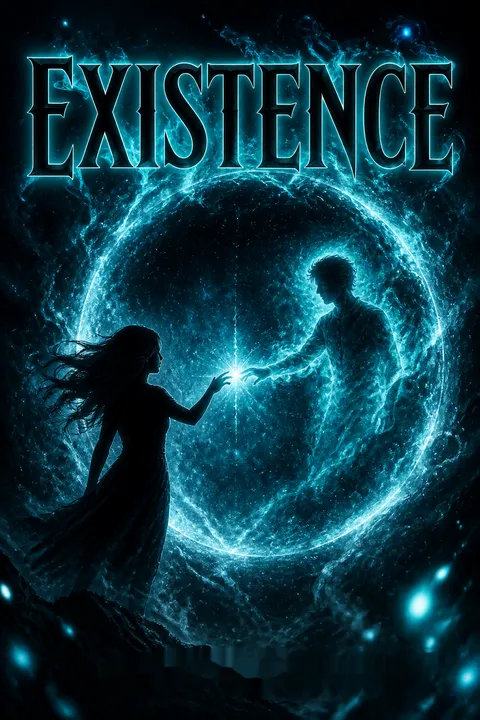
Existence by Abbi Glines is a contemporary paranormal romance that uses the framework of a love triangle and supernatural intrigue to explore profound questions about life, death, and the nature of the soul. At its core, the novel is a meditation on the power of choice and the meaning of sacrifice. Pagan's journey from isolation and fear to self-acceptance and courage mirrors the universal struggle to find purpose and connection in a world that often feels indifferent or hostile. The supernatural elements—souls, transporters, and Death himself—serve as metaphors for the unseen forces that shape our lives, from fate and destiny to trauma and healing. The novel's central message is that love, when freely chosen and selflessly given, has the power to transcend even the boundaries of existence. By choosing to live for another, Pagan redefines the terms of her own existence, demonstrating that true strength lies not in defiance or escape, but in the willingness to embrace life's uncertainties and give oneself fully to another. In a modern context, Existence speaks to the anxieties of a generation caught between the desire for safety and the longing for meaning, offering hope that even in the face of death, love endures.
Review Summary
Reviews for Existence are polarizing, averaging 3.92 stars. Fans praise its unique paranormal concept, the romantic tension between Pagan and Death-personified Dank, and its surprising plot twists. Critics frequently target the protagonist Pagan's selfish behavior, particularly her stringing along boyfriend Leif while pursuing Dank. Many readers find fault with the unusual character names, weak relationship development, and grammatical errors. Despite complaints, the cliffhanger ending—revealing Leif may not be human—compels even dissatisfied readers toward the sequel.
People Also Read



Characters
Pagan Moore
Pagan is a high school senior burdened with the ability to see wandering souls, a gift that isolates her from others and shapes her worldview. Intelligent, compassionate, and fiercely loyal, she struggles to balance her desire for normalcy with the supernatural realities that intrude upon her life. Pagan's journey is one of self-discovery, as she learns to confront her fears, embrace her unique gifts, and make choices that define her destiny. Her relationships—with friends, lovers, and the dead—are marked by empathy and courage. Ultimately, Pagan's willingness to sacrifice herself for love reveals the depth of her character and the strength of her soul.
Dank Walker
Dank is the personification of Death, an immortal being tasked with claiming souls at their appointed time. His existence is defined by loneliness and duty, until he encounters Pagan, whose soul awakens emotions he has never known. Dank is both protector and tempter, torn between his cosmic responsibilities and his love for Pagan. His struggle to reconcile his nature with his desires drives the narrative, as he risks everything to save her. Dank's journey is one of transformation, as he learns the meaning of sacrifice, vulnerability, and redemption. His love for Pagan challenges the very order of the universe.
Leif Montgomery
Leif is the school's golden boy—athletic, popular, and outwardly confident—but beneath the surface, he carries the scars of a difficult past. Adopted after years in foster care and struggling with dyslexia, Leif's resilience and sincerity endear him to Pagan. Their relationship offers her a sense of safety and normality, but Leif's true nature is shrouded in mystery. As the story unfolds, it becomes clear that Leif is not entirely human, and his connection to Pagan is deeper and more complicated than she realizes. Leif's journey is one of longing, loss, and the search for belonging.
Miranda Wouters
Miranda is Pagan's best friend, a source of humor, support, and occasional exasperation. Her vivacious personality and flair for the dramatic provide comic relief and emotional grounding. Miranda's loyalty is unwavering, and she is quick to defend Pagan against real and imagined threats. Her relationship with Wyatt is marked by passion and volatility, mirroring the intensity of Pagan's own romantic struggles. Miranda's presence anchors Pagan in the world of the living, reminding her of the importance of friendship and connection.
Wyatt Tucker
Wyatt is Pagan's childhood friend and Miranda's on-again, off-again boyfriend. His easygoing nature and athletic prowess make him a fixture in Pagan's social circle. Wyatt's unresolved feelings for Miranda and his protective instincts toward Pagan add layers of complexity to their relationships. He serves as a bridge between the ordinary and the extraordinary, offering support and stability even as the supernatural encroaches on their lives. Wyatt's loyalty and kindness make him a vital part of Pagan's journey.
Gee (Transporter)
Gee is a transporter—a supernatural being responsible for guiding souls to their next existence. Initially appearing as a quirky, unpredictable patient in the mental house, Gee's true nature is gradually revealed. She is both adversary and ally, tasked with restoring cosmic balance but sympathetic to Pagan's plight. Gee's interactions with Pagan are marked by sarcasm, wit, and a surprising depth of feeling. Her role as both enforcer and confidante highlights the complexity of the supernatural order and the possibility of redemption even for those bound by duty.
Kendra
Kendra is Leif's ex-girlfriend and a rival for Dank's attention. Her superficial charm and manipulative tendencies mask a deep insecurity and longing for connection. Kendra's actions often create conflict and tension, serving as a foil to Pagan's sincerity and depth. Her involvement with both Leif and Dank complicates the central love triangle and underscores the dangers of jealousy and possessiveness. Kendra's fate is a cautionary tale about the consequences of seeking validation through others.
The Blond Transporter (Ky)
Ky is a transporter like Gee, tasked with righting the balance when Dank breaks the rules by saving Pagan. Her presence is chilling and menacing, embodying the impersonal forces that govern life and death. Ky's attempts to claim Pagan's soul drive much of the story's tension, forcing Pagan and Dank to confront the limits of their power and the cost of defiance. Ky's role highlights the inevitability of fate and the dangers of challenging the established order.
Pagan's Mother
Pagan's mother is a writer who provides stability and comfort in the midst of chaos. Her unconditional love and pragmatic approach to life help Pagan navigate the challenges she faces. Though unaware of the supernatural forces at play, she senses her daughter's pain and seeks to help her heal. Her willingness to seek help for Pagan, even when she doesn't understand the cause, demonstrates her strength and devotion.
The Redheaded Girl (Hospital Soul)
The young girl Pagan meets in the hospital is a soul who can also see the dead. Her innocence is tempered by a wisdom beyond her years, and her conversations with Pagan reveal important truths about the nature of souls, reincarnation, and the cosmic order. She serves as a catalyst for Pagan's understanding of her own destiny and the choices she must make. Her presence is a reminder of the continuity of life and the possibility of hope even in the face of death.
Plot Devices
Dual Realities and Supernatural Sight
The narrative structure of Existence relies on Pagan's ability to see and interact with souls, creating a dual reality where the supernatural is woven seamlessly into everyday life. This device allows for the exploration of themes such as isolation, otherness, and the search for meaning. The presence of souls serves as both a metaphor for Pagan's internal struggles and a literal threat to her safety. The interplay between seen and unseen, known and unknown, drives the plot and shapes Pagan's journey.
Love Triangle and Emotional Conflict
The central love triangle between Pagan, Leif, and Dank is a classic plot device, used here to explore the tension between the comfort of the familiar and the allure of the unknown. Leif represents safety, normalcy, and the possibility of a conventional life, while Dank embodies danger, passion, and the supernatural. Pagan's struggle to choose between them mirrors her larger struggle to accept her own identity and destiny. The emotional conflict is heightened by the supernatural stakes, making the choice between love and duty a matter of life and death.
Foreshadowing and Symbolism
The story is rich with foreshadowing, from Pagan's early encounters with souls to the cryptic warnings of the transporters. Symbols such as music, dreams, and the recurring motif of the appointed time reinforce the themes of fate, sacrifice, and the cyclical nature of existence. The use of foreshadowing creates a sense of inevitability, building tension as Pagan moves toward her ultimate choice.
Sacrifice and Redemption
The climax of the story hinges on the concept of sacrifice—Pagan's willingness to give up her life for Dank, and Dank's willingness to defy the cosmic order for love. This device elevates the narrative from a simple romance to a meditation on the nature of love, duty, and redemption. The resolution of the plot depends on the characters' ability to transcend their own desires and act for the good of others, demonstrating the transformative power of selflessness.
Narrative Perspective and Emotional Intimacy
The use of a close first-person narrative allows readers to experience Pagan's thoughts, fears, and desires with immediacy and intimacy. This perspective deepens the emotional impact of the story, making Pagan's journey feel personal and relatable. The psychological realism of her struggles with trauma, love, and identity grounds the supernatural elements in authentic human experience.
About the Author
Other books by Abbi Glines








Download PDF
Download EPUB
.epub digital book format is ideal for reading ebooks on phones, tablets, and e-readers.








































