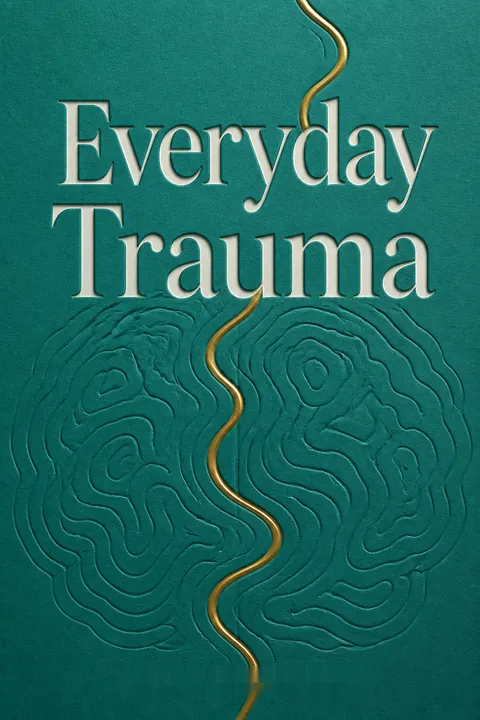

Key Takeaways
1. Trauma is universal, but its impact varies among individuals
Everyone has a story.
Trauma is common. Over 70% of people worldwide have experienced at least one traumatic event in their lives. These experiences range from car accidents and physical abuse to natural disasters and unexpected deaths of loved ones. However, not everyone who experiences trauma develops post-traumatic stress disorder (PTSD) or other mental health issues.
Individual differences matter. The impact of trauma depends on various factors, including:
- Genetics
- Early life experiences
- Support systems
- Coping mechanisms
- The nature and severity of the traumatic event
Some people may be more resilient due to a combination of these factors, while others may be more vulnerable to developing trauma-related symptoms. Understanding these individual differences is crucial for providing effective support and treatment for those who have experienced trauma.
2. The brain has two systems for responding to everyday trauma
We need the fast response to generate fear and action in the moment, and we need the slower stressful response to help us recover and learn from what happened.
Fast and fearful response. This system is designed for immediate action in threatening situations. It involves:
- The sympathetic nervous system
- Release of adrenaline (epinephrine)
- Increased heart rate and blood flow to muscles
- Quick decision-making and memory formation
Slow and stressful response. This system is activated for prolonged stress and recovery:
- The hypothalamic-pituitary-adrenal (HPA) axis
- Release of cortisol
- Changes in brain structure, particularly in the hippocampus
- Long-term memory consolidation and learning from the experience
These two systems work together to help us respond to and learn from traumatic experiences. The fast response helps us survive immediate threats, while the slow response helps us process and adapt to the experience over time.
3. Rumination perpetuates trauma's effects on mental health
If you realized how powerful your thoughts are, you would never think a negative thought.
Rumination defined. Rumination refers to repetitive, often negative thoughts about past events or one's own distress. It differs from worry, which is future-oriented and problem-solving focused. Rumination is typically:
- Self-focused
- Past-oriented
- Repetitive
- Not solution-oriented
Impact on mental health. Rumination can:
- Increase risk of depression and anxiety
- Interfere with problem-solving and daily functioning
- Maintain and exacerbate PTSD symptoms
- Reduce ability to focus on the present moment
Recognizing and reducing rumination is crucial for recovery from trauma and improving overall mental health. Techniques such as mindfulness, cognitive restructuring, and engaging in activities that require focus can help break the cycle of rumination.
4. Memory formation and retrieval shape our response to trauma
The hippocampus helps us tell and retell the stories of our lives.
Memory processes. The brain's memory systems, particularly the hippocampus and amygdala, play crucial roles in trauma response:
- Hippocampus: Involved in forming and retrieving episodic memories
- Amygdala: Processes emotional responses, particularly fear
Impact on trauma. These memory processes can:
- Create vivid, intrusive memories of traumatic events
- Lead to overgeneralization of fear responses
- Influence how we interpret and respond to future events
Understanding these processes can inform treatment approaches. For example, exposure therapy aims to create new, non-fearful associations with trauma-related stimuli, while cognitive processing therapy helps individuals reframe their interpretations of traumatic events.
5. Women are more vulnerable to stress-related mental illnesses
Women are two to three times more likely than men to be diagnosed with PTSD.
Factors contributing to gender differences:
- Higher rates of sexual violence and interpersonal trauma
- Hormonal fluctuations throughout the lifespan
- Societal and cultural factors influencing stress exposure and coping
- Greater tendency to ruminate
Implications for treatment. Recognizing these gender differences is crucial for:
- Developing targeted prevention strategies
- Tailoring treatment approaches to address specific vulnerabilities
- Promoting research that includes both sexes in studies of stress and trauma
While these differences exist, it's important to note that individual variations within genders are also significant. Treatment should always be personalized based on the individual's unique experiences and needs.
6. Neuroplasticity offers hope for healing from trauma
You are never really alone in your thoughts. A mother has to think twice, once for herself and once for her child.
Brain's capacity for change. Neuroplasticity refers to the brain's ability to form new neural connections and reorganize existing ones. This process occurs throughout life and is particularly relevant to trauma recovery:
- New neurons can be generated in certain brain regions, even in adulthood
- Existing neural connections can be strengthened or weakened based on experience
- The brain can adapt and rewire itself in response to new learning and experiences
Implications for trauma recovery. Neuroplasticity provides a biological basis for hope in trauma treatment:
- Traumatic experiences can change the brain, but so can positive experiences and interventions
- Therapeutic approaches can harness neuroplasticity to promote healing
- Lifestyle factors like exercise, learning new skills, and social connection can support brain health and recovery
Understanding neuroplasticity empowers individuals to take an active role in their recovery, knowing that their efforts can lead to real, measurable changes in their brains and experiences.
7. Evidence-based therapies can effectively treat trauma
Exposure therapy helps the memories become more organized.
Effective trauma therapies:
- Prolonged Exposure (PE): Gradually facing trauma-related memories and situations
- Cognitive Processing Therapy (CPT): Addressing unhelpful thoughts and beliefs related to trauma
- Eye Movement Desensitization and Reprocessing (EMDR): Combining exposure with bilateral stimulation
- Mindfulness-Based Stress Reduction (MBSR): Cultivating present-moment awareness and acceptance
Key principles of trauma therapy:
- Creating a safe, supportive therapeutic environment
- Addressing both the emotional and cognitive aspects of trauma
- Developing coping skills and resilience
- Integrating traumatic memories into a coherent life narrative
While these therapies have strong evidence supporting their effectiveness, it's important to remember that treatment should be tailored to the individual. What works best for one person may not be the ideal approach for another.
8. MAP Training combines mental and physical exercise for trauma recovery
MAP Training takes only one hour. But the benefits last longer, much longer indeed!
MAP Training explained. MAP (Mental and Physical) Training is a brain fitness program that combines:
- 30 minutes of focused-attention meditation
- 30 minutes of aerobic exercise
Benefits of MAP Training:
- Reduces depressive symptoms and rumination
- Improves cognitive function and attention
- Enhances overall well-being and quality of life
- May increase neuroplasticity and promote brain health
Research has shown that combining mental and physical training in this way can be more effective than either component alone. The program is accessible, requiring no special equipment or prior experience, and can be adapted to various fitness levels and preferences.
9. Developing mental skills enhances resilience to future traumas
We have to learn new skills and then keep learning more and more new skills throughout our lifetimes to keep our brains fit.
Key mental skills for resilience:
- Mindfulness: Cultivating present-moment awareness
- Cognitive flexibility: Adapting thoughts and behaviors to new situations
- Emotional regulation: Managing and responding to emotions effectively
- Problem-solving: Developing strategies to address challenges
- Self-compassion: Treating oneself with kindness and understanding
Practicing mental skills. Like physical exercise, mental skills require regular practice:
- Incorporate mindfulness into daily activities
- Challenge negative thought patterns
- Engage in activities that promote cognitive stimulation
- Seek out new learning experiences
- Practice self-care and stress management techniques
By developing these mental skills, individuals can build a toolkit for coping with future stressors and traumas. This proactive approach to mental health can help prevent the development of trauma-related symptoms and promote overall well-being.
Review Summary
Everyday Trauma receives mixed reviews, with an average rating of 3.48/5. Readers appreciate the accessible explanation of trauma's effects on the brain, especially for women. Many find the scientific information interesting but note the book's focus on female experiences. The author's proposed MAP (Mental and Physical) training method, combining meditation and exercise, is viewed as simple yet potentially effective. Some criticize the book for being too basic or repetitive, while others praise its practical advice and insights into trauma processing.
People Also Read





FAQ
1. What is "Everyday Trauma: Remapping the Brain's Response to Stress, Anxiety, and Painful Memories for a Better Life" by Tracey Shors about?
- Explores everyday trauma: The book examines how both major and minor traumas, as well as chronic stress, impact our brains, thoughts, and daily lives.
- Focus on brain science: Dr. Tracey Shors, a neuroscientist, explains the neurological mechanisms behind stress, anxiety, and trauma, making complex science accessible.
- Practical strategies: The book offers evidence-based methods, including the MAP Train My Brain program, to help readers manage and reframe their responses to stress and trauma.
- Personal and scientific stories: It blends personal anecdotes, case studies, and scientific research to illustrate how trauma shapes our memories, emotions, and behaviors.
2. Why should I read "Everyday Trauma" by Tracey Shors?
- Understand trauma’s prevalence: The book reveals that trauma is a universal human experience, not limited to extreme events or specific groups like veterans.
- Learn brain-based solutions: Readers gain insight into how the brain processes trauma and how to harness neuroplasticity for healing and resilience.
- Actionable advice: It provides practical, research-backed tools for reducing rumination, anxiety, and depression, making it useful for anyone seeking mental wellness.
- Empowering perspective: The book encourages readers to take an active role in shaping their mental health and rewriting their personal narratives.
3. What are the key takeaways from "Everyday Trauma" by Tracey Shors?
- Trauma is common and varied: Both acute and chronic traumas affect most people, influencing mental and physical health.
- Brains can be retrained: Neuroplasticity allows us to reshape our responses to stress and trauma through intentional mental and physical practices.
- Rumination is central: Repetitive negative thinking (rumination) is a major factor in maintaining trauma-related distress and is a key target for intervention.
- MAP Training is effective: Combining meditation and aerobic exercise (MAP Training) can significantly reduce depression, anxiety, and rumination, and improve overall well-being.
4. How does Tracey Shors define "everyday trauma" and how is it different from stress?
- Everyday trauma explained: Everyday trauma includes both sudden, intense events (like accidents) and ongoing, chronic stressors (like discrimination or illness).
- Trauma vs. stress: Trauma is typically more intense, shorter in duration, and leaves a psychological "wound," while stress can be chronic and less severe.
- Emotional impact: Trauma always involves negative emotions and a sense of threat or harm, whereas stress can sometimes be positive or motivating.
- Individual differences: People respond differently to the same events, and what is traumatic for one person may not be for another.
5. What are the two main forms of everyday trauma described in "Everyday Trauma" by Tracey Shors?
- Fast and fearful trauma: This form involves sudden, acute events that trigger intense fear and a rapid stress response (e.g., accidents, assaults).
- Slow and stressful trauma: Chronic, ongoing stressors (like poverty, illness, or the COVID-19 pandemic) that wear down resilience over time.
- Distinct biological systems: The body uses different systems to respond to these traumas—adrenaline for fast fear, cortisol for slow stress.
- Both forms are impactful: Each type can lead to lasting changes in the brain and behavior, and both require different coping strategies.
6. What is rumination, and why is it so important in "Everyday Trauma" by Tracey Shors?
- Definition of rumination: Rumination is repetitive, often negative, self-focused thinking about past events or perceived personal shortcomings.
- Link to mental health: High levels of rumination are strongly associated with depression, anxiety, and persistent trauma symptoms.
- Memory reinforcement: Each time we ruminate, we create new versions of traumatic memories, making them more vivid and harder to escape.
- Target for intervention: Reducing rumination is a central goal in Dr. Shors’ approach, as it can break the cycle of negative thoughts and improve mental health.
7. How does trauma affect the brain, according to "Everyday Trauma" by Tracey Shors?
- Structural changes: Chronic stress and trauma can shrink certain brain regions (like the hippocampus) and reduce the number of neurons.
- Memory encoding: Traumatic events are encoded more vividly and durably, often leading to intrusive memories and flashbacks.
- Neuroplasticity: The brain is always learning and changing, which means it can also recover and adapt with the right interventions.
- Intergenerational effects: Trauma can affect not just individuals but also their offspring, through both behavioral and epigenetic mechanisms.
8. What is the MAP Train My Brain program introduced in "Everyday Trauma" by Tracey Shors?
- MAP stands for Mental and Physical: The program combines focused-attention meditation (mental training) with aerobic exercise (physical training).
- Structure of the program: A typical session includes 20 minutes of sitting meditation, 10 minutes of walking meditation, followed by 30 minutes of aerobic exercise.
- Scientific basis: Research shows that this combination reduces depression, anxiety, and rumination more effectively than either activity alone.
- Accessible and adaptable: MAP Training is designed to be simple, low-cost, and suitable for people of all backgrounds and fitness levels.
9. How does MAP Training help with depression, anxiety, and trauma-related symptoms?
- Reduces negative thoughts: Participants report significant decreases in rumination and trauma-related cognitions after regular MAP Training.
- Improves mood and energy: Studies show a 40% reduction in depressive symptoms and increased motivation and vitality.
- Enhances brain function: MAP Training increases synchronized brain activity related to attention and may promote neurogenesis in the hippocampus.
- Builds resilience: By training both mind and body, individuals become better equipped to handle future stress and trauma.
10. What does "Everyday Trauma" by Tracey Shors say about women, trauma, and the brain?
- Higher rates of PTSD: Women are two to three times more likely than men to be diagnosed with PTSD and depression.
- Role of hormones: Fluctuating sex hormones (like estrogen) affect brain structure and stress responses, contributing to gender differences in trauma vulnerability.
- Social and cultural factors: Women are more likely to experience certain traumas (e.g., sexual violence) and to ruminate, which increases risk for mental health issues.
- Motherhood and resilience: Becoming a mother can change the brain and sometimes increase resilience to stress.
11. What are the main therapies for stress and trauma discussed in "Everyday Trauma" by Tracey Shors?
- Exposure therapies: Prolonged Exposure (PE) and Cognitive Processing Therapy (CPT) are evidence-based treatments that help people confront and reframe traumatic memories.
- Mindfulness-based approaches: Mindfulness-Based Stress Reduction (MBSR) and related practices focus on body awareness and present-moment attention.
- Medication: Antidepressants and anti-anxiety medications can help manage symptoms but are not cures for trauma.
- MAP Training as prevention: Dr. Shors advocates for MAP Training as a proactive, accessible way to build brain fitness and resilience, complementing traditional therapies.
12. What are the best quotes from "Everyday Trauma" by Tracey Shors and what do they mean?
- “Everyone has a story.” – Emphasizes the universality of trauma and the importance of understanding our personal narratives.
- “We can train our brains to play a leading role in the stories they create.” – Suggests that with effort and insight, we can reshape how our brains process and remember trauma.
- “If you realized how powerful your thoughts are, you would never think a negative thought.” – Highlights the impact of rumination and the value of mindful awareness.
- “Make the most of yourself for that is all there is of you.” – Encourages readers to take an active role in their mental health and personal growth.
- “The past doesn’t really exist anymore … except in our brains.” – Reminds us that our memories are constructed and can be reshaped, offering hope for healing.
Download PDF
Download EPUB
.epub digital book format is ideal for reading ebooks on phones, tablets, and e-readers.








































