
Plot Summary
Orphan's Secret Gift
Phae, a spirited orphan raised in the Winemiller vineyard, possesses a secret: she can steal memories with a blink, a gift she barely understands. Her life is simple and full of warmth, surrounded by other orphans and the loving, if strict, Winemiller couple. But her power, once a playful trick, has become a burden, making her both invisible and unforgettable. When a Vaettir prince arrives with dire warnings, Phae's world is upended. The Arch-Rike of Kenatos seeks her for reasons unknown, and her fireblood—a rare, magical trait—marks her as both a target and a potential savior. The comfort of home is shattered, and Phae is forced to confront the truth that her ordinary life was always a fragile illusion.
Shadows in the Vineyard
The arrival of Prince Aransetis and the revelation of Phae's true heritage ignite a chain of events that threaten everyone she loves. The vineyard, once a haven, becomes a place of fear as strangers and old friends alike are drawn into the web of secrets. Phae's closest companion, Trasen, is swept up in the turmoil, and the boundaries between friend and foe blur. The threat of the Arch-Rike's agents looms, and Phae's power becomes both a shield and a curse. Forced to flee with Trasen, she must leave behind the only family she has ever known, carrying with her the weight of her gift and the uncertainty of her future.
Flight into the Wild
Phae and Trasen's desperate flight into the mountains is fraught with peril. The wilderness tests their endurance and their bond, as rumors of plague and war swirl around them. The relentless pursuit by the Arch-Rike's assassin, the Kishion, brings terror and tragedy. Trasen's courage is met with overwhelming force, and Phae is forced to run alone, haunted by guilt and fear. The wild becomes a crucible, stripping away innocence and forging resolve. Phae's journey is no longer just about survival; it is about understanding her place in a world that hunts her for what she is.
Hunted by the Kishion
The Kishion, a soulless killer bound to the Arch-Rike, captures Phae. Yet, as they travel together, she glimpses the man beneath the mask—a being stripped of memory and identity, tormented by fragments of a forgotten past. Their uneasy alliance is marked by moments of unexpected kindness and shared vulnerability. Phae's empathy and courage begin to awaken something in the Kishion, even as he remains a deadly threat. The journey north is a test of wills, with Phae's hope and compassion pitted against the Kishion's training and the Arch-Rike's control. The line between captor and protector blurs, setting the stage for a transformation neither could have foreseen.
The Dryad's Warning
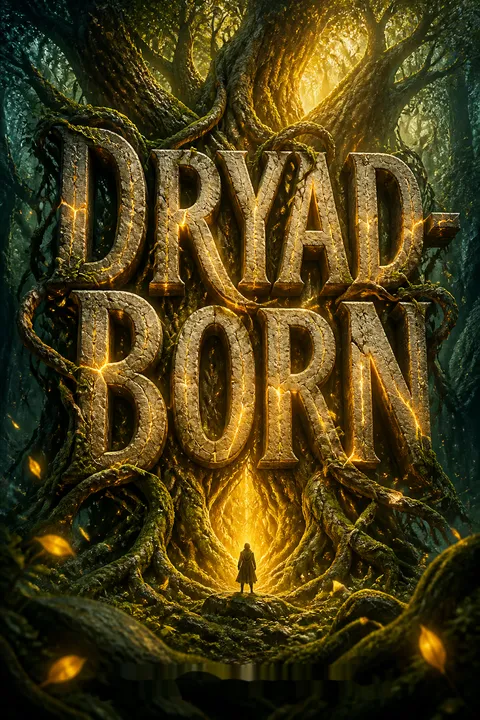
Guided by mysterious feelings and the intervention of a Dryad, Phae learns of her true heritage: she is Dryad-born, a bridge between worlds, and her power is unique. The Dryad warns her of the dangers ahead and the importance of her choices. Phae's journey is not just her own; it is tied to the fate of Mirrowen and the ancient magic that sustains the world. The encounter leaves her with more questions than answers, but also with a sense of purpose. The path forward is perilous, but Phae is no longer running only from danger—she is running toward her destiny.
Allies and Betrayals
Elsewhere, Annon, a young Druidecht, gathers a mismatched group of allies: the Vaettir prince Aransetis, the healer Khiara, the cunning Preachán Erasmus, the fierce Bhikhu Paedrin, and the enigmatic Hettie. Each is drawn by personal motives and haunted by past betrayals. Their quest to end the Plague and uncover the secrets of the Scourgelands is fraught with suspicion and conflicting loyalties. The Arch-Rike's influence is everywhere, and trust is a rare commodity. As their paths converge with Phae's, the group must navigate a landscape where every alliance is fragile and every betrayal has consequences.
The Paracelsus Conspiracy
The group's journey reveals the depth of the Paracelsus order's corruption and the Arch-Rike's ruthless ambition. The revival of a dead Rike exposes forbidden knowledge and the existence of Basilides, a hidden oracle guarded by the spirits of the past. The quest for the truth leads through traps, betrayals, and the revelation that the Arch-Rike's power is built on lies and the enslavement of spirits. The boundaries between science, magic, and faith blur, and the cost of knowledge becomes painfully clear. The group's resolve is tested as they confront the reality that the greatest threat may come from within.
The Bhikhu's Loss
Paedrin's return to his Bhikhu temple is met with devastation: his master and friends have been poisoned, victims of Romani intrigue and the Arch-Rike's indifference. The loss shatters Paedrin's faith and fills him with rage, but also with a deeper understanding of forgiveness and the futility of vengeance. Hettie, too, is forced to confront her past and the cost of freedom. Their shared pain forges a new bond, and together they vow to restore what has been lost. The journey becomes not just a quest for a cure, but a search for redemption and meaning in a world scarred by betrayal.
The Sword and the Poison
In the city of Lydi and the Shatalin temple, Paedrin and Hettie face deadly trials: the blinding magic of the Sword of Winds, the treachery of imposters, and the poison of monkshood. Each must prove their worth, not just as warriors but as individuals capable of mercy and sacrifice. The sword, a symbol of power and legacy, can only be claimed by one who overcomes both external enemies and inner demons. The choices they make—whom to trust, whom to spare—will shape the fate of the quest and their own souls.
The Scourgelands' Threshold
The group's journey leads to Basilides, a labyrinthine oracle on the border of the Scourgelands. Here, the past and present collide: ancient guardians, deadly traps, and the truth about the Plague's origins. The cost of entry is high—Erasmus falls, and Annon is forced to wield forbidden magic. The torc of protection is claimed, but at the price of innocence and memory. The group stands at the threshold of the Scourgelands, changed by loss and revelation, and must decide whether to press on into the heart of darkness.
The Council's Treachery
Seeking aid from the Druidecht council, the group is met with suspicion and political intrigue. The Arch-Rike's influence has corrupted even this sanctuary, and a traitor among the Thirteen ensures that Tyrus and his companions are blamed for a massacre they did not commit. The last hope of refuge is lost, and the group is forced to flee, hunted by those they sought to save. The bonds of trust are tested to the breaking point, and the true cost of the quest becomes clear: there is no going back.
The Arch-Rike's Trap
The Arch-Rike's machinations reach their zenith as he manipulates events to destroy the group's reputation and sever their connections to the past. The Dryad trees are destroyed, and with them, the memories and bonds that sustained Annon and Phae. The loss is devastating, leaving them adrift and grieving. The Arch-Rike's offer of false salvation is rejected, and the group is forced to confront the reality that victory will require the ultimate sacrifice: the loss of self, of love, and of home.
Sacrifice and Memory
Phae's journey comes full circle as she is forced to use her power to erase Trasen's memories, saving him from the Arch-Rike's grasp but losing the person she loves most. The act is both an act of mercy and a source of unbearable pain. Annon, too, is forced to let go of Neodesha, the Dryad who gave him perfect memory and love, as her tree is destroyed. The theme of memory—its power to heal and to wound—reaches its emotional peak. The cost of the quest is measured not just in lives, but in the loss of what makes life worth living.
The Dryad's Kiss
Phae learns the full truth of her Dryad heritage and the responsibilities it entails. The Dryad's kiss, a gift and a curse, binds her to the fate of Mirrowen and the world. The choice to accept immortality and the burden of memory is hers alone, and the consequences will shape not just her own destiny, but that of all the kingdoms. The lessons of love, sacrifice, and the power of choice are crystallized in this moment, as Phae prepares to enter the Scourgelands and face the darkness within and without.
The Gathering of Fates
The scattered threads of the story converge as Tyrus, Phae, Annon, Paedrin, Hettie, the Kishion, and their allies gather for the final push into the Scourgelands. Each brings their own wounds, hopes, and secrets. The group is a tapestry of strengths and weaknesses, united by a common purpose but divided by personal demons. The fate of the world rests on their shoulders, and the choices they make in the days to come will determine whether hope or despair prevails.
Into the Scourgelands
With sanctuary lost and the world arrayed against them, the group crosses the threshold into the Scourgelands. The dangers ahead are unknown, but the resolve is unbreakable. The lessons of the past—of love, loss, betrayal, and sacrifice—are their only guide. The story ends on the cusp of a new beginning, with the promise that the greatest challenges, and the greatest revelations, are yet to come.
Analysis
Dryad-Born is a sweeping tale of memory, identity, and the cost of hope in a world on the brink of ruin. At its heart, the novel asks what it means to be human when the past is both a source of pain and the key to salvation. Through Phae's journey from orphan to Dryad-born savior, the story explores the power of choice, the burden of sacrifice, and the necessity of letting go. The interplay between magic and memory serves as both plot engine and philosophical inquiry, challenging characters and readers alike to consider what is worth remembering and what must be forgotten. The novel's structure—interweaving multiple perspectives, betrayals, and revelations—mirrors the complexity of its themes, creating a narrative that is both emotionally resonant and intellectually engaging. In a modern context, Dryad-Born speaks to the importance of confronting the past, embracing vulnerability, and forging connections in the face of uncertainty. Its lessons are timeless: that healing requires both courage and compassion, and that the future is shaped not by destiny, but by the choices we make when all seems lost.
Review Summary
People Also Read
Characters
Phae
Phae is the emotional heart of the story—a young woman whose journey from orphaned obscurity to pivotal savior is marked by loss, courage, and self-discovery. Her power to steal memories is both a blessing and a curse, isolating her from others yet making her uniquely suited to confront the mysteries of Mirrowen. Phae's relationships—with Trasen, her adoptive family, and the enigmatic Kishion—reveal her deep empathy and longing for connection. Her Dryad heritage places upon her the burden of immortality and the responsibility to heal a world ravaged by the Plague. Phae's arc is one of sacrifice: she must let go of love and home to embrace a destiny that is both terrifying and transcendent. Her choices, shaped by compassion and resilience, become the fulcrum upon which the fate of all rests.
The Kishion (Shion)
Once the Arch-Rike's most feared killer, the Kishion is a man without a past, his memories stolen to absolve him of guilt and bind him to his master's will. His journey with Phae awakens fragments of humanity long suppressed, and her compassion becomes the catalyst for his transformation. The Kishion's struggle is deeply psychological: he is both monster and man, capable of great violence and unexpected tenderness. As he sheds the chains of the Arch-Rike's control, he becomes not just Phae's captor but her fiercest protector—and, ultimately, a man seeking redemption and the truth of his own identity. His arc is one of painful self-discovery, as he confronts the possibility that his past may be unforgivable, yet chooses to fight for a future shaped by choice rather than compulsion.
Tyrus Paracelsus
Tyrus is the architect of the quest to end the Plague, a man whose brilliance is matched only by his capacity for secrecy and sacrifice. As Phae's father, he is both distant and fiercely protective, willing to risk everything—including his daughter's happiness—for the greater good. Tyrus's knowledge of ancient magic and political intrigue makes him both a target and a leader, but his inability to trust fully isolates him from those he needs most. His arc is defined by the tension between ambition and love, and the realization that victory may require the ultimate personal cost. Tyrus embodies the theme that knowledge and power, without compassion, can become a curse.
Annon of Wayland
Annon is a gifted Druidecht whose perfect memory, granted by a Dryad's kiss, is both his greatest asset and his deepest wound. Haunted by loss and driven by a sense of duty, Annon's journey is one of grappling with the weight of history and the pain of love. His relationship with Neodesha, the Dryad, is a source of strength and vulnerability, and her loss leaves him adrift. Annon's arc is about learning to balance knowledge with feeling, and to find hope even when memory becomes a source of suffering. His leadership is tested by betrayal and grief, but his resolve to heal the world remains unbroken.
Paedrin
Paedrin is a master of martial arts and philosophy, raised in the Bhikhu temple and shaped by its virtues. The destruction of his home and the loss of his master shatter his faith, forcing him to confront the limits of forgiveness and the dangers of vengeance. His relationship with Hettie, marked by banter and growing affection, becomes a lifeline in a world gone mad. Paedrin's arc is one of reclaiming purpose and learning that true strength lies not in violence, but in the courage to forgive and to teach others. His humor and resilience provide balance to the group's darker struggles.
Hettie
Hettie's life has been defined by captivity and betrayal, first as a Romani slave and then as a pawn in the Arch-Rike's schemes. Her cunning and resourcefulness make her invaluable, but her trust is hard-won. The removal of her Romani earring marks a turning point, as she claims agency over her own fate. Her relationship with Paedrin is a dance of vulnerability and strength, and her willingness to risk everything for the quest is a testament to her growth. Hettie's arc is about breaking free from the chains of the past and forging a new identity on her own terms.
Prince Aransetis
Aransetis is a figure of calm authority and deep conviction, torn between duty to his people and personal longing. His role as protector and strategist is vital to the group's survival, but his emotional reserve masks a well of pain and unspoken love, particularly for Khiara. Aransetis's arc is one of self-denial and sacrifice, as he prepares to face death for the greater good. His presence anchors the group, providing wisdom and stability in the face of chaos.
Khiara Shaliah
Khiara's gift of healing is matched by her gentleness and inner fortitude. Her love for Aransetis is a source of both hope and sorrow, as she grapples with the knowledge that he may never return her feelings. Khiara's arc is about finding strength in service and learning to let go. Her compassion and resilience are essential to the group's survival, and her quiet courage inspires those around her.
Kiranrao
Kiranrao is a master manipulator, driven by ambition and a hunger for power. His shifting loyalties and cunning make him both a valuable ally and a dangerous adversary. Kiranrao's arc is one of self-interest, but even he is forced to confront the limits of control and the unpredictability of fate. His presence is a constant reminder that the line between friend and foe is never clear.
Lukias
Lukias is a man caught between worlds, his loyalty to the Arch-Rike undermined by self-preservation and a grudging respect for Tyrus and his companions. His knowledge is invaluable, but his motives are always suspect. Lukias's arc is one of survival and adaptation, as he navigates shifting allegiances and the ever-present threat of betrayal. His fate is a cautionary tale about the dangers of serving power without conviction.
Plot Devices
Memory as Power and Curse
Memory is the central plot device, both literal and metaphorical. Phae's ability to steal memories, the Dryad's kiss granting perfect recall, and the Arch-Rike's theft of the Kishion's past all serve to explore how memory defines selfhood, love, and responsibility. The loss and restoration of memory drive character arcs and plot twists, forcing characters to confront who they are without the anchor of the past. The destruction of the Dryad trees and the erasure of memories symbolize the cost of the quest and the fragility of hope. This device is used to foreshadow betrayals, reveal hidden truths, and underscore the theme that healing the world requires both remembering and letting go.
The Reluctant Chosen One
Phae's journey follows the classic arc of the reluctant hero, thrust into a destiny she neither sought nor wanted. Her transformation from orphan to savior is mirrored by the group's evolution from a band of misfits to a fellowship united by purpose. The narrative structure weaves together multiple points of view, allowing for foreshadowing and dramatic irony as secrets are revealed to the reader before the characters. The use of parallel journeys—Phae's flight, Annon's quest, Paedrin and Hettie's trials—creates a tapestry of interconnected fates, building tension and emotional resonance.
Betrayal and Shifting Allegiances
Betrayal is a recurring device, with characters forced to question the motives of allies and enemies alike. The infiltration of the group by the Arch-Rike's agents, the treachery at Canton Vaud, and the ever-present threat of the Kishion's conditioning create an atmosphere of suspense and paranoia. Foreshadowing is used to hint at betrayals before they occur, heightening the emotional impact and reinforcing the theme that trust is both a strength and a vulnerability.
The Plague and the Scourgelands
The Plague is both a physical danger and a metaphor for the corruption of power and the loss of hope. The Scourgelands, shrouded in mystery and madness, represent the ultimate test—a place where the past must be confronted and the future decided. The journey to the Scourgelands is foreshadowed by dreams, warnings, and the gradual unraveling of the world's order. The use of ancient magic, forbidden knowledge, and the interplay between science and faith create a rich backdrop for the characters' struggles.
The Power of Choice and Sacrifice
Throughout the narrative, characters are faced with impossible choices—between love and duty, memory and oblivion, self-preservation and sacrifice. The plot is driven by these decisions, with each act of courage or surrender shaping the outcome of the quest. The theme of sacrifice is embodied in Phae's willingness to lose Trasen, Annon's acceptance of grief, and the group's resolve to face the unknown together. The story's structure ensures that every victory is tempered by loss, and every loss is a step toward redemption.
About the Author

Download PDF
Download EPUB
.epub digital book format is ideal for reading ebooks on phones, tablets, and e-readers.








































