
Plot Summary
Shadows in the Alleyway
In the shadowed alleys of Vinguard, Isola and her best friend Saipha narrowly avoid being caught by Lucan, the vicar's son, as they search for a way into the city's forbidden places. Their friendship is a lifeline in a city ruled by fear of dragons and the mysterious curse that turns humans into monsters. Isola's golden eyes mark her as Valor Reborn, the city's supposed savior, but she feels the weight of expectation and the terror of her own secret: she may be dragon cursed. The tension between hope and dread pulses as they find a hidden door, setting the stage for the trials and betrayals to come.
Scourge on the Wall
Isola and Saipha discover a breach in the city wall, exposing them to the deadly scourge—red dust that brings madness and death. Isola secretly collects a sample for her mother, who seeks a cure for the curse. The city's fear of Ethershade, the dark half of magic, is palpable, and Saipha's terror at the sight of the scourge is a mirror to Isola's own hidden fears. The girls' bond is tested as Isola hides her actions, knowing that even her closest friend would be forced to kill her if she were found to be cursed. The city's bells toll, signaling a dragon attack and shattering their fragile sense of safety.
Dragon Attack Unleashed
A green dragon descends upon Vinguard, unleashing acid and terror. Isola and Saipha barely escape as the city's defenders unleash magical weapons. The attack is personal for Isola—her mother's home is in the dragon's path. The trauma of past attacks resurfaces, blurring the line between memory and reality. The city's reliance on Etherlight-powered weapons, designed by Isola's father, is both a source of pride and dread. The aftermath leaves Isola shaken, her sense of responsibility deepening as she witnesses the cost of survival in a city at war with itself and the monsters at its gates.
Aftermath and Arrest
In the wake of the attack, Isola finds her mother scavenging dragon remains for research, risking execution. They are caught and arrested by Saipha's father, a Mercy Knight. The interrogation by Vicar Darius and Isola's father is fraught with tension—Isola must lie to protect her mother, using her status as Valor Reborn as a shield. The city's laws are merciless, and even family ties offer little protection. Isola's internal struggle intensifies as she questions her identity, her mother's research, and the true nature of the curse. The night ends with a bittersweet farewell, the threat of the Tribunal looming.
Tribunal Looms Closer
The day before the Tribunal, Isola's home is filled with tension and unspoken fears. Her stepmother and stepbrother offer comfort, but the city's rituals and secrecy around the Tribunal breed anxiety. Isola's relationship with her father is strained by secrets and doubts about the Creed's authority. The carriage ride to the monastery is a journey into uncertainty, as Isola grapples with her role as Valor Reborn and the possibility that her golden eyes are a manufactured symbol. The city's faith in her is both a burden and a prison, and the coming trials promise to test her to the core.
Secrets and Tinctures
On the eve of the Tribunal, Isola confides in her mother about her fears of being cursed. Her mother's tinctures have kept her symptoms at bay, but the truth remains elusive. The city's rituals and the Creed's dogma offer no comfort. Isola's mother urges her to have faith in herself, warning her of the cruelty she will face in the Tribunal. The bond between them is fierce and protective, but the city's machinery of suspicion and sacrifice is relentless. Isola steels herself for the coming ordeal, determined to survive and protect those she loves, even as she doubts her own fate.
The Convening Begins
The Tribunal's opening is a public spectacle, with Isola paraded as Valor Reborn. The vicar's manipulations are on full display, and the city's hopes are pinned on her. The supplicants—eighteen-year-olds from all walks of life—are herded into the monastery, where the rules are strict and the tests are shrouded in secrecy. Isola's friendships and rivalries are sharpened by the pressure, and the presence of Lucan, the vicar's enigmatic son, adds another layer of tension. The city's faith in the Creed is both a source of unity and a tool of control, and Isola feels the weight of every gaze.
Into the Monastery
The monastery is a labyrinth of secrets, watched over by young Mercy Knights with deadly daggers. The supplicants are warned: any sign of the curse means death. Isola's fear of dragons and her trauma from the past haunt her, even as she tries to project strength. The challenges are designed to push them to their limits, and alliances begin to form and fracture. The city's history is woven into the very stones, and the tapestries of dragons serve as both warning and prophecy. Isola's sense of self is tested as she navigates the dangers within and without.
Trials and Terrors
The Tribunal's first challenge is a scramble for keys to secure a room for the night. Violence erupts among the supplicants, and Isola is forced to intervene. The Mercy Knights watch impassively, their only concern the emergence of the curse. Isola's resourcefulness and compassion set her apart, but also make her a target. The night brings new horrors—mechanical dragons powered by Etherlight attack, and Isola must use forbidden knowledge to survive. The line between human and monster blurs, and the city's rituals of mercy are revealed to be acts of calculated cruelty.
Alliances and Betrayals
Isola's relationship with Lucan deepens as they are forced to rely on each other to survive the automaton attack. Secrets are revealed—Lucan can use sigils without a gilding, marking him as extraordinary. The Tribunal's challenges are as much psychological as physical, designed to break the supplicants' spirits and expose the cursed. Isola's friendship with Saipha is tested by the pressures of survival and the city's demand for sacrifice. The Mercy Knights' true role—as executioners of the cursed—is ever-present, and Isola must decide who to trust as the stakes rise.
The First Night's Ordeal
Isola is sequestered on the rooftop, exposed to the elements and the threat of dragons. The city's rituals of testing are revealed to be acts of terror, designed to force the curse to manifest. Isola's resilience is tested as she endures the night alone, haunted by doubts and memories. The bonds of friendship and family are her only anchor, but the city's machinery of suspicion is relentless. The morning brings no relief, only the promise of more trials and the knowledge that survival is never guaranteed.
Automatons Awaken
The Tribunal's next challenge unleashes dragon-shaped automatons, deadly machines powered by Etherlight and artificer sigils. Isola's knowledge, inherited from her father, becomes her salvation as she disables the machines and discovers hidden sigils. The city's reliance on magic and technology is both a strength and a vulnerability. Lucan's abilities and secrets come to the fore, and the alliance between him and Isola is cemented by shared danger. The Mercy Knights' indifference to the supplicants' suffering is a stark reminder of the city's priorities.
Sigils and Survival
Isola's use of sigils—drawing Etherlight without a gilding—marks her as truly special, but also puts her at greater risk. The Tribunal's challenges escalate, and the supplicants are forced to turn on each other for survival. Hunger, deprivation, and psychological torment wear them down. Isola's friendships are strained by secrets and the ever-present threat of betrayal. The city's rituals are revealed to be tools of control, and the true nature of the curse remains elusive. Isola's sense of self is both weapon and shield as she navigates the labyrinth of suspicion.
Rooftop Interrogation
Isola is interrogated on the rooftop, chained and exposed as bait for dragons. The city's rituals of testing are revealed to be acts of calculated cruelty, designed to force the curse to manifest. The Mercy Knights' role as executioners is ever-present, and Isola's resilience is tested to the breaking point. The bonds of friendship and family are her only anchor, but the city's machinery of suspicion is relentless. The morning brings no relief, only the promise of more trials and the knowledge that survival is never guaranteed.
Hunger and Desperation
The Tribunal's next phase is starvation—meals are withheld, and the supplicants are forced to fight for survival. Alliances fracture, and violence erupts as desperation mounts. Isola, Lucan, and Saipha work together to find hidden caches of food, but the city's machinery of suspicion is relentless. The Mercy Knights' indifference to suffering is a stark reminder of the city's priorities. The bonds of friendship are tested by hunger and fear, and the line between human and monster blurs ever further.
The Font's Revelation
Isola is taken to the Font, the source of Etherlight, and forced to commune with its raw power. Visions reveal the city's true history—Vinguard is a massive artificer sigil, and Valor, the city's legendary hero, became the Elder Dragon. The city's rituals are revealed to be tools of control, and the true nature of the curse is laid bare. Isola's power is both a gift and a curse, and the vicar's plans to steal it for himself are revealed. The bonds of friendship and family are her only anchor as the city's machinery of suspicion closes in.
The Final Test
The Tribunal's final test is a gauntlet of challenges, designed to push the supplicants to their limits. Saipha, Isola's best friend, succumbs to the curse and transforms into a dragon before the city's eyes. The Mercy Knights execute her, and Isola is arrested for showing compassion. The city's rituals of mercy are revealed to be acts of calculated cruelty, and the machinery of suspicion is relentless. Isola's sense of self is shattered by loss, but the bonds of friendship and family remain her only anchor.
Saipha's Transformation
The loss of Saipha devastates Isola, who is imprisoned and accused of treason. The city's machinery of suspicion is relentless, and the Mercy Knights' indifference to suffering is a stark reminder of the city's priorities. Isola's sense of self is shattered by loss, but the bonds of friendship and family remain her only anchor. The vicar's plans to steal her power are revealed, and the true nature of the curse is laid bare. Isola's power is both a gift and a curse, and the city's rituals are revealed to be tools of control.
Valor's True Legacy
Isola is rescued by Lucan and the ashborn—humans from beyond the wall who can transform into dragons. The truth is revealed: Valor, the city's legendary hero, became the Elder Dragon, and Vinguard is a massive artificer sigil designed to funnel power into one man. The city's rituals are tools of control, and the true nature of the curse is laid bare. Isola's power is both a gift and a curse, and the bonds of friendship and family are her only anchor as she prepares to confront the vicar and the city's machinery of suspicion.
Flight and Transformation
Isola, Lucan, and the ashborn flee Vinguard as the city collapses under the weight of its own secrets. Lucan reveals his true nature as a dragon, and Isola's own transformation is triggered. The city's rituals are revealed to be tools of control, and the true nature of the curse is laid bare. Isola's power is both a gift and a curse, and the bonds of friendship and family are her only anchor as she embraces her new identity. The story ends with Isola transformed, ready to face the world beyond the wall and the legacy of Valor.
Analysis
Dragon Cursed is a searing exploration of power, identity, and the machinery of suspicion in a society built on fear. Elise Kova crafts a world where survival is never guaranteed, and mercy is a weapon wielded by those in power. The Tribunal, with its escalating trials and psychological torment, serves as both a literal and symbolic crucible, exposing the city's reliance on sacrifice and the cost of internalizing cruelty. The story's emotional core is the bond between Isola, Saipha, and Lucan—friendship and love as acts of rebellion in a world that demands suspicion and betrayal. The revelation that Valor, the city's legendary hero, became the Elder Dragon is a masterstroke, subverting the narrative of savior and monster and exposing the dangers of unchecked power. Isola's journey—from reluctant savior to self-acceptance and transformation—mirrors the story's central lesson: true strength lies not in conformity or sacrifice, but in the courage to question, to love, and to choose one's own path. The novel is a powerful meditation on the cost of survival, the meaning of mercy, and the possibility of hope in a world built on lies.
Review Summary
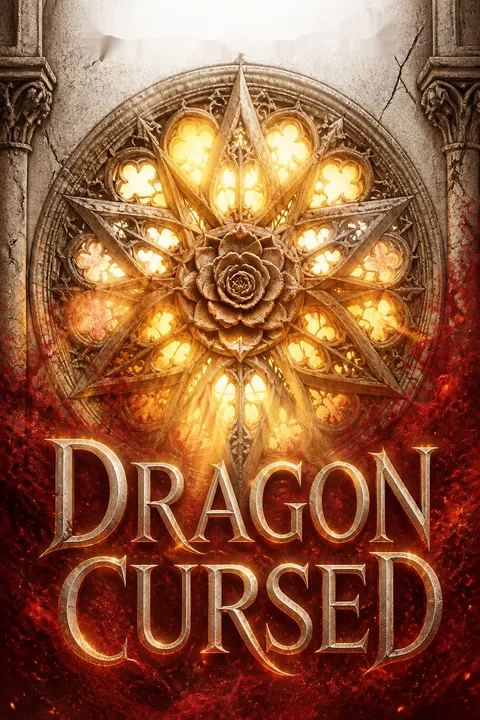
Dragon Cursed by Elise Kova receives mixed reviews averaging 3.97/5 stars. Readers praise the unique dragon lore, dark themes addressing systemic control and religious hypocrisy, and the explosive cliffhanger ending. Many appreciate protagonist Isola's character development and Lucan as the male lead. Common criticisms include excessive telling over showing, a mediocre middle section with uncompelling trials, underdeveloped side characters, and formulaic YA tropes. Several reviewers note confusion with worldbuilding and magic system explanations. Despite mixed reception, fans eagerly anticipate book two and the announced film adaptation. The duology's cinematic quality and fast pacing earn particular appreciation.
Characters
Isola Thaz
Isola is the protagonist, marked by golden eyes as Valor Reborn, the city's supposed savior. She is fiercely loyal to her friends and family, but burdened by the weight of expectation and the terror of being dragon cursed. Her relationship with Saipha is a lifeline, and her bond with Lucan is fraught with trust and betrayal. Isola's psychological journey is one of self-doubt, resilience, and the search for identity in a world that demands sacrifice. Her development is shaped by trauma, love, and the revelation that the city's legends are built on lies. Ultimately, she must embrace her power and her difference to survive and challenge the system.
Saipha Celest
Saipha is Isola's best friend and the daughter of a Mercy Knight. Brave, loyal, and determined, she dreams of joining Mercy and defending the city. Her relationship with Isola is deep and complex, marked by shared secrets and mutual support. Saipha's psychological arc is one of hope eroded by fear and the relentless pressures of the Tribunal. Her transformation into a dragon is both a literal and symbolic breaking point, embodying the city's cruelty and the cost of survival. Her loss devastates Isola and serves as a catalyst for rebellion.
Lucan Darius
Lucan is the vicar's adopted son, trained as both a curate and a secret weapon. He is marked by his ability to use sigils without a gilding, and his true nature as ashborn—a human who can transform into a dragon—is revealed late in the story. Lucan's relationship with Isola is a dance of trust, betrayal, and longing. He is torn between loyalty to the Creed and his own sense of justice. His psychological journey is one of self-acceptance and the struggle to reconcile his dual nature. Lucan's love for Isola and his willingness to risk everything for her are central to his development.
Vicar Darius
The vicar is the head of the Creed and the architect of Vinguard's rituals of suspicion and sacrifice. He is both a father figure and a tormentor to Isola and Lucan, using them as tools in his quest for power. The vicar's psychological profile is marked by narcissism, cruelty, and a messianic belief in his own destiny. His relationship with Isola is one of control and exploitation, and his ultimate goal is to steal her power for himself. The vicar's downfall is a reckoning for the city's corruption.
Kassin Thaz (Isola's Father)
Kassin is a master artificer and high curate, responsible for many of the city's magical defenses. He is emotionally distant but deeply protective of Isola, working in secret with her mother to shield her from the vicar's schemes. Kassin's psychological arc is one of sacrifice and quiet rebellion, culminating in his death as a martyr for the cause. His relationship with Isola is marked by unspoken love and the burden of secrets.
Isola's Mother
Isola's mother is a former Earthwarden, cast out for her research into the curse and the scourge. She is fiercely intelligent, resourceful, and willing to break the law to protect her daughter. Her relationship with Isola is one of deep love and mutual respect, and her research is key to understanding the true nature of the curse. She is a symbol of hope and resistance in a city ruled by fear.
Pia (Prelate)
Pia is Lucan's sister and a key member of the ashborn, humans from beyond the wall who can transform into dragons. She infiltrates Mercy as a knight, using illusion to hide her true nature. Pia is pragmatic, ruthless, and deeply loyal to her people. Her relationship with Lucan is protective but strained by the dangers they face. Pia's psychological arc is one of survival and the willingness to do whatever it takes to protect her own.
Cindel
Cindel is a fellow supplicant, driven by ambition and a desire for power. She is both a rival and a mirror to Isola, embodying the city's values of sacrifice and suspicion. Cindel's psychological journey is one of envy, resentment, and eventual breakdown as the system she serves turns on her. Her actions serve as a warning of the cost of internalizing the city's cruelty.
Myla and Ember
Myla and Ember are twins from beyond the wall, part of the ashborn who infiltrate the city to rescue Lucan and Isola. They are resourceful, cunning, and fiercely loyal to their people. Their relationship with Isola is initially one of suspicion, but they become allies in the fight against the vicar and the city's machinery of control. Their psychological arc is one of adaptation and the struggle to balance survival with compassion.
Dazni
Dazni is another member of the ashborn, working with Pia, Myla and Ember to rescue Isola and Lucan. He is pragmatic, optimistic, and a stabilizing force within the group. Dazni's relationship with the others is marked by camaraderie and a shared sense of purpose. His psychological journey is one of hope in the face of overwhelming odds, and his presence is a reminder that survival is possible beyond the city's walls.
Plot Devices
The Tribunal
The Tribunal is the central narrative structure—a three-week ordeal designed to root out the dragon cursed and forge new citizens. It is a series of escalating trials—physical, psychological, and magical—that strip away the supplicants' defenses and force them to confront their deepest fears. The Tribunal is both a literal and symbolic crucible, exposing the city's machinery of suspicion, sacrifice, and control. It serves as a microcosm of Vinguard's society, where survival is never guaranteed and mercy is a weapon.
The Curse and Etherlight
The curse—the transformation of humans into dragons—is the story's central mystery and source of fear. Etherlight and Ethershade, the two halves of magic, are both tools and dangers. The city's rituals and technology are powered by Etherlight, but the fear of Ethershade drives suspicion and violence. The true nature of the curse is revealed through foreshadowing, visions, and the gradual unraveling of the city's history. Magic is both a source of hope and a justification for cruelty.
Sigils and Artifice
Artificer sigils—magical symbols that channel Etherlight—are both a source of power and a tightly guarded secret. Isola's ability to use sigils without a gilding marks her as special, but also puts her at risk. The city's reliance on technology and magic is both a strength and a vulnerability, and the secrets of the sigils are key to understanding the city's true history. The motif of hidden knowledge recurs throughout, with maps, codes, and puzzles serving as both obstacles and opportunities.
Foreshadowing and Visions
The story is rich with foreshadowing—visions, dreams, and cryptic warnings that hint at the true nature of the curse and the city's history. Isola's trauma and memories are both a source of vulnerability and a key to unlocking the truth. The revelation that Valor became the Elder Dragon is seeded throughout, and the final confrontation is both a fulfillment and a subversion of prophecy.
Betrayal and Trust
The machinery of suspicion and sacrifice forces the characters to question each other's motives and loyalties. Betrayals—both real and perceived—are a constant threat, and trust is hard-won and easily lost. The relationships between Isola, Saipha, and Lucan are shaped by secrets, lies, and the ever-present threat of death. The story's emotional arc is driven by the tension between the need for connection and the fear of betrayal.
About the Author


Download PDF
Download EPUB
.epub digital book format is ideal for reading ebooks on phones, tablets, and e-readers.








































