
Plot Summary
Assignment: Old Enemies, New Threats
Draco, now an Auror, is forced into a protection detail for Hermione Granger, a renowned Healer and medical researcher. Both are reluctant, their history as school rivals and war adversaries still raw. The assignment is shrouded in secrecy—Hermione's research is rumored to be groundbreaking, and the Minister fears for her safety. Draco's initial irritation is matched by Hermione's, but the threat is real: shadowy forces are already circling. Their first meeting is tense, professional, and laced with old wounds, but the stakes are clear—Hermione's life, and perhaps the future of magical medicine, hang in the balance.
Reluctant Partners, Reluctant Friends
Draco and Hermione are compelled to work together, assessing and improving her security. Their interactions are prickly, full of barbed wit and mutual skepticism. Draco's expertise as an Auror is matched by Hermione's brilliance and stubbornness. As they test each other's defenses—magical and emotional—small cracks appear in their animosity. Draco's grudging respect for Hermione's competence grows, while Hermione, despite herself, begins to trust Draco's judgment. The partnership is uneasy, but necessity forges a fragile truce.
Security Tests and Subtle Games
Draco conducts a thorough security audit of Hermione's lab and home, exposing both physical and psychological vulnerabilities. Hermione's defenses are formidable, but Draco's insight as a former almost-Dark wizard gives him an edge. Their professional rivalry becomes a game of one-upmanship, each trying to outwit the other. Yet, beneath the banter, real concern emerges—Hermione's work is more dangerous than Draco realized, and her exhaustion is palpable. The tests become a dance, each learning the other's strengths and weaknesses, and the first hints of empathy flicker.
The Ring and the Bargain
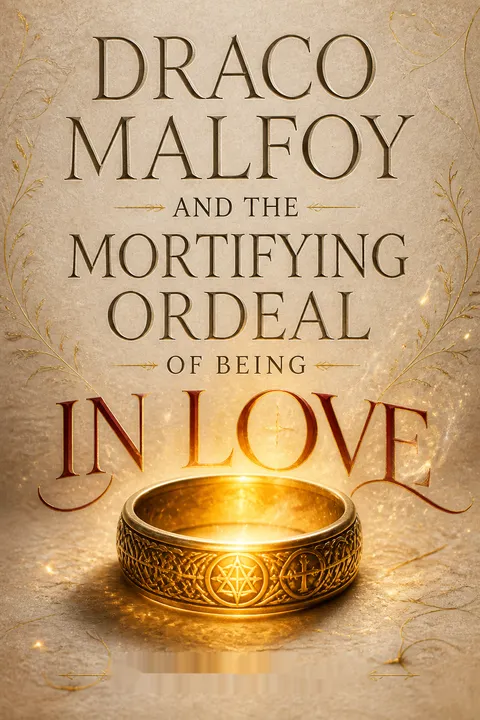
To avoid constant surveillance, Draco crafts a magical ring—an ancient Malfoy artifact—linking Hermione's safety to his own. The ring is both a lifeline and a symbol of reluctant intimacy. Hermione, wary of Malfoy heirlooms, analyzes it with suspicion, but ultimately accepts. The bargain is struck: Draco can monitor her from afar, and Hermione can reclaim some privacy. The ring's magic is complex, echoing the tangled trust and wariness between them. It is a promise of protection, but also a tether neither fully understands.
House Calls and Hidden Vulnerabilities
Draco wards Hermione's cottage, discovering the chaos and loneliness of her private life. The visit is awkward, full of accidental intimacy—shared meals, glimpses of vulnerability, and the ever-present, judgmental cat. Draco's professional detachment is tested by Hermione's exhaustion and her stubborn refusal to accept help. Their arguments are sharp, but so is the undercurrent of care. The boundaries between duty and something more begin to blur, as both realize how much they are hiding from the world—and from each other.
Pagan Holidays and Secret Quests
Hermione's research leads her on secret pilgrimages tied to the old Pagan calendar—Imbolc, Ostara, Beltane, and beyond. Draco, ever the reluctant chaperone, follows her into wild landscapes and stranger mysteries. Each holiday brings new challenges: magical plants, cryptic texts, and encounters with beings older than Hogwarts. Their forced proximity breeds late-night confessions, accidental touches, and the slow, mortifying ordeal of growing attraction. The holidays become milestones in their uneasy alliance, marking the passage from enemies to something like friends.
The Keepers and the Green Well
At Imbolc, Hermione seeks a rare magical water guarded by ancient, hag-like Keepers. Draco's protective instincts are tested as Hermione bargains with these dangerous beings. The encounter is harrowing—part quest, part psychological trial. The Keepers' cryptic warnings and the perilous magic of the Green Well force Draco and Hermione to rely on each other. The experience leaves them shaken, but also bound by shared secrets and the knowledge that the threats they face are not just human.
Unlikely Trust, Unlikely Desire
The aftermath of their adventures leaves Draco and Hermione changed. Trust, once unthinkable, begins to take root. Their banter softens, and moments of genuine care slip through. Yet, with trust comes vulnerability—and desire. The ring's magic echoes their growing connection, and accidental touches become charged. Both are mortified by their feelings, convinced the other could never reciprocate. The ordeal of being in love—unexpected, inconvenient, and overwhelming—becomes the new challenge neither is prepared to face.
The Viking and the Wolf
A new threat emerges: Gunnar Larsen, a Viking-like wizard with ties to werewolves and a hidden agenda. He is both a rival researcher and a predator, targeting Hermione and others in her field. The werewolf Greyback resurfaces, orchestrating attacks and seeking to stop Hermione's cure at any cost. The danger escalates—kidnappings, betrayals, and near-fatal encounters. Draco's role as protector becomes personal, and Hermione's project is revealed to be nothing less than a cure for lycanthropy. The stakes are now life, death, and the soul of the magical world.
Escalation: Danger and Discovery
The threats become real—Hermione is kidnapped, the ring destroyed, and Draco must race against time to save her. The rescue is brutal, and both are left battered, physically and emotionally. In the aftermath, secrets are laid bare: Hermione's project, the mole in the Ministry, and the true scope of the conspiracy against her. The ordeal forges an unbreakable bond between Draco and Hermione, but also forces them to confront the depth of their feelings. The mortifying ordeal of being in love is now a matter of survival.
The Nuns' Bargain and the Demon's Price
In a desperate gambit, Hermione calls in a favor from a convent of magical nuns—keepers of ancient, dangerous magic. When Greyback's army closes in, the nuns unleash a demon to annihilate the werewolf threat. The battle is apocalyptic, a clash of faith, fire, and forbidden spells. Draco and Hermione survive by wit and luck, but the cost is high. The nuns' intervention is both salvation and a reminder of the price of power. In the aftermath, the world is changed, and so are they.
The Mortifying Ordeal of Wanting
With the external threats vanquished, Draco and Hermione are left to face the internal ordeal—their longing for each other. The ring, once a symbol of duty, now binds them in ways neither can deny. Their banter is laced with yearning, and accidental touches become intentional. The mortifying ordeal of being in love is no longer just a joke—it is the truth. Both are terrified, both are hopeful, and both must decide if they are brave enough to risk everything for each other.
Mabon: Mushrooms and Accidental Kisses
The autumn equinox brings another quest—this time for rare mushrooms and the final ingredient for Hermione's cure. The journey is muddy, ridiculous, and unexpectedly romantic. Amidst laughter and bickering, an accidental kiss changes everything. The line between friendship and something more is crossed, and both are left reeling. The ordeal of wanting becomes the ordeal of hope, as they realize that what they feel might not be unrequited after all.
Samhain: Hope and Heists
The final ingredient for the cure—Hope itself—lies in Pandora's box, guarded by a reclusive collector. Draco and Hermione, now partners in crime as well as love, stage a daring heist. The adventure is a caper, full of disguises, close calls, and laughter. On Samhain night, with the veil between worlds thin, they give in to desire at last. Their union is both a celebration and a promise—the ordeal of being in love is now a joy.
The Final Battle: Fire and Flood
Greyback's final assault is brutal—Hermione is kidnapped, the ring destroyed, and Draco must risk everything to save her. The battle is chaos: fire, blood, and the intervention of the nuns. The demon is unleashed, and the werewolf threat is ended in a storm of violence and holy water. In the aftermath, Draco and Hermione are battered but alive, and the world is changed. The ordeal is over, but the journey is not.
Aftermath: Healing and Homecoming
With the threat ended, Hermione's cure is celebrated, and Draco is honored for his heroism. Both are changed—scarred, but stronger. The magical world begins to heal, and so do they. Their relationship, once forbidden, is now a source of joy. The ordeal of being in love becomes the comfort of being loved. Home is no longer a place, but each other.
Confessions in the Snow
In the quiet of winter, Draco confesses his love to Hermione, baring his soul and risking everything. Hermione, equally vulnerable, admits her own feelings. The mortifying ordeal is transformed into a moment of grace. They promise to face the future together, whatever it brings. The snow falls, the world is quiet, and love, at last, is enough.
Journeys End in Lovers Meeting
The story ends with hope and joy—Hermione's cure is a triumph, Draco's love is returned, and the world is brighter for their ordeal. They are no longer enemies, nor merely partners, but lovers and friends. The journey, once marked by danger and denial, ends in laughter, warmth, and the promise of a life shared. The mortifying ordeal of being in love is, at last, a blessing.
Analysis
"Draco Malfoy and the Mortifying Ordeal of Being in Love" is a masterclass in the enemies-to-lovers, slow-burn romance, using the scaffolding of magical adventure to explore the psychological ordeal of vulnerability, trust, and desire. The story's brilliance lies in its ability to balance humor and heartbreak, action and introspection, the epic and the intimate. At its core, it is a meditation on the cost and reward of loving—how the very things that mortify us are also the things that make us whole. The narrative's use of magical plot devices—rings, rituals, nuns, and demons—serves to externalize the internal struggles of its characters, making the ordeal of being in love both literal and mythic. The lessons are clear: that hope is a force as real as any spell, that healing is both a personal and communal act, and that love, in all its mortifying, inconvenient, and overwhelming glory, is worth every risk. The story's final message is one of joy: that journeys end in lovers meeting, and that the ordeal, in the end, is a blessing.
People Also Read

Characters
Draco Malfoy
Draco begins as a jaded, sharp-tongued Auror, forced into a protection detail for his old rival. His journey is one of reluctant vulnerability—his competence and cynicism are matched by Hermione's brilliance and stubbornness. Draco's psychological arc is a slow, mortifying surrender to trust and love. His wit is a shield, but beneath it lies a deep longing for connection and redemption. The ring he crafts is both a symbol of duty and a tether to his own heart. As danger escalates, Draco's protectiveness becomes personal, and his feelings for Hermione—first denied, then confessed—transform him. He is haunted by guilt, pride, and the fear of being unworthy, but love, in the end, is his salvation.
Hermione Granger
Hermione is a force of nature—hyper-competent, fiercely independent, and driven by a need to do good. Her research is her life, and the burden of genius is both her strength and her isolation. She is wary of Draco, but necessity breeds trust, and trust breeds affection. Hermione's psychological journey is one of learning to accept help, to be vulnerable, and to risk her heart. Her longing is mortifying, her desire inconvenient, and her hope—once hidden in Pandora's box—becomes her greatest gift. She is both the architect of her own safety and the architect of her own happiness, learning that love is not a weakness, but a strength.
Gunnar Larsen
Larsen is a formidable antagonist—a brilliant, ruthless wizard with ties to werewolves and a hidden agenda. His psychological complexity lies in his duality: scientist and predator, rival and threat. He is driven by envy, ambition, and a desire to control what he cannot create. His pursuit of Hermione is both professional and personal, and his violence is a mirror to the dangers of unchecked power. Larsen's presence forces Draco and Hermione to confront the reality of the threats they face, and his defeat is both a victory and a warning.
Fenrir Greyback
Greyback is the shadow at the heart of the story—a monster who thrives on fear and violence. He is the ultimate antagonist, orchestrating attacks and seeking to destroy Hermione's cure. Psychologically, he represents the darkness that both Draco and Hermione must face—externally and within themselves. His defeat is a catharsis, a necessary exorcism of the past, and a testament to the power of hope and community.
Nymphadora Tonks
Tonks is the head of the Auror Office, a figure of authority and irreverent wisdom. She is both a taskmaster and a source of support, guiding Draco through his professional and personal ordeals. Her own history with werewolves and her marriage to Lupin add depth to her role—she is both invested and impartial, a reminder that love and duty can coexist. Tonks' presence is a stabilizing force, and her acceptance of Draco and Hermione's relationship is a quiet blessing.
Harry Potter
Harry is both a colleague and a confidant, his own history with Draco and Hermione shaping his perspective. He is protective, loyal, and occasionally exasperated by their antics. Harry's psychological arc is one of learning to let go—of old grudges, of the need to control, and of the fear of losing those he loves. His support is both a challenge and a comfort, and his friendship is a touchstone for both Draco and Hermione.
Ron Weasley
Ron is the heart of the trio, his humor and warmth balancing the story's darker moments. He is fiercely protective of Hermione, skeptical of Draco, and ultimately supportive of their happiness. Ron's psychological journey is one of acceptance—of change, of growth, and of the possibility that even old enemies can become family. His presence is a reminder that love is not just romantic, but communal.
Narcissa Malfoy
Narcissa is both a source of pressure and a source of wisdom. Her desire for Draco's happiness is both a burden and a blessing, and her acceptance of Hermione is a quiet revolution. Narcissa's psychological arc is one of letting go—of old prejudices, of control, and of the past. Her blessing is the final piece in Draco's journey to wholeness.
The Prioress and the Nuns
The magical nuns are both comic and terrifying, their intervention a deus ex machina that is both earned and unsettling. Psychologically, they represent the unpredictable, the wild, and the sacred. Their bargain with Hermione is a reminder that power comes with a price, and that salvation can be found in the most unlikely places.
Crookshanks (the Cat)
Crookshanks is more than a pet—he is a symbol of Hermione's independence, a judge of character, and, in his own way, a protector. His approval is hard-won, and his interventions are both comic and meaningful. Psychologically, he represents the part of Hermione that is wary, discerning, and unwilling to settle for less than she deserves.
Plot Devices
The Magical Ring
The ring Draco crafts is both a plot device and a metaphor. It allows him to monitor Hermione's safety, but also binds them in ways neither anticipates. The ring's magic echoes their growing connection—its destruction and repair mirror the breaking and mending of trust. As a narrative device, it enables moments of crisis, rescue, and revelation, and its evolution tracks the arc from professional obligation to personal devotion.
Forced Collaboration and Proximity
The story's structure is built on forced collaboration—Draco and Hermione are compelled to work together, to share space, and to rely on each other. This proximity is both a source of tension and a crucible for change. The slow burn is sustained by narrative devices—shared quests, magical holidays, and escalating danger—that force them to confront their feelings. The ordeal of being in love is both literal and psychological, and the narrative wrings every drop of mortification and longing from it.
Pagan Calendar and Magical Quests
The structure of the story is mapped onto the Pagan calendar—Imbolc, Ostara, Beltane, Mabon, Samhain, and Yule. Each holiday is both a plot milestone and a metaphor for transformation. The quests for magical ingredients are both external adventures and internal journeys, forcing Draco and Hermione to face danger, desire, and the past. The holidays mark the passage from enemies to friends to lovers, and the cycle of the year mirrors the cycle of their relationship.
The Nuns and the Demon
The intervention of the magical nuns is both a plot twist and a commentary on the unpredictability of magic. Their bargain with Hermione, the unleashing of the demon, and the apocalyptic battle are both a climax and a catharsis. The nuns' power is both salvation and a reminder that every victory has a cost. The device allows for a resolution that is both earned and unsettling, and it reframes the story's central questions about power, faith, and hope.
The Mortifying Ordeal of Being in Love
The central plot device is psychological—the ordeal of wanting, of being vulnerable, of risking everything for love. The narrative structure is built on denial, slow realization, and the eventual, joyful surrender. The ordeal is mortifying, but it is also transformative. The story's emotional arc is a slow climb from suspicion and fear to trust and hope, and the final confession is both a release and a new beginning.
Download PDF
Download EPUB
.epub digital book format is ideal for reading ebooks on phones, tablets, and e-readers.








































