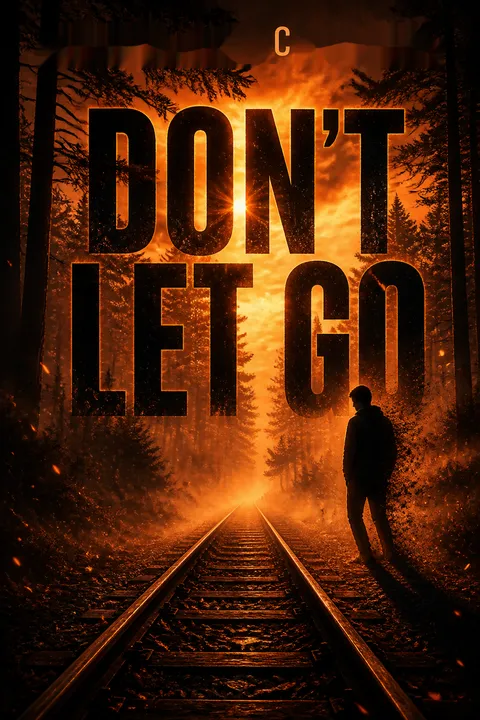

Plot Summary
Twin Shadows, Broken Night
Napoleon "Nap" Dumas, a cop in suburban New Jersey, is haunted by the night his twin brother Leo and Leo's girlfriend Diana died on the train tracks, and his own girlfriend Maura vanished without a trace. The trauma of that night has defined Nap's life, leaving him isolated, obsessed, and unable to move on. He clings to memories of his brother, their childhood, and the love he lost, all while maintaining a façade of normalcy in his quiet town. The pain is compounded by unanswered questions: Was it an accident, suicide, or something more sinister? Nap's search for meaning and closure is reignited when the past comes crashing back into his present.
The Past Comes Knocking
Nap's routine is shattered when two Pennsylvania detectives arrive at his door. They inform him that Rex Canton, a high school friend and former cop, has been murdered during a suspicious DUI stop. Even more shocking, Maura's fingerprints are found at the scene. The revelation that Maura is alive—and possibly involved—sends Nap spiraling. He is forced to confront the unresolved mysteries of his youth, the pain of Maura's disappearance, and the possibility that the events of that fateful night are connected to new violence. The past, it seems, refuses to stay buried.
Ghosts in the Woods
Nap joins the detectives at the murder scene, piecing together the details of Rex's death. The evidence suggests a setup: Rex was running a scam, nailing men for DUIs to help women in custody battles, with Maura as his accomplice. But the murder feels too calculated, too personal. Nap's investigation leads him back to the woods behind his old school, the site of teenage rebellion and the mysterious Nike missile base. The woods are thick with memories—of love, loss, and the Conspiracy Club, a secret group Leo belonged to. The ghosts of that night seem closer than ever.
The Conspiracy Club Unveiled
Ellie, Nap's best friend, reveals a crucial clue: a yearbook pin marking members of the Conspiracy Club, including Leo, Maura, Rex, Hank, and Beth. The club's purpose was to uncover the truth about the Nike base, rumored to be more than a Cold War relic. As Nap and Ellie retrace the club's steps, they realize that its members have met tragic fates—dead, missing, or destroyed. The pattern is too strong to ignore. Nap suspects that whatever the club discovered fifteen years ago is at the heart of the current violence, and that Maura's disappearance was no accident.
The Cop, the Ex, the Murder
Nap's search for Maura intensifies. He learns that she was working with Rex, luring men into DUI traps. But the night of Rex's murder, Maura was present—and vanished again. CCTV footage confirms her identity, and Nap's emotions are torn between hope and dread. He questions whether Maura is a victim, a conspirator, or something else entirely. The investigation reveals layers of deception, as Nap uncovers the mechanics of Rex's scam and the possibility that someone is targeting the Conspiracy Club's survivors. The line between hunter and hunted blurs.
Yearbook Secrets and Old Pins
Ellie's discovery of the yearbook pins leads Nap to track down the remaining club members. Hank is mentally ill and missing, Beth is a reclusive doctor, and Maura is still in the wind. The club's history is pieced together: they were obsessed with the Nike base, convinced it hid government secrets. As Nap interviews old friends and teachers, he learns that the base was more than a missile site—it was a place of intense secrecy, possibly a black site. The club's curiosity may have cost them their lives, and Nap fears he is next.
The Nike Base Mystery
Nap's research into the Nike base uncovers chilling possibilities. Once a missile control center, it was later shrouded in secrecy, with rumors of government experiments and clandestine operations. Local historian Jeff Kaufman and former base commander Andy Reeves provide conflicting stories—agriculture research, or something darker? Nap suspects the base was a black site, used for illegal detentions and interrogations. The club's discovery of a stealth helicopter landing there, captured on a hidden videotape, may have triggered a deadly cover-up. The past and present collide as Nap edges closer to the truth.
Hank's Fall from Grace
Hank, once a math prodigy and club member, is now a broken man, the target of a viral video falsely accusing him of exposing himself near a school. The online shaming leads to his disappearance and, ultimately, his murder—his body found mutilated and hanged. The brutality of Hank's death shocks Nap and the town, but it also feels like a message. Someone is erasing the club's survivors, using the chaos of modern outrage as cover. Nap is forced to confront the cruelty of both the past and the present, and the cost of secrets left to fester.
Viral Lies, Real Death
Nap investigates the viral video that destroyed Hank's life, uncovering that it was fabricated by a vengeful parent. The ease with which a lie can ruin a life—and the willingness of the mob to believe it—mirrors the larger conspiracy at play. As Nap exposes the truth behind the video, he realizes that the real danger is not just from shadowy government agents, but from ordinary people willing to destroy others for their own comfort. The intersection of personal vendettas and institutional cover-ups becomes deadly, and Nap feels the noose tightening around him.
The Web of Betrayal
As Nap closes in on the truth, he is betrayed by those closest to him. Ellie, his confidante, has kept Maura's secret for years. Augie, his mentor and Diana's father, is revealed to have his own dark connection to the events of that night. The lines between justice and revenge blur, as Nap uncovers a web of lies, guilt, and complicity. The survivors of the Conspiracy Club are being hunted, and Nap must decide whom he can trust—and whether the truth is worth the cost.
The Truth About Leo
The final pieces fall into place. Through confessions and recovered memories, Nap learns that Leo and the club orchestrated a cruel prank on Diana, drugging her with LSD as revenge for a breakup. The prank went horribly wrong when the club's activities collided with the base's secret operations. In the chaos, Diana and Leo were killed—Diana by a guard's bullet, Leo by Augie's hand, seeking justice for his daughter. The deaths were covered up as a train accident, and the survivors scattered, haunted by guilt and fear. The truth is devastating, implicating everyone Nap loves.
The Reckoning at Dawn
Nap confronts Augie, who confesses to killing Leo and orchestrating the deaths of the remaining club members as revenge. The cycle of violence and secrecy is laid bare, and Nap is forced to arrest the man who was like a father to him. The cost of truth is high—friendships destroyed, innocence lost, and the past forever stained. But Nap refuses to let the cycle continue. He chooses justice over vengeance, determined to break free from the shadows that have defined his life.
Letting Go, Moving Forward
With the truth finally revealed, Nap is left to pick up the pieces. He reconnects with Maura, both scarred but ready to try again. The ghosts of Leo, Diana, and the past will never fully disappear, but Nap chooses to let go, to live in the present, and to embrace the possibility of happiness. The story ends not with triumph, but with hard-won acceptance—a recognition that the past cannot be changed, but the future is still unwritten.
Analysis
A meditation on grief, guilt, and the cost of secretsDon't Let Go is more than a thriller; it's a psychological exploration of how trauma, secrecy, and the search for justice shape lives. Harlan Coben uses the framework of a murder mystery to probe deeper questions: How do we live with the past? What is the price of truth? The novel critiques both institutional and personal failures—the government's willingness to sacrifice individuals for security, and the ways friends and family betray each other out of fear, jealousy, or love. The viral video subplot is a sharp commentary on modern mob justice and the ease with which lies can destroy lives. Ultimately, the story argues that closure is not about vengeance or even answers, but about acceptance and the courage to move forward. Nap's journey—from haunted seeker to a man willing to let go—offers a hard-won hope: that even in the aftermath of tragedy, love and connection are possible, if we dare to face the truth.
Review Summary
Don't Let Go receives largely positive reviews, averaging 4.05 stars. Readers praise Coben's signature dry humor, complex plotting, and unpredictable twists. The protagonist Nap, a detective investigating his twin brother's death and girlfriend's disappearance from 15 years ago, resonates with fans. Many compare it favorably to Coben's Myron Bolitar series, appreciating a cameo appearance. The conspiracy theory element and emotional depth are highlights. However, some critics found the plot far-fetched, characters two-dimensional, and pacing uneven. Despite mixed opinions, most agree Coben delivers a compelling, fast-paced thriller that keeps readers engaged.
People Also Read







Characters
Napoleon "Nap" Dumas
Nap is a New Jersey cop defined by loss: his twin brother Leo's death and the disappearance of his girlfriend Maura. Intelligent, obsessive, and emotionally scarred, Nap is driven by a need for answers and justice, often at the expense of his own well-being. His relationships are marked by distance and mistrust, yet he is fiercely loyal to those he loves—especially Ellie and his late brother. Nap's psychological journey is one of confronting grief, guilt, and the limits of vengeance. Over the course of the story, he evolves from a man trapped by the past to someone willing to let go and embrace the uncertain future.
Maura Wells
Maura is the enigmatic center of Nap's emotional world. After witnessing the chaos at the Nike base, she vanishes, living a life on the run, always looking over her shoulder. Resourceful, intelligent, and deeply traumatized, Maura is both victim and survivor. Her relationship with Nap is fraught with longing, regret, and unresolved love. Maura's return forces her to confront the consequences of her choices and the pain she left behind. Ultimately, she seeks not just safety, but redemption and connection.
Leo Dumas
Leo, Nap's twin, is the story's absent presence—a bright, troubled young man whose actions set the tragedy in motion. As the leader of the Conspiracy Club, Leo is curious, daring, and increasingly reckless, especially after his relationship with Diana falters. His decision to orchestrate a cruel prank on Diana, fueled by jealousy and heartbreak, leads to unintended catastrophe. Leo's death is both a mystery and a wound, shaping Nap's quest for truth and meaning.
Ellie
Ellie is Nap's best friend and moral anchor, running a shelter for abused women and serving as his confidante. Intelligent, compassionate, and pragmatic, Ellie is the voice of reason in Nap's life. Yet she, too, is burdened by secrets—her knowledge of Maura's whereabouts and her own struggles with trust and betrayal. Ellie's relationship with Nap is tested by the revelations of the past, but her loyalty and integrity remain steadfast.
Augie Styles
Augie, Diana's father and Nap's mentor, is a complex figure—tough, principled, and ultimately broken by loss. His quest for justice for his daughter leads him down a dark path, culminating in acts of vengeance against those he holds responsible. Augie's psychological unraveling is a study in grief, guilt, and the corrosive power of revenge. His confession and arrest mark the story's emotional climax, forcing Nap to confront the cost of truth.
Rex Canton
Rex, once a member of the Conspiracy Club, becomes a cop running a morally dubious DUI scam. His murder is the catalyst for Nap's investigation, and his connection to Maura complicates the narrative. Rex is emblematic of the club's survivors—damaged, compromised, and ultimately doomed by the secrets they share.
Hank Stroud
Hank, a former math prodigy, is destroyed by mental illness and the weight of the past. Targeted by a viral lie and murdered in a brutal fashion, Hank's fate is a commentary on the cruelty of both the mob and the system. His obsession with retracing the club's steps reflects his desperate need for understanding and absolution.
Beth Lashley
Beth, the last living club member, is a reclusive cardiologist haunted by her role in the events of that night. Her confession to Nap reveals the full extent of the club's actions and the devastating consequences of peer pressure, jealousy, and fear. Beth's psychological torment is a mirror of Nap's own, and her survival is tinged with both relief and sorrow.
Andy Reeves
Reeves, the former commander of the Nike base, embodies institutional secrecy and moral ambiguity. His role in the cover-up and his willingness to use violence to protect the base's secrets make him both antagonist and symbol of a system that values security over truth. Reeves's confrontation with Nap is a battle of wills, with the past as the ultimate weapon.
Diana Styles
Diana, Augie's daughter and Leo's girlfriend, is the story's tragic heart. Her death is the result of a cruel prank, institutional violence, and a cascade of bad decisions. Diana's memory haunts every character, driving their actions and shaping their fates. She is both a symbol of lost innocence and a reminder of the cost of secrets.
Plot Devices
Intertwined timelines and unreliable memory
The novel's structure weaves together present-day investigation and flashbacks, blurring the line between memory and reality. Nap's narration is colored by grief, guilt, and longing, making him both a reliable investigator and an unreliable narrator. The use of yearbooks, videotapes, and confessions as plot devices allows the story to gradually reveal the truth, while maintaining suspense and emotional tension. The recurring motif of the Nike base—at once a symbol of Cold War paranoia and modern secrecy—anchors the narrative, connecting personal tragedy to institutional corruption. Foreshadowing is deftly employed, with small details (pins, yearbook photos, viral videos) gaining significance as the story unfolds. The ultimate revelation—that the greatest betrayals are personal, not institutional—subverts expectations and delivers a powerful emotional punch.
About the Author
Other books by Harlan Coben






Download PDF
Download EPUB
.epub digital book format is ideal for reading ebooks on phones, tablets, and e-readers.








































