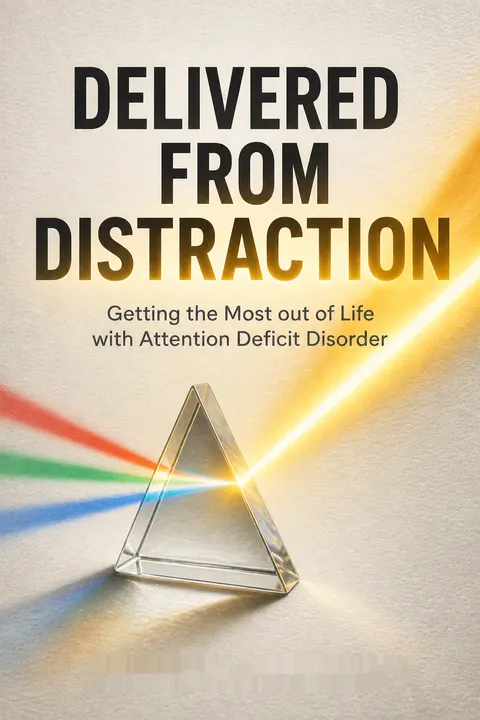

Key Takeaways
1. ADD: A Unique Mind, Not Just a Disorder
The best way to think of ADD is not as a mental disorder but as a collection of traits and tendencies that define a way of being in the world.
Reframing ADD. Forget the negative connotations; ADD is more than a deficit. It's a distinctive collection of traits, a "turbocharged race-car brain" that, when managed, can be a powerful asset. The traditional diagnostic criteria often miss the vibrant, zesty side of ADD, focusing only on its challenges.
Paradoxical nature. Life with ADD is full of contradictions. Individuals can exhibit intense focus (hyperfocus) on engaging tasks, yet struggle with distractibility on mundane ones. They might be highly creative and energetic but also prone to disorganization and procrastination. This inconsistency often leads to labels like "lazy" or "attitude problem," masking the underlying neurological differences.
Hidden gifts. Beyond the struggles, ADD often comes with remarkable strengths. These include:
- Original, "out-of-the-box" thinking
- Exceptional creativity and charisma
- High energy and liveliness
- Unusual sense of humor
- Remarkable persistence and resilience
- Deep intuition and warm-heartedness
The goal is to sculpt ADD into a blessing by accentuating these useful qualities and managing the pitfalls.
2. Holistic Diagnosis Uncovers Buried Strengths
The best diagnostic procedures also include a search for talents and strengths, as these are the key to the most successful treatments.
Beyond symptoms. A proper ADD diagnosis goes beyond merely ticking off symptoms from a checklist. It's a comprehensive process that involves understanding the individual's life story, identifying patterns of attention variability, and, crucially, uncovering their unique talents and strengths. This holistic approach transforms diagnosis from a label of pathology into an opportunity for growth.
The "history" is paramount. While various tests exist, the most powerful diagnostic tool is the individual's personal history, often corroborated by a spouse, parent, or teacher. This narrative reveals how attention has fluctuated across different life settings and over time. Supplementary tools like the quantitative electroencephalogram (qEEG) can offer objective data, but they don't replace the richness of a personal story.
Dispelling stigma. Historically, behaviors now linked to ADD were met with moral condemnation, leading to shame and misunderstanding. A medical diagnosis shifts the perspective from "bad" or "lazy" to a biologically based condition. This reframing is therapeutic in itself, allowing individuals to shed self-blame and embrace a path toward self-acceptance and effective management.
3. The Five-Step Cycle to Lasting Joy and Mastery
The starting point is the feeling of connectedness. This is the most important part of the cycle.
Joyful living framework. Lasting joy isn't about avoiding misery, but actively cultivating a life rich in purpose and engagement. The "Five Steps to Lasting Joy" offers a powerful, cyclical method for achieving this, especially for individuals with ADD:
- Connect: Build strong, positive relationships and a sense of belonging.
- Play: Engage in activities that spark imagination and light up the brain.
- Practice: Naturally repeat enjoyable activities, fostering discipline.
- Mastery: Experience the satisfaction of continuous improvement, not necessarily perfection.
- Recognition: Receive validation from others, reinforcing connection and self-worth.
The power of connection. Feeling connected—to family, friends, community, nature, or a spiritual path—is the bedrock of emotional well-being. It provides a safe space to explore interests and take risks. Disconnection, conversely, fuels anxiety, depression, and self-destructive behaviors. Prioritizing genuine human contact is as vital as diet and exercise.
Play as discovery. Play is not trivial; it's where true talents are discovered and nurtured. When individuals with ADD find activities that allow them to "play" and enter a state of "flow," their brains light up, fostering intrinsic motivation and discipline. This organic process of engagement leads to sustained practice and, ultimately, a sense of mastery that builds confidence and self-esteem.
4. Lifestyle Changes: Your Brain's Natural Tonics
Ten minutes of physical exercise offers the same benefits—without the side effects—as a dose of Prozac combined with a dose of Ritalin.
Holistic well-being. Effective ADD treatment extends far beyond clinical interventions, deeply integrating lifestyle adjustments that act as powerful brain tonics. These changes are fundamental for optimizing brain function and mitigating ADD symptoms. They include:
- Adequate Sleep: Most ADD individuals are sleep-deprived; "enough" sleep means waking without an alarm.
- Balanced Diet: Prioritize protein, especially at breakfast, and minimize processed foods and excessive carbohydrates.
- Regular Exercise: A daily burst of physical activity is like a "reset button" for the brain, boosting focus and mood.
- Prayer/Meditation: These practices calm and focus the mind, reducing mental clutter.
- Positive Human Contact: Counteracts the isolation and negativity often associated with ADD.
Exercise's profound impact. Physical activity is a "smart pill" that enhances cognitive function, reduces anxiety and depression, and stimulates brain-derived neurotropic factor (BDNF), promoting new neuron growth. For ADD, it directly improves mental focus, endurance, and reduces fatigue. Short bursts of exercise can quickly re-center a distracted mind.
Dietary considerations. What you eat directly impacts brain performance. Beyond general balance, specific nutrients like Vitamin C, B-12, folic acid, E, and selenium are crucial for cognitive health. Omega-3 fatty acids, found in fish oil, are particularly important as they can increase dopamine levels, mirroring the action of stimulant medications. Avoiding processed foods and unpronounceable ingredients is a simple, effective rule.
5. Strategic Structure Tames the Chaos of ADD
By “structure,” I mean any habit or external device that helps make up for what is missing internally, in your mind.
Externalizing organization. The ADD brain often lacks internal "filing cabinets," leading to disorganization, forgotten tasks, and chronic lateness. Structure involves creating external systems and habits to compensate for these internal challenges. This isn't about rigid control, but about building reliable scaffolding for daily life.
Practical tools and habits:
- Designated spots: A basket by the door for keys, a specific place for important documents.
- Reminder systems: Alarms, digital calendars, Post-it notes, or even tactile reminders like a pebble in a shoe.
- "Only Handle It Once" (OHIO): Process mail, emails, or tasks immediately—act, file, or discard.
- Abundant wastebaskets: Encourages frequent decluttering and prevents "kudzu-like" piles.
- Delegation: Recognizing limitations and entrusting tasks to others (assistants, accountants, partners).
Beyond "just do it." For individuals with ADD, simply "trying harder" to be organized is often futile. The problem isn't a lack of will, but a neurological difference. Implementing external structures provides the necessary support, transforming overwhelming chaos into manageable order. This approach reduces shame and frustration, freeing up mental energy for more productive and creative pursuits.
6. Conquering "SPIN": Overcoming Shame, Pessimism, Isolation, and Inactivity
The older you get, the more shame you are apt to feel if your ADD is undiagnosed.
The "SPIN" trap. After initial treatment gains, many adults with ADD hit a plateau, feeling "stuck" in a cycle of:
- Shame: Toxic feelings of inadequacy, incompetence, and being fundamentally flawed.
- Pessimism: A pervasive negative outlook, often fueled by past failures.
- Isolation: Withdrawing from others, intensifying negative feelings.
- No creative, productive outlet: Lacking engaging activities to channel energy.
This "spinning" prevents further progress and can lead to deep frustration.
Detoxifying shame. Shame is a corrosive force that prevents individuals from acknowledging their achievements and embracing their true selves. It's crucial to:
- Challenge internal critics: Recognize that self-judgment is often harsher than external reality.
- Seek acceptance: Surround oneself with people who see and value their strengths.
- Confess "sins": Talk through perceived flaws with a trusted ally, realizing they are not as bad as imagined.
- Embrace imperfection: Understand that mistakes are part of growth, not proof of defectiveness.
Breaking the cycle. To get unstuck, actively counteract each element of SPIN. Combat pessimism with cognitive therapy techniques, focusing on controllable thoughts. Fight isolation by deliberately connecting with others, even when the urge is to withdraw. Most importantly, find and engage in a "creative, productive outlet"—an activity that sparks joy and imaginative involvement, transforming stagnant energy into purposeful action.
7. Halting "SLIDE": Interrupting Self-Attack, Life-Attack, Imagining the Worst, Dread, and Escape
The trick to stopping the SLIDE is to intercept it at step 1 or step 2.
The "SLIDE" downward spiral. Even with progress, individuals with ADD can experience setbacks, or "SLIDE," a rapid descent into negative states:
- Self-Attack: An immediate, harsh internal critique following a minor setback.
- Life-Attack: Projecting internal rage outward, condemning life itself.
- Imagining the Worst: Fantasizing catastrophic outcomes, fueled by a powerful imagination.
- Dread: A paralyzing sense of hopelessness and defeat.
- Escape: Seeking relief through self-destructive behaviors (e.g., substance abuse, reckless actions).
This pattern can quickly undo hard-won gains.
Early interception is key. The most effective way to stop SLIDE is to recognize and interrupt it at its earliest stages—self-attack or life-attack. This requires pre-planned "kryptonite" strategies to divert the mind before it spirals into catastrophic thinking. Examples include:
- Physical action: Immediately engaging in exercise (e.g., jumping jacks, brisk walk).
- Positive imagery: Deliberately recalling successes, loved ones, or inspiring moments.
- Distraction: Engaging in a harmless, mindless activity (e.g., watching TV, reading a light book).
Proactive strategies. Develop a "ready-alert" system for common triggers. If a particular person or situation consistently leads to self-attack, either avoid it or have a pre-determined counter-response. During periods of intense SLIDE, avoid making major decisions and rely on trusted allies for reassurance. The goal is to live through the pain, knowing it will pass, and not to believe the toxic thoughts that arise.
8. ADD in Relationships: Navigating the "Big Struggle"
The big struggle develops in most families where there is ADD, with almost the same inevitability as tomorrow following today.
Inevitable conflict. Families with ADD members often experience "the big struggle"—a cycle of conflict fueled by the inherent traits of ADD: high energy, poor impulse control, love of stimulation, and difficulty with follow-through. This can lead to resentment, misunderstanding, and a breakdown in communication, often manifesting as a parent-child dynamic between partners.
Common relationship pitfalls:
- Uneven division of labor: The non-ADD partner shoulders most "executive function" tasks.
- Unkept promises: The ADD partner's intentions are good, but follow-through is inconsistent.
- Parent-child dynamic: The non-ADD partner becomes a "nagging parent," eroding intimacy.
- Financial instability: Impulsive spending or poor money management.
- Sexual intimacy issues: Distractibility, inability to linger, or using sex as self-medication.
Bolstering connectedness. The antidote to the big struggle is fostering genuine "connectedness"—a feeling of belonging, understanding, and mutual respect. Strategies include:
- Regular "special time": Dedicated, uninterrupted time for partners or parents/children to engage in chosen activities.
- Family dinners/activities: Simple shared experiences that build bonds.
- Collaborative problem-solving: Learning to negotiate conflicts rather than demanding obedience or resorting to blame.
Communication and forgiveness. Diagnosis reframes problems from moral failings to neurological differences, fostering understanding and forgiveness. Both partners must articulate their frustrations, acknowledge their roles, and work to rebalance responsibilities. A couples therapist can act as a neutral referee, guiding the couple to rebuild trust and intimacy, and ensuring the ADD is properly managed.
9. Medication: A Safe and Effective Tool, Not a Sole Solution
Medically speaking, these medications are safe and effective. That’s good news.
Informed choice. The decision to use medication for ADD is deeply personal, but it should be based on accurate information, not fear or misinformation. Stimulant medications (methylphenidate- and amphetamine-based) have over 60 years of research and clinical experience, demonstrating their safety and effectiveness when properly prescribed.
How stimulants work. Stimulants don't "speed up" the ADD brain; they "stimulate the brakes," enhancing inhibitory circuits. This improves mental focus, bolsters executive functions (planning, organizing), and reduces distractibility and impulsivity. The effect is often compared to eyeglasses for vision—they enable clearer function.
Key facts about medication:
- Reversible effects: Stimulant effects last 4-12 hours and are reversible upon discontinuation.
- Lower abuse risk: Studies show ADD individuals on stimulants have lower rates of substance abuse than those untreated.
- Long-acting options: Modern medications like Concerta, Adderall XR, and Ritalin LA provide smooth, all-day relief, eliminating the need for multiple doses and reducing "rebound" effects.
- Non-stimulant alternatives: Strattera (norepinephrine reuptake inhibitor) and Wellbutrin (atypical antidepressant) offer non-controlled substance options, though they may take longer to show effects. Amantadine is another promising non-stimulant.
Part of a comprehensive plan. Medication is most effective when integrated into a holistic treatment plan that includes education, lifestyle changes, structure, and coaching. It's a powerful tool to improve focus, allowing individuals to better implement other strategies and develop their strengths. The ultimate decision rests with the individual, free from coercion or judgment.
10. Nutrition: A Cornerstone for Optimal Brain Function
What you eat is as powerful, if not more so, than any medication.
Food as medicine. Diet plays a critical, often overlooked, role in brain health and ADD management. Proper nutrition can significantly impact focus, mood, and overall cognitive function, while poor eating habits can exacerbate ADD symptoms. It's a powerful, yet often confusing, area of intervention.
Essential dietary principles:
- Balanced meals: Include protein in every meal, especially breakfast, for sustained brain fuel.
- Avoid processed foods: Minimize sugars, additives, and ingredients you can't pronounce.
- Hydration: Drink plenty of water throughout the day.
- Antioxidants: Consume foods rich in antioxidants like blueberries and grape-seed extract.
- Vitamins & Minerals: Ensure adequate intake of Vitamin C, B-12, folic acid, E, zinc, and magnesium (under medical supervision for some).
Omega-3 fatty acids. This is perhaps the most significant nutritional discovery for brain health. Omega-3s, particularly EPA, are crucial for brain function and can increase dopamine levels, similar to ADD medications. Most Western diets are deficient. Supplementation with pharmaceutical-grade fish oil (up to 2.5g/day for children, 5g/day for adults) is recommended for general health and potential ADD benefits, though more research is ongoing.
Navigating nutritional advice. The field is rife with conflicting information. While some interventions like elimination diets or specific supplements (e.g., Reliv, Juice Plus+) may show anecdotal promise, they lack robust scientific validation. It's crucial to consult with a doctor or a knowledgeable nutritionist to create a safe, personalized plan, prioritizing well-established principles while remaining open-minded but cautious about unproven remedies.
11. College Transition: A Perilous Journey Requiring Preparation
If you do have ADD, it is perilous far beyond what most people imagine.
The "freedom shock." The transition from the structured, supervised environment of home and high school to the independence of college is uniquely challenging for students with ADD. The sudden lack of daily oversight, coupled with new social pressures and academic demands, can lead to disastrous outcomes, as seen in Eric's story of failing every course.
Key dangers for ADD students:
- Lack of supervision: No one to ensure attendance, study habits, or healthy routines.
- Poor time management: Difficulty prioritizing, procrastinating on assignments, missing deadlines.
- Social distractions: Over-engagement in social life, drinking, or other high-stimulation activities.
- Mental health decline: Increased risk of anxiety, depression, or substance abuse due to overwhelm.
- Inadequate support: Many colleges have weak advising and mental health services, often only responding to crises.
Proactive preparation is vital. Parents and students must collaborate on a detailed transition plan during senior year of high school:
- Discuss expectations: Openly talk about college realities, including academic rigor and social pressures.
- Practice self-sufficiency: Gradually withdraw parental supervision, allowing the student to manage laundry, finances, and schedules.
- Secure accommodations: Understand and fulfill college requirements for support services (e.g., untimed tests, single room).
- Find a college coach: A trusted, reliable individual (relative, graduate student) to provide ongoing guidance and accountability.
- Maintain communication: Regular check-ins between parents, student, and coach.
This structured preparation, rather than relying on luck, significantly increases the chances of a successful and fulfilling college experience for students with ADD.
12. The Ultimate Treatment: Authentic Human Connection
Whatever it is that gets people better, whether they have a cold, cancer, or ADD, the human relationship is at the core of it.
Beyond mechanics. While specific treatments like medication, diet, and structure are vital, the most profound and often overlooked element of effective ADD treatment is the quality of the human connection between the patient and their healthcare provider. A purely mechanistic "diagnose-and-medicate" approach, driven by economic or medicolegal pressures, often leaves patients feeling unheard and unhelped.
The healing relationship. Patients, especially those with ADD, need a doctor or therapist who:
- Sees the person first: Prioritizes understanding the individual beyond their symptoms.
- Listens and empathizes: Creates a safe space for open communication and emotional expression.
- Shares humor: Acknowledges the absurdity of life and fosters a sense of ease.
- Challenges gently: Encourages self-reflection without judgment or coercion.
- Builds trust: Establishes a relationship where the patient feels genuinely cared for and understood.
Combating disconnection. Modern life, with its electronic distractions and impersonal systems, often fosters disconnection. This is particularly detrimental for individuals with ADD, who may already struggle with feelings of isolation and shame. A clinician who actively cultivates a human connection provides a powerful antidote, helping the patient feel valued and empowered.
The "slow down" imperative. Even if the patient with ADD wants to rush through the process, a good clinician will insist on taking the time to truly "know through and through" the individual. This means resisting shortcuts, encouraging deeper conversation, and involving family members. The goal is not just symptom reduction, but fostering an awakening to possibilities and a renewed sense of self-worth, rooted in a supportive, human relationship.
Review Summary
Delivered from Distraction receives mixed reviews averaging 4.11/5 stars. Many readers praise its reassuring tone and comprehensive ADHD overview, finding validation in recognizing their experiences. Positive reviews highlight practical coping strategies, the authors' personal understanding of ADHD, and the book's accessible writing style. Critics note disorganized structure, outdated information (published 2005), repetitive content, and excessive promotion of unproven supplements and medications. Some find diagnostic criteria too broad, making everyone seem ADHD-positive. Several reviewers recommend reading selectively rather than cover-to-cover, particularly Part 1. The book's "ADHD as gift" perspective resonates with some but frustrates others seeking more scientific rigor.
People Also Read







About the Author


Download PDF
Download EPUB
.epub digital book format is ideal for reading ebooks on phones, tablets, and e-readers.








































