
Key Takeaways
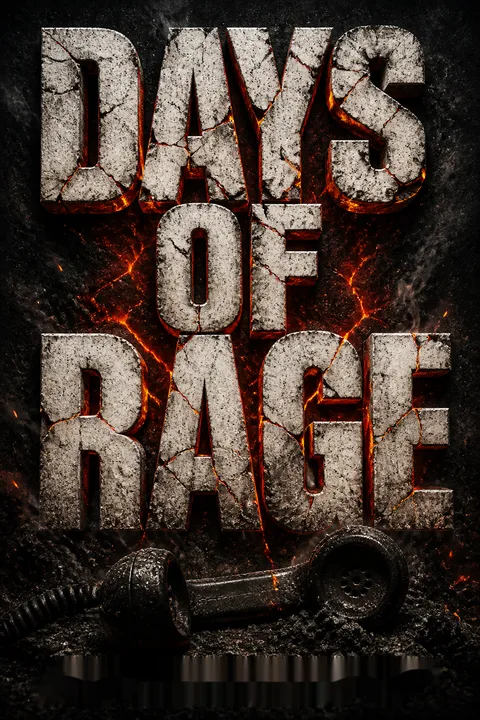
1. The 1970s witnessed an unprecedented surge of domestic urban guerrilla movements.
Imagine if this happened today: Hundreds of young Americans—white, black, and Hispanic—disappear from their everyday lives and secretly form urban guerrilla groups.
A forgotten era. The 1970s in America saw a unique and largely forgotten phenomenon: a widespread underground resistance movement. Hundreds of young Americans, driven by radical ideologies, formed clandestine groups dedicated to confronting the government and rectifying perceived societal injustices. These groups engaged in bombings, robberies, and assassinations across the nation.
Escalation of violence. What began with isolated acts of protest bombing on college campuses escalated dramatically. Sam Melville's group in New York pioneered large-scale attacks on symbols of American power, setting a blueprint for subsequent organizations. This marked a significant shift from traditional protest to overt anti-government violence.
Widespread impact. The scale of this domestic terrorism was astonishing. In 1971-1972 alone, the FBI reported over 2,500 bombings on U.S. soil, nearly five a day. While most were less lethal than modern terrorist attacks, they created a pervasive sense of urban anxiety, particularly in hard-hit cities like New York, where citizens often accepted bombings as part of daily life.
2. Black rage and the Black Power movement served as the foundational catalyst for radical violence.
Every single underground group of the 1970s, with the notable exception of the Puerto Rican FALN, was concerned first and foremost with the struggle of blacks against police brutality, racism, and government repression.
Core motivation. The plight of Black Americans was the central driving force behind almost every significant radical group that engaged in violent activities during the 1970s. From the civil rights movement's non-violent beginnings, a "deeper, angrier, little-noticed bass line" of militancy grew, evolving from "self-defense" to "Black Power" and eventually to calls for revolution and guerrilla warfare.
Influential voices. Key figures like Malcolm X, Robert F. Williams, Stokely Carmichael, and Eldridge Cleaver articulated a vision of armed struggle against systemic oppression. Malcolm X's powerful rhetoric, distinguishing between "house Negroes" and "field Negroes," galvanized a generation, proclaiming that "revolution is bloody, revolution is hostile, revolution knows no compromise."
Panthers' impact. The Black Panther Party, founded by Huey Newton and Bobby Seale, translated this rhetoric into action, advocating armed self-defense and confronting police. Their rise, fueled by figures like Eldridge Cleaver, inspired both black and white radicals, setting the stage for the violent underground groups that would emerge.
3. The Weather Underground's initial murderous intent shifted to "responsible terrorism" after a deadly accident.
The myth, and this is always Bill Ayers’s line, is that Weather never set out to kill people, and it’s not true—we did.
Apocalyptic vision. The Weather Underground, born from the Students for a Democratic Society (SDS), initially embraced an apocalyptic revolutionary vision, believing the U.S. government was on the brink of collapse. Influenced by figures like John "JJ" Jacobs and Régis Debray's foco theory, they aimed to become an "urban fighting force" and were prepared to kill, particularly policemen.
The Townhouse tragedy. This murderous intent culminated in plans to bomb a Fort Dix dance, targeting military officers. However, on March 6, 1970, an accidental explosion at a Greenwich Village townhouse, serving as a bomb factory, killed three Weathermen, including their bomb maker Terry Robbins. This catastrophic event forced a profound re-evaluation of their tactics.
Shift to "armed propaganda." The Townhouse disaster led to a strategic "inversion" by leaders Bernardine Dohrn and Jeff Jones. They disavowed actions intended to kill people, even police, and adopted a "Sam Melville model" of "responsible terrorism." Future bombings would target symbolic buildings, only after warnings, and at times when they were likely to be empty, aiming for "armed propaganda" rather than casualties.
4. The Black Liberation Army emerged as a decentralized, lethal force, primarily targeting police and banks.
To men in uniform, it was only the BLA who walked the walk.
Panther splinter. The Black Liberation Army (BLA) emerged from the implosion of the Black Panther Party in 1971, particularly from its militant New York chapter. Figures like Sekou Odinga and Dhoruba Moore, steeped in Malcolm X's teachings, sought to fulfill the Panthers' rhetoric of armed revolution against the police.
Deadly debut. The BLA made its violent debut in May 1971, ambushing and killing two New York City police officers and critically wounding two others. These attacks, along with subsequent murders of officers in San Francisco and Atlanta, confirmed the BLA's commitment to lethal force, distinguishing them from other groups.
Decentralized and desperate. Cleaver, from Algiers, ordained a decentralized structure of autonomous cells, which, while theoretically harder to subdue, often led to chaos and desperation. BLA units resorted to robbing drug dealers and banks to fund their operations, leading to further violence and a relentless manhunt by the FBI and NYPD.
5. The Symbionese Liberation Army, a bizarre cult, achieved national notoriety through the Patty Hearst kidnapping.
DEATH TO THE FASCIST INSECT THAT PREYS UPON THE LIFE OF THE PEOPLE!
Prison radicalization. The Symbionese Liberation Army (SLA) was born from the unique alliance of charismatic black inmates and adoring white radicals in California prisons, particularly influenced by George Jackson's revolutionary writings. Donald DeFreeze, an escaped convict, styled himself "General Field Marshal Cinque" and envisioned a vast, if delusional, revolutionary army.
Bizarre ideology. The SLA's ideology was a chaotic mix of anti-capitalism, anti-racism, and anti-sexism, expressed through comically stilted language and a seven-headed cobra symbol. Their first act, the assassination of Oakland school superintendent Marcus Foster, drew universal condemnation, even from other radical groups.
Patty Hearst saga. The SLA gained global infamy by kidnapping newspaper heiress Patty Hearst in February 1974. Her subsequent transformation into "Tania," an armed revolutionary participating in bank robberies, captivated and polarized America, becoming a major media event amidst the Watergate scandal. The SLA's fiery demise in a Los Angeles shootout, leaving six members dead, further cemented their bizarre legacy.
6. The FALN emerged as the most prolific and lethal bombing group, targeting symbols of capitalism and government.
For those who have lived through this mad week in New York there is a shared sense of outrage and impotence.
Puerto Rican independence. The Fuerzas Armadas de Liberación Nacional Puertorriqueña (FALN) emerged in 1974, advocating for Puerto Rican independence and the release of political prisoners. Unlike other groups, their primary motivation was not black liberation, though they shared tactical and ideological links with the Weather Underground.
Escalating attacks. The FALN quickly became the most prolific bombing group, detonating dozens of bombs in New York, Chicago, and Washington D.C. Their attacks escalated from minor property damage to the indiscriminate killing of innocents, most notably the Fraunces Tavern bombing in January 1975, which killed four people and injured over forty.
Elusive and resilient. Despite intense FBI and NYPD investigations, the FALN remained largely a phantom organization. Its members, including mastermind Oscar López and bomb maker Willie Morales, proved adept at evading capture, operating through a network of safe houses and relying on a disciplined, if ruthless, approach to "armed struggle."
7. Ray Levasseur's United Freedom Front was a unique blue-collar, family-based underground.
Armed revolutionary love means not standing around while the oppressor strangles the life out of our people with his jackboot.
Blue-collar revolutionaries. The Sam Melville Jonathan Jackson unit, later the United Freedom Front (UFF), was distinct for its blue-collar composition and family-centric structure. Led by Vietnam veteran Ray Levasseur, the group consisted of two, later three, couples who robbed banks and detonated bombs while raising nine children.
Personalized ideology. Levasseur, an ex-convict radicalized in prison, blended Marxist theory with a deeply personal sense of injustice. His philosophy of "armed revolutionary love" justified violent acts against the "ruling class" as a necessary response to oppression, though he initially resisted harming individuals.
Sustainable underground. Unlike other groups, the UFF prioritized long-term survival. They meticulously built false identities, stockpiled resources, and established remote safe houses, allowing them to operate for nearly a decade. Their commitment to family life, however, also created unique vulnerabilities and internal tensions regarding the risks involved.
8. The FBI's pursuit of these groups was often ineffective, frequently illegal, and ultimately led to its own scandal.
What really galls me,” says Don Strickland of Squad 47, “is we did all this stuff, risking our lives every day, putting our lives on the line. And we end up being the villains! And these Weatherman scumbags end up being the fucking Robin Hoods!”
Caught off guard. The FBI was largely unprepared for the emergence of domestic urban guerrilla groups, particularly the Weather Underground. Lacking informants and relying heavily on wiretaps, the Bureau was often a step behind, struggling to understand the motivations and movements of these new radicals.
Illegal tactics. Under pressure from the Nixon administration and driven by figures like William Sullivan, the FBI resorted to widespread illegal activities. These included unauthorized wiretaps, mail opening, and dozens of "black bag jobs" (burglaries) targeting radicals' families and supporters, all conducted without judicial oversight.
Internal scandal. These illegal tactics eventually led to the FBI's own downfall. The "Squad 47" scandal, triggered by a Justice Department investigation, resulted in the indictment and conviction of top FBI officials, including Acting Director L. Patrick Gray and Mark Felt ("Deep Throat"), for authorizing illegal break-ins. This exposed the Bureau's abuses and tarnished its reputation, while many of the radicals they pursued received light sentences or avoided prosecution.
9. The underground movement ultimately failed to achieve its revolutionary goals, leading to widespread disillusionment.
It was all a mistake,” Sekou Odinga admits today. “People weren’t ready. People weren’t ready for armed struggle.
Unfulfilled prophecies. The grand vision of a nationwide, black-led revolution, eagerly anticipated by many radicals, never materialized. Despite years of bombings, robberies, and assassinations, the underground groups failed to galvanize mass support or significantly alter American society. The "revolution" they envisioned was a cultural, not a political, one.
Internal decay. Many groups suffered from internal strife, paranoia, and disillusionment. The Weather Underground fractured over ideological purity and leadership struggles. The BLA was plagued by decentralization and the relentless capture of its members. The SLA devolved into a bizarre cult, and the UFF faced constant challenges balancing revolutionary zeal with family life.
Loss of relevance. By the mid-1970s, with the Vietnam War ending and the rise of a new "Me" Decade, the radical underground lost its political currency. Its actions, once seen by some as legitimate protest, were increasingly dismissed as the work of "psychopaths" and "vandals," fading into obscurity as America moved on.
10. The legacy of the 1970s underground remains deeply contested, with no clear consensus on its impact.
My father was murdered by the wrong politics. By leftists. So they were let off the hook. That’s what we’re left with today, a soft view of these people, when they were as hardened as anybody. They were just terrorists. Flat-out terrorists.”
Conflicting narratives. Forty years later, there is no single, agreed-upon narrative for the 1970s underground. Veterans often portray their actions as well-meaning, if misguided, attempts to confront injustice, while victims and their families view them as unrepentant murderers and terrorists.
Enduring questions. The underground's tangible successes were minimal, yet some argue its existence demonstrated a profound commitment to social change. Others, like Joseph Connor, whose father was killed by the FALN, vehemently reject any romanticization, insisting these groups were simply criminals who escaped accountability due to their political alignment.
Lingering impact. While the era of domestic urban guerrilla warfare ended, its echoes persist. Some former members remain imprisoned, others have re-entered society as respected professionals, and a few continue to advocate for their past actions. The debate over their motivations, methods, and ultimate legacy continues to shape discussions about political violence and dissent in America.
Review Summary
People Also Read
About the Author
Download PDF
Download EPUB
.epub digital book format is ideal for reading ebooks on phones, tablets, and e-readers.








































